

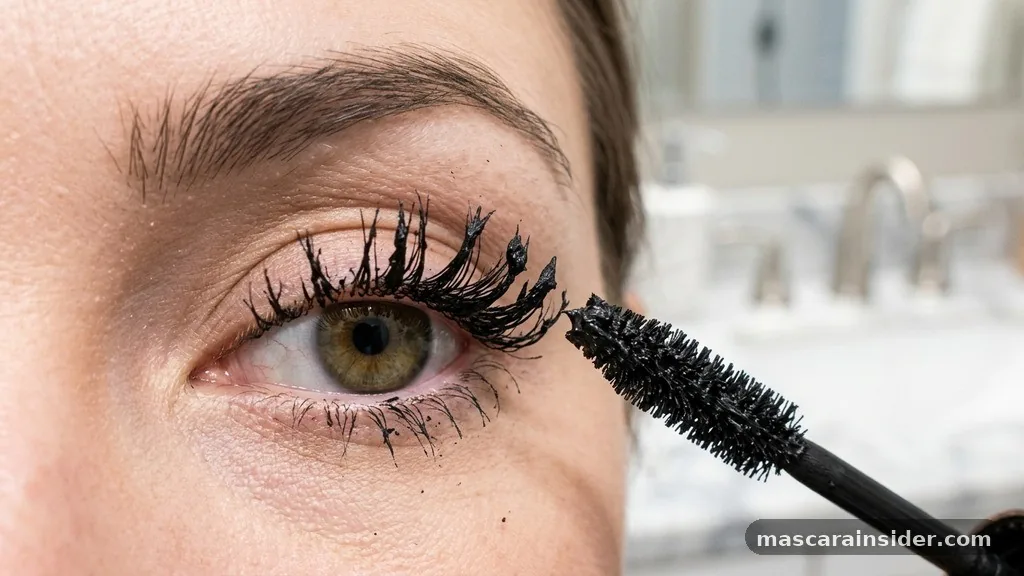
Many people find themselves wondering if they can put mascara on eyelash extensions once the initial excitement of their new look settles in. While the goal of getting extensions is often to skip the daily makeup routine, there are mornings when you might want extra drama. It is a common question, and the answer is nuanced because applying the wrong products can compromise your investment.
Understanding how specific ingredients interact with your lash adhesive is the first step toward maintaining a perfect flutter. By learning the right techniques, you can safely enhance your look without sacrificing the longevity or health of your natural lashes.
The Risks of Using Traditional Mascara on Extensions
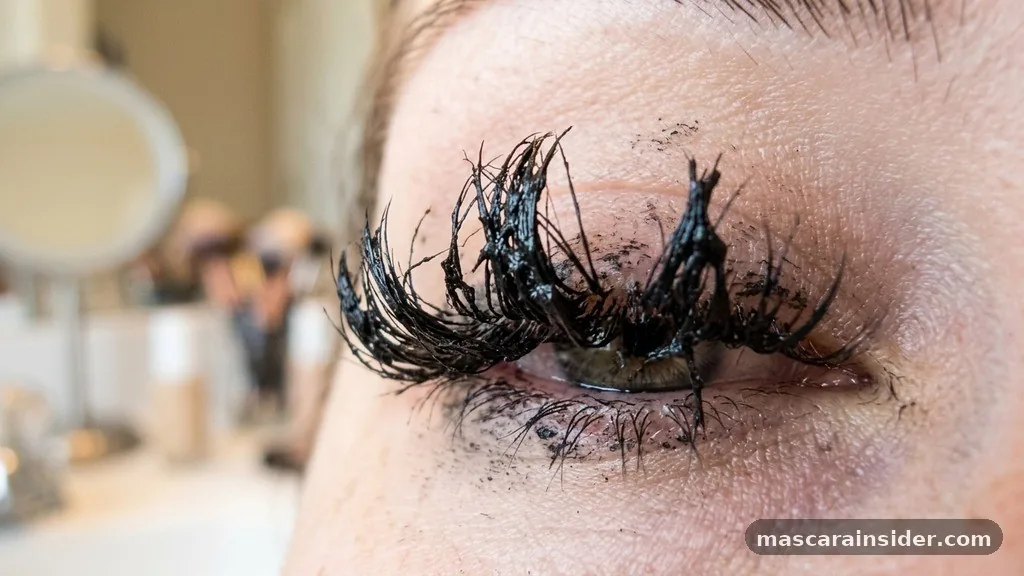
Traditional mascara is designed to cling to natural hair, often utilizing thick waxes and oils to create volume and length. These ingredients are fundamentally incompatible with the lash adhesive used to bond synthetic lash extensions to your natural ones.
When you coat your lashes with standard formulas, you create a heavy residue that is incredibly difficult to remove. This weight puts unnecessary strain on the bond, leading to premature lash shedding and gaps in your lash line.
Furthermore, the mechanical process of removing stubborn, waterproof, or heavy mascara is where the most damage occurs. You have to scrub or pull at the lashes to get the product off, which inevitably tugs at the extensions.
This friction can cause the adhesive to weaken or break entirely, resulting in a sparse appearance. Most standard mascaras also contain oil-based components, which act as a solvent for the glue, essentially dissolving the hold your lash technician worked so hard to establish.
Why Oil-Free Formulas Are the Only Safe Choice
If you absolutely feel the need to add extra color or definition, you must strictly use an oil-free mascara. These products are specifically formulated to be water-soluble, meaning they don’t require heavy-duty scrubbing to remove.
Because they lack the oils and glycols that break down cyanoacrylate-based adhesives, they are much gentler on your set. Using a product clearly labeled as safe for extensions ensures that you aren’t accidentally stripping the bond during your nightly routine.
It is helpful to view your lashes as a delicate investment. Just as you wouldn’t use harsh chemicals on a silk garment, you shouldn’t use heavy waxes on your extensions.
When shopping for these products, check the label for ingredients like glycol or mineral oils, which are common culprits in adhesive failure. If you are unsure about a product, consult with your lash technician before applying it, as they can recommend brands that have been tested for compatibility with their specific glue.
The Correct Application Technique for Added Drama
When you decide to apply product to your extensions, precision is everything. You should never apply mascara from the base of the lash, as this is where the adhesive bond is most vulnerable.
Instead, focus your application exclusively on the very tips of the extensions. By avoiding the root area, you prevent the product from clumping at the base, which keeps your lashes looking fluffy rather than spiky or weighed down.
Using a clean mascara wand is essential for maintaining a natural look. You want to use a light hand, applying only a thin layer to the ends to darken them if they have faded or to add a touch of extra volume.
Avoid using a zigzag motion, which is standard for natural lashes but can cause extensions to tangle or twist. A gentle, upward sweeping motion from the middle to the ends is the safest way to achieve the desired effect without compromising the structural integrity of your extensions.
Essential Lash Hygiene and Maintenance
Maintaining proper lash hygiene is the most effective way to ensure your extensions last as long as possible. Regardless of whether you wear makeup, your lashes collect dust, oils, and dead skin cells throughout the day.
If you do choose to wear mascara, you must be even more diligent about cleaning. A gentle, oil-free cleanser used every single evening will prevent debris from building up at the lash line, which can harbor bacteria and lead to infections or irritation.
Think of your lash care routine as a ritual of preservation. You should use a soft, lint-free brush or a specialized lash cleanser to gently wash away the day’s accumulation.
Never rub your eyes with a towel; instead, pat the area dry or allow the lashes to air dry before gently brushing them into place with a spoolie. Consistent cleansing prevents the “clumping” effect that can occur when makeup residue mixes with your natural eye oils, keeping the extensions looking fresh and light.
How to Safely Remove Makeup Without Damaging Bonds
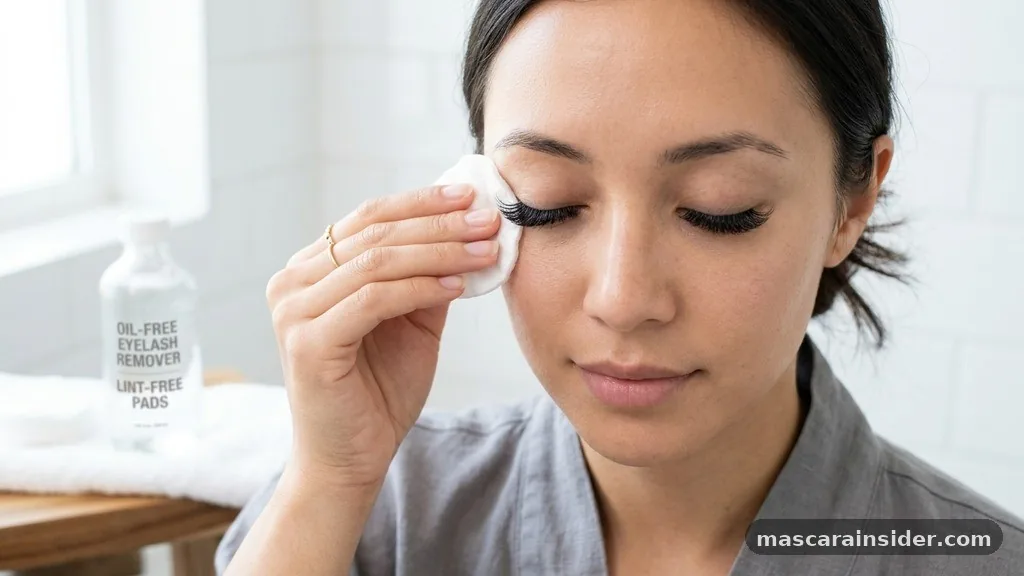
Removing mascara from extensions requires a delicate touch and the right tools. You should never use a cotton pad or round, as the fibers will snag on the extensions and pull them out.
Instead, use a soft, non-shedding applicator or your clean fingertips to apply your makeup remover. Ensure the remover is specifically designed for lash extensions and is completely oil-free.
Gently glide the product along the tips of the lashes where the mascara was applied. Let the solution sit for a few seconds to break down the makeup, then rinse with lukewarm water. If you find that the mascara is not coming off easily, do not force it.
It is better to leave a tiny bit of residue than to pull at your lashes. If you notice persistent buildup, it is time to schedule a professional cleaning or a fill with your lash technician.
Understanding the Impact on Lash Retention
The longevity of your set is directly tied to how you treat them on a daily basis. Every time you touch, rub, or apply heavy products to your extensions, you are putting their lash retention at risk.
While high-quality extensions are designed to be durable, they are not invincible. When you add mascara into the mix, you are effectively introducing a variable that can shorten the time between your refill appointments.
Many clients find that their sets last significantly longer when they avoid makeup altogether. If you notice that you are needing refills more frequently, it is likely because the products you are using are interfering with the adhesive.
Tracking your habits can help you identify if a specific mascara is the cause of your retention issues. Below is a comparison of how different product types impact your extensions:
| Product Category | Impact on Adhesive | Ease of Removal |
|---|---|---|
| Oil-Free Mascara | Minimal to None | Easy (Water-soluble) |
| Waterproof Mascara | High (Solvent effect) | Difficult (Requires scrubbing) |
| Fiber Mascara | Extreme (Builds weight) | Very Difficult (Leaves residue) |
Addressing Common Misconceptions About Lash Extensions
There are many myths surrounding what you can and cannot do with extensions. One common belief is that you must never get them wet, which is incorrect; in fact, daily cleansing is required to keep them clean.
Another misconception is that you can use any brand of “sensitive” mascara. While sensitive-skin formulas are great for your eyelids, they may still contain oils or waxes that are harmful to the bond of your synthetic lash extensions.
It is also important to address the confusion regarding lash serum. Many people worry that using a growth serum will cause their extensions to fall out. In reality, a good, oil-free serum can help strengthen your natural lashes, which provides a better base for your extensions to sit on.
As long as the serum is applied to the skin of the lash line and allowed to dry before you add any makeup, it can be a beneficial part of your routine. Always check the ingredients for any oil-based components that could soften the glue.
Topical Gaps: What Most Guides Miss
Many guides fail to mention the importance of the lash extension sealant. A clear, protective coating can act as a barrier between your extensions and the elements, including any makeup you might choose to apply.
By using a sealant, you can lock in the bond and add a slight sheen that mimics the look of mascara without the need for heavy pigments. This is a secret weapon that many lash artists recommend to clients who want a polished look without the risks associated with traditional makeup.
Another frequently ignored aspect is the interaction between your daily skincare products and your lashes. Even if you don’t wear mascara, your eye cream or moisturizer can migrate onto your lashes throughout the day. If your skincare contains oils, it will slowly degrade the adhesive over time.
Always ensure your eye area is dry and free of heavy creams before you apply your extensions or any eye makeup. This simple step is often the missing link for those struggling with poor retention.
Choosing the Right Tools for Your Routine
When you decide to enhance your look, the tools you use are just as important as the product itself. Invest in a high-quality, spoolie brush that is kept clean at all times.
A dirty brush can introduce oils and bacteria to your lash line, leading to inflammation. Furthermore, if you are wearing volume lashes, a spoolie is essential for fluffing them up after you wake up or after a shower.
You might also consider using a lash fan to help dry your lashes after cleansing or applying any water-based product. This ensures that no moisture remains trapped at the base of the lash, which could otherwise weaken the bond over time.
By incorporating these professional-grade habits into your home care, you bridge the gap between a standard service and a long-lasting, healthy result. Your goal should always be to treat your lashes with the same care as a professional would.
Conclusion
Deciding if you can put mascara on eyelash extensions ultimately comes down to your willingness to prioritize the health of your natural lashes over a temporary aesthetic boost. While it is possible to use specific, oil-free formulas on the very tips of your extensions, the safest route is almost always to embrace the full, dark look that extensions provide on their own. If you do choose to use mascara, remember to be gentle, focus on the tips, and prioritize thorough, daily cleansing to prevent buildup.
By following these guidelines, you can maintain beautiful, healthy lashes between your regular appointments. If you are ever in doubt about the products in your makeup bag, reach out to your technician for a professional recommendation. Your lashes are an investment, and with the right care, they will continue to look stunning for weeks to come.
Frequently Asked Questions
Can I use waterproof mascara on my lash extensions?
No, waterproof mascara is oil-based and requires harsh removal, which will dissolve the adhesive and ruin your extensions.
Is it safe to use fiber mascara with lash extensions?
Avoid fiber mascara entirely, as the fibers create heavy, clumpy buildup that is nearly impossible to remove safely.
How often should I clean my eyelash extensions?
You should clean your extensions daily using an oil-free cleanser to remove oils, makeup, and environmental debris effectively.
Does mascara ruin the bond of the lash adhesive?
Yes, most traditional mascaras contain oils or glycols that break down the adhesive, leading to premature lash loss.
Can I use a lash curler on my extensions?
Never use a mechanical lash curler on extensions, as it will crush the synthetic fibers and break the adhesive bond.
What should I do if I have mascara stuck in my lashes?
Gently cleanse the area with an oil-free lash cleanser and a soft brush; never pick or pull at them.
Are there any mascaras specifically made for extensions?
Yes, look for products clearly labeled as “oil-free” and “extension-safe,” which are designed to wash off with plain water.


