

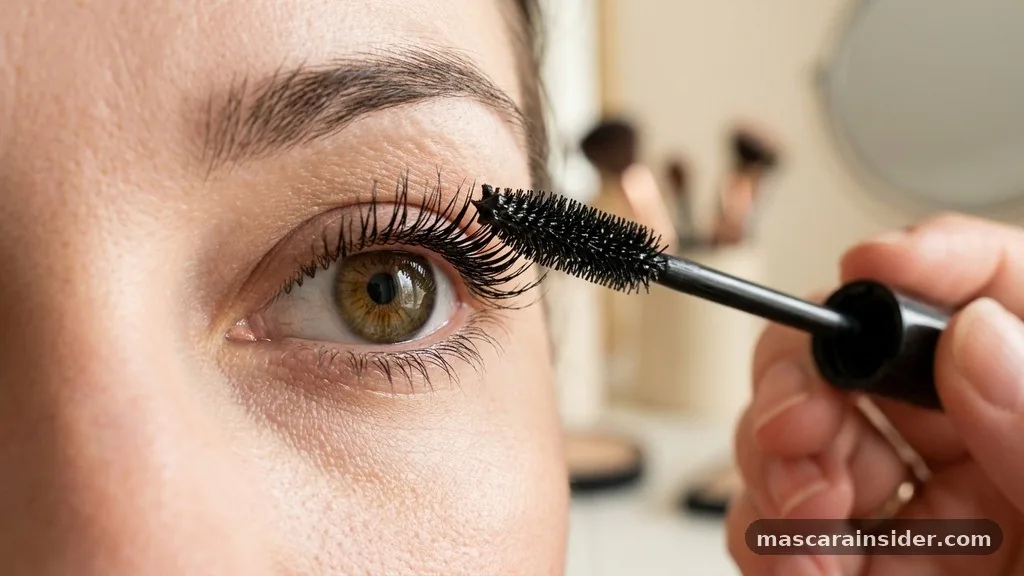
Mastering the art of applying mascara without clumping is the secret to achieving that wide-eyed, fluttery look without the dreaded “spider lash” effect. Many people struggle with thick, uneven product buildup, but the solution often lies in refining your technique rather than just swapping products.
By focusing on how you handle your wand and maintaining your tools, you can transform your daily beauty routine into a professional-grade experience. This guide breaks down the essential steps to help you achieve perfect lash separation every single time, ensuring your eyes look defined, lifted, and naturally beautiful throughout the day.
Understanding the Mechanics of Lash Clumping
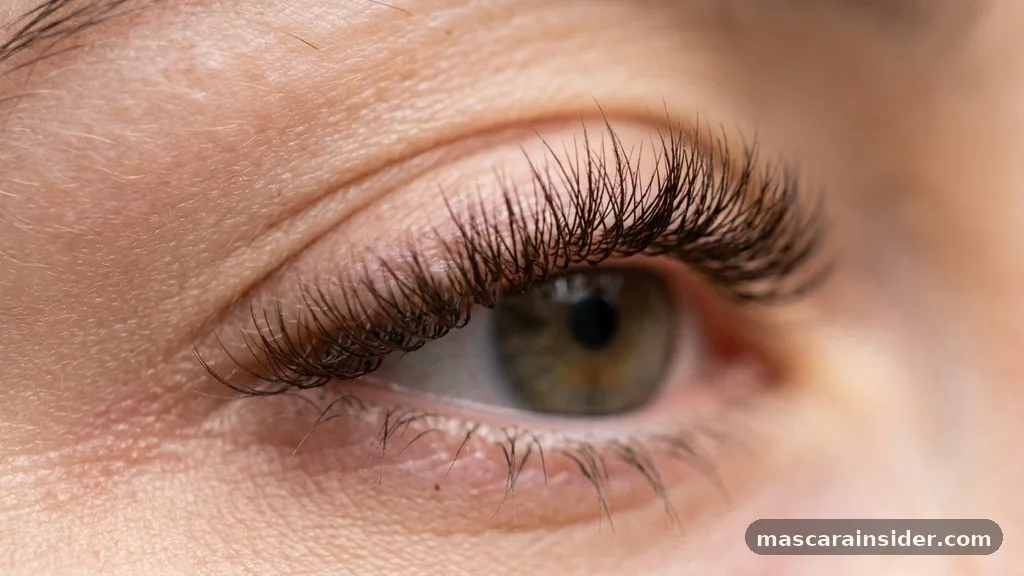
Clumping typically occurs when excess product accumulates on your lashes, causing them to stick together instead of fanning out. This often happens because the mascara formula is either too old, too thick, or simply applied with a heavy hand.
When you pull the wand out of the tube, you might be dragging a significant amount of wand residue along with it. If you don’t remove this excess, that heavy glob of pigment lands directly on your lashes, creating an uneven, chunky texture.
Another major factor is the chemical composition of the product you choose. Many mascaras are wax-based, which provides great volume but can become tacky quickly if you apply multiple coats too fast.
If a formula contains high levels of polymer resins, it may dry faster than you can comb through it, locking in any clumps that formed during the initial swipe. Recognizing how your specific product behaves is the first step toward achieving a smooth, professional finish.
Optimizing Your Application Technique
The most effective makeup application technique involves a “wiggle and pull” motion. Start by placing the wand at the very base of your lashes, as close to the waterline as possible.
Wiggle the brush back and forth slightly to deposit the majority of the pigment at the roots; this creates the illusion of thicker lashes without adding extra weight to the tips. Once you have saturated the base, pull the wand upward in a single, smooth motion toward the ends.
Consistency is key when you want a clump-free application. Avoid pumping the wand in and out of the tube, as this forces air into the container, which dries out the product and encourages clumping. Instead, gently swirl the wand inside the tube to pick up the right amount of product.
If you notice a buildup of pigment on the tip of the brush, wipe it off on a clean tissue before touching your lashes. This small adjustment prevents the “blob” effect that often ruins an otherwise clean look.
Essential Tools for Precision Results
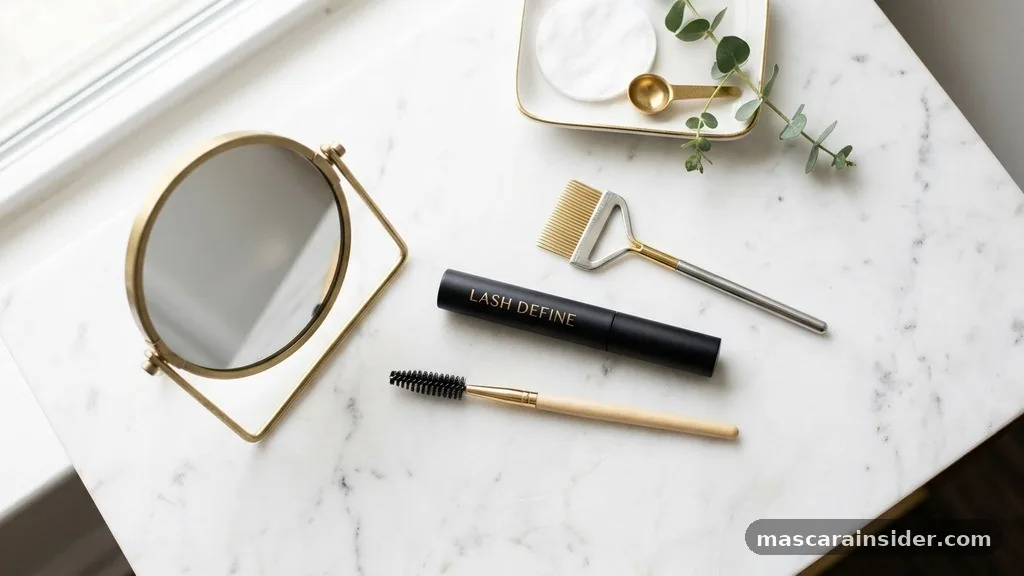
Using the right accessories can drastically improve your results. An eyelash curler is a non-negotiable tool for opening up the eye area before you even touch the mascara.
By curling your lashes from the root, you create a lifted canvas that makes it easier to apply product evenly. Always ensure your curler pad is clean and free of old, sticky residue, as this can pull on your lashes or cause them to crimp at an awkward angle.
A lash comb or a clean spoolie brush serves as your final safeguard against clumps. After applying your first coat, run a metal lash comb through your lashes while the mascara is still slightly damp.
This separates individual hairs and removes any excess product that might have gathered. If you prefer a more natural look, a spoolie brush can help soften the appearance of the lashes and ensure the pigment is distributed evenly from root to tip.
- Start with a clean, dry set of lashes to prevent oil buildup.
- Use an eyelash curler before applying any product for maximum lift.
- Wipe off excess wand residue on a tissue to control product distribution.
- Wiggle the wand at the roots to build volume without heaviness.
- Comb through lashes while the formula is wet for better separation.
- Replace your mascara every three months to ensure safety and performance.
Addressing Common Mascara Challenges
Many users encounter specific issues depending on the type of product they choose. For instance, waterproof mascara is notoriously difficult to remove and can leave behind residue that causes the next day’s application to clump.
If you struggle with this, prioritize using an effective oil-based makeup remover to ensure your lashes are completely clean. Poor eyelash hygiene can lead to crusty buildup that makes your lashes appear brittle and prone to clumping when you re-apply.
If you are using a fiber mascara, be aware that the added fibers can sometimes create a textured, uneven look if applied too aggressively. These products require a lighter touch and more precise combing to blend the fibers with your natural lashes.
For those who find their mascara is simply too dry, it might be past its mascara expiration date. Using expired makeup is not only bad for your lash health but will almost certainly result in a clumpy, flaky finish that no amount of technique can fix.
| Feature | Impact on Clumping | Recommendation |
|---|---|---|
| Formula Age | High (Old mascara is tacky) | Replace every 3 months |
| Wand Technique | High (Excess product causes lumps) | Wipe excess on a tissue |
| Tool Usage | Medium (Comb aids separation) | Use a metal lash comb |
| Removal Method | High (Residual makeup creates buildup) | Use oil-based cleanser |
Topical Gaps: Managing Humidity and Texture
A frequently overlooked aspect of lash application is how environmental factors affect your product. High humidity can cause certain formulas to become runny or cause the lashes to stick together, particularly if you are using a non-waterproof option. In humid climates, opting for a smudge-proof or water-resistant formula can help maintain the integrity of your lashes throughout the day.
Additionally, if your natural lashes are very fine, avoid heavy, volumizing formulas that can overwhelm them. Instead, look for lengthening mascaras with thinner, defining brushes that provide control without the weight. If you find that your lashes are naturally clumping at the tips, try applying mascara only to the middle and roots, leaving the very ends bare for a lighter, more modern aesthetic.
Achieving Long-Term Lash Health
Consistency in your routine is the best way to maintain a polished look. By keeping your tools clean and being mindful of how you handle your products, you will find that applying mascara becomes much easier.
Remember that less is often more; building up thin, even layers is far superior to trying to force a thick look with one heavy swipe. If you take the time to separate your lashes properly after each coat, you will avoid the frustration of clumping entirely.
Mastering the skill of applying mascara without clumping is a journey of trial and error with your specific lash type and formula preferences. Once you establish a rhythm with your tools and prioritize the health of your lashes through proper removal and regular hygiene, you will notice a significant improvement in your results.
Experiment with these techniques to find what works best for your unique eye shape. If you have any specific tips or favorite tools that have helped you improve your daily routine, feel free to share your experiences below.
Frequently Asked Questions
Why are my eyelashes clumping when I apply mascara?
Clumping usually results from using an expired formula, applying too much product at once, or failing to separate lashes.
What is the correct way to apply mascara?
Wiggle the wand at the base of your lashes, then pull upward in a smooth, steady motion to distribute.
What can you put in mascara to make it not clumpy?
Adding a few drops of saline solution or contact lens solution can temporarily thin out a slightly dried formula.
Why do my eyelashes stick together when I put mascara on?
This happens when the mascara is applied too heavily or when you don’t comb through the lashes while wet.
How do I prevent mascara from smudging?
Use a waterproof formula or set your under-eye area with a light dusting of translucent powder before applying mascara.
Should I curl my lashes before or after mascara?
Always curl your lashes before applying mascara to avoid breakage and ensure a clean, lifted, and clump-free result.
How often should I replace my mascara?
You should replace your mascara every three months to prevent bacterial growth and ensure the product remains effective.


