

Many beauty enthusiasts frequently worry about whether their daily makeup routine is damaging their natural look, often asking if it is true that one can mascara make your eyelashes shorter over time. While mascara itself does not chemically shorten your hair follicles or inhibit their growth, the cumulative effect of improper application, harsh removal, and daily wear can lead to significant damage that makes lashes appear thinner and shorter.
By understanding how these cosmetic habits influence your eyelash growth cycle and overall hair follicle health, you can protect your natural lashes while still enjoying your favorite beauty products. This article explores the mechanics of lash health and how to maintain length despite regular makeup use.
The Mechanics of Eyelash Damage
At its core, the question of whether one can mascara make your eyelashes shorter revolves around mechanical damage rather than chemical interference. Eyelashes are composed of keratin, the same protein found in your scalp hair, and they are susceptible to physical stress.
When you apply a heavy, stiff formula, the lashes become rigid and lose their natural flexibility. This rigidity is where the trouble begins, as any accidental tugging or rubbing throughout the day places extreme tension on the lash shaft.
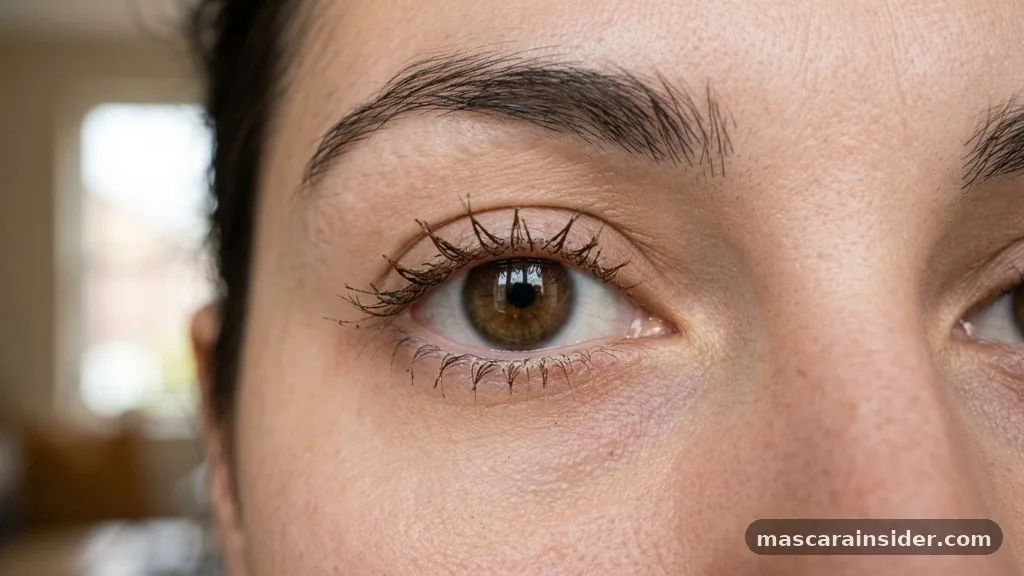
When lashes lose their suppleness, they become brittle eyelashes that are prone to snapping. Because the hair breaks off mid-shaft rather than shedding naturally from the root, the visible length of the lash is immediately reduced. This isn’t actual biological shortening, but rather a structural loss of the existing hair length.
If you consistently wear products that weigh down your lashes or cause them to stiffen, the weight can exacerbate the likelihood of these snaps. Over time, you might notice your fringe looks sparse or cropped, leading to the assumption that the product itself has stunted growth.
The Role of Improper Removal Techniques
The most significant culprit behind damaged lashes is not necessarily the mascara itself, but the makeup removal techniques used at the end of the day. Many people scrub their eyes aggressively to dissolve waterproof or long-wear formulas, which creates immense friction against the delicate hair and eyelid skin.
This physical trauma is a leading cause of premature lash shedding. When you pull on your lashes to remove stubborn makeup, you are essentially ripping them out before they have finished their natural cycle.
Frequent, forceful removal can eventually lead to permanent damage of the hair follicle. If the follicle is repeatedly traumatized, it may struggle to produce strong, healthy hair, leading to eyelash thinning.
To protect your lashes, you should always use an oil-based cleanser or a dedicated makeup remover that breaks down the product without requiring intense rubbing. By saturating a cotton pad and holding it against the closed eye for thirty seconds, you allow the formula to dissolve, allowing you to wipe away the mascara gently without applying stress to the lash base.
Differentiating Between Breakage and Shedding
It is vital to understand the difference between natural shedding and structural breakage to address why your lashes might appear shorter. Every lash follows a specific eyelash growth cycle, which includes an anagen (growth) phase, a catagen (transition) phase, and a telogen (resting) phase.
It is perfectly normal to lose a few lashes every day as they reach the end of their lifespan and fall out to make room for new growth. However, when you experience excessive breakage, you interrupt this rhythm.
Breakage is usually characterized by uneven, jagged ends on the lashes, whereas a naturally shed lash will have a clear, soft bulb at the base. If you notice your lashes looking significantly shorter or stubby, inspect the fallen hairs on your makeup pad.
If they appear broken in the middle, your mascara or your removal process is likely too harsh. If you see full-length lashes with a bulb, you are likely experiencing normal shedding, which can sometimes be exacerbated by stress or nutritional deficiencies, but is rarely caused by the mascara itself.
The Risks of Waterproof Formulas
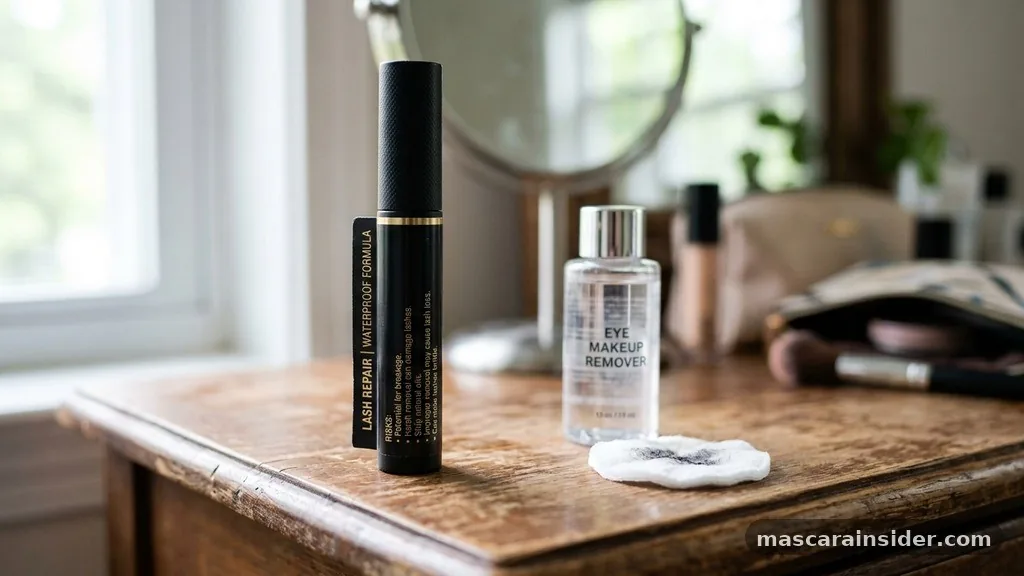
While waterproof mascara is a staple for longevity, it is notoriously difficult to remove and poses the highest risk for lash damage. These formulas are designed to be resistant to water, meaning they require more intense solvents or physical rubbing to cleanse away.
The drying agents within these formulas often strip the lashes of their natural oils, making them dry and more prone to snapping. When you combine this dryness with the stubborn adherence of the product, you create a recipe for disaster.
If you find yourself constantly battling to get waterproof mascara off, it might be time to switch to a tubing mascara or a water-resistant formula that can be removed with warm water. Tubing mascaras create small polymer “tubes” around each lash that slide off easily when soaked, eliminating the need for harsh scrubbing. By reducing the reliance on heavy-duty waterproof products, you can significantly decrease the amount of mechanical damage your lashes face on a daily basis.
Addressing Topical Gaps in Lash Care
Many people ask, “Why do my lashes look shorter suddenly?” after they have been using mascara for years. One often overlooked factor is the accumulation of product residue at the base of the lash line.
If you are not cleansing thoroughly, old mascara can harden at the root, effectively blocking the follicle and creating a barrier that makes the base of the lash look blunt or stunted. Furthermore, using expired makeup can lead to bacterial growth, which can cause inflammation at the lash line and hinder hair follicle health.
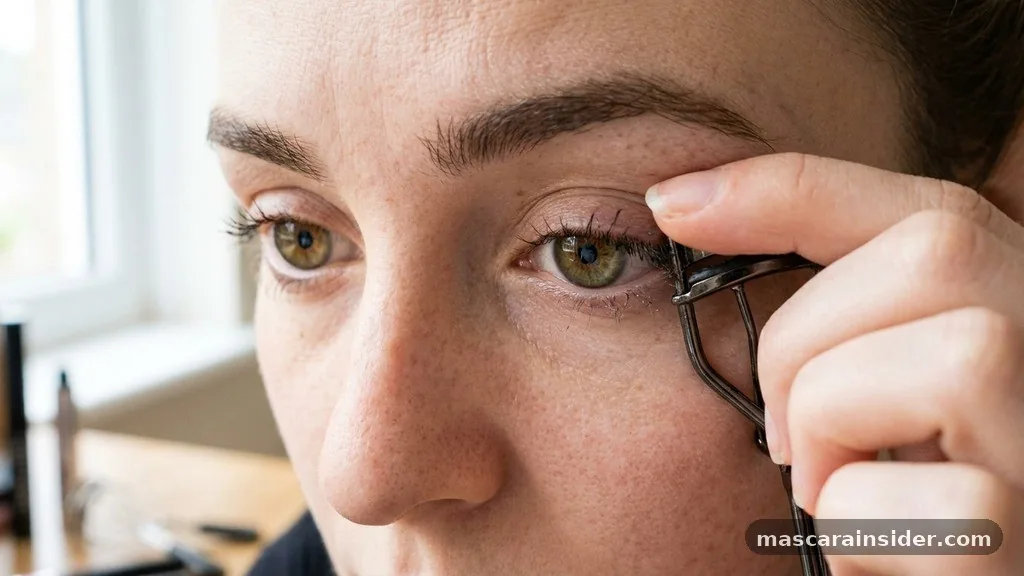
Another gap in common knowledge is the impact of mechanical curlers. If you curl your lashes after applying mascara, you are almost guaranteed to cause snapping. The mascara creates a hard shell, and the metal clamp of the curler acts like a guillotine.
Always curl your bare lashes before application, and ensure your curler pad is soft and clean. Using a heated lash curler can be a safer alternative, as it uses heat to shape the keratin rather than force, provided it is used at a low temperature to avoid thermal damage.
| Mascara Type | Removal Difficulty | Risk of Breakage |
|---|---|---|
| Waterproof | High | High |
| Volumizing | Medium | Medium |
| Tubing | Low | Low |
| Clear/Conditioning | Very Low | Minimal |
Supporting Eyelash Health with Serums
If you are worried that your lashes have suffered from past makeup habits, incorporating lash serums can be a helpful restorative step. High-quality serums often contain peptides, amino acids, and vitamins that support the health of the follicle and strengthen the lash shaft. While they cannot magically make a broken lash grow back instantly, they can provide the nourishment needed to ensure that new growth is stronger and more resilient against daily environmental stress.
Be careful when choosing a serum, as some contain prostaglandin analogs which, while effective for growth, can occasionally cause side effects like skin darkening or irritation. Look for conditioning serums that focus on hydration and fortification.
Applying a light coat of castor oil or a peptide-rich serum at night can act like a deep conditioner for your lashes, helping to keep them flexible and preventing the brittleness that leads to breakage. This extra step can counteract the drying effects of your daily mascara usage.
The Impact of Eyelash Extensions and Lifting
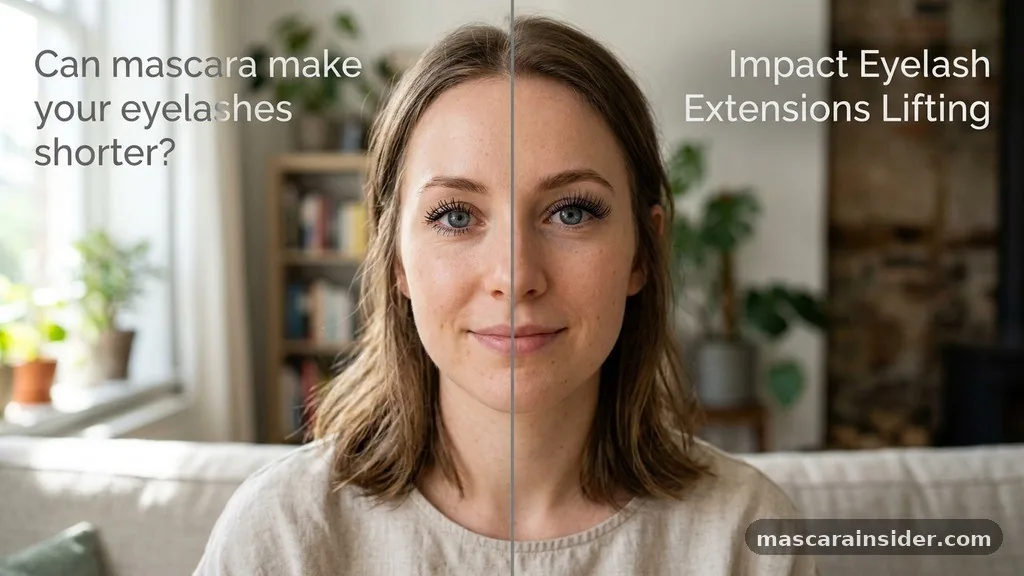
Many individuals who feel their lashes are thinning often confuse the damage caused by eyelash extensions or lash lifting with the effects of mascara. Extensions involve gluing synthetic fibers to your natural lashes; if the professional applies them too heavily or if you pick at them, you can pull out your natural lashes at the root. Similarly, lash lifting involves chemical perming solutions that, if left on too long or performed by an inexperienced technician, can leave your lashes fried and broken.
When you add mascara on top of extensions or a lash lift, you increase the weight and the potential for damage. If you have noticed significant thinning, it is wise to take a break from all professional treatments to allow your natural cycle to reset.
During this recovery period, focus on gentle cleansing and avoiding anything that causes tension. If you must wear mascara, keep it light and avoid the root, focusing only on the tips to give the appearance of length without the added weight.
Best Practices for Daily Application
To ensure your makeup routine doesn’t compromise your lash length, adopt a mindful approach to application. Start by applying mascara from the middle of the lash upward, rather than wiggling the wand aggressively at the base.
This minimizes the risk of getting large clumps of product against your skin, which can cause irritation and make removal much more difficult. Additionally, avoid layering too many coats; two thin layers are always better than four thick, heavy ones that turn into a brittle, crusty mess.
- Always remove your makeup completely before sleeping to prevent hardening.
- Replace your mascara every three months to avoid bacterial buildup.
- Use an oil-based cleanser for effortless, frictionless removal.
- Avoid curling your lashes after the mascara has dried.
- Incorporate a nourishing lash serum into your nightly skincare routine.
- Consider switching to a tubing mascara if your current formula feels too heavy.
Following these steps will help you maintain the integrity of your lashes. By treating your lashes with the same care you give the skin on your face, you can continue to use makeup without sacrificing the health and length of your natural fringe. Remember, the goal is to enhance your natural beauty, not to create habits that lead to long-term thinning or structural damage.
Maintaining Long-Term Lash Vitality
Understanding whether can mascara make your eyelashes shorter requires looking at the broader picture of your eye health. While the product itself is not a toxin that shrinks hair, your interaction with it can be the deciding factor in whether your lashes remain long and full or become brittle and prone to breaking. By focusing on gentle removal, proper product selection, and occasional rest, you can keep your lashes in peak condition.
The most important takeaway is that your lashes are constantly renewing themselves. If you have experienced damage, it is not permanent; with the right care and a pause on harsh products, your lashes will grow back to their full potential.
Be patient with the process, prioritize the health of your follicles, and choose makeup that respects the delicate nature of your lashes. Engaging with these habits ensures that your beauty routine supports your natural look rather than detracting from it.
Do lashes get shorter with age?
Yes, as you age, the eyelash growth cycle may slow down, leading to thinner and potentially shorter lashes.
Does mascara cause permanent hair loss?
No, mascara does not cause permanent hair loss unless you aggressively pull out lashes, damaging the hair follicle.
Is clear mascara safer for your lashes?
Generally yes, as it lacks the heavy pigments and drying waxes often found in thick, volumizing black mascaras.
Can I use oil to remove waterproof mascara?
Yes, oil-based cleansers are the most effective and gentle way to dissolve waterproof makeup without causing friction.
How often should I replace my mascara?
You should replace your mascara every three months to ensure the formula stays fresh and free from bacteria.
Will lash serums help broken lashes?
Serums can strengthen new growth, but they cannot “fix” a lash that has already snapped mid-shaft.
Are lash extensions worse than mascara?
Extensions carry a higher risk of physical damage if not applied or removed correctly by a professional technician.


