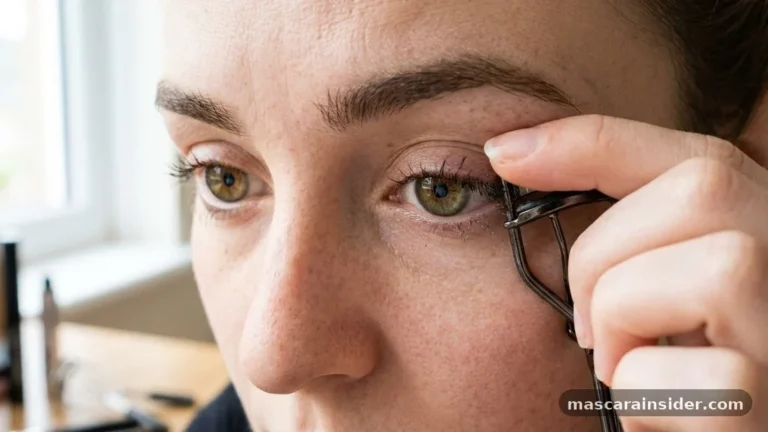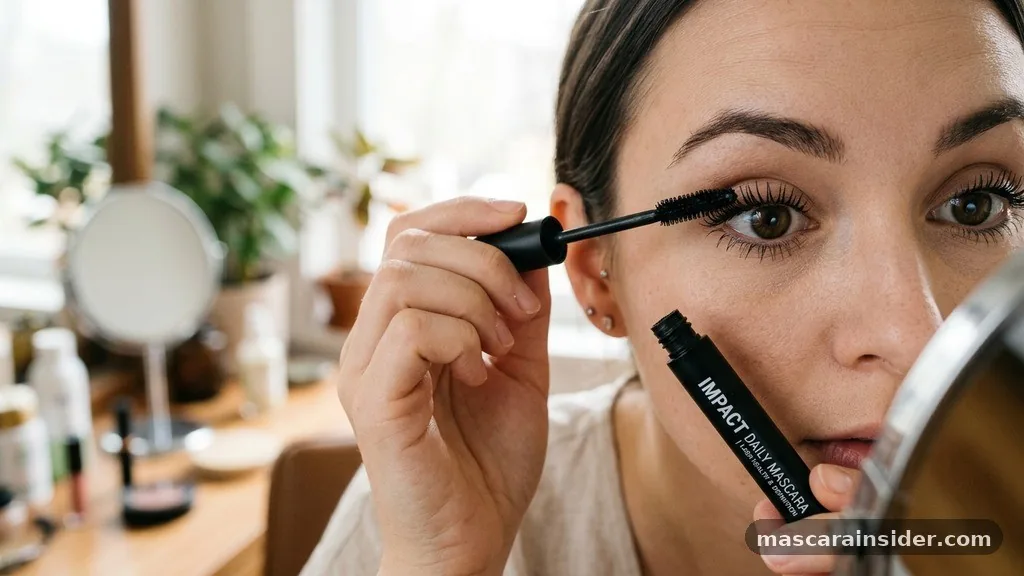
Many people wonder if the daily habit of coating their lashes in pigment is causing long-term harm. While this cosmetic staple is a primary tool for enhancing appearance, concerns about whether mascara is bad for your long-term ocular health and lash structural integrity are common.
Understanding the chemical composition of these products and how they interact with delicate eye tissues can help you decide how to balance your beauty routine with safety. By examining the potential for irritation and physical stress, you can better protect your eyes while still enjoying your favorite makeup looks.
The Impact of Daily Mascara Application on Lash Health
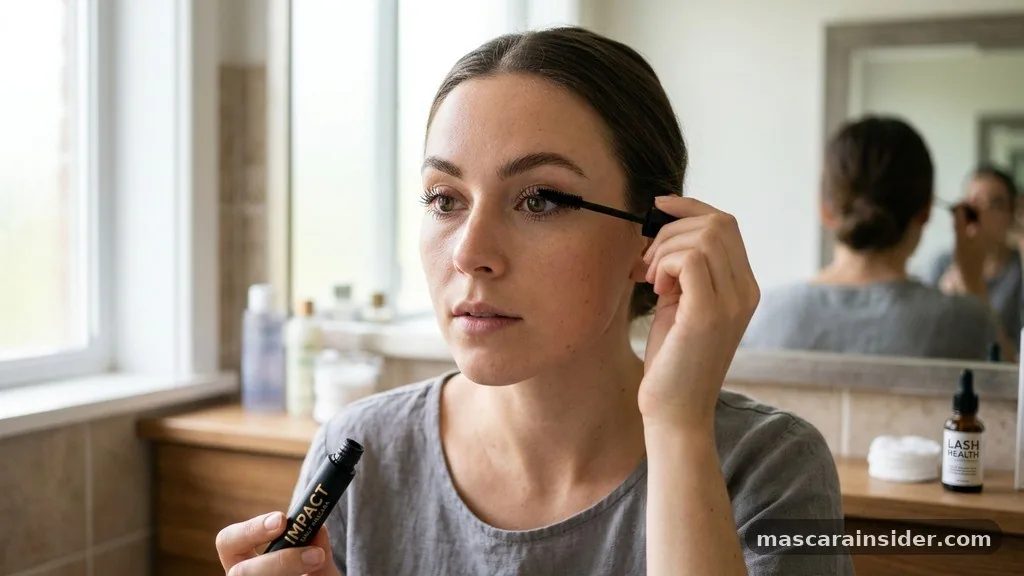
Daily makeup application can lead to physical stress on the hair shafts, potentially causing eyelash breakage. When you apply a thick layer of product every morning, you essentially stiffen the hair, making it prone to snapping when you rub your eyes or use an eyelash curler.
Over time, this brittle state disrupts the natural eyelash growth cycle, as follicles may become weakened by the constant weight and tension of heavy formulas. If you notice your lashes appearing thinner or shorter, it might be a sign that the physical structure of the hair is struggling to recover between applications.
Frequent use also creates a situation where the hair is rarely “naked,” preventing it from absorbing natural oils that keep it hydrated. Many users find that when they take a break from their routine, their lashes feel more flexible and resilient.
It is important to remember that eyelashes serve a protective function for the eye, and constantly coating them in polymers and waxes can interfere with their ability to sweep away debris. If you are committed to a daily look, prioritizing high-quality formulas that contain conditioning agents can help mitigate some of the dryness that leads to premature snapping.
Ocular Irritation and Bacterial Risks
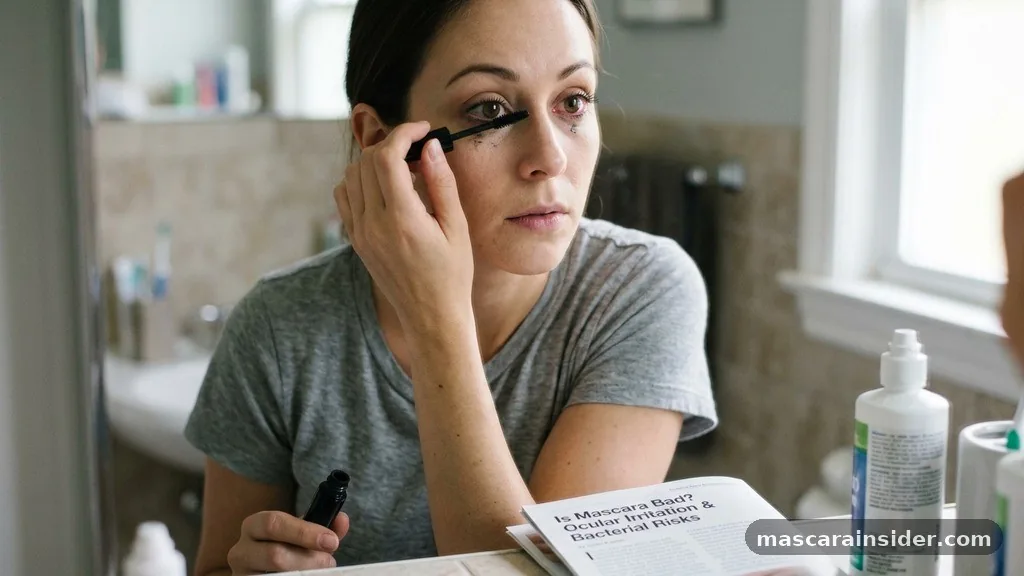
The skin around your eyes is the thinnest on your body, making it incredibly susceptible to ocular irritation from harsh cosmetic ingredients. Many traditional formulas contain preservatives like parabens or synthetic dyes that can trigger allergic reactions, leading to redness, swelling, or persistent itching.
Beyond simple sensitivity, there is the persistent risk of bacterial contamination. Because mascara is a liquid product applied to an area near the mucous membranes, it acts as a breeding ground for microorganisms if the wand is contaminated or the product is kept past its expiration date.
Using old or shared makeup is a primary cause of eye infections. If you notice your eyes feeling gritty, watery, or sensitive to light, you may be experiencing the early signs of an infection or inflammation. It is vital to replace your tubes every three months to minimize the risk of introducing bacteria to the lash line.
If you wear contact lenses, you should be even more cautious, as trapped particles can easily scratch the cornea or cause severe discomfort. When in doubt, consulting an ophthalmologist can help determine if your specific symptoms are caused by product usage or an underlying condition that requires medical intervention.
Managing Risks Through Proper Removal
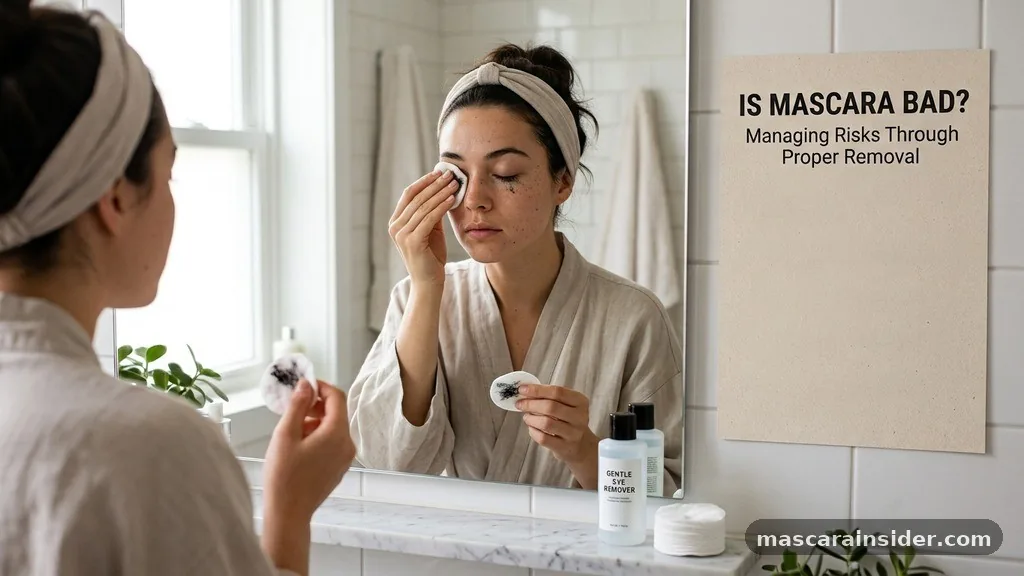
The single most common mistake leading to damage is an inadequate makeup removal routine. Many people aggressively scrub their eyes at the end of the day, which causes significant mechanical damage to the eyelash follicles. This friction often results in more lash loss than the actual mascara formula itself.
To protect your eyes, you must use a gentle, oil-based cleanser or micellar water that breaks down the product without the need for harsh pulling. Allowing the remover to sit on the closed eyelid for thirty seconds can dissolve stubborn pigments, ensuring that you wipe away the makeup effortlessly.
If you frequently use waterproof mascara, you need to be particularly careful. These formulas are designed to resist moisture, which means they are notoriously difficult to remove without sustained effort. The persistent tugging required to clean off waterproof formulas is a leading cause of premature lash thinning.
If you are noticing significant fallout, consider switching to a tubing mascara or a water-resistant option that cleans away with warm water. Taking the time to be gentle during your evening routine is the most effective way to prevent the long-term damage often associated with daily eye makeup.
| Mascara Type | Ease of Removal | Lash Health Risk |
|---|---|---|
| Waterproof | Low (requires oil-based remover) | High (due to friction) |
| Volumizing | Medium | Moderate (weight) |
| Tubing | High (warm water only) | Low |
| Natural/Organic | High | Low |
Addressing Common Concerns and Long-Term Effects
There are several persistent myths regarding whether mascara affects the density or length of your lashes over the long term. Some users fear that wearing makeup is the primary driver of dry eye syndrome, and while the product itself isn’t the sole culprit, it can certainly exacerbate the issue by clogging the meibomian glands along the lash line. These glands are responsible for oil production that keeps the eye lubricated; when they become blocked by waxy makeup residue, the tear film evaporates too quickly, leading to that familiar, stinging sensation of dryness.
If you are worried about the health of your lashes, consider incorporating a high-quality lash serum into your nighttime regimen. These products often contain peptides or vitamins that support the follicle and encourage thicker growth, effectively countering the negative effects of daily styling. Additionally, be mindful of lash extension damage if you are tempted to pair extensions with heavy mascara application.
The dual burden of glue and pigment can be too much for the natural lash to bear, often leading to traction alopecia. By being mindful of these factors, you can enjoy a polished look while keeping your eyes and lashes in optimal condition.
- Replace your mascara tube every 3 months to prevent bacterial growth.
- Avoid pumping the wand inside the tube, as this pushes air and bacteria inside.
- Never share eye makeup with friends or use tester wands at cosmetic counters.
- Look for products free from parabens if you have sensitive skin.
- Use a lash comb to remove clumps before the product dries completely.
- Prioritize a gentle removal process using micellar water or dual-phase cleansers.
- Schedule “makeup-free” days to allow your follicles to breathe and recover.
Is it bad to wear mascara every day?
Wearing it daily isn’t inherently harmful, provided you prioritize hygiene and use gentle removal techniques every night.
Why has interest in natural lashes increased?
Many people prefer natural lashes to avoid the potential for breakage and the time-consuming removal process involved.
Are eyelashes healthier without makeup?
Yes, they remain more flexible and naturally hydrated when not coated in synthetic waxes and pigment polymers daily.
Is mascara unhealthy for your eyes?
It is generally safe, but poor hygiene, such as using expired products, can lead to infections and irritation.
If I stop wearing mascara will my lashes grow?
Stopping helps prevent breakage, allowing your lashes to reach their full potential length as the growth cycle resets.
Does wearing mascara make lashes fall out?
Frequent, aggressive removal causes mechanical stress, which can lead to premature lash shedding and visible thinning over time.
What are the signs of mascara-induced irritation?
Redness, itching, burning, or a gritty feeling in the eyes are common indicators of sensitivity or product buildup.
Determining whether your specific routine is causing harm ultimately comes down to how your eyes respond to the products you choose. If you notice persistent irritation or significant thinning, it is time to reevaluate your makeup removal routine or switch to formulas that are less taxing on your delicate lash line. Remember that your eyes are one of the most sensitive parts of your body, and treating them with care is just as important as achieving the perfect look.
By staying informed about the ingredients in your products and practicing good hygiene, you can maintain both your style and your long-term eye health. If you have lingering concerns about your eye health, don’t hesitate to reach out to a professional for tailored advice.