

Finding yourself at the end of a long day only to realize your bottle of cleanser is empty can be a genuine headache. Learning how to take off mascara without makeup remover is a practical skill that saves you from the temptation of sleeping in your eye makeup, which is a major no-no for skin health.
Whether you are traveling, camping, or simply ran out of your usual supplies, there are plenty of household alternatives that effectively break down stubborn pigments. By using the right techniques, you can safely remove every trace of product while keeping your delicate eye area hydrated and irritation-free.
Utilizing Household Oils for Effective Removal
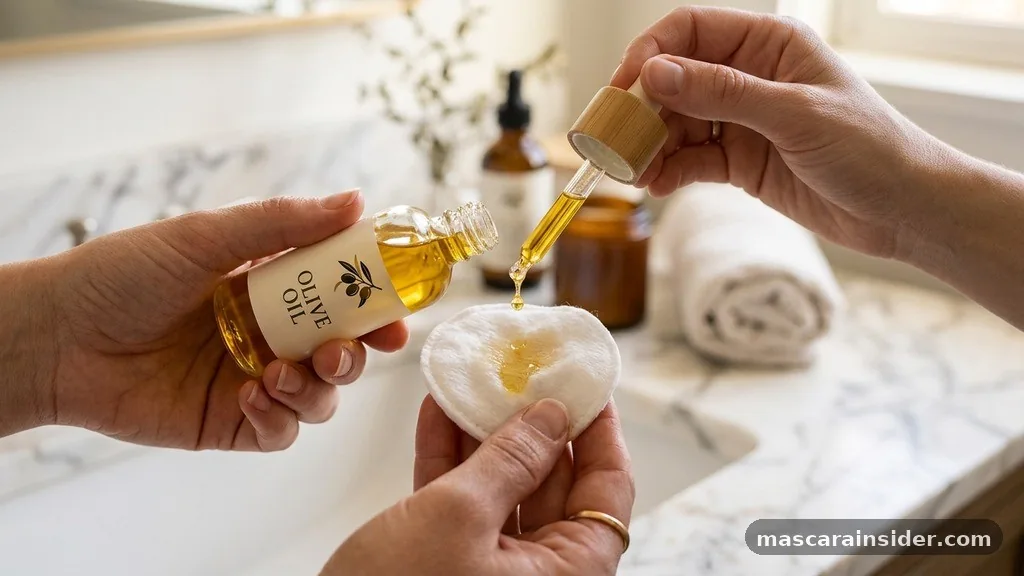
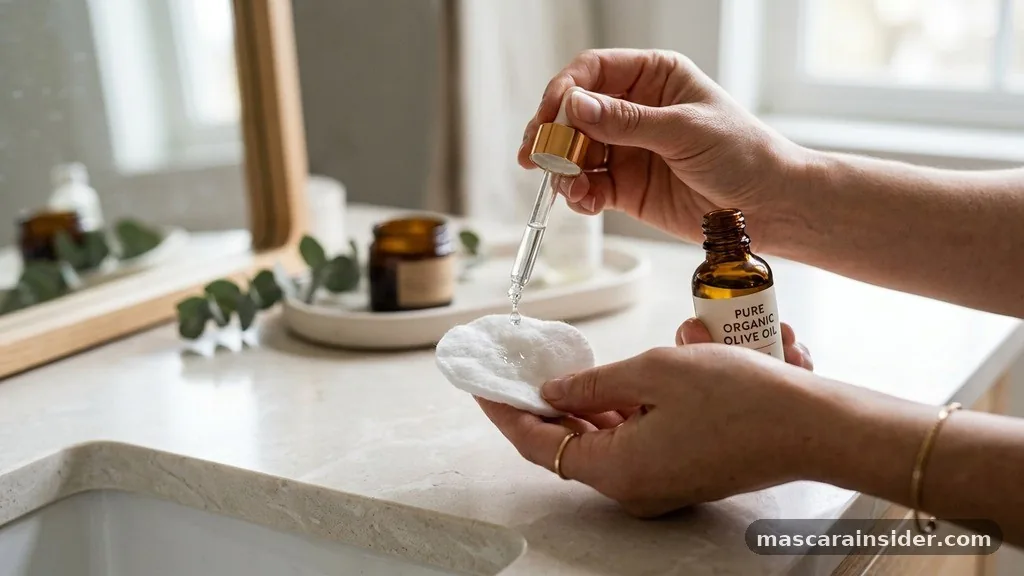
When you need to remove mascara without professional products, your kitchen pantry is often the best place to look. Oils are naturally adept at breaking down the waxes and polymers found in most mascara formulas, including stubborn waterproof versions. Cold-pressed coconut oil is a popular choice because it has a low melting point and is highly effective at dissolving makeup on contact.
To use it, simply take a small amount between your fingertips, warm it up, and gently massage it over your closed eyelids. The oil works by softening the dried mascara, allowing it to slide off your lashes without the need for harsh scrubbing.
Jojoba oil is another excellent option because its chemical structure closely mimics the natural sebum produced by your skin. This makes it particularly safe for those prone to ocular irritation or those with sensitive skin. Because it is thinner than coconut oil, it penetrates the lash strands more easily, ensuring that even the tiny bits of makeup residue tucked near the lash line are loosened.
Always ensure you are using pure, cold-pressed oils rather than cooking blends containing additives or fragrances that could sting your eyes. After massaging the oil in, use a damp cloth to wipe away the dissolved product, moving in a downward motion to protect your lash health.
The Role of Petroleum Jelly in Lash Care
Petroleum jelly is a classic beauty hack that has been used for decades to help with makeup removal. It creates a thick barrier that traps the mascara, essentially lifting it away from the hair shaft.
Because it is an occlusive, it doesn’t just clean; it also conditions the lashes, which can help prevent eyelash breakage during the removal process. If you have a tub of this in your bathroom cabinet, you already have a reliable tool for late-night makeup removal.
To apply it, use a clean finger or a cotton swab to dab a small amount along your upper lash line. Let it sit for about thirty seconds—this brief wait is crucial as it allows the jelly to soften the dried mascara. Once the product has softened, gently stroke your lashes with a cotton pad or a soft tissue.
You will notice the mascara coming off in clumps rather than smearing across your face. It is important to avoid getting large amounts of jelly directly into your eye, as this can cause temporary blurriness, though it is generally non-toxic and safe for the skin.
Why Warm Water and Gentle Friction Matter
Many people underestimate the power of warm water when they are stuck without specialized cleansers. While water alone won’t dissolve waterproof formulas, it is remarkably effective at loosening standard, water-soluble mascara.
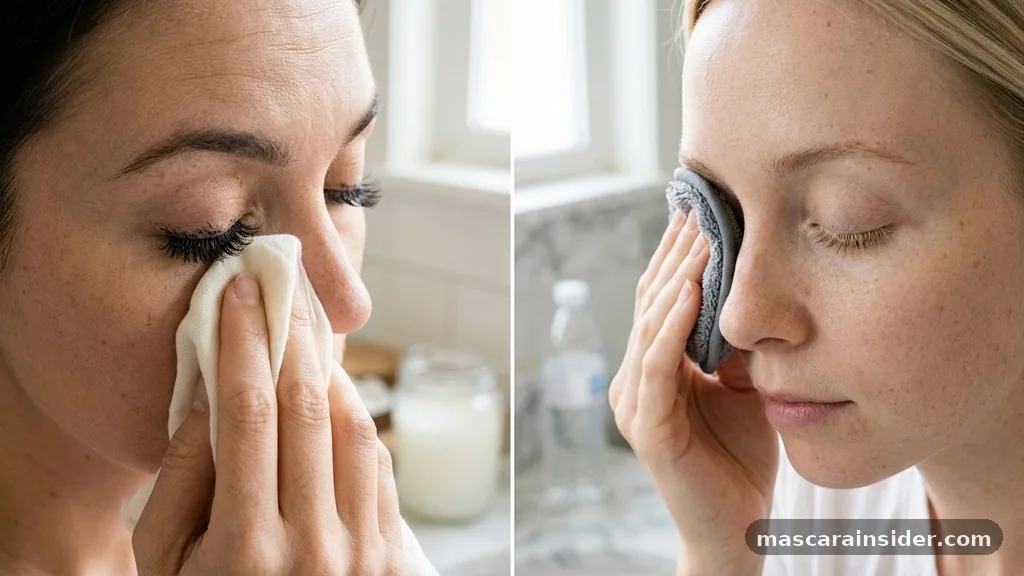
The warmth helps to expand the hair shaft slightly and soften the hardened film of the mascara. By soaking a soft washcloth in comfortably hot water—not scalding—and pressing it against your eyes for a minute, you create a mini steam treatment that makes the removal process significantly easier.
Once the lashes are softened by the steam, you can use the damp cloth to gently nudge the mascara off. Avoid pulling or tugging at your lashes, as this is the primary cause of damage and thinning over time. If the mascara is particularly stubborn, repeat the warm compress step.
This method is the safest for people with extremely reactive skin who want to avoid introducing new oils or chemicals to their routine. It focuses on mechanical removal, which is gentle when done with patience and the right amount of moisture.
Addressing Topical Gaps in Makeup Removal
When discussing how to take off mascara without makeup remover, many sources focus only on the “what” and ignore the “how to prevent damage.” A common gap in existing advice is the lack of focus on the transition from the removal process to the final cleansing step. Simply wiping away oil or jelly isn’t enough; you must ensure the area is properly cleaned to prevent clogged pores or milia.
Common Mistakes to Avoid During Cleanup
* Scrubbing horizontally, which tangles lashes and increases the risk of fallout.
* Using rough paper towels that can scratch the delicate skin around the orbital bone.
* Leaving residual oil on the eyelids, which can lead to morning puffiness.
* Ignoring the lower lash line, where “raccoon eyes” often hide.
By incorporating a secondary cleanse with a mild facial wash, you ensure that no greasy film remains. This step is vital for those who are acne-prone or have oily skin, as leftover oil can lead to breakouts along the lash line.
Furthermore, always finish by patting the area dry with a clean towel. Never rub the skin, as the area around the eyes is the thinnest on the face and most susceptible to premature wrinkling and irritation.
Comparing Removal Methods for Different Lash Types
Choosing the right method often depends on the type of mascara you are wearing and your personal skin type. Not all removal techniques yield the same results for everyone, so understanding the mechanics of each substance helps you make an informed decision.
| Method | Best For | Key Benefit |
|---|---|---|
| Cold-pressed coconut oil | Dry or dehydrated skin | Deep moisturizing properties |
| Petroleum jelly | Stubborn waterproof mascara | Strong barrier for easy lifting |
| Jojoba oil | Sensitive skin | Non-comedogenic and lightweight |
| Warm water compress | Standard water-soluble formulas | Zero chemical risk |
Each of these options offers a specific advantage. For instance, while coconut oil is excellent for hydration, it may be too heavy for someone with very oily skin.
Conversely, a warm water compress is universally safe but requires more time and patience. Assessing your own needs allows you to select the method that feels most comfortable and effective for your specific routine.
Ensuring Long-Term Lash Health
The way you treat your lashes during removal directly impacts their density and strength in the long run. Constant tugging, pulling, or using harsh soaps can lead to brittle lashes that break easily.
When you choose to remove mascara without traditional products, you are often choosing a more natural, nourishing route. Oils like jojoba or coconut provide a conditioning treatment while they clean, which can actually leave your lashes looking healthier than they would after using alcohol-based makeup removers.
Always be mindful of the tools you use. If you are using a cloth, make sure it is microfiber or soft cotton. If you prefer using your fingers, ensure they are thoroughly washed to avoid transferring bacteria to your eyes.
The goal is to facilitate eyelid cleansing without damaging the hair follicles. By being gentle, you prevent the premature loss of lashes, which is a common complaint among those who wear heavy makeup daily. Consistency in your technique is just as important as the substance you use for the actual removal.
Preventing Ocular Irritation and Sensitivity
The skin around the eyes is notoriously sensitive, and many commercial makeup removers contain fragrances or preservatives that trigger reactions. When you opt for DIY removal methods, you have total control over the ingredients.
However, you must still be cautious. Even natural oils can cause issues if they get inside the eye, leading to a cloudy film or temporary discomfort.
To minimize the risk of ocular irritation, always apply your chosen oil or lubricant to the lashes themselves, starting from the base and working toward the tips. Do not apply a thick layer directly onto the eyelid skin if you find it tends to clog your pores. If you experience any stinging or redness, discontinue the method immediately and rinse the area with cool, clean water.
Using high-quality, pure ingredients is the best way to safeguard your health. When in doubt, a simple warm water compress is the most hypoallergenic path available.
The Importance of Emulsification
One of the reasons an oil-based cleanser or a gentle cleansing balm works so well is the process of emulsification. This is the chemical interaction where the oil grabs onto the pigments of the mascara and then turns into a milky consistency when mixed with water. While household oils like coconut or jojoba do not contain emulsifiers, you can mimic this effect by ensuring your face is slightly damp before you apply the oil.
By applying oil to damp lashes, you assist the process of lifting the mascara off the skin. Once you are ready to rinse, adding a bit more warm water helps to break the oil down so it can be wiped away more cleanly.
This simple adjustment makes your DIY removal method feel much more professional and effective. It prevents that “greasy” feeling that often accompanies using plain oil, ensuring that your skin feels clean and refreshed rather than heavy and coated.
Conclusion: Maintaining a Healthy Routine
Mastering how to take off mascara without makeup remover is an essential skill for any beauty enthusiast. By relying on simple, effective ingredients like cold-pressed oils or the gentle power of warm water, you can protect your lashes from damage and keep your eye area healthy.
Remember that the key to success lies in patience; let the product soften the mascara before you attempt to wipe it away. This gentle approach prevents the tugging that leads to breakage and irritation.
Whether you are in a pinch or simply looking for a more natural way to cleanse, these methods offer a reliable solution. By incorporating these techniques, you ensure that your lashes remain strong and your skin stays clear.
Keep your supplies simple, focus on gentle motions, and you will never have to worry about running out of store-bought cleanser again. Feel free to experiment with these options to see which one leaves your eyes feeling the most comfortable and refreshed tonight.
FAQ
Does petroleum jelly effectively remove waterproof mascara?
Yes, its thick, occlusive nature breaks down stubborn waterproof waxes, making it a highly effective DIY remover.
Can I use plain water to remove all types of mascara?
No, water only works for water-soluble formulas; it cannot break down the polymers in waterproof or smudge-proof products.
Is it safe to use coconut oil around the eyes?
It is generally safe for most, but those prone to clogged pores should use it sparingly near the lash line.
How can I avoid pulling out lashes while cleaning?
Always saturate the lashes with oil or warm water, let them sit, and wipe downward rather than scrubbing horizontally.
Will these methods cause blurry vision?
Oils can temporarily blur vision if they enter the eye, but this is harmless and fades quickly with blinking.
Are these methods suitable for contact lens wearers?
Yes, but you should remove your lenses first to prevent oil residue from coating them and causing persistent cloudiness.
What is the best way to clean the lower lash line?
Use a dampened cotton swab dipped in a tiny amount of oil to gently trace the lower lashes individually.


