

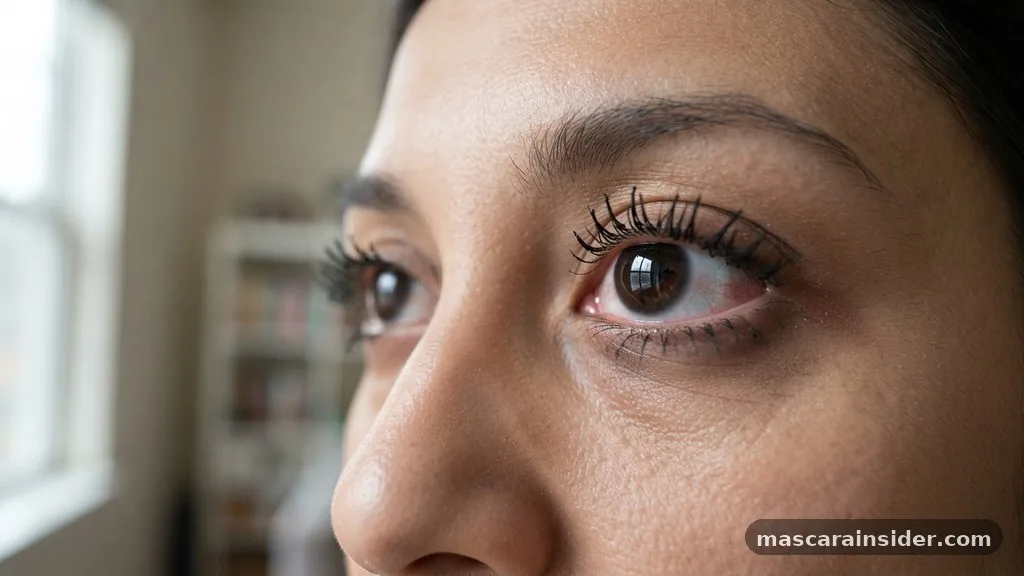
Many makeup enthusiasts wonder if their daily beauty routine poses a hidden threat to their ocular health. While applying lash color is a standard practice, considering whether is mascara bad for your eyes reveals important details about hygiene, ingredient sensitivity, and long-term habits.
Understanding how these products interact with your delicate lids and tear film allows you to enhance your appearance without compromising your sight. This discussion explores the potential risks, from minor irritation to more significant concerns like infections, while offering actionable advice to keep your eyes healthy, bright, and comfortable regardless of how often you prefer to wear makeup.
The Biological Impact of Daily Mascara Use
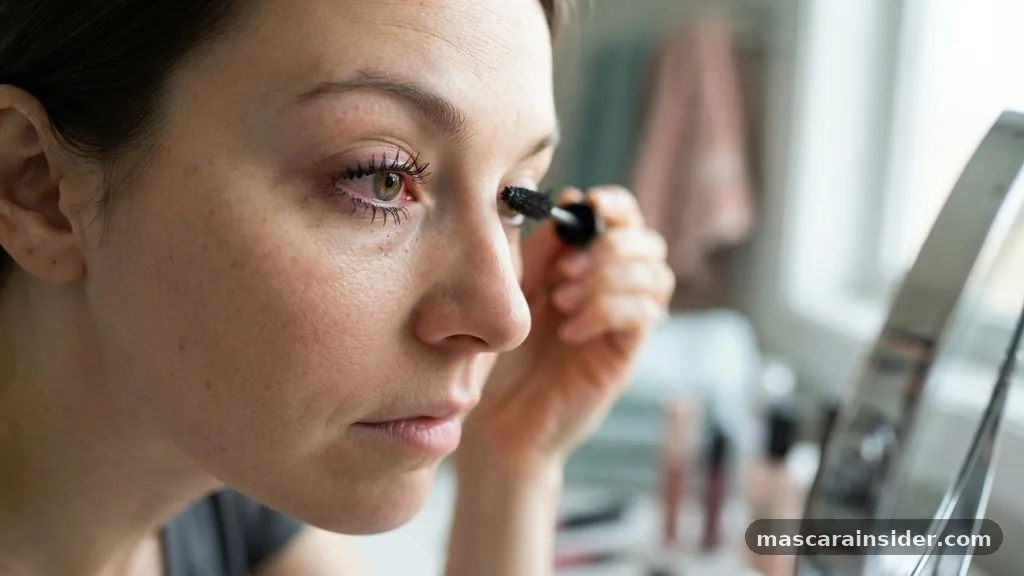
Determining if is mascara bad for your eyes starts with understanding how these formulas interact with the ocular surface. When you apply product to your lashes, you are essentially placing chemicals, waxes, and pigments just millimeters away from your eyes. The primary concern is not necessarily the makeup itself, but how it interacts with the meibomian glands.
These tiny oil-producing glands line the eyelid margin and are responsible for keeping your tears from evaporating too quickly. If your mascara is too thick or isn’t removed properly, it can lead to follicular obstruction, which prevents these glands from functioning correctly. Over time, this blockage can result in dry eye symptoms, discomfort, and even chronic irritation.
Furthermore, the physical act of applying and wearing mascara can contribute to lash breakage if the formula is too stiff or if you are overly aggressive during removal. Brittle lashes are more prone to falling out, which can leave your eyes feeling vulnerable to dust and debris.
Most people notice that when they stop using heavy, waterproof formulas for a few days, their lashes feel more flexible and their lids feel less tight. It is also important to consider that the skin around the eyes is the thinnest on the body, making it exceptionally susceptible to reactions from harsh ingredients or frequent friction.
Common Ingredients and Potential Sensitivities
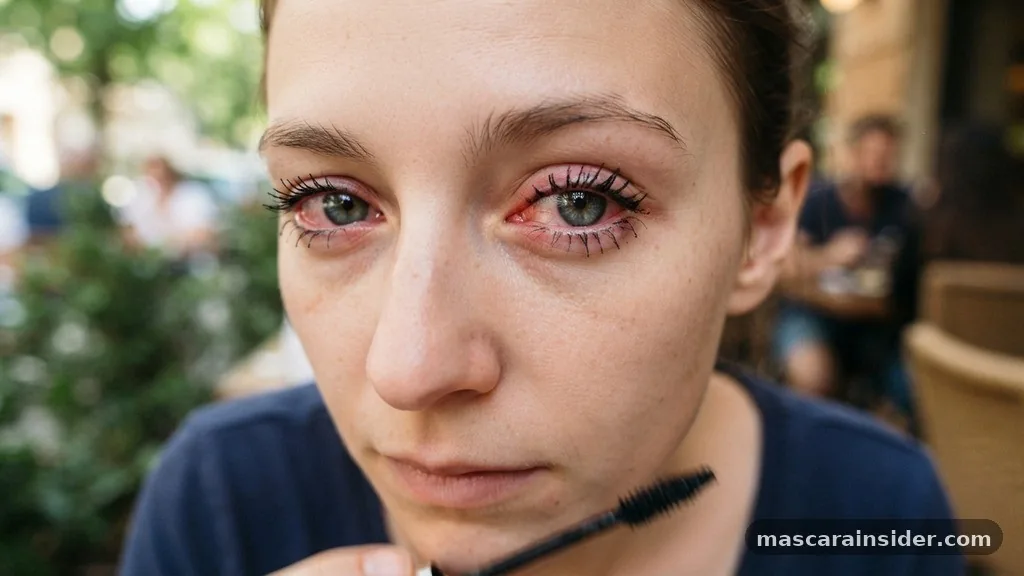
When you investigate whether is mascara bad for your eyes, you must look closely at the ingredient label. Many traditional formulas contain petroleum distillates or parabens, which are used to improve texture and shelf life but can cause significant reactions in sensitive individuals.
Parabens are known preservatives that some people avoid due to potential hormonal disruption, though the primary immediate concern for eye health is allergic contact dermatitis. This condition manifests as red, swollen, or itchy eyelids, which can then spread to the eye itself, leading to secondary infections or chronic inflammation if left unaddressed.
Not all products are created equal, and switching to a hypoallergenic mascara can make a world of difference. These formulas are typically free from common irritants like fragrance and certain dyes that trigger sensitivities. If you wear contact lenses, you need to be even more vigilant.
The makeup particles can migrate into the eye, get trapped behind the lens, and cause severe contact lens irritation or even corneal abrasions. Choosing a formula that is ophthalmologist-tested is not just a marketing claim; it often means the product is less likely to cause a inflammatory response on the delicate tissues of the eye.
The Dangers of Bacterial Growth and Product Aging
One of the most overlooked factors when evaluating if is mascara bad for your eyes is the inevitable bacterial growth that occurs within the tube. Every time you pull the wand out and put it back in, you introduce air and potentially skin bacteria into the product. Because mascara is a liquid medium, it provides an ideal environment for microbes to thrive once the seal is broken.
If you have ever experienced a case of conjunctivitis or a stye, it is highly probable that a contaminated wand was a contributing factor. The dark, moist interior of a mascara tube is a breeding ground that can persist long after you think the product is fresh.
Following the expiration date is non-negotiable for eye health. Most manufacturers recommend replacing your mascara every three months, regardless of how much product remains in the container. Using expired makeup significantly increases the risk of eye infections because the preservatives in the formula lose their efficacy over time.
If you notice a change in smell, texture, or if the product starts to clump more than usual, it is time to discard it immediately. Never share your mascara with friends, as this is the fastest way to transmit bacteria from one person’s eye to another’s.
Establishing a Proper Makeup Removal Routine
A primary cause of eye issues is incomplete makeup removal at the end of the day. Leaving pigment residue on your lashes or along the lash line overnight is a recipe for irritation. When makeup remains, it can migrate into the eye while you sleep, causing morning crustiness and inflammation.
Many people find that using oil-based cleansers is the most effective way to break down waterproof or long-wear formulas without scrubbing. Harsh rubbing is the enemy of both your lashes and your skin, so opt for a gentle, melting balm or a micellar water specifically formulated for the eye area.
| Feature | Impact on Eye Health |
|---|---|
| Waterproof Formulas | Higher risk of gland blockage |
| Daily Removal | Essential for preventing infection |
| Expiration Date | Critical to avoid bacterial growth |
| Hypoallergenic Options | Reduces risk of allergic reactions |
Addressing Topical Gaps: Chronic Conditions
A common question is whether your beauty habits can cause long-term conditions like blepharitis. This inflammatory condition of the eyelid margin is often exacerbated by poor hygiene or the buildup of cosmetic residue. If you suffer from frequent red, irritated, or flaky eyelids, you should consult an ophthalmologist to determine if your makeup is the culprit.
Sometimes, the issue isn’t just the product, but the way it interacts with your existing tear film quality. If your eyes are already dry or prone to inflammation, switching to a high-quality, tubing mascara that washes off with warm water might be a better alternative than traditional pigment-heavy options that require heavy scrubbing.
Practical Tips for Safer Eye Makeup Habits
To ensure you are minimizing risks, focus on how you apply and store your products. Avoid pumping the wand in and out of the tube, as this forces air inside and hastens the degradation of the formula. Instead, gently swirl the wand inside to pick up the product.
If you find your eyes watering frequently after application, stop using that specific product immediately; your body is telling you that a chemical in the formula is incompatible with your ocular health. Always apply mascara from the middle of the lash to the tip rather than the root to keep the product away from your lash line and the sensitive meibomian glands.
Finally, prioritize your eye health by creating “makeup-free days.” Giving your eyes a break allows the ocular surface to recover from any minor irritation caused by daily wear. If you notice persistent redness, itching, or pain, see a professional rather than hoping it clears up on its own.
While the question of is mascara bad for your eyes doesn’t have a simple “yes” or “no” answer, it is clear that mindful usage and strict hygiene standards are the best defenses. By being selective about ingredients and diligent with your nightly cleaning routine, you can safely enjoy the look you want without sacrificing your vision or comfort.
Frequently Asked Questions
Is it safe to wear mascara every day?
It is generally safe, provided you prioritize proper hygiene, remove it thoroughly each night, and replace tubes frequently.
Can mascara cause long-term damage to eyes?
Chronic misuse or poor removal can lead to blocked glands, persistent dry eye, and recurring infections like conjunctivitis.
Why do my eyes feel tired after wearing makeup?
This often results from product migration into the eye or physical strain from the weight of heavy, clumpy formulas.
Is waterproof mascara worse for eye health?
Yes, it is often harder to remove, requiring more friction and harsh cleansers that can irritate the eyelid margin.
How often should I replace my mascara?
You should replace your mascara every three months to prevent the accumulation of harmful bacteria and product degradation.
What should I do if my eyes get infected?
Stop using all eye makeup immediately, discard the contaminated products, and consult an eye doctor for appropriate treatment.
Are expensive mascaras safer than budget ones?
Not necessarily; safety depends on the specific ingredients, your personal sensitivities, and how strictly you follow hygiene practices.


