

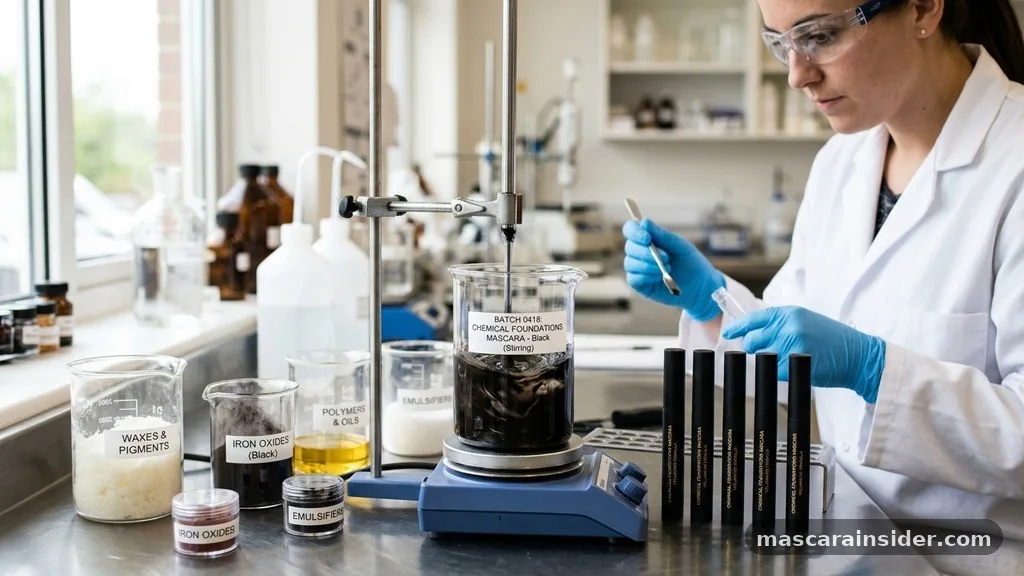
Understanding how is mascara made reveals a sophisticated blend of chemistry and cosmetic engineering designed to coat, darken, and lengthen individual hairs. At its core, this makeup staple is an emulsion, meaning it is a stable mixture of oil and water that would normally separate if not for the inclusion of specific chemical stabilizers. Manufacturers create these formulas in highly controlled environments to ensure that the finished product remains smooth, effective, and safe for the sensitive skin around your eyes.
The Chemical Foundations of Mascara
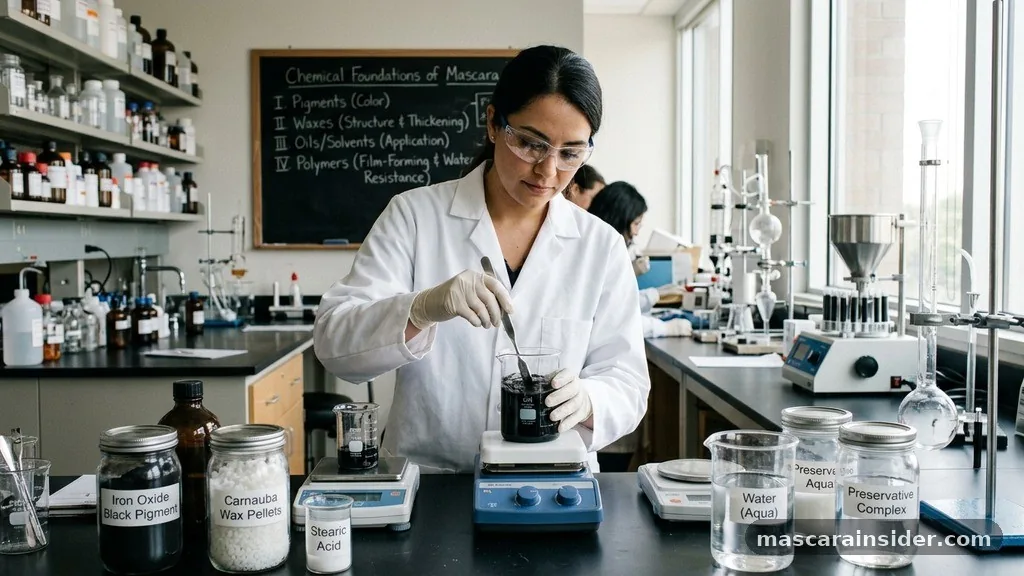
Mascara production relies on a precise balance of ingredients that provide structure, color, and longevity. The primary components function together to ensure the product adheres to your lashes without flaking or smudging throughout the day.
At the heart of the mixture are waxes, which provide the body and texture necessary for lash thickening. Common choices include beeswax, carnauba wax, and paraffin.
These ingredients create the structure of the formula, allowing it to grip each hair while providing a flexible, waxy coating. To keep these ingredients from separating, chemists rely on emulsifiers like triethanolamine, which bridge the gap between the water-based and oil-based components, ensuring emulsion stability.
Key Ingredients in Modern Formulations
The visual impact of your makeup depends heavily on the quality and concentration of its colorants. Beyond the structure, the formula must be preserved to prevent bacterial growth, especially since it is used near the eyes daily.
The Role of Pigments and Preservatives
The deep, dramatic color you expect from your favorite tube comes from pigments, most notably iron oxides. These minerals are finely milled to ensure a smooth application that doesn’t clump or look gritty.
Because mascara is an aqueous environment, it is highly susceptible to microbial contamination. Therefore, preservatives are essential, though many brands have moved away from traditional parabens to meet modern consumer preferences for “clean” beauty standards.
Film-Forming Polymers for Longevity
To keep the product from running when you encounter moisture, manufacturers add film-forming polymers. These compounds undergo a process of polymerization on the surface of the lash, creating a thin, water-resistant barrier. This mechanism is what separates long-wearing or waterproof formulas from standard water-soluble versions.
| Ingredient Category | Primary Function | Common Examples |
|---|---|---|
| Waxes | Texture & Structure | Beeswax, Carnauba |
| Pigments | Color Intensity | Iron Oxides |
| Polymers | Adhesion & Resistance | Acrylates Copolymer |
| Emulsifiers | Stability | Triethanolamine |
The Industrial Manufacturing Process
Once the formula is perfected in a laboratory, the production moves to large-scale manufacturing facilities. This process is strictly regulated to maintain hygiene and batch consistency.
The procedure typically begins by heating the waxes and oils in a large mixing vessel until they reach a molten state. In a separate container, the water-based ingredients—including the pigments and thickeners—are heated and mixed.
Once both phases are prepared, they are combined under high-shear agitation. This intense mixing force ensures the emulsion is uniform and stable.
After the mixture cools, active ingredients or volatile compounds are added. The bulk mascara is then transferred to specialized filling machines.
These machines pump the thick, viscous liquid into individual tubes. Finally, the wand applicator is inserted, and the unit is sealed and labeled for retail distribution.
Common Myths and Topical Gaps
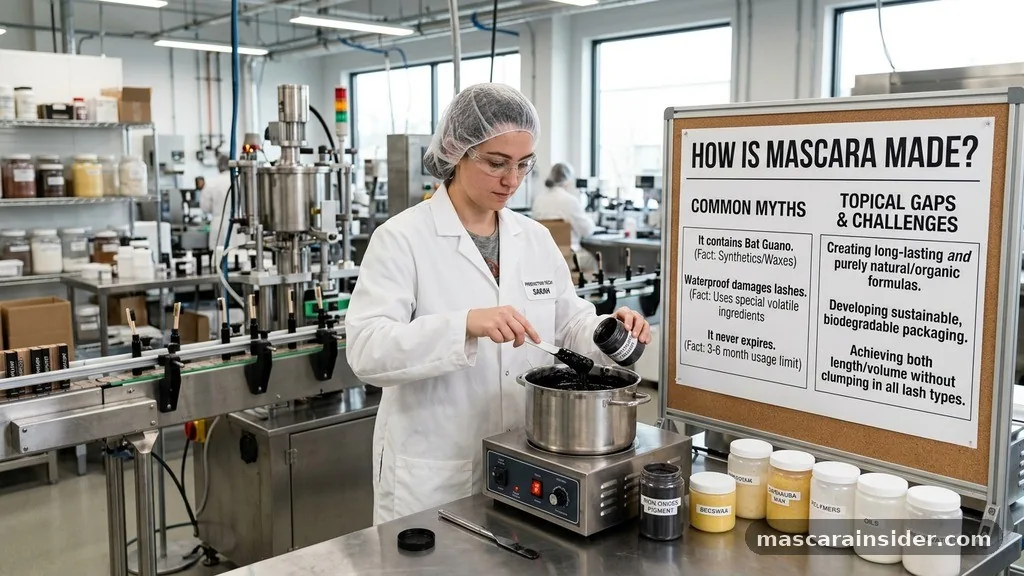
There is a persistent urban legend suggesting that mascara contains bat guano. You can rest easy knowing this is entirely false; the confusion likely stems from the historical use of guanine, a pearlescent substance found in fish scales, which was sometimes used in cosmetics for shimmer.
Another common question involves why the formula sometimes dries out or changes consistency over time. Exposure to air, or “pumping” the brush inside the tube, forces oxygen into the container.
This accelerates the degradation of the emulsifiers and causes the water content to evaporate, leading to a clumpy, unusable product. Experts recommend replacing your tube every three months to avoid eye infections and ensure the best application results.
Quality Control and Safety Testing
Before any batch hits the shelves, it must undergo rigorous safety checks. Because the eyes are highly sensitive, manufacturers perform microbial testing to ensure no pathogens like Staphylococcus or Pseudomonas are present in the final product.
* Stability testing: Samples are placed in extreme temperatures to ensure the formula doesn’t separate.
* Performance testing: Automated brushes test the consistency of the pigment application.
* Irritation testing: Dermatological and ophthalmological reviews confirm the formula is safe for contact lens wearers.
* Packaging integrity: Seals are checked to ensure the tube remains airtight, preventing premature drying.
Evolution of the Wand Applicator
The delivery system is just as important as the liquid itself. The wand applicator has evolved from simple wire brushes to sophisticated molded plastic designs.
These newer designs use varying bristle lengths and shapes to separate lashes while coating them from root to tip. The geometry of the brush determines whether the result is lengthening, volumizing, or curling, making the physical design of the applicator as critical to the final look as the chemical formula inside the tube.
Summary and Final Thoughts
Learning how is mascara made reveals that your favorite beauty product is a sophisticated piece of chemical engineering. From the careful selection of waxes and pigments to the precision of film-forming polymers, every ingredient serves a specific purpose in creating the perfect lash look.
Understanding these components helps you make better choices about what you apply near your eyes and how to care for your products to keep them fresh. If you found this breakdown helpful, consider exploring the chemistry of other makeup essentials or checking your current products for ingredient quality.
Is mascara made of bat poop?
No, that is a myth. Mascara uses synthetic or mineral-based ingredients, never bat guano or waste products.
What is the main ingredient of mascara?
Water is usually the primary ingredient, followed by waxes and pigments like iron oxides for color.
Why does mascara dry out so fast?
Pumping the wand into the tube introduces air, which evaporates the water and ruins the emulsion stability.
Are parabens still used in all mascaras?
Many modern brands have removed parabens, opting for safer, alternative preservatives to satisfy consumer demand for safety.
Can I keep my mascara for more than three months?
It is not recommended, as preservatives break down, increasing the risk of eye infections and bacterial buildup.
Does the wand shape actually matter?
Yes, the wand design dictates how much product is deposited and how well the lashes are separated.
What makes mascara waterproof?
The addition of specialized polymers creates a water-resistant film that prevents the pigment from washing away easily.


