

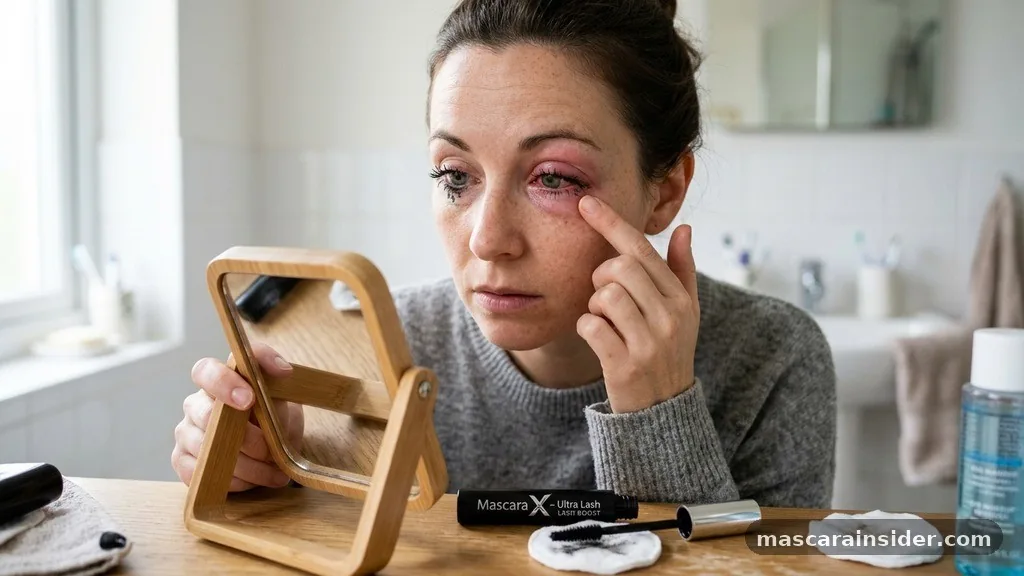
Discovering that you might be dealing with a reaction to your eye makeup can be incredibly frustrating, especially when it leaves your eyes feeling raw and irritated. If you have ever wondered can you be allergic to mascara, the short answer is yes, it is a common reality for many individuals with sensitive skin.
Whether it manifests as subtle itching or pronounced swelling, identifying the culprit is the first step toward relief. This article breaks down the specific ingredients responsible for these reactions, how to distinguish them from other eye conditions, and the practical steps you can take to maintain your beauty routine without the discomfort.
Understanding the Mechanics of a Mascara Allergy
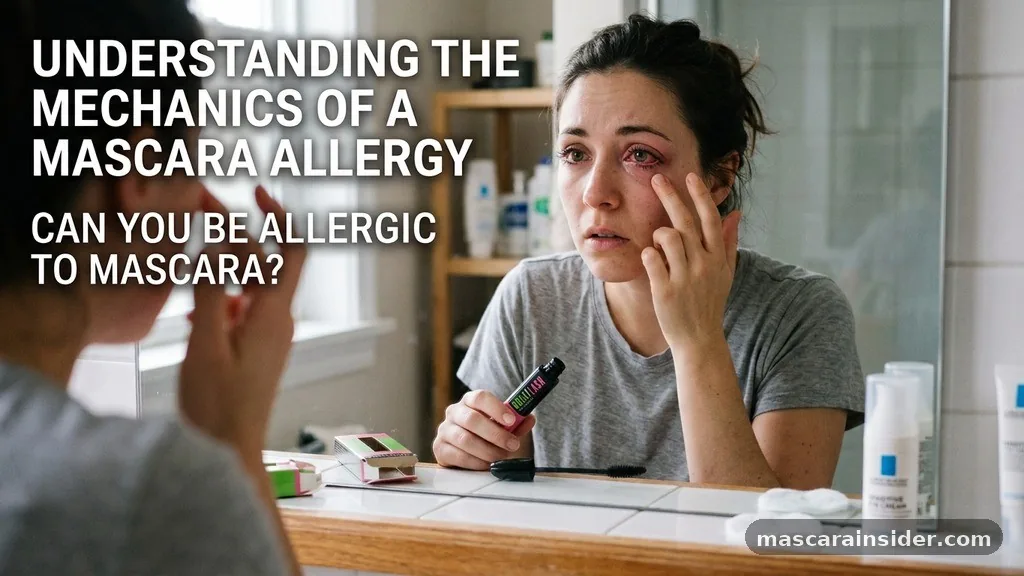
A reaction to mascara occurs when the immune system identifies a specific ingredient in the product as a threat, triggering an inflammatory response. While many people assume their eyes are just “sensitive,” the physical symptoms often align with contact dermatitis, specifically affecting the delicate skin of the eyelids. This condition arises because the skin around the eyes is the thinnest on the body, making it highly susceptible to chemical penetration.
When you apply mascara, tiny particles can flake off or migrate into the tear film, leading to ocular irritation. Your eyes may respond by increasing lacrimation, or excessive tearing, as a natural defense mechanism to flush out the perceived irritant. If you notice persistent redness, flaking, or a gritty sensation, it is possible that your chosen formula is incompatible with your ocular surface.
Common Chemical Culprits in Eye Makeup
Not all mascaras are formulated the same way, and certain preservatives or pigments are more likely to trigger a reaction than others. Manufacturers include these substances to extend shelf life, improve texture, or provide deep color, but they are not always friendly to sensitive eyes.
Potentially Irritating Ingredients
* Thimerosal: A mercury-based preservative occasionally used in eye products to prevent bacterial growth.
* Parabens: Common chemical preservatives that can cause delayed contact dermatitis in some users.
* Propylene Glycol: A humectant used to retain moisture, which can act as a potent allergen for those with sensitive skin.
* Quaternary Ammonium Compounds: These are often used as conditioning agents but are known to cause reactions in specific sensitive populations.
* Fragrances: Added to mask the smell of chemicals, these are among the most common causes of skin sensitization.
While iron oxides are generally considered safe and are used to provide the signature black or brown pigment in mascara, some people may have a rare sensitivity even to these mineral-based colorants. Always check the ingredient list if you suspect a reaction, especially if you have a history of skin allergies.
Differentiating Allergy from Infection
It is vital to distinguish between a genuine allergy and other conditions like blepharitis or a bacterial infection. While an allergy is an immune-mediated response to a chemical, blepharitis is typically an inflammation of the eyelid margins often linked to clogged oil glands or bacterial overgrowth.
| Feature | Allergic Reaction | Bacterial Infection |
|---|---|---|
| Onset | Rapid, following application | Gradual, worsening over time |
| Itching | Intense and immediate | Mild or associated with debris |
| Discharge | Clear, watery tearing | Thick, yellow, or crusty |
| Swelling | Puffy, red eyelids | Localized bumps or styes |
If your symptoms involve thick, colored discharge or if the redness is accompanied by a feverish sensation in the lid, you should skip the makeup and consult an ophthalmologist. They can perform a slit-lamp exam to determine if the issue is a simple surface allergy or something requiring medical intervention.
Addressing Topical Gaps: Why Mascara Expiration Matters
A frequently overlooked aspect of eye health is the shelf life of your beauty products. Many users ask if they can be allergic to mascara that is technically “fresh,” but the truth is that even high-quality formulas turn into breeding grounds for microbes after a few months. Once the seal is broken, the product is exposed to bacteria from your eyelashes and the environment.
Using expired mascara increases the risk of eyelid inflammation because the chemical composition of the formula changes over time. Preservatives lose their efficacy, and the product may start to contain high levels of microbial contaminants.
If you suspect an allergy, the first step is often to discard any product older than three months. Even if it hasn’t expired according to the date on the box, the act of pumping the wand introduces air and bacteria, accelerating the degradation of the stabilizing agents.
Steps to Manage and Prevent Reactions
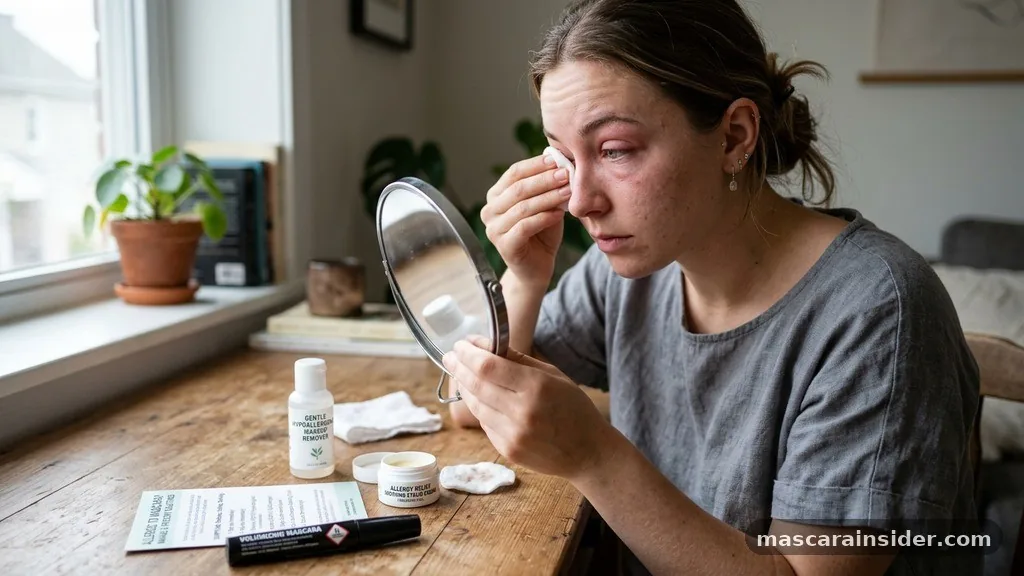
If you are determined to continue wearing eye makeup, you need to transition to a more minimalist routine. Start by eliminating products with unnecessary additives. Switching to fragrance-free cosmetics is the most effective way to reduce the likelihood of a flare-up.
Refining Your Eye Makeup Routine
1. Perform Patch Testing: Apply a small amount of the product to the inside of your elbow or behind your ear for 48 hours to check for a delayed reaction.
2. Choose a Hypoallergenic Formula: Look for products specifically labeled for sensitive eyes, which typically omit common irritants like parabens or thimerosal.
3. Optimize Eye Makeup Removal: Use a gentle, oil-free remover that doesn’t require harsh scrubbing, as mechanical irritation can worsen an existing allergic reaction.
4. Avoid Waterproof Formulas: Waterproof mascaras often contain stronger polymers and solvents that are harder to remove and more likely to stick to the eyelid skin.
5. Clean Your Lashes: Ensure your lash line is completely free of old makeup residue before applying a fresh coat.
By choosing products with fewer, higher-quality ingredients, you minimize the “chemical load” on your eyes. If you continue to experience symptoms despite these changes, you may need to undergo formal patch testing performed by a dermatologist or an allergist to identify the exact chemical triggering your immune system.
The Role of Professional Diagnosis
If your symptoms persist, do not attempt to self-diagnose indefinitely. An eye doctor can look for signs of chronic irritation that you might miss in the mirror. They can also recommend specific, medical-grade products that are verified to be safe for patients with ocular sensitivities.
Sometimes, the reaction isn’t to the mascara itself but to the way it interacts with your contact lenses. If you wear lenses, the mascara particles can get trapped between the lens and the cornea, causing significant discomfort. Always insert your contact lenses before applying your eye makeup to ensure that no stray mascara fibers get trapped beneath the lens.
Understanding the Sensitivity Threshold
It is important to recognize that your sensitivity threshold can change. Factors like hormonal fluctuations, stress, or even environmental allergies (like pollen) can make your eyes more reactive than usual. A mascara that you have used for years without incident might suddenly cause a reaction if your baseline level of inflammation is already elevated.
When this happens, it is wise to take a “makeup holiday.” Give your eyes several days or even weeks to recover completely.
Once the skin is no longer red or inflamed, you can reintroduce products one by one to see which specific item or ingredient causes the issue. Patience is your best ally in identifying the root cause of the irritation.
Closing Thoughts on Eye Health
Navigating the world of eye makeup when you have sensitive skin requires a bit of detective work. Knowing the answer to can you be allergic to mascara is only the starting point; taking action to swap out irritating formulas and maintaining strict hygiene standards is how you protect your long-term ocular health.
By prioritizing gentle, hypoallergenic options and listening to the signals your eyes are sending you, you can still enjoy a polished look without the stinging, redness, or discomfort. If you continue to struggle with irritation despite these adjustments, prioritize a visit to an eye care professional to ensure your vision and comfort remain protected.
FAQ: Common Concerns
Can a mascara allergy appear suddenly after using the same brand for years?
Yes, your immune system can develop a sensitivity to a specific ingredient after repeated, long-term exposure.
Are waterproof mascaras more likely to cause allergic reactions?
Yes, waterproof formulas contain stronger solvents and polymers that are harder to remove, increasing the risk of irritation.
What is the best way to remove mascara if I have sensitive eyes?
Use a gentle, oil-free makeup remover and a soft microfiber cloth to avoid scrubbing the delicate eyelid skin.
Do hypoallergenic labels on mascara guarantee I won’t have a reaction?
No, “hypoallergenic” is not a strictly regulated term, so you should always check the full ingredient list yourself.
How long should I wait before replacing my mascara?
You should discard your mascara every three months to prevent bacterial growth and chemical degradation of the formula.
Can I use natural or organic mascara if I am allergic to standard brands?
Not necessarily; natural ingredients like essential oils or plant extracts can also be potent allergens for sensitive eyes.
What should I do if my eyelids are swollen after wearing mascara?
Stop using the product immediately, apply a cold compress to the area, and consult your doctor for advice.


