

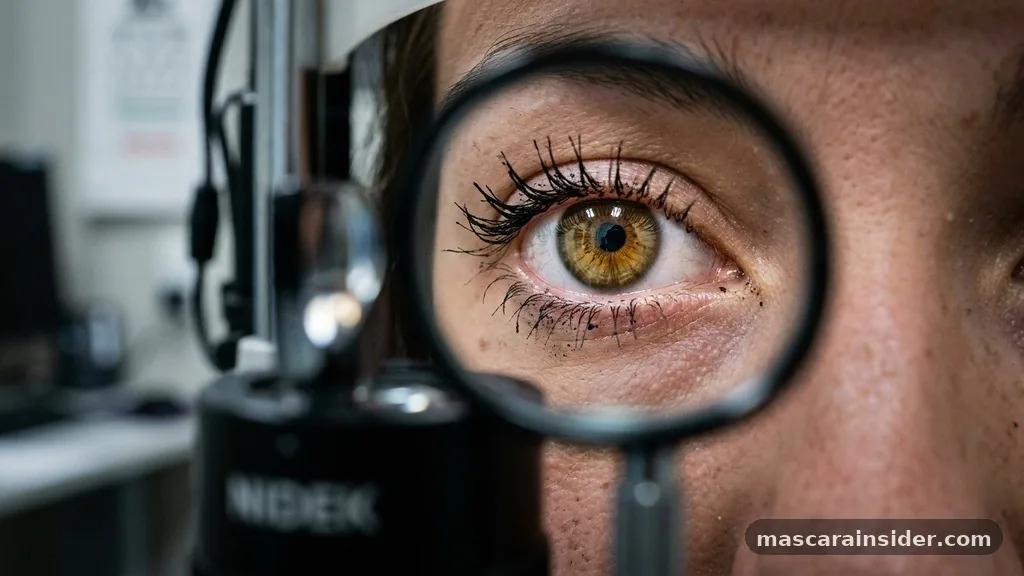
Deciding whether you can wear mascara to an eye exam is a common question, yet the answer is almost always a resounding no. While it might seem like a minor detail, your choice of cosmetics can directly interfere with the accuracy of your vision assessment. Optometrists and ophthalmologists prioritize the health of your ocular surface, and any product buildup near your lash line complicates their ability to perform a thorough check.
By arriving with a fresh face, you ensure your doctor can focus on your eye health rather than navigating smudges or debris. Understanding these simple professional standards will help you prepare for your visit effectively.
Why Makeup Affects Eye Examinations
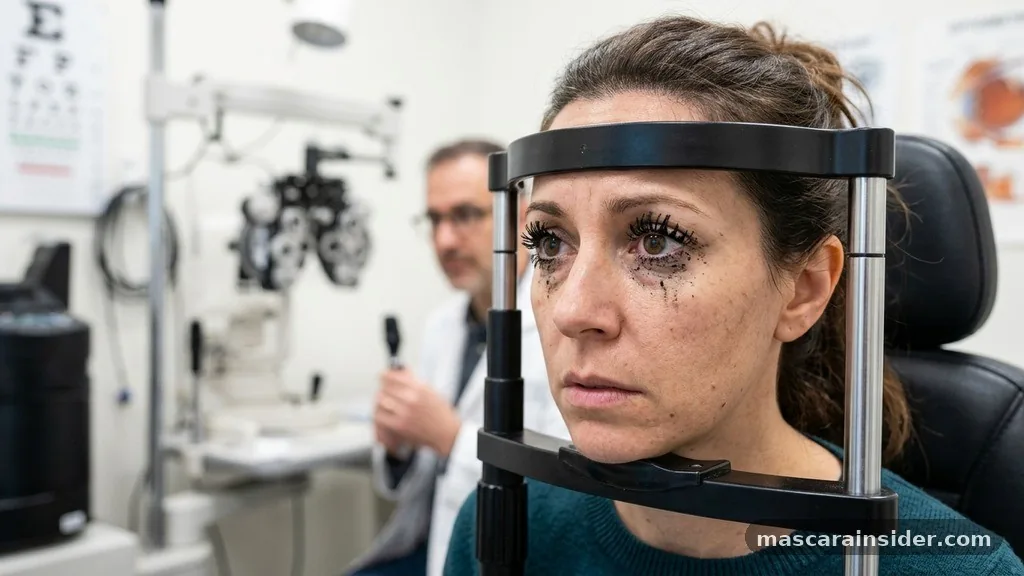
The primary reason practitioners advise against wearing cosmetics is the risk of interference with clinical equipment and diagnostic accuracy. During a comprehensive vision check, your eye doctor uses specialized tools like a slit lamp to inspect the front of the eye. This device provides a high-magnification view of your conjunctiva, cornea, and eyelids.
If you arrive wearing mascara, the tiny fibers and pigment particles can easily flake off. These act as foreign bodies that cloud the doctor’s view, potentially obscuring small abrasions or subtle changes in your eye tissue.
When you wear heavy eye makeup, it often migrates toward the tear film. This migration can lead to irritation, causing your eyes to water excessively during the exam. Excess tearing creates a refractive error, which can skew the results of your prescription testing.
If your eyes are irritated or inflamed, it becomes difficult for the doctor to determine the true baseline of your vision. Furthermore, the presence of makeup residue makes it nearly impossible to perform an accurate assessment of the meibomian glands, which are essential for tear production and comfort.
Risks of Wearing Cosmetics to the Office
Beyond the logistical challenges for the doctor, there are genuine health risks associated with wearing eye makeup during a clinical evaluation. The application of mascara or eyeliner near the waterline can introduce bacteria directly into the eye. If a doctor needs to touch your eyelids or manipulate your lashes during the exam, they could inadvertently push makeup particles into the eye, causing significant discomfort or potential scratching.
In some cases, this interaction can lead to a corneal infection or acute allergic reactions. Because an eye exam often involves close contact with medical instruments, keeping the area around your eyes clean is a non-negotiable safety standard. Patients who wear waterproof formulas are at an even higher disadvantage because these products are notoriously difficult to remove quickly if they begin to flake or smear during the testing process.
Impact on Specific Procedures
Certain diagnostic procedures are particularly sensitive to the presence of makeup. For instance, if you are scheduled for a contact lens fitting, having residue on your lashes is problematic.
The lens itself can pick up microscopic particles of pigment, which then get trapped between the lens and your cornea. This not only makes the lens uncomfortable but also increases the risk of eye health complications.
Pressure tests, such as tonometry, also require a clear, unobstructed ocular surface. When a doctor uses a tonometer to measure the pressure inside your eye, any interference from makeup or debris can lead to inaccurate readings. Even a small amount of mascara can cause a false high reading, which might lead to unnecessary follow-up testing or concern.
Considerations for False Eyelashes
Many patients wonder if considerations for false eyelashes differ from standard makeup. Whether you wear strip lashes or individual extensions, they are often more problematic than simple mascara.
The adhesive used to secure these lashes can cause severe reactions if it enters the eye during an examination. Additionally, the bulk of false lashes makes it difficult for the doctor to evert the eyelid, a common procedure used to check for internal debris or signs of chronic allergy.
If you have permanent or semi-permanent lash extensions, notify your doctor immediately upon arrival. They may need to take extra precautions to avoid damaging your extensions while examining your eyes. However, they will still likely advise you to avoid applying any additional liquid or powder products in the immediate vicinity of your lash line on the day of your appointment.
Best Practices for Your Appointment
To ensure the most accurate results, you should always follow a few simple rules when scheduling your visit. To prepare for your visit, plan your day so that you do not have to apply eye makeup at all. Arrive with a clean face, focusing on washing away any residual oils or debris from the night before. If you absolutely must wear makeup, bring a small pack of oil-free makeup remover wipes with you to the office.
If You Must Wear Makeup
Sometimes, a patient has plans immediately following an eye exam and feels they must wear cosmetics. If you must wear makeup, try to limit it strictly to the lower face. Avoid the eyelid area entirely.
If you choose to ignore this advice, be prepared to remove it in the restroom before the examination begins. Most clinics provide basic supplies, but bringing your own ensures that you don’t use harsh products that might further irritate your eyes before the doctor has a chance to look at them.
| Practice | Impact on Exam |
|---|---|
| Wearing Mascara | High risk of interference and irritation |
| Using Eyeliner | Potential for blocking tear ducts |
| False Eyelashes | Obstructs view of the eyelid margin |
| Clean Face | Allows for optimal diagnostic accuracy |
Addressing Common Misconceptions
There is a lingering belief that as long as the makeup is “waterproof” or “hypoallergenic,” it is safe for an eye exam. This is a myth.
Regardless of the brand or the formulation, all makeup contains pigments and binders that are essentially foreign objects to the delicate tissues of the eye. Even hypoallergenic products can cause a reaction if a particle slips under the eyelid.
Furthermore, some patients believe that a quick wipe of the lashes is sufficient. Unfortunately, tiny particles often remain trapped between the lash follicles.
These microscopic remnants are exactly what the doctor needs to avoid to get a clear look at your ocular health. It is always better to prioritize the clinical outcome over your aesthetic preference for a short duration.
Topical Gaps: What You Might Not Know
When researching whether you can wear mascara to an eye exam, you may find conflicting advice online. Some sources suggest that eye makeup is fine as long as it is not “heavy.” However, this is misleading.
An eye exam is not just a vision test; it is a health screening. Any substance on the skin around your eyes can alter the results of a tear film break-up time test or an analysis of your meibomian glands.
Another gap in common knowledge involves the use of eye drops. If your doctor plans to dilate your pupils, they will use several drops of medication.
If you have any makeup or oil-based products on your lids, these drops can cause the product to run into your eye, leading to blurred vision and stinging long after the exam is finished. By keeping the area completely clean, you minimize these post-exam discomforts.
Preparing for Your Vision Assessment
Beyond skipping the mascara, there are other ways to prepare for your appointment to ensure it goes smoothly. Bringing your current glasses, even if they are broken, helps the doctor understand your vision history.
If you wear contacts, bring the boxes or the prescription information. Being transparent about any symptoms you have experienced, such as dryness or headaches, is more important than your appearance on that day.
Remember that an eye doctor’s office is a medical facility. The priority is your long-term eye health.
By arriving without eye makeup, you demonstrate that you respect the doctor’s time and the necessity of accurate diagnostic data. This level of cooperation often leads to a more efficient and pleasant experience for both you and the clinical staff.
Conclusion
Preparing for your appointment by skipping mascara is a simple yet vital step in ensuring your eye health is accurately assessed. By arriving with a clean face, you remove potential barriers that could hinder your doctor’s ability to examine your conjunctiva and eyelids effectively. This proactive approach prevents unnecessary irritation and ensures that diagnostic tests provide the most reliable data for your vision prescription.
While it might be a minor inconvenience to go without makeup, the benefit of a clear, accurate, and safe examination is well worth the effort. If you have questions about your specific eye health needs, don’t hesitate to reach out to your local clinic before your next visit to discuss any concerns.
It is strongly recommended that you avoid wearing mascara to an eye exam to ensure accurate results.
What is the main reason to avoid eye makeup before an exam?
Makeup can flake into the eye, causing irritation, obscuring the doctor’s view, and leading to inaccurate diagnostic readings.
Is it okay to wear eyeliner to the eye doctor?
No, eyeliner can migrate into the eye, causing discomfort and potentially interfering with your vision and pressure tests.
Can I get an eye exam with makeup on?
While you can, it is discouraged; you will likely be asked to remove it before the examination begins.
Does wearing false eyelashes affect my appointment?
Yes, false lashes can obstruct the doctor’s view of the eyelid and may cause allergic reactions or infections.
What should I do if I must wear makeup to my appointment?
If you must wear makeup, bring oil-free wipes and remove all eye products before entering the exam room.
How long should I avoid wearing makeup after an eye exam?
If your eyes were dilated or irritated, wait until any redness or sensitivity subsides before reapplying your makeup.


