

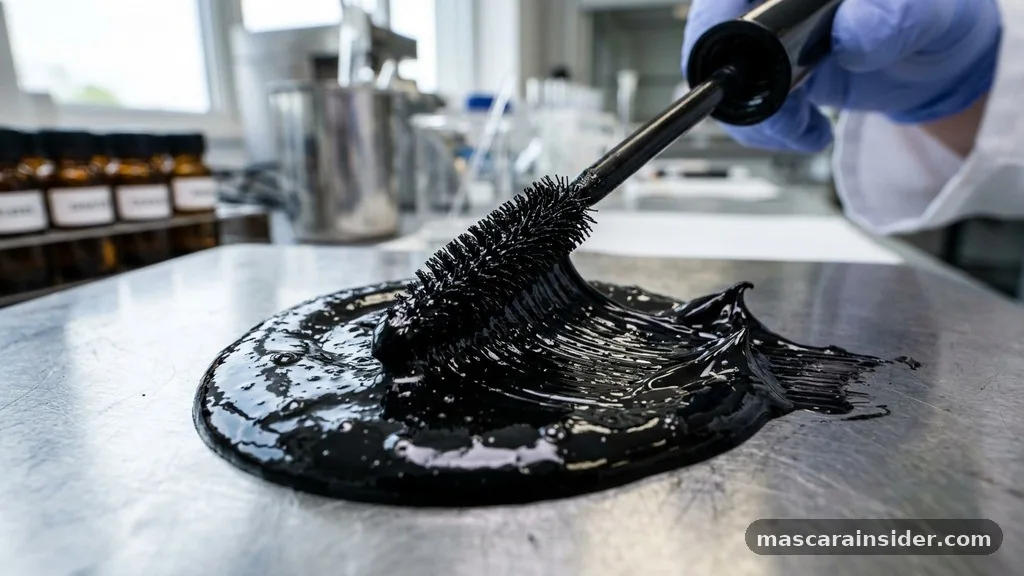
Understanding what mascara is made out of is a common curiosity for anyone who applies it to their lashes daily. While the tube sits on your vanity as a simple beauty tool, the formula inside is a complex chemical emulsion designed to coat, color, and lengthen your eyelashes.
Most people assume it is just black dye and water, but the reality involves a sophisticated blend of waxes, oils, and specialized polymers. By peeling back the label, you can better grasp how these ingredients interact with your eyes and why certain formulations perform differently than others.
The Core Composition of Mascara Formulas
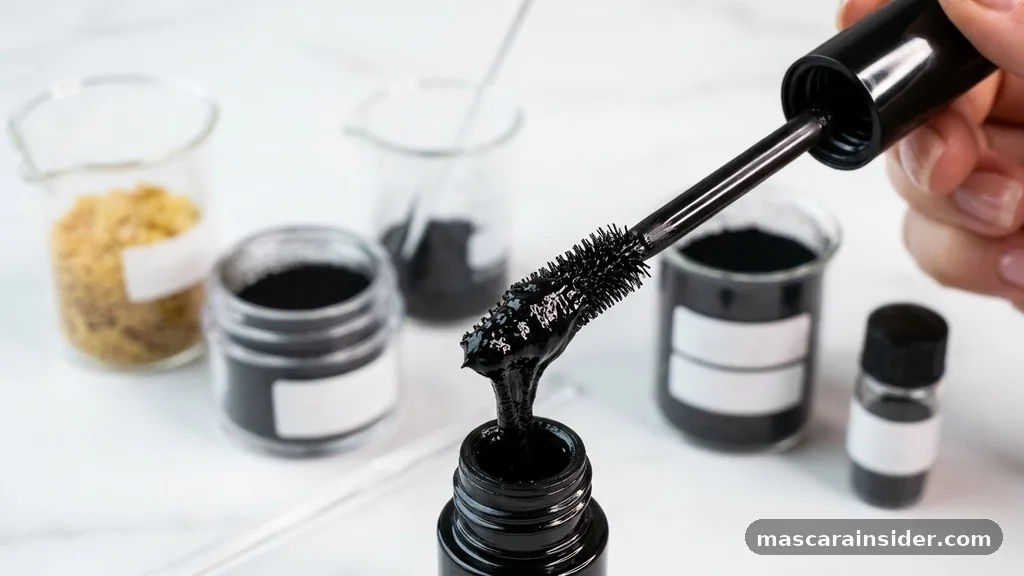
At its most basic level, mascara is a specialized emulsion. It functions by suspending solid particles, specifically pigments, within a liquid base consisting of water, oils, and waxes.
This combination is essential because it allows the product to remain fluid inside the container while drying quickly once applied to the individual lashes. Without this delicate balance of emulsifiers, the ingredients would separate shortly after production, rendering the product unusable.
Manufacturers carefully select these components to ensure the mascara can withstand the humidity of the environment while still being removable with a cleanser. The water-based portion often contains preservatives to keep the product free from bacterial growth, which is critical for long-term cosmetic safety regulations. When you look at the ingredient list, you will notice that the primary structure is designed to hold the colorant in place without causing the lashes to become overly brittle or heavy.
Waxes and Their Role in Lash Structure
Waxes are the backbone of any mascara formula. They provide the necessary body and texture that allows the product to cling to your lashes, creating that sought-after volume. Common ingredients include beeswax, which is widely favored for its natural ability to coat fibers without causing irritation.
Another popular choice is carnauba wax, derived from the leaves of a Brazilian palm tree. This specific wax is highly valued for its high melting point, which prevents your mascara from smearing or running when your body temperature rises or the weather gets warm.
Beyond these traditional waxes, formulators often incorporate synthetic alternatives to adjust the “slip” of the product. These waxes work alongside film-forming agents to lock the formula onto the lash, ensuring that the coating remains flexible rather than cracking throughout the day.
If a mascara feels too stiff or starts flaking, it is often due to the specific ratio of these waxes. By balancing soft waxes with harder, high-melting-point varieties, companies can create products that offer both volume and long-lasting wear.
Pigments and the Quest for Deep Color
When you wonder what mascara is made out of regarding its color, the answer almost always points to mineral-based compounds. Iron oxides are the primary agents used to achieve those deep, rich black or brown shades that define the product. These minerals are safe, stable, and highly effective at providing opaque coverage. In some instances, carbon black is used to achieve an even deeper, more intense pigment, though this ingredient is subject to strict regulatory oversight due to its chemical nature.
The process of milling these pigments is just as important as the pigments themselves. For a smooth application, the color particles must be ground into an extremely fine powder.
If the particles are too large, the mascara will appear gritty or clump up on the brush. By dispersing these fine pigments into the wax-and-water emulsion, chemists ensure that every stroke of the wand deposits a uniform layer of color along the entire length of the lash.
Polymers and Synthetic Resins for Longevity
Modern mascara needs to do more than just add color; it needs to stay put. This is where polymers and synthetic resins come into play. These chemical compounds create a microscopic, flexible film over the lashes once the water in the formula evaporates.
This film is what gives the mascara its water-resistant or smudge-proof properties. Without these advanced ingredients, your mascara would likely transfer onto your eyelids within an hour of application.
These agents also contribute to the “lash-thickening” effect that many consumers look for. By building up layers of these polymers, the product can effectively increase the diameter of each individual lash.
It is a balancing act of chemistry: the film needs to be strong enough to resist moisture but flexible enough to move with your eyelashes as you blink. If the polymers are too rigid, the lashes feel stiff and uncomfortable, which is why high-end formulations often include conditioning agents to soften the overall effect.
The Role of Emulsifiers and Preservatives
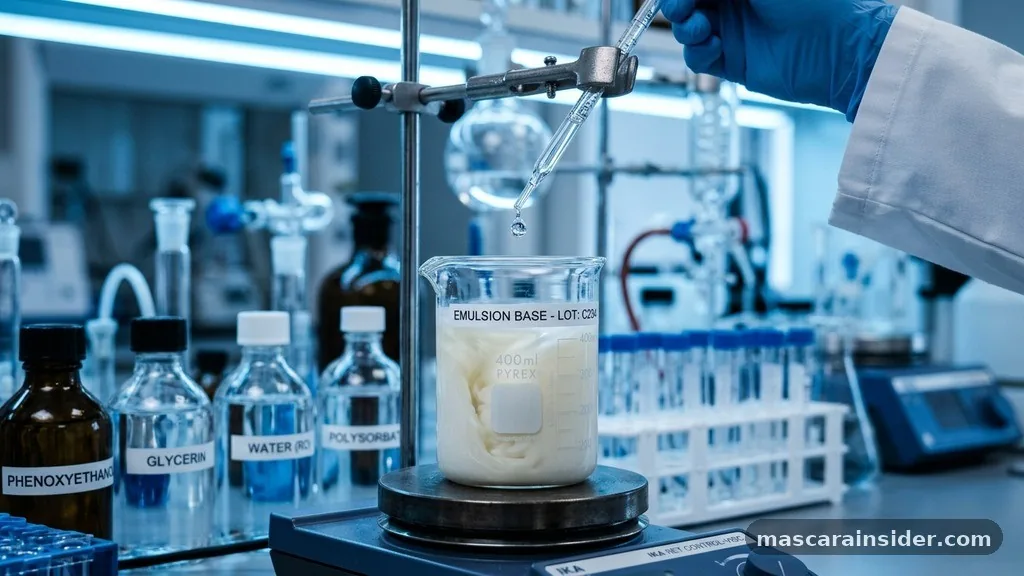
Because mascara contains both water and oils, it requires emulsifiers to prevent the two from separating. These ingredients act as a bridge between the polar water molecules and the non-polar oil and wax components.
Without them, your mascara would quickly turn into a watery, oily mess. The choice of emulsifier is vital for the texture of the product; some create a creamy, thick consistency, while others result in a thinner, more liquid-based formula that dries faster.
Equally important are the preservatives included to maintain product integrity. Given that mascara is applied near the sensitive mucosal tissue of the eye, it is prone to contamination from skin bacteria. Manufacturers use specific preservatives to prevent the growth of mold and microbes.
While some consumers have voiced concerns about parabens, many modern brands have transitioned to alternative, gentler preservative systems that still meet rigorous industry safety standards. Always check the label if you have specific sensitivities to chemical preservatives.
Common Myths About Mascara Ingredients
There is a lot of misinformation circulating about what is actually in our makeup. One of the most persistent myths is that mascara is made from “bat poop” or guano. This is entirely false.
This rumor likely stems from a misunderstanding of the word “guanine,” a shimmering pigment often derived from fish scales or synthetic sources, which is used in some cosmetics for a pearlescent effect. It has absolutely no relation to bat droppings.
Another common misconception is that mascara is made from “spider legs” or various types of bugs. While crushed beetles (carmine) have historically been used in lipsticks and blushes for red pigment, they are not a standard ingredient in black mascara.
The pigments used for darkening lashes are almost exclusively mineral-based, such as the iron oxides mentioned earlier. These myths often gain traction because they sound shocking, but they do not reflect the reality of modern cosmetic chemistry and the strict safety regulations that govern the industry.
| Ingredient Category | Primary Function | Common Example |
|---|---|---|
| Waxes | Texture and volume | Beeswax, Carnauba |
| Pigments | Color and opacity | Iron Oxides, Carbon Black |
| Polymers | Long-wear and hold | Acrylates Copolymer |
| Preservatives | Microbial safety | Phenoxyethanol |
Prioritizing Eyelash Health and Safety
When you are concerned about eyelash health, it is important to look for products that are labeled as ophthalmologist-tested. This testing ensures that the formula is unlikely to cause irritation or allergic reactions in the delicate eye area. Ingredients that are safe for the skin of your cheek might be incredibly irritating to the conjunctiva of your eye, so mascara formulas go through a much more rigorous selection process than other makeup items.
If you find that your lashes are becoming brittle, it may be time to look for a formula that includes conditioning agents like panthenol, vitamin E, or various botanical oils. These ingredients help to keep the lash hair hydrated, even when the mascara is intended for long-wear or waterproof use. Remember that no matter how clean the ingredients are, mascara should be replaced every three months to minimize the risk of bacterial buildup, which is the most common cause of eye infections related to makeup usage.
Addressing Topical Gaps in Ingredient Knowledge
Many people ask about the difference between “natural” mascara and conventional formulas. Often, the distinction lies in the source of the waxes and the type of film-forming agents used.
Natural brands may use plant-based waxes and mineral pigments but might struggle to achieve the same level of water resistance as formulas that rely on synthetic polymers. Understanding this trade-off is key to choosing a product that fits your lifestyle.
* Waterproof formulas: Rely heavily on volatile silicones and high-performance polymers.
* Tubing mascaras: Utilize specific water-soluble polymers that form “tubes” around the lash.
* Volumizing mascaras: Contain more wax and thickeners to bulk up the hair fiber.
* Lengthening mascaras: Often incorporate nylon or rayon fibers to physically extend the lash length.
Another gap often overlooked is the impact of fragrance in mascara. While most eye products are fragrance-free to avoid irritation, some older or cheaper formulations might contain scents that can trigger allergies. Always scan the ingredient list for the word “parfum” or “fragrance” if you have sensitive eyes, and opt for fragrance-free versions whenever possible to ensure the highest level of ocular comfort throughout the day.
Conclusion and Best Practices
Knowing what mascara is made out of helps you make informed choices that align with your health and aesthetic preferences. Whether you prioritize deep, long-lasting pigment or gentle, conditioning ingredients, the chemistry behind your favorite tube is designed to balance performance with safety. By paying attention to the role of waxes, polymers, and preservatives, you can better understand why certain products feel light and fluffy while others provide a heavy, dramatic coating.
Always remember to prioritize your eye health by replacing your products on time and removing your makeup thoroughly each night. If you have any concerns about specific ingredients, consulting with a dermatologist or an eye care professional is always the smartest way to ensure your beauty routine remains safe and effective for the long haul.


