

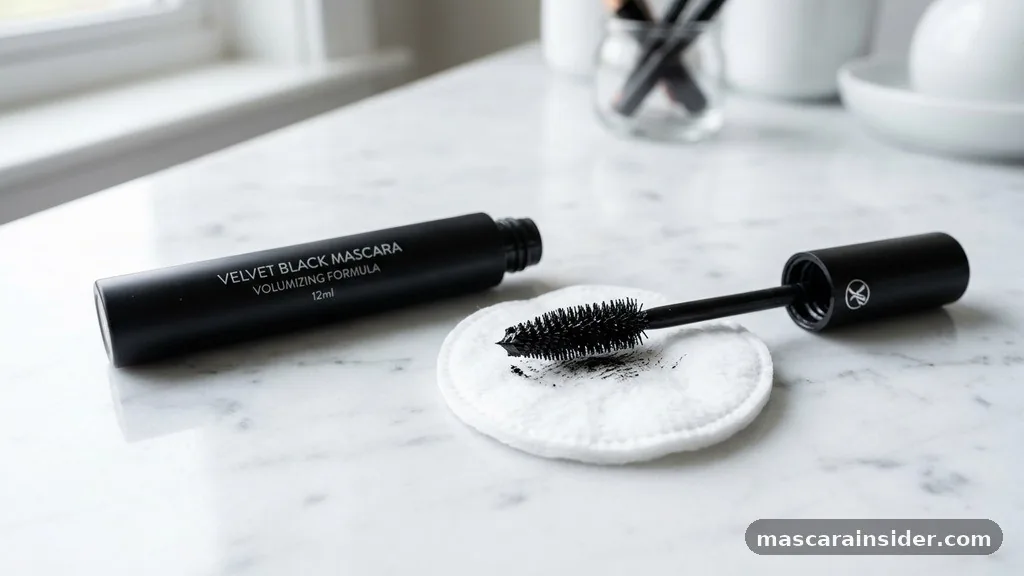
Knowing exactly how long to use mascara is a critical part of maintaining eye health, yet many of us keep our favorite tubes far past their prime. While it is tempting to squeeze every last drop out of a product, old mascara becomes a breeding ground for microorganisms that can lead to irritation or serious infections.
Understanding the shelf life of your beauty staples helps you protect your vision while ensuring your makeup application remains smooth and professional. By learning to recognize the signs of a product that has gone bad, you can avoid unnecessary risks and maintain a fresh, effective routine every single day.
Understanding Mascara Expiration and Shelf Life
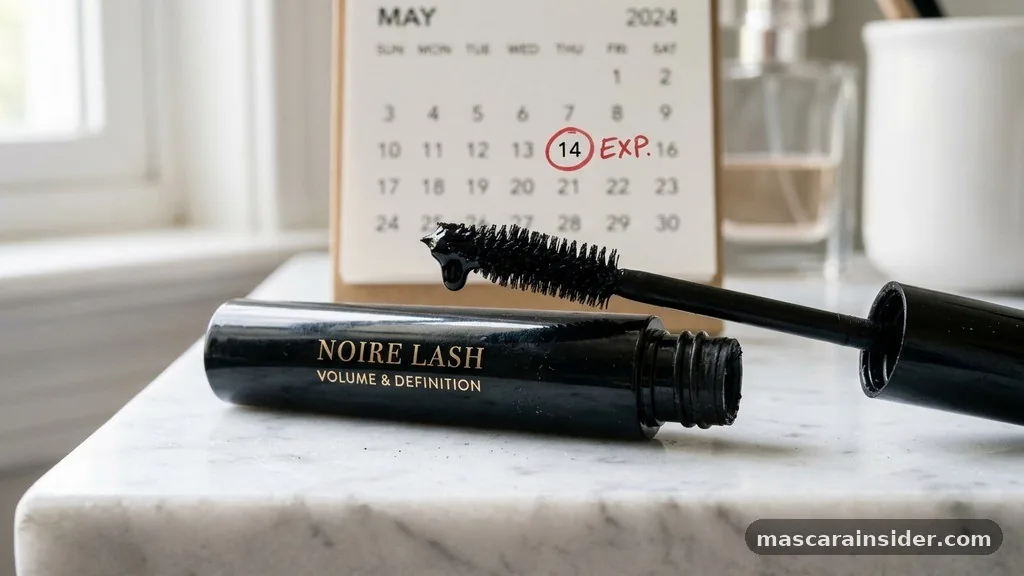
The general rule for eye makeup is significantly stricter than for other cosmetics. Most experts, including an ophthalmologist, will tell you that the makeup shelf life for mascara is much shorter than you might expect. While a foundation might last for a year or more, mascara is a high-risk product because it is applied directly to the sensitive tissues of the eye.
Once you break the seal on a new tube, the clock starts ticking. The period after opening, often indicated by the PAO symbol on the packaging, is usually set at three months. This timeframe is not a marketing tactic to sell more products; it is a safety guideline designed to mitigate the risks associated with bacterial growth.
Why Mascara Has a Short Lifespan
The primary reason for this rapid expiration is the environment inside the tube. Every time you pull the wand out and push it back in, you introduce air and potentially skin-borne bacteria into the container. This constant cycle of exposure makes it incredibly difficult for the preservative systems within the formula to keep the product sterile over a long period.
| Product Type | Average Shelf Life (Opened) | Risk Factor |
|---|---|---|
| Liquid Eyeliner | 3 Months | Moderate |
| Mascara | 3 Months | High |
| Powder Eyeshadow | 1-2 Years | Low |
| Cream Eyeshadow | 6 Months | Moderate |
The Dangers of Neglecting Eye Makeup Hygiene
Ignoring the recommended timeline for your cosmetics can have tangible consequences for your health. When you use a product that has exceeded its shelf life, you are essentially applying a concentrated culture of bacteria to your lash line. This is a common precursor to several uncomfortable and potentially painful conditions that affect the eyes.
Common Risks of Old Mascara
The most common issue is simple irritation, which can manifest as redness, itching, or a burning sensation. However, the stakes can be higher. Mascara wand contamination is a frequent cause of conjunctivitis, commonly known as pink eye. This highly contagious infection causes discharge, swelling, and significant discomfort, often requiring professional medical intervention.
Another frequent problem is the development of a stye. A stye is a painful, red bump that forms on the edge of the eyelid, often caused by an infection of an oil gland or eyelash follicle. Using expired eye makeup creates the perfect conditions for these glands to become clogged and infected by trapped bacteria.
Identifying the Signs of Expired Mascara
Sometimes, a product will show obvious signs of degradation before the three-month mark. If you notice these changes, you should stop using the item immediately, regardless of when you opened it. A dried out mascara is not just difficult to apply; it is a sign that the formula’s integrity has been compromised.
- Changes in smell: If your mascara develops a sharp, chemical, or “off” odor, throw it away.
- Texture issues: A clumpy, thick, or flaky consistency indicates the synthetic polymers are breaking down.
- Separation: If the formula separates into oily and dry components that won’t mix back together, it is past its prime.
- Application problems: If the product no longer coats lashes smoothly and leaves behind excessive residue, it is likely expired.
Addressing Topical Gaps in Makeup Safety
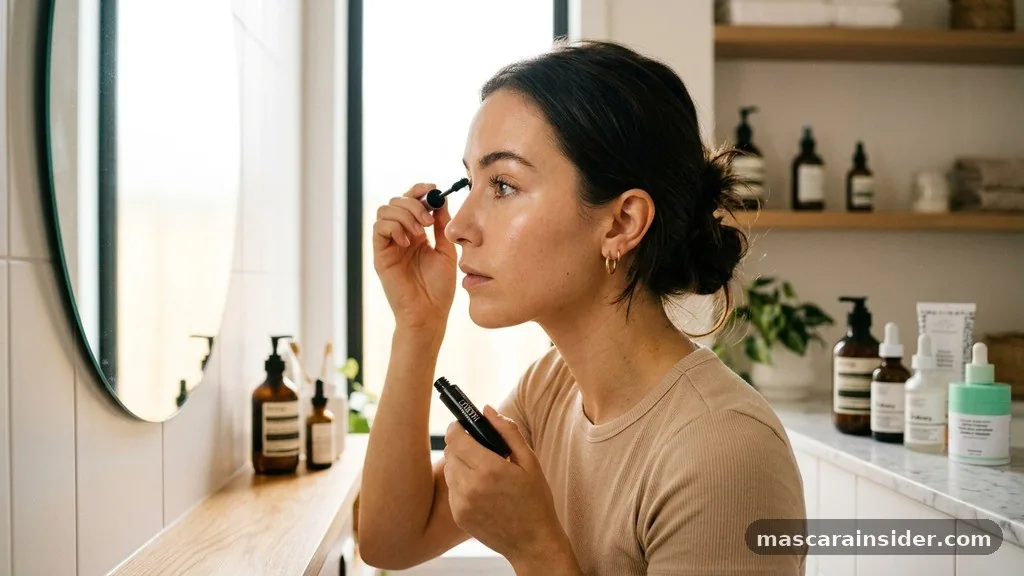
A common misconception is that “waterproof” formulas last longer than standard versions. In reality, the mascara expiration timeframe remains the same regardless of the formula type. While waterproof options contain different ingredients, they are still susceptible to the same bacterial contamination risks once the seal is broken.
Another gap in common knowledge involves the storage of these products. Many people store their makeup in the bathroom, where humidity and temperature fluctuations are constant. This environment can accelerate the breakdown of preservatives, causing the product to spoil faster than it would in a cool, dry drawer.
Furthermore, never add water or saliva to a dry tube to “revive” it. This practice introduces new bacteria and further dilutes the preservatives, making the mascara dangerous to use almost immediately.
Best Practices for Maintaining Eye Health
You can significantly improve your eye makeup hygiene by following a few simple habits that prevent unnecessary contamination. Treat your eye products with the same care you would use for medical supplies. These small adjustments can keep your products safe for their full intended lifespan.
Tips for Daily Use
Never share your mascara with others, even friends or family members. Sharing applicators is the fastest way to transmit bacteria, viruses, and fungi between individuals. Additionally, always remove your eye makeup thoroughly before going to sleep. Leaving mascara on overnight can lead to lash breakage and can cause particles to migrate into the eye, potentially scratching the cornea.
When applying your makeup, avoid “pumping” the wand in and out of the tube. This action forces air into the container, which dries out the formula and encourages the growth of unwanted microorganisms. Instead, gently swirl the wand inside the tube to pick up the product.
If you find yourself needing to apply mascara every day, consider marking the date you opened the tube on the bottom with a permanent marker. This simple trick ensures you never lose track of how long you have been using it.
The Role of Preservatives and Formula Stability
Modern mascara formulas are complex mixtures of waxes, oils, pigments, and synthetic polymers that help the product adhere to your lashes. Manufacturers include preservative systems to keep these ingredients stable and safe from microbial growth. However, these preservatives have a limited capacity to neutralize the bacteria introduced during daily use.
Once the preservatives are overwhelmed, the product becomes a vector for infection. It is important to remember that natural or “clean” beauty brands often use alternative or milder preservatives.
While these are safer for the skin, they may have an even shorter shelf life than conventional options. Always check the packaging for specific instructions and be extra vigilant about the smell and texture of these products.
Conclusion
Adhering to a strict schedule for replacing your eye makeup is an essential habit for anyone who values their vision. By keeping in mind that the ideal time to use mascara is within three months of opening, you effectively minimize the risk of infections like conjunctivitis or the development of painful styes. Beyond the safety benefits, using a fresh tube ensures better performance, as the formula will apply smoothly without the clumping or flaking associated with older, dried-out products.
Taking a moment to check your makeup bag and discard anything that has overstayed its welcome is a simple, proactive step toward better beauty hygiene. Your eyes deserve the best care, so prioritize safety and replace your mascara regularly to keep your look flawless and your health protected.
What is the recommended period for using mascara?
You should use mascara for a maximum of three months after opening it to ensure eye safety.
Can I use mascara that has dried out?
No, discard dried-out mascara immediately as it indicates the product is expired and potentially contaminated with bacteria.
Why does mascara expire so quickly?
Mascara expires quickly because the wand introduces bacteria into the tube every time you use it.
Is it safe to share mascara with friends?
Never share mascara, as it spreads eye infections and bacteria rapidly between different people’s eyes.
What are the symptoms of an eye infection from mascara?
Symptoms include redness, itching, swelling, discharge, or the development of a painful bump like a stye.
Does the type of mascara affect its shelf life?
No, all mascara formulas, including waterproof and natural versions, should be replaced every three months.
Should I store mascara in the bathroom?
Avoid storing mascara in the bathroom, as heat and humidity can cause the formula to degrade faster.


