

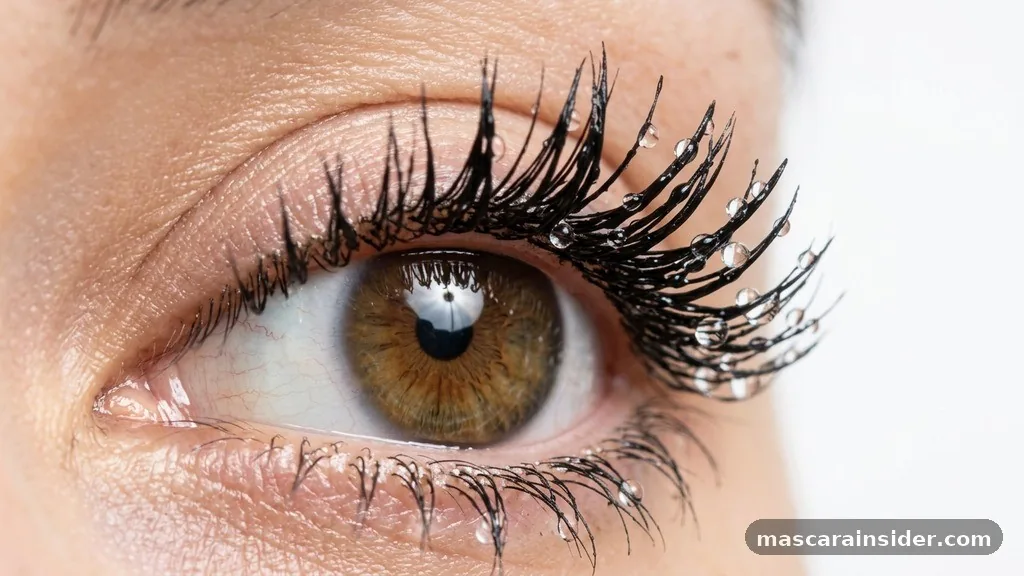
Struggling with stubborn eye makeup is a common frustration for anyone who loves the longevity of long-wear cosmetics. If you have ever wondered how do you take waterproof mascara off without leaving your eyes red, raw, or prone to breakage, you aren’t alone. Many people scrub their eyelids with harsh soaps, inadvertently causing ocular irritation and weakening their delicate lashes.
The secret lies not in how hard you rub, but in the chemistry of the products you choose and the patience you apply during the process. By understanding the right approach, you can preserve your eyelash health while ensuring every trace of product is removed before sleep.
Understanding Why Waterproof Mascara is Different
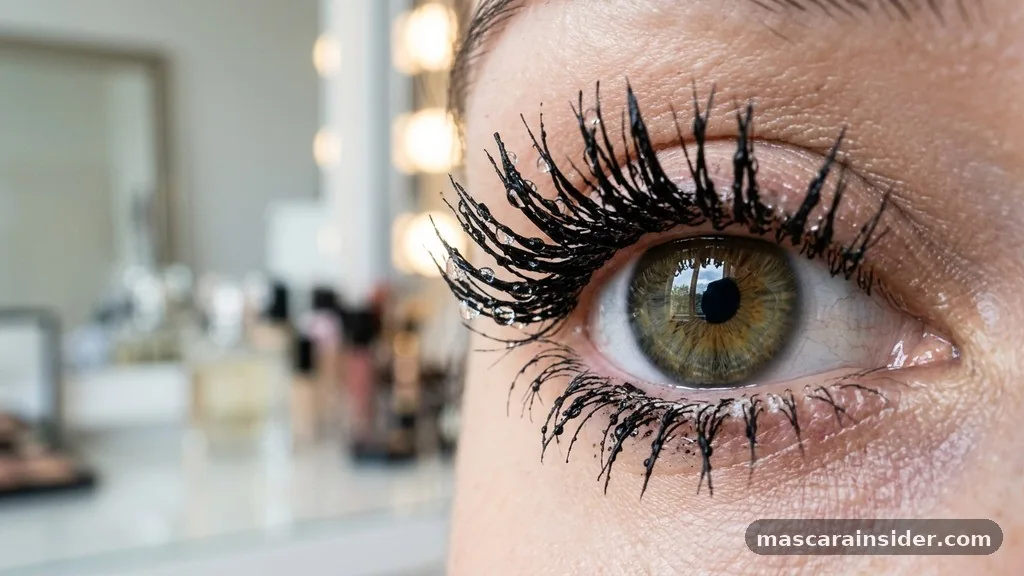
Waterproof mascara is specifically engineered to resist moisture, meaning it won’t run when you sweat, cry, or get caught in the rain. Manufacturers achieve this durability by incorporating oil-soluble polymers and waxes into the formula, which create a film that water alone simply cannot dissolve.
Because these formulas are designed to be hydrophobic, splashing your face with tap water will rarely budge them. In fact, attempting to wash them off with just water often leads to aggressive rubbing, which is the primary cause of lash loss and skin damage around the eye area.
To effectively break down these stubborn bonds, you need a substance that can interact with the waxes and polymers on a molecular level. This is where the process of emulsification becomes essential.
When you introduce an oil-based product, the molecules within your cleanser surround the mascara pigments, lifting them away from the lash hair without requiring physical force. Understanding this chemical interaction is the most important step in mastering your nightly routine.
The Most Effective Products for Makeup Removal
Choosing the right tool for the job is half the battle. While standard face washes might work for light makeup, they often fail against heavy-duty waterproof formulas. You should aim for products that are formulated specifically for the eye area, as the skin here is incredibly thin and sensitive.
* Biphase makeup remover: These formulas consist of an oil layer and a water layer that you shake together to create a powerful, dual-action solution.
* Oil-based cleanser: These are designed to be massaged onto dry skin, turning into a milky texture when water is added to rinse away the debris.
* Cleansing balm: A solid, wax-like product that melts into a luxurious oil upon contact with your warm skin, making it exceptionally gentle for daily use.
* Micellar water: Look for versions specifically labeled for waterproof makeup, as they contain added oils or specialized surfactants to grip the polymers.
Step-by-Step Guide to Gentle Removal
Using a gentle cleansing technique is the best way to prevent damage. You should never tug or pull at your eyelids, as this can lead to premature wrinkles and sagging over time. Instead, focus on a slow, deliberate process that allows the cleanser to do the heavy lifting for you.
Start by soaking a cotton pad with your chosen oil-based remover or biphase solution. Gently press the pad against your closed eyelid and hold it there for fifteen to thirty seconds. This “soaking” period is crucial because it gives the oils time to break down the oil-soluble polymers in the mascara.
Once the time is up, gently swipe downward along the curve of your lashes. Repeat this motion until no more makeup residue remains on the pad. If you are wearing thick layers of mascara, you may need to use a second pad to ensure the lash line is completely clean.
Double Cleansing for a Deep Clean
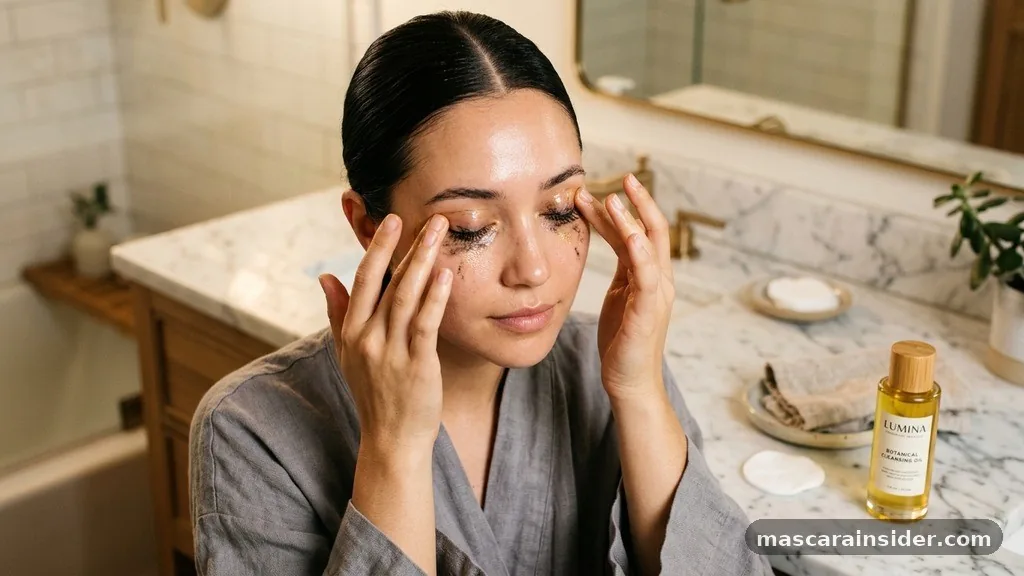
If you wear a full face of makeup, the double cleansing method is the gold standard for hygiene and skin health. This routine involves using an oil-based product first to dissolve the waxes and pigments, followed by a water-based cleanser to remove any remaining impurities or oily film. By incorporating this into your evening ritual, you ensure that your pores remain clear and that your eyes are free from any lingering particles that could cause discomfort overnight.
| Cleansing Method | Best For | Texture |
|---|---|---|
| Cleansing Balm | Sensitive Skin | Solid to Oil |
| Biphase Remover | Heavy Waterproof Layers | Liquid |
| Oil-based Cleanser | Full Face Removal | Gel or Liquid |
Addressing Topical Gaps: Natural Alternatives and Common Myths
Many people search for household solutions when they run out of specialized products, but you must be careful. While some swear by petroleum jelly or jojoba oil to dissolve mascara, these can be problematic for certain skin types.
Petroleum jelly is highly occlusive and can clog pores if not properly removed, potentially leading to milia or breakouts around the eyes. Jojoba oil is a safer, more natural alternative because it closely mimics the skin’s natural sebum, but it can still be messy to work with if you aren’t careful.
Another common gap in knowledge involves those with eyelash extensions. If you have extensions, you must avoid oil-based removers entirely.
Oils break down the adhesive bond holding the extensions to your natural lashes, causing them to fall out prematurely. For those with extensions, you should use a lash-safe foaming cleanser and a soft spoolie brush, moving in very light, downward strokes to clean the base of the lashes without disturbing the glue.
Why Your Mascara Isn’t Coming Off
If you find that you are still scrubbing and failing to remove all the pigment, the issue might be your technique rather than the product itself. The most common mistake is not applying the remover for long enough. If you swipe immediately after applying the product, the mascara won’t have time to dissolve.
Additionally, using a dry or stiff cotton pad can cause friction. Always ensure your pad is fully saturated with the cleanser before it touches your skin. If you are using a waterproof formula that is specifically “smudge-proof” or “long-wear,” it may require a dedicated oil-based cleanser rather than a simple micellar water.
Safety Precautions and Ocular Health
Protecting your vision and the health of your eyes is paramount when removing makeup. Ocular irritation often stems from getting product directly into the eye or using ingredients that are too harsh for the delicate mucous membranes. If you notice persistent redness, itching, or blurry vision, you are likely being too rough or using a product that is not ophthalmologist-tested. Always keep your eyes closed tightly during the removal process and opt for fragrance-free, hypoallergenic cleansers whenever possible.
Conclusion
Mastering the art of how do you take waterproof mascara off effectively is a vital part of any beauty routine. By prioritizing gentle, oil-based products and giving them the time they need to break down the stubborn waxes on your lashes, you protect your delicate eye area from unnecessary stress and irritation. Consistency is key; ensuring that your lashes are completely clean every night will pay off in the long run by preventing breakage and keeping your eyes healthy.
If you’ve been struggling with this process, try switching to a balm or a high-quality biphase remover tonight. You will likely find that the removal process becomes the most relaxing part of your evening. If you have a favorite removal hack or a question about specific products, feel free to share your thoughts.
Is it safe to use petroleum jelly to remove mascara?
It can be effective at breaking down wax, but it is heavy and may clog pores around eyes.
Can I use coconut oil to take off waterproof mascara?
Yes, it dissolves makeup well, but it is comedogenic and may cause breakouts for some skin types.
Why do my eyes sting when I remove mascara?
This usually indicates the product is too harsh or you are rubbing too hard, causing ocular irritation.
Should I use a cotton pad or a reusable cloth?
Both work, but soft, lint-free cotton pads are often more precise for the delicate eye area.
How do I clean mascara off without pulling my lashes out?
Always soak the lashes with an oil-based remover for 30 seconds before gently swiping downwards.
Does double cleansing help with waterproof makeup?
Yes, it ensures all oil-based pigments are dissolved and the skin is fully clean afterward.
Can I use makeup remover on eyelash extensions?
No, oil-based removers will dissolve the glue, so use only oil-free, extension-safe foaming cleansers.


