

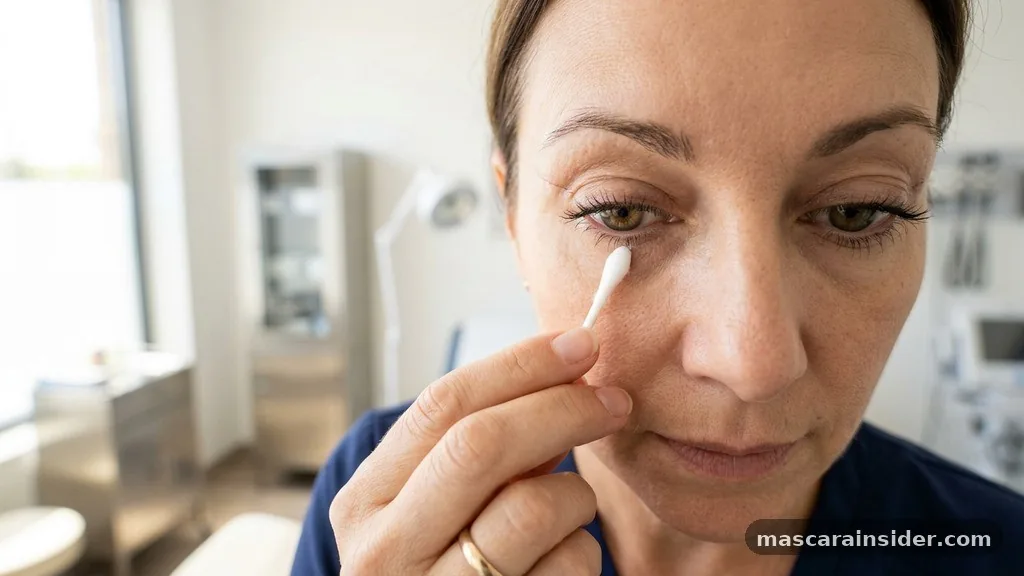
Navigating the recovery process after vision-correcting procedures often leaves patients wondering when they can return to their daily beauty routines. If you are curious about when you can wear eyeliner and mascara after cataract surgery, you are certainly not alone in wanting to feel like yourself again. The primary concern is protecting your healing eye from bacteria and physical trauma while the incision site seals.
By following your surgeon’s specific guidance, you ensure that your visual outcomes remain clear and free from complications. This article provides the essential insights needed to safely reintegrate your favorite cosmetic products into your post-operative lifestyle.
Understanding the Recovery Timeline

Most ophthalmologists recommend waiting at least two to four weeks before applying any eye makeup, including mascara and eyeliner. This timeframe allows the microscopic incisions made during your procedure to close completely and the ocular surface to stabilize.
While you might feel perfectly fine after just a few days, the internal healing process is still very active. Introducing foreign substances like pigments, waxes, or oils too early can significantly increase the risk of irritation or infection.
Every patient heals at a different pace, so your surgeon’s post-operative instructions should always take precedence over general timelines. If you had a complex procedure or have pre-existing dry eye symptoms, your doctor might suggest a longer waiting period. Patience during these first few weeks is a small price to pay for long-term ocular health and visual clarity.
Risks of Early Makeup Application
Applying cosmetic products too soon creates several hazards for your recovering eye. The most significant danger is potentially leading to endophthalmitis, a rare but serious infection. This condition occurs when bacteria from your makeup brushes or the products themselves enter the surgical site. Because your eye is particularly vulnerable during the first month, even a minor bacterial introduction can cause significant damage.
Beyond the threat of infection, there are other Risks of Early Makeup Application that can disrupt your healing. Applying or removing products involves in particular, pulling, or rubbing the eyelid, which can:
* Dislodge the protective shield or irritate the incision.
* Cause inflammation of the conjunctiva.
* Introduce debris into the tear film, leading to discomfort or blurred vision.
* Increase pressure on the globe, which is strictly discouraged during the early post-op phase.
Establishing a Clean Beauty Routine
When your surgeon finally gives you the green light, do not simply reach for the tubes you used before your surgery. Your old makeup is likely a breeding ground for bacteria, especially if it has been sitting in your vanity for months.
To protect your new, clear vision, you must Replace Old Products immediately. Fresh makeup is much less likely to cause an adverse reaction or introduce harmful pathogens to your sensitive ocular tissues.
Focus on selecting hypoallergenic or ophthalmologist-tested formulas that are designed for sensitive eyes. These products typically contain fewer harsh preservatives and fragrances that could trigger inflammation. When you eventually resume your routine, start slowly by applying makeup to the outer edges of the eyelid rather than the waterline, which is a common site for bacterial entry.
Prioritize Gentle Application and Removal
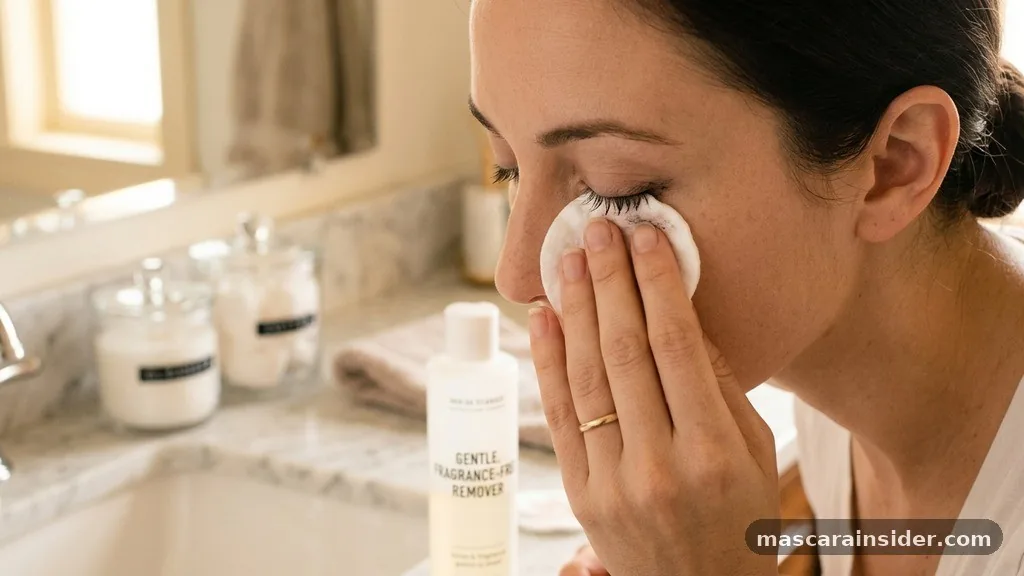
Once you are cleared to use cosmetics, your technique becomes just as important as the products themselves. Prioritize Gentle Application by avoiding any tugging or pulling on the delicate skin around your eyes. Use light, sweeping motions and ensure your brushes or applicators are impeccably clean. If you use a sponge or brush, wash it with a mild, fragrance-free soap every single time you use it to minimize the risk of contamination.
Mastering Safe Removal is equally critical for preventing long-term irritation. Never scrub your eyelids to remove stubborn waterproof mascara. Instead, use a high-quality, oil-free makeup remover on a soft cotton pad.
Press the pad gently against your closed eyelid for several seconds to allow the product to dissolve the makeup. This method prevents the need for aggressive wiping, which can put unnecessary mechanical stress on your healing eye.
| Action | Pre-Surgery | Post-Surgery (First 4 Weeks) |
|---|---|---|
| Eyeliner Application | Standard routine | Strictly prohibited |
| Mascara Application | Standard routine | Strictly prohibited |
| Eye Rubbing | Occasional | Avoid completely |
| Makeup Removal | Standard routine | Use only gentle, sterile methods |
Addressing Common Post-Operative Restrictions
While you are waiting to resume your beauty routine, you must also adhere to other lifestyle adjustments. In addition to avoiding makeup, you should avoid: swimming, hot tubs, and heavy lifting, as these activities expose your eyes to contaminants or increased pressure. It is also vital to protect your eyes from dust and wind, which can cause irritation or dry spots.
Another often overlooked rule involves sleep habits. You must wear your protective eye shield as directed, even while sleeping. This prevents you from accidentally rubbing or pressing on your eye while you are unconscious. Taking these precautions seriously ensures that your recovery is smooth and that your final visual results are as sharp as possible.
Addressing Common Topical Gaps
Many patients wonder why the restriction on mascara is often stricter than other forms of makeup. Mascara wands are notorious for collecting bacteria from the lashes, which then get pumped back into the tube with every use.
Unlike a powder eyeshadow, which sits on the skin, mascara sits directly on the lash line, which is in extremely close proximity to the corneal incision. Even a tiny amount of bacterial contamination from a mascara wand can lead to severe ocular surface inflammation.
Another gap in common knowledge involves the use of false eyelashes. Many people ask if they can apply falsies sooner than traditional mascara. The answer is a firm no.
The glue used for false eyelashes is often chemically harsh and can cause significant contact dermatitis or allergic reactions on the sensitive, healing skin of the eyelid. Furthermore, the act of applying and peeling off the glue creates significant traction on the eyelid margin, which can disturb the healing incision. It is best to avoid all eye-area enhancements until your surgeon confirms that your eye has fully stabilized.
FAQ: Common Questions on Post-Cataract Beauty
Most surgeons recommend waiting at least two to four weeks to ensure the incision is fully healed.
Is it safe to use old mascara after my eye has healed?
No, you should replace all old eye makeup to avoid introducing bacteria into your freshly healed eye.
Can I rub my eyes if they feel itchy after surgery?
Avoid rubbing your eyes completely for several weeks; use prescribed lubricating drops for any persistent itching.
Does waterproof mascara pose a higher risk?
Yes, waterproof products require more aggressive removal methods, which increases the risk of mechanical eye irritation.
What should I do if I accidentally get makeup in my eye?
Flush the eye gently with sterile saline solution and contact your ophthalmologist if irritation or redness occurs.
Are there specific ingredients I should avoid in eye makeup?
Avoid products with strong fragrances, parabens, or glitter, as these can cause significant irritation to healing tissues.
How long should I wear the protective shield at night?
Follow your surgeon’s exact timeline, typically for the first week or two, to prevent accidental nocturnal rubbing.
Conclusion
Returning to your normal beauty routine is a welcome milestone in your recovery, but it requires patience and adherence to medical advice. By waiting for the recommended period and prioritizing hygiene, you protect your vision and ensure the best possible outcome from your surgery. Always remember to replace your old products and use the gentlest application techniques to avoid unnecessary strain.
If you have any concerns about your healing progress, do not hesitate to reach out to your surgical team. Taking these small, careful steps when you wear eyeliner and mascara after cataract surgery will help you enjoy your clear, new vision for many years to come.


