

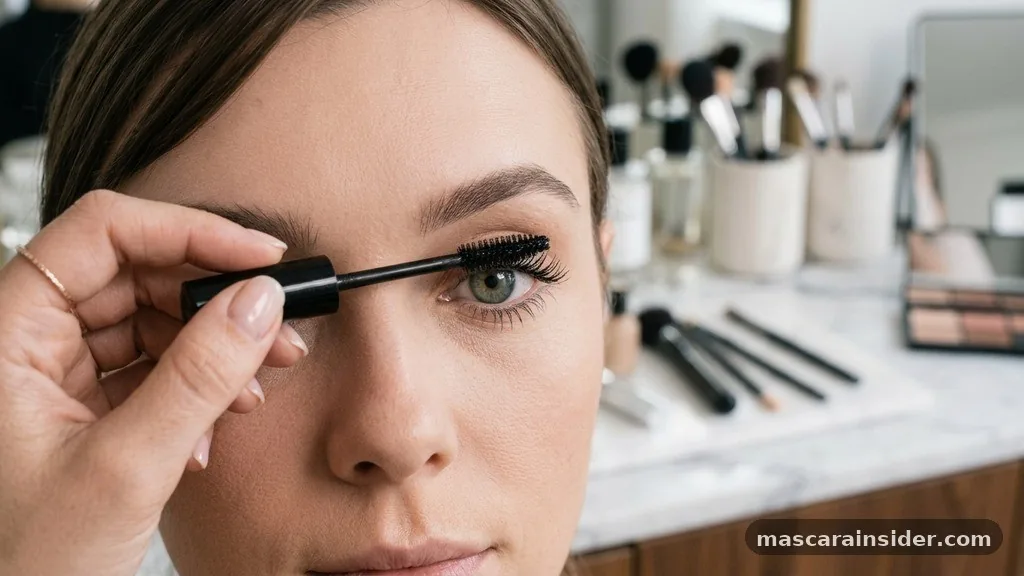
Deciding whether you should switch to a new lash routine often leaves you wondering if tubing mascara is better than the traditional options sitting in your vanity. Many people struggle with smudging and the dreaded raccoon-eye effect by midday, which is exactly why this specific technology has gained such a massive, loyal following.
By wrapping each individual lash in a polymer-based formula rather than just painting them with pigment, these products offer a distinct approach to length and definition. Understanding the mechanics behind this shift helps you determine if these formulas align with your daily beauty needs and lash health goals.
How Tubing Technology Actually Works
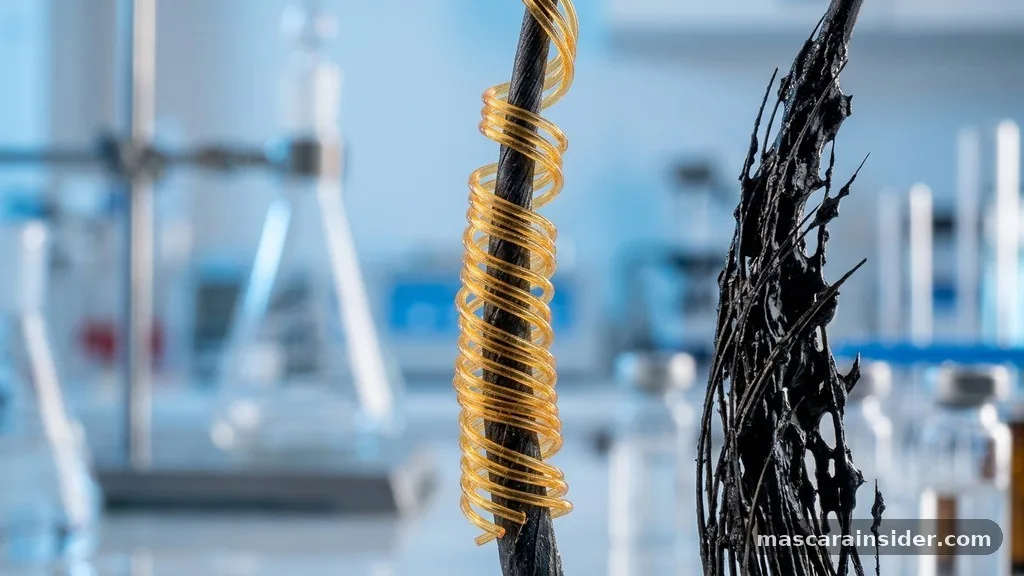
Tubing mascara functions differently because it uses tubing technology to create tiny, water-resistant cylinders around your lashes. While standard mascaras rely on waxes and oils that sit on top of the hair, these formulas use acrylic copolymers that slide off cleanly when exposed to specific conditions. This structure is what makes the product so unique; it doesn’t dissolve into a messy liquid state when you cry or sweat.
When you apply the brush, the formula coats the lash from root to tip. As it dries, the polymers shrink-wrap the hair.
This mechanical bond is what provides the smudge-proof quality that keeps your under-eye area clear throughout a long day. Because the formula sets into a solid structure, it won’t migrate onto your skin, even if you have oily lids or live in a humid climate.
The Primary Benefits for Lash Health
Many users find that tubing mascara is better for overall lash health because the removal process is incredibly gentle. Traditional waterproof mascaras often require harsh scrubbing or heavy-duty oil-based makeup remover to break down the stubborn, waxy ingredients. This constant friction can lead to breakage, thinning, or premature lash loss over time.
In contrast, these formulas utilize warm water removal. You simply saturate your lashes with warm water and apply gentle pressure with your fingertips or a damp cloth.
The tubes soften and slide off the lashes in one piece. Because you aren’t tugging at the delicate skin around your eyes or pulling on your lashes, you maintain the structural integrity of your natural fringe.
Comparing Tubing Mascara to Traditional Formulas
Choosing the right product requires understanding how these different technologies behave under pressure. While traditional formulas offer a wide range of volume and dramatic, clumpy looks, tubing formulas prioritize clean, long-lasting wear.
| Feature | Tubing Mascara | Traditional Mascara |
|---|---|---|
| Removal Method | Warm water | Oil-based cleanser |
| Smudge Resistance | High (won’t smear) | Variable (can flake/smudge) |
| Finish | Defined, separated, long | Voluminous, thick, dramatic |
| Best For | Sensitive eyes, oily skin | Dramatic, thick lash looks |
Why Sensitive Eyes Often Prefer Tubing Formulas
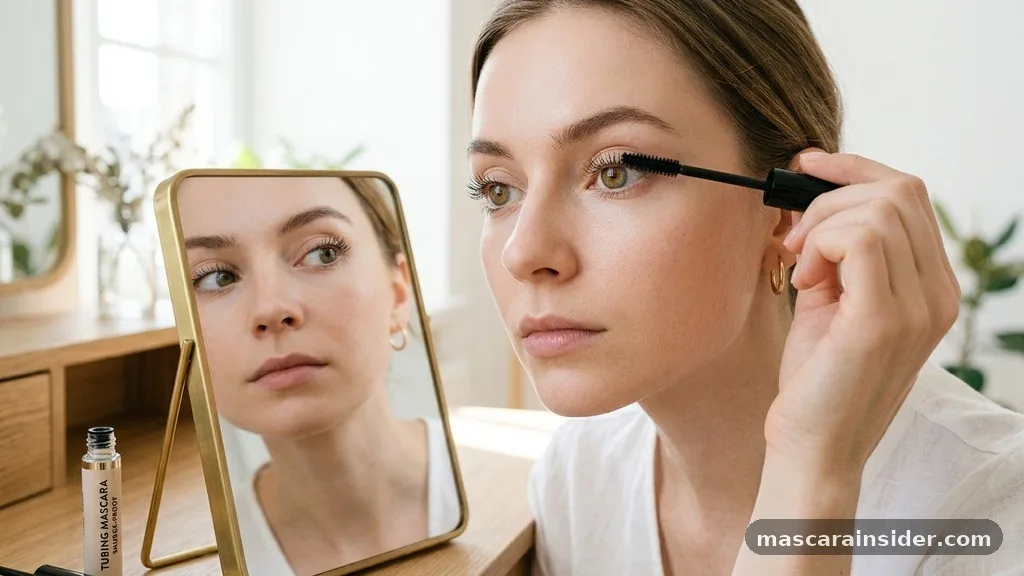
If you struggle with irritation, you might find that tubing mascara is better for your sensitive eyes. Because the formula is essentially a physical sleeve that doesn’t melt or flake, there is virtually no risk of product particles migrating into your eye. This makes them a top choice for contact lens wearers who cannot afford to have debris trapped behind their lenses.
Many of these formulas are also ophthalmologist-tested and formulated to be hypoallergenic. By avoiding the heavy waxes and solvents found in standard makeup, these products reduce the potential for allergic reactions or discomfort. If you have ever experienced stinging or redness after applying makeup, the chemical simplicity of a polymer-based option could be the solution you need.
Addressing Common Limitations and Myths
While the benefits are clear, it is important to acknowledge that this technology isn’t a miracle cure for every lash desire. Some users feel that these formulas lack the intense volume of a traditional fiber mascara. Because the polymers are designed to be lightweight, they don’t always provide that “false lash” thickness that some people crave.
- Limited volume: The formula is designed for length and definition rather than thickness.
- Removal curve: If you don’t use warm water, the tubes won’t budge, which can surprise new users.
- Application speed: These formulas dry quickly, so you need to work fast to avoid clumping.
- Panda eyes: While they don’t smudge, they can occasionally flake if the product is very old or dry.
Overcoming the Flaking and Removal Gap
A common complaint is that tubing mascaras can be flake-resistant but still leave tiny black specks under the eyes if the formula is too dry. To solve this, ensure you aren’t pumping your wand, which introduces air and dries out the polymers.
Another gap in user experience is the removal process; some people expect the tubes to vanish instantly. You must allow the warm water to sit on your lashes for at least thirty seconds to fully soften the polymers before attempting to remove them.
Is Tubing Mascara Better for Your Specific Lifestyle?
Whether you find that tubing mascara is better depends entirely on your daily activities. If you work long hours, exercise, or have naturally oily skin, the smudge-proof nature of these tubes will likely make them your new favorite tool. They hold their shape perfectly from morning until night, ensuring you don’t have to check a mirror every few hours for signs of smearing.
However, if your priority is creating a dramatic, heavy, or “thick” look, you might find these formulas too subtle. They are masters of the clean, long, and natural look, but they won’t replace the intense, heavy-duty volume that a traditional wax-based formula provides. Many makeup enthusiasts choose to use a tubing formula on their lower lashes—where smudging is most common—while using a volumizing mascara on their upper lashes.
Frequently Asked Questions
Is tubing mascara actually waterproof?
It is water-resistant, meaning it won’t smudge with sweat, but it dissolves quickly under warm water.
Can I use tubing mascara on my lower lashes?
Yes, it is excellent for lower lashes because it stays in place without creating dark, smoky smudges.
Is it okay to wear tubing mascara every day?
Absolutely, as the gentle removal process is generally considered healthier for your lashes than scrubbing daily.
Does it help with lash extensions?
Tubing mascara is often recommended for use with lash extensions as it is easier to remove safely.
Will it irritate my contact lenses?
Because it does not flake or dissolve into oils, it is generally the safest choice for wearers.
Is tubing mascara better for oily skin?
Yes, it is the best option for oily skin because it resists the natural oils that break down.
How do I know if my mascara is a tubing formula?
Check the ingredients list for polymers like acrylates copolymer; if it requires warm water, it is tubing.
Final Thoughts on Making the Switch
Deciding if tubing mascara is better for your routine involves balancing your desire for long-lasting, clean wear against the need for intense volume. Most people who make the switch to these polymer-based formulas never go back, primarily because they value the freedom from worrying about smudges and the ease of the warm water removal process. By protecting your natural lashes from the daily tugging associated with traditional makeup, you invest in the long-term health of your eyes.
If you are tired of checking the mirror for signs of raccoon eyes, trying a tube-based product is a logical next step in your beauty evolution. Experiment with different brands to find the right balance of length and definition that works for your unique lash style.


