

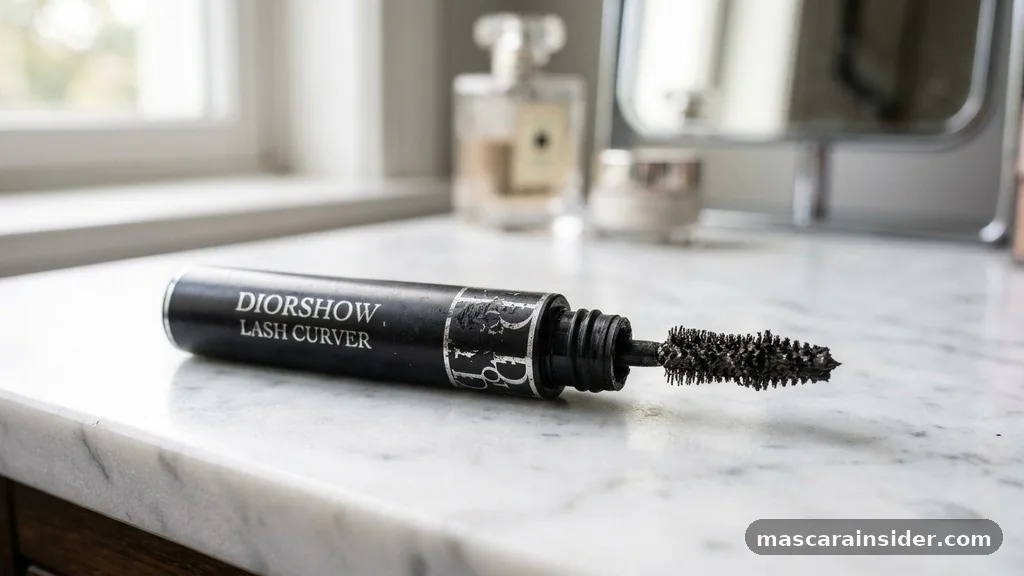
Finding your favorite mascara has turned into a clumpy, flaky mess just weeks after opening it is a common frustration for beauty enthusiasts everywhere. When you realize your tube is drying out, it often feels like you have to toss it prematurely, but learning how to make mascara less dry can save you both time and money.
By understanding the chemical composition of your cosmetics and the proper ways to reintroduce moisture, you can often restore your product to its original consistency. This process not only preserves your investment but also ensures you achieve that smooth, clump-free application you expect from your makeup routine without needing to run to the store for a replacement.
Understanding Why Mascara Dries Out Prematurely
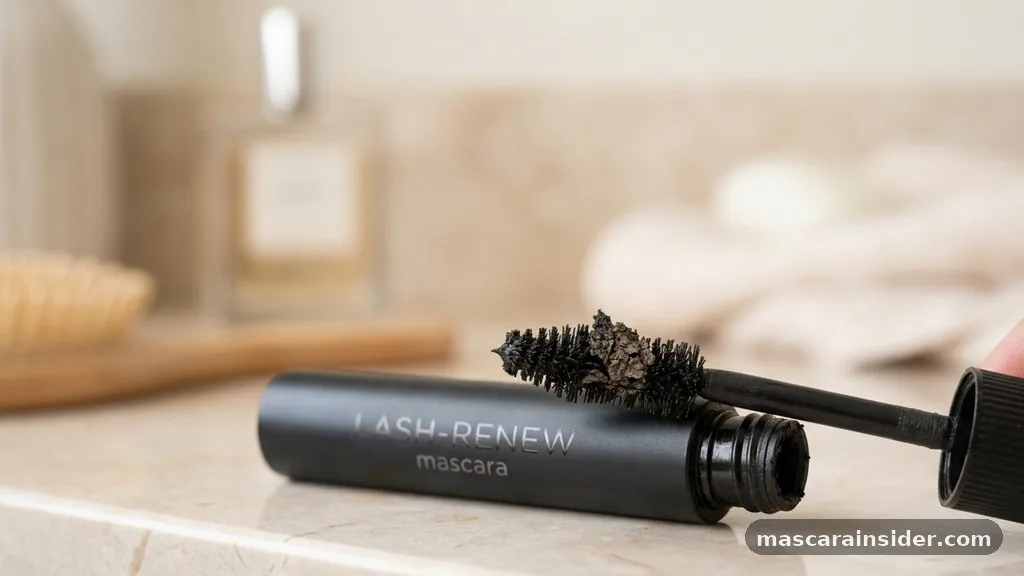
Mascara formulas are complex mixtures of waxes, pigments, and water-based solvents designed to coat each lash evenly. Over time, the constant exposure to air whenever you pull the mascara wand out of the eyelash tube causes the volatile components to evaporate.
Every time you pump the wand in and out, you are essentially forcing air into the container, which accelerates the thickening process and changes the viscosity of the product. This structural degradation is a natural part of the product’s life cycle, but it is often exacerbated by improper storage or failing to screw the cap on tightly enough between uses.
Beyond simple evaporation, the ingredients themselves can begin to break down, especially if the product is kept in a warm or humid environment like a bathroom. High temperatures can cause the emulsifiers—the agents that keep the oils and water mixed together—to lose their effectiveness.
When this happens, the formula separates, leaving behind a dry, gritty substance that sticks to the brush rather than your lashes. Recognizing these environmental factors is the first step in extending the functional life of your makeup, as keeping your products in a cool, dry place can significantly delay this inevitable thickening process.
Safe Methods for Rehydrating Your Mascara
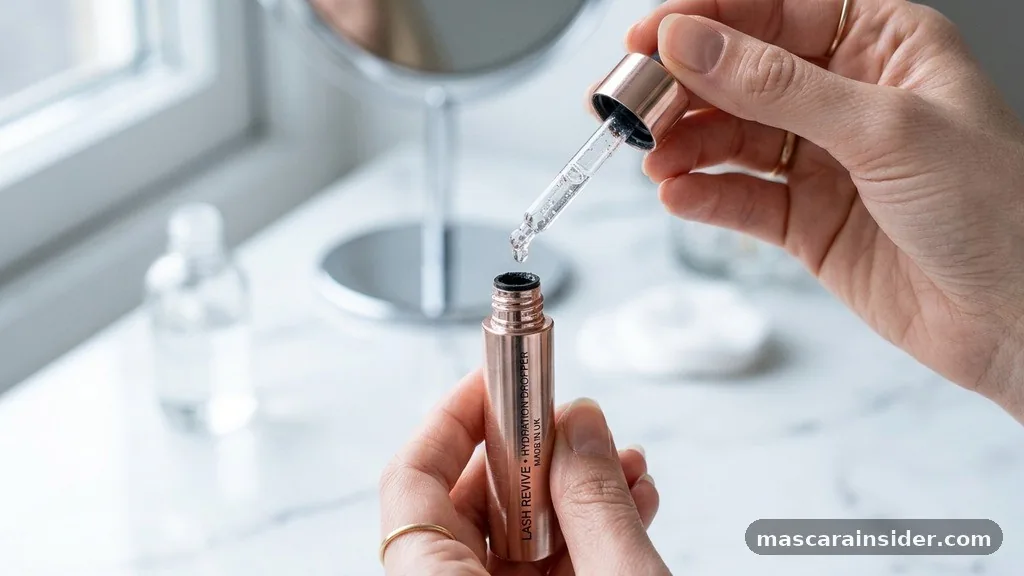
If you need to know how to make mascara less dry quickly, the most effective method involves using a few drops of saline solution or a dedicated contact lens solution. Because these liquids are designed to be sterile and safe for the sensitive environment of the human eye, they are far safer than using tap water, which can introduce unwanted contaminants.
Simply add two or three drops into the tube, insert the wand, and gently stir the contents to help the liquid incorporate into the formula. This small adjustment can thin out the thick, dried-out product enough to make it glide smoothly once again.
Another popular and effective technique involves a warm water bath for the tube. By placing your closed mascara tube in a cup of warm (not boiling) water for about five minutes, you help the waxes within the formula soften.
This heat allows the product to loosen up, making it much easier to pull through the bristles of the brush. It is a gentle approach that does not involve adding foreign substances to the product, which is ideal if you have particularly sensitive eyes or are worried about changing the chemical balance of your favorite brand.
| Method | Best For | Safety Level |
|---|---|---|
| Saline Solution | Restoring consistency | High (Sterile) |
| Warm Water Bath | Softening hardened waxes | Very High |
| Micellar Water | Breaking down clumps | Medium |
Addressing Topical Gaps in Mascara Maintenance
Many users wonder if they can use oils like jojoba oil or other household products to fix their makeup, but there are significant risks to consider. While a tiny amount of oil might seem like a good way to improve the texture, it can negatively impact the formula’s ability to stay on your lashes, often leading to smudging or “panda eyes” throughout the day.
Furthermore, adding oils can create a breeding ground for bacteria growth if the product is already nearing the end of its makeup expiration date. It is generally safer to stick to sterile, water-based solutions that won’t disrupt the chemistry of the preservative system.
Another common gap in knowledge is knowing when to stop trying to revive a product and simply replace it. Mascara has a relatively short shelf life, typically three months, because the warm, dark, and moist environment inside the tube is perfect for bacteria.
If you notice an unusual smell, a change in color, or if your eyes feel itchy or irritated after application, you should discard the product immediately. Prioritizing cosmetic hygiene is essential to prevent eye irritation and potential infections, so never attempt to stretch the life of a tube beyond its reasonable functional limit.
Best Practices for Longevity and Hygiene
Preventing your mascara from drying out in the first place is far easier than trying to fix it later. One of the most important habits to adopt is to stop the “pumping” motion entirely. Instead of moving the wand in and out to get more product, try a gentle swirling motion inside the tube to pick up the mascara from the walls.
This simple change reduces the amount of air that enters the container, which is the primary driver of evaporation. Additionally, always ensure the cap is twisted until it clicks or reaches a firm stop, as even a small gap can lead to a dry, unusable product in just a few days.
* Always clean the wand periodically with a gentle makeup remover to prevent product buildup.
* Avoid sharing your mascara with others to prevent cross-contamination.
* Store your makeup in a cool drawer rather than a steamy bathroom cabinet.
* Mark the date you opened the tube on the bottom with a small sticker.
* Replace your mascara every 3 months, regardless of how much product remains.
By following these habits, you maintain the integrity of the formula and protect your eyes from unnecessary exposure to degraded ingredients. While it is tempting to try and squeeze every last drop out of a tube, knowing the signs of a truly expired product will keep your beauty routine safe and effective.
Frequently Asked Questions
Is it safe to use eye drops to revive dried mascara?
Yes, using sterile saline solution or contact lens solution is generally safe and effective for thinning dry mascara.
Can I use water to make my mascara less dry?
Avoid using tap water, as it can introduce bacteria and lead to eye irritation or potential infections over time.
How often should I replace my mascara?
You should replace your mascara every three months to ensure proper cosmetic hygiene and prevent the growth of bacteria.
Does a warm water bath damage the mascara formula?
A warm water bath is a gentle way to soften waxes without changing the chemical composition of the product.
Can I use oil to fix clumpy mascara?
While oil might soften the texture, it can cause smudging and potentially promote bacterial growth inside the eyelash tube.
What is the best way to prevent mascara from drying out?
Stop pumping the wand in and out of the tube; instead, use a gentle swirling motion to collect product.
When should I definitely throw away my mascara?
Discard it immediately if you notice an unusual odor, change in texture, or if you develop eye irritation.
Understanding how to make mascara less dry is a practical skill that helps you get the most out of your beauty products while maintaining high standards for eye health. By using sterile solutions and avoiding the temptation to pump your wand, you can significantly extend the usable life of your makeup. Remember that while these hacks are effective, they are not a substitute for safety; always respect the makeup expiration guidelines to protect your eyes.
If a product has reached the end of its life, it is always better to replace it than to risk an infection. Implementing these simple habits will ensure your lashes look their best every single day, keeping your routine both efficient and safe. If you have any other tips for keeping your makeup fresh, feel free to share them in the comments below!


