

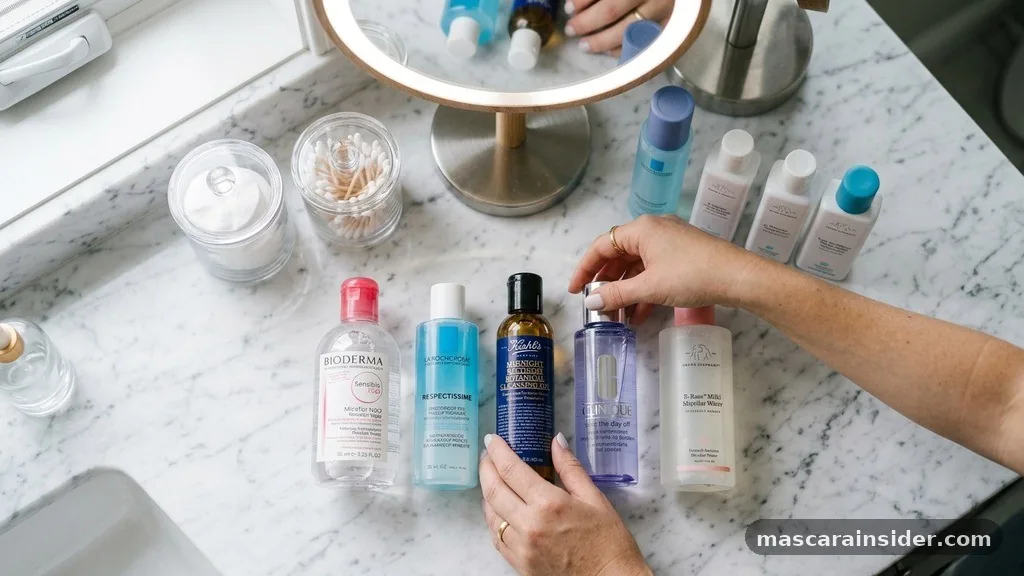
Struggling to figure out how do you remove mascara without leaving behind stubborn residue or irritating your eyes is a common frustration for beauty enthusiasts. Many people find themselves pulling or scrubbing at their lids, which leads to unnecessary lash loss and skin inflammation. Whether you are dealing with a heavy-duty smudge-proof formula or a standard daily mascara, the techniques you choose define the longevity of your natural lashes.
By adopting a gentle, systematic approach, you can ensure your eyes remain bright and healthy while effectively clearing away every trace of pigment. This overview provides the essential knowledge required to master the cleansing process.
Selecting the Right Solvent for Your Specific Formula
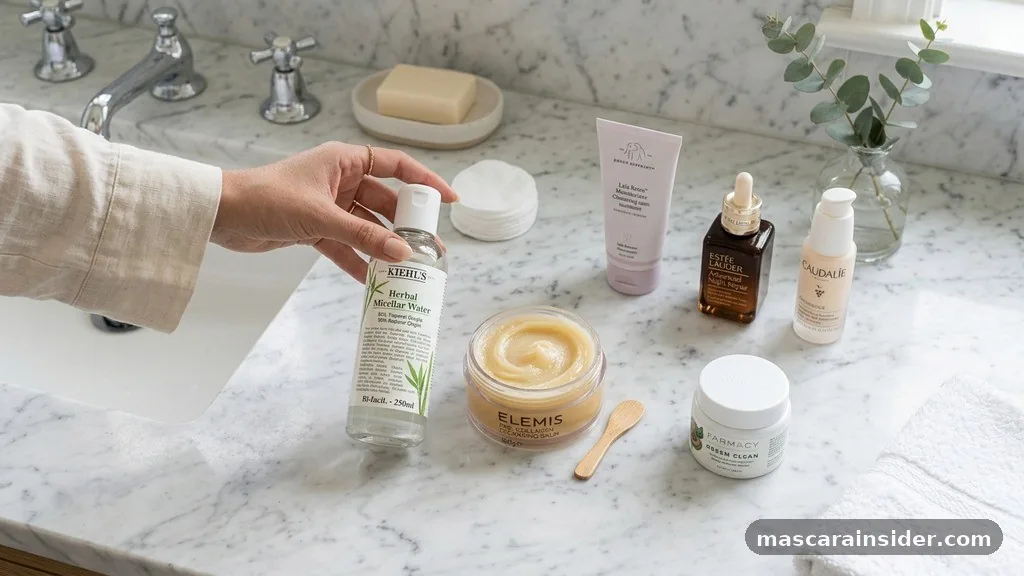
Knowing how do you remove mascara depends entirely on the type of product you applied earlier in the day. Waterproof mascara is designed to withstand moisture, sweat, and tears, meaning it requires a solvent capable of breaking down synthetic waxes and polymers. Using plain water or a basic soap will rarely suffice and often leads to gentle rubbing that damages the delicate eye area sensitivity.
Instead, you should reach for a dual-phase makeup remover or a dedicated oil-based cleanser. These formulations contain solvents that dissolve the bonds of waterproof ingredients, allowing the product to slide off the lash hair without tugging.
If you prefer a more luxurious experience, a cleansing balm is an excellent alternative. When massaged into the skin, these balms melt upon contact with body heat, turning into an oily consistency that lifts even the most stubborn pigment. For those using standard, water-soluble mascaras, a high-quality micellar water is often sufficient.
Micelles act like magnets, pulling dirt and makeup away from the skin surface without requiring harsh friction. Regardless of the product, always check the label to ensure it is ophthalmologist-tested, as the eyes are prone to irritation from harsh fragrances or alcohol-based ingredients.
The Step-by-Step Process for Gentle Removal
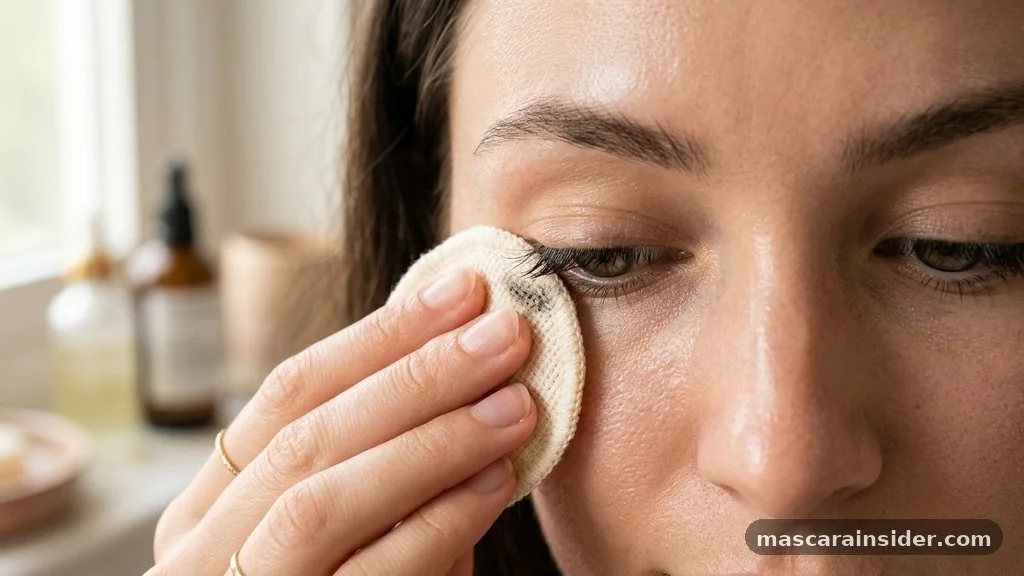
Effective removal is less about the strength of your cleanser and more about the technique applied to the lashes. To start, saturate a soft cotton pad with your chosen liquid or oil-based solution. Place the pad directly over your closed eyelid and hold it there for thirty to sixty seconds.
This “soaking” period is critical because it allows the solvent to penetrate the layers of mascara, loosening the grip on your lashes. If you skip this step, you will inevitably find yourself scrubbing, which is the primary cause of eyelash breakage.
After the soaking period, gently wipe downward following the natural direction of your lash growth. Avoid moving the pad back and forth in a sawing motion, as this tangles the lashes and increases the likelihood of fallout. If you notice remaining smudges between the lash roots, use a clean cotton swab dipped in a tiny amount of makeup remover.
Carefully navigate the base of the lashes to clear away any hidden debris. This methodical approach ensures that no residual product is left behind, which is vital for preventing clogged follicles and potential eye infections.
| Mascara Type | Recommended Product | Removal Time |
|---|---|---|
| Waterproof | Dual-phase remover / Oil-based balm | 45-60 seconds |
| Tubing | Warm water only | 30 seconds |
| Water-soluble | Micellar water | 15-20 seconds |
Prioritizing Eyelash Health During Your Routine
Maintaining long-term eyelash health requires you to view your nightly routine as an act of care rather than a chore. Many people focus on how do you remove mascara effectively but ignore the state of their lashes afterward. Harsh removal techniques strip the hair of natural oils, leading to brittleness and thinning over time.
To combat this, consider incorporating a nourishing step into your routine. For example, using a small amount of jojoba oil or castor oil as a final post-cleansing treatment can help condition the lashes and restore moisture.
Double cleansing is another strategy that benefits both your skin and your eye area. Start with an oil-based product to break down the heavy pigments of the mascara, then follow up with a gentle, water-based cleanser to remove any oily residue. This ensures that the delicate skin around your eyes is perfectly clean and ready for your nighttime serum or eye cream.
Remember, the skin around the eyes is the thinnest on the body; it requires a light touch and high-quality products to remain supple and wrinkle-free. If you notice redness or stinging, immediately switch to fragrance-free or hypoallergenic formulas.
Natural Alternatives and Addressing Topical Gaps
When you are in a pinch or prefer a more organic approach, you might wonder about household alternatives. Coconut oil is frequently cited as a natural way to dissolve makeup. While it is effective at breaking down waxes, it can be heavy for some people and may cause milia or clogged pores if not rinsed away thoroughly. If you choose to use natural oils, always ensure they are food-grade and organic to avoid introducing irritants near the eyes.
A common gap in existing advice is the distinction between “tubing” mascaras and traditional formulas. Tubing mascaras create tiny polymers that wrap around each lash hair; these do not dissolve with oil or soap. Instead, they require warm water and light pressure to slide off in little “tubes.”
If you try to use an oil-based remover on a tubing mascara, you might find it ineffective or messy. Always verify the technology behind your product before choosing your removal method. Furthermore, if you are experiencing persistent lash loss, consult a professional to ensure your mascara ingredients aren’t causing an allergic reaction.
- Always use a soft, lint-free cotton pad to prevent scratching the eyelid.
- Never rub the eyes horizontally, as this puts stress on the delicate lash line.
- Ensure your hands are clean before touching the eye area to prevent bacterial transfer.
- Rinse the eye area thoroughly after using oil-based cleansers to avoid blurred vision.
- Replace your eye makeup remover every six months to ensure product efficacy.
Final Thoughts on Proper Eye Care
Mastering how do you remove mascara is a fundamental skill that pays off in the health and appearance of your lashes. By avoiding the urge to rush through your nighttime routine and instead embracing the soaking technique, you significantly reduce the risk of irritation and breakage.
Consistency is the hallmark of a good beauty regimen; by selecting the right tools—whether it is a specialized balm or a gentle micellar water—and being mindful of your pressure, you ensure your eyes stay clear and your lashes stay full. Take the time to evaluate your products and your technique tonight, and your eyes will thank you in the long run.
Does Vaseline take off mascara?
Yes, Vaseline can dissolve mascara, but it is heavy and may clog pores around the eyes.
What is the proper way to remove mascara?
Soak a cotton pad with remover, hold it against closed lashes for a minute, then wipe downward.
What is the easiest way to take mascara off?
Using a high-quality dual-phase makeup remover or a cleansing balm makes the process fast and gentle.
How do you remove mascara without damaging your eyelashes?
Avoid rubbing or pulling; always use a liquid solvent to dissolve the product before wiping it away.
Can I remove mascara with just water?
Only if you are wearing a tubing mascara, which is specifically designed to slide off with water.
Is it safe to use coconut oil on my eyes?
It is safe for most, but it can be heavy and may cause blurred vision or clogged pores.
Why do my lashes fall out when I remove makeup?
This usually happens due to aggressive rubbing or using a makeup remover that isn’t breaking down the wax.


