

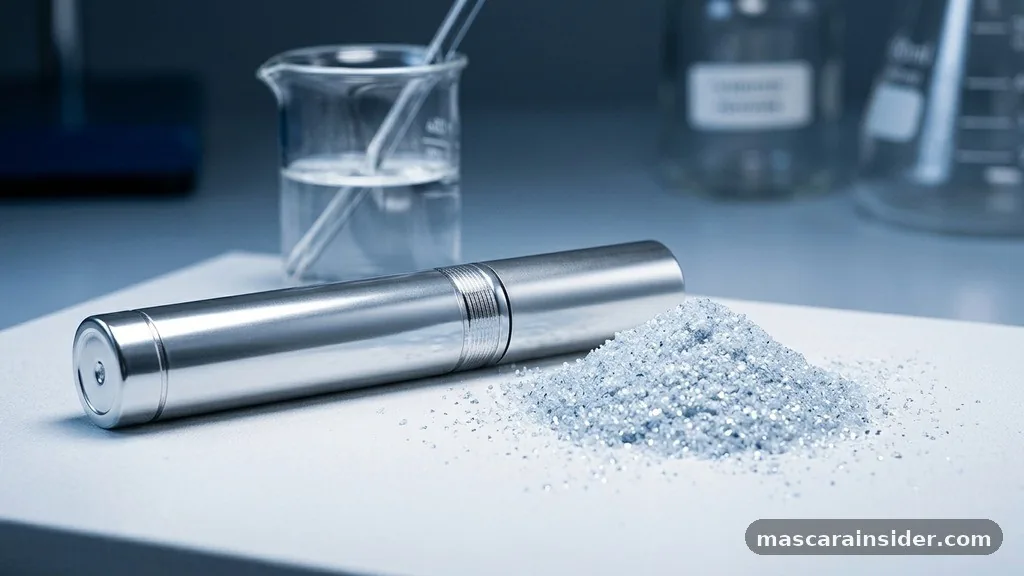
The persistent rumor that people are applying guano to their eyelashes has circulated for decades, leaving many beauty enthusiasts wondering if there is any truth to the claim that is mascara bat poop. While the idea of using bat waste in daily grooming routines sounds like a bizarre horror story, the confusion stems from a misunderstanding of chemical terminology and historical industry practices.
Understanding what actually goes into your tube of mascara requires separating internet urban legends from the reality of modern cosmetic chemistry. By looking at how these products are formulated and regulated, we can finally put this persistent beauty myth to rest once and for all.
The Chemical Confusion: Guanine vs. Guano
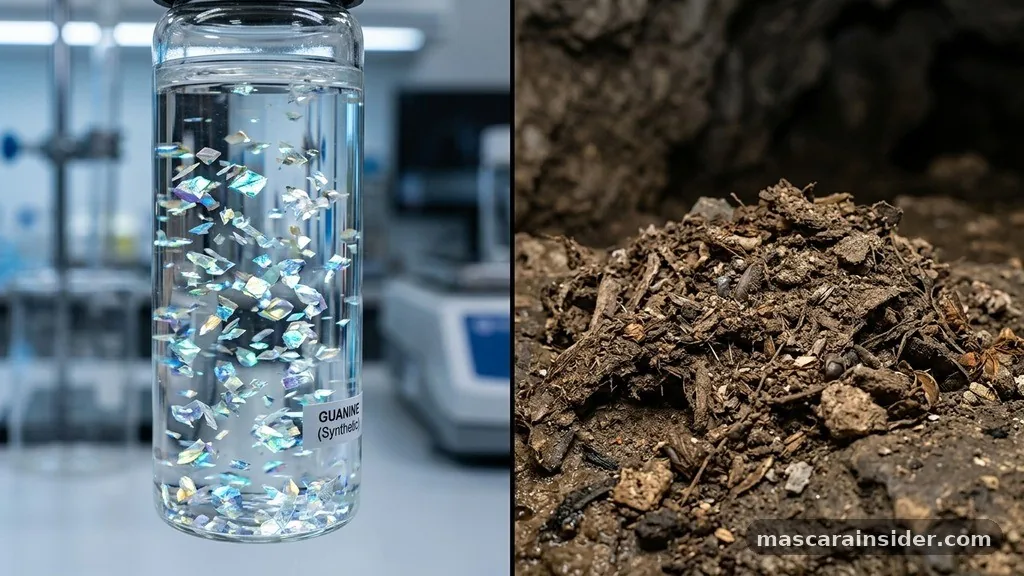
The primary reason people ask if is mascara bat poop is a simple linguistic coincidence involving the word guanine. In the world of chemistry, guanine is a nitrogenous base found in DNA and RNA, and it is also a crystalline substance that provides a shimmering, pearlescent effect.
Because the name sounds remarkably similar to guano, which is the term for bat droppings, a persistent myth was born. The two substances are fundamentally different in both origin and chemical composition, yet the phonetic similarity has fueled fear in online forums for years.
Guanine used in the cosmetics industry is not harvested from caves or animal waste. Historically, it was derived from fish scales, specifically those of herring, to create the “pearl essence” seen in high-end shimmers and metallic finishes.
Today, most companies have moved toward synthetic alternatives to achieve that same luster. When you see guanine listed on an ingredient label, you are looking at a refined, safe compound used for its crystalline structure, not a byproduct of any animal’s digestive system.
The Evolution of Mascara Ingredients
To understand why people worry about strange ingredients, it helps to look at the history of eye makeup. Ancient civilizations used substances like kohl, which often contained lead, soot, and crushed minerals.
As the cosmetics industry modernized, the focus shifted from raw earth pigments to complex chemical compounds designed for safety and longevity. Modern mascara formulation is a precise science that balances waxes, pigments, and polymers to ensure the product stays on lashes without irritating the sensitive eye area.
Most standard mascaras rely on iron oxides to provide deep black or brown color. These are minerals that are processed to ensure they are free of impurities, meeting strict cosmetic safety standards.
Other common ingredients include beeswax, carnauba wax, and synthetic polymers that help the formula hold its shape. The industry has moved far away from the experimental or questionable ingredients of the past, opting instead for stability and hypoallergenic profiles that appeal to a global market of discerning consumers.
- Iron oxides for pigment and color saturation.
- Carnauba and beeswax for structure and hold.
- Synthetic polymers for water resistance and smudge prevention.
- Preservatives designed to prevent bacterial growth in the tube.
- Guanine (or synthetic alternatives) for the light-reflecting pearlescent effect.
Regulatory Oversight and Cosmetic Safety Standards

It is impossible for commercial beauty products to contain hazardous waste like bat droppings due to the rigorous FDA cosmetic regulations governing the market. Every ingredient used in the United States must be evaluated for safety, and manufacturers are required to follow strict quality control protocols.
If a company were to include substances as unsanitary as guano in their products, they would face immediate recalls, massive lawsuits, and permanent damage to their reputation. The industry is under constant scrutiny from both government agencies and consumer advocacy groups.
When you purchase a product from a reputable brand, you are relying on a supply chain that prioritizes chemical purity. Ingredient labeling laws require companies to list their components clearly, allowing consumers to cross-reference items with databases that track safety. If you are ever concerned about a specific product, you can look up its chemical composition through the International Nomenclature of Cosmetic Ingredients (INCI). These regulations ensure that the contents of your makeup bag remain professional and hygienic, far removed from the substances found in nature that would be harmful to the eyes.
| Ingredient Type | Common Purpose | Safety Status |
|---|---|---|
| Iron Oxides | Pigment/Color | FDA Approved |
| Guanine | Pearl/Shimmer | FDA Approved (Synthetic) |
| Bat Guano | None in Cosmetics | Prohibited/Unsafe |
| Synthetic Polymers | Durability | FDA Approved |
Addressing Topical Gaps: Why Beauty Myths Persist
You might wonder why such a strange story about is mascara bat poop continues to spread if it is so easily debunked. The answer lies in the nature of “beauty myths” and the human tendency to fear the unknown. When consumers see a complex chemical name on a label that they don’t recognize, they often turn to the internet for answers.
In the absence of a clear, simple explanation, misinformation fills the void. Some people share these stories because they are genuinely concerned about their health, while others spread them for the shock value, which keeps the rumor alive.
This phenomenon of “chemophobia”—an irrational fear of chemicals—often leads people to believe that “natural” is always better or that “unpronounceable” means dangerous. By understanding that cosmetic chemistry is a field dedicated to creating stable, clean, and effective solutions, we can better appreciate the innovation behind our favorite products.
The next time you encounter a claim that a common makeup item contains something gross, remember to check the source and look for the official chemical name. Most of the time, the truth is far less scandalous than the myth.
Understanding the Reality of Your Beauty Routine
Demystifying the ingredients in your makeup kit is an essential part of being a savvy consumer. While the idea that is mascara bat poop remains a popular internet legend, the reality is that your mascara is a product of sophisticated science and strict safety testing.
From the use of synthetic pigments to the careful selection of waxes, every element in your tube is there for a specific, functional reason. You can rest easy knowing that the shimmer you see on your lashes is the result of chemistry, not biology.
If you have lingering questions about the items in your makeup bag, the best approach is to check the official brand website or consult an ingredient database. Moving forward, you can feel confident in your beauty routine, knowing that the products you use are subject to rigorous oversight.
If you found this explanation helpful, consider sharing it with others who might be confused by similar beauty rumors. Staying informed is the best way to separate fact from fiction in the ever-evolving world of cosmetics.
Is mascara made of bat poop?
No, mascara does not contain bat poop; this is a long-standing urban legend based on a misunderstanding of terms.
Why do people think mascara contains guano?
People confuse “guanine,” a pearlescent ingredient, with “guano,” the term for bat waste, due to their similar names.
What is guanine actually made of?
Guanine is a crystalline substance historically derived from fish scales or created synthetically to provide a shimmering effect.
Are there any animal products in mascara?
Some brands use beeswax or carnauba wax, but most modern mascaras avoid animal-derived ingredients in favor of synthetic alternatives.
Is it safe to use mascara daily?
Yes, commercial mascara is safe to use daily, provided it is used within its expiration date and stored correctly.
How can I check what is in my mascara?
You can read the ingredient label on the packaging or search the product name on an online cosmetic database.
Are FDA regulations strict regarding mascara ingredients?
Yes, the FDA regulates all cosmetics to ensure they are safe for consumer use and properly labeled for transparency.


