

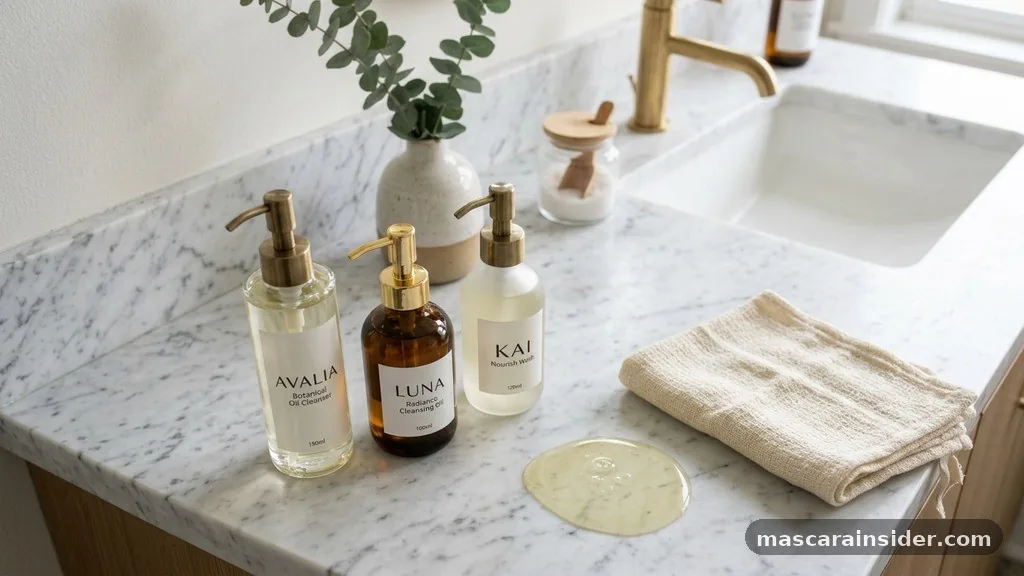
Finding a product that effectively removes waterproof mascara is essential for maintaining healthy eyelashes and preventing skin irritation around the eyes. Because these formulations are designed to withstand moisture, humidity, and tears, they rely on specialized waterproof polymers that cling tightly to individual lash fibers.
Removing them requires more than just soap and water, which often leads to rubbing, tugging, and potential lash breakage. By choosing the right solvent, you can dissolve these stubborn bonds without stressing the delicate skin of your eyelids.
Understanding the chemistry behind your eye makeup is the first step toward a damage-free routine. Waterproof formulas often contain waxes and volatile silicones that repel water, meaning you need an oil-based medium to break them down.
If you have ever wondered what removes waterproof mascara without causing ocular irritation, the answer lies in high-quality lipids or specifically formulated biphasic solutions. This guide explores the most effective methods to ensure your nightly cleanse is as gentle as it is thorough.
Choosing the Best Oil-Based Cleansers
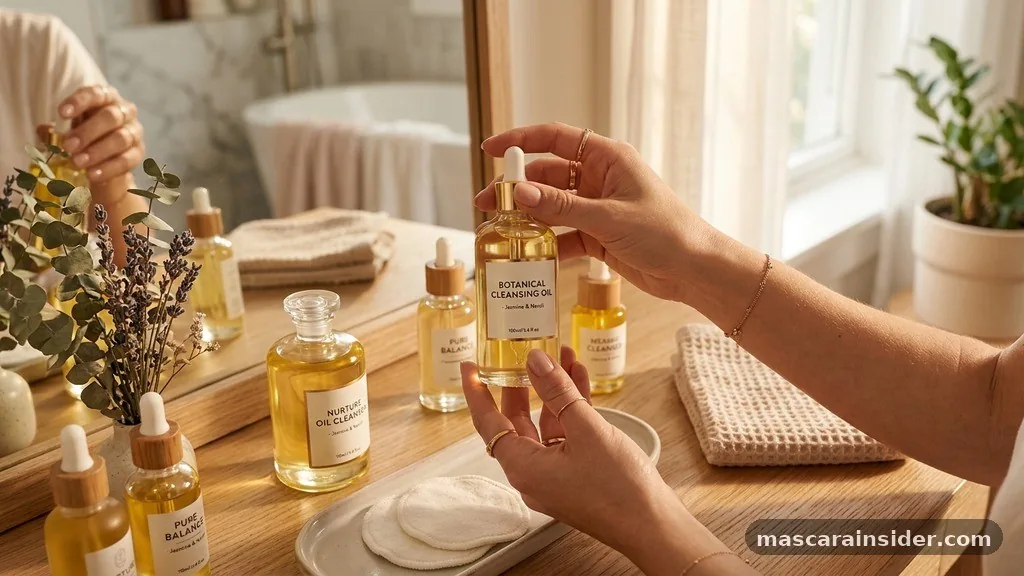
When you need to dissolve heavy-duty makeup, an oil-based cleanser is your most reliable ally. These products work by binding to the oils in the mascara, effectively lifting the pigment away from your lashes so it can be wiped away with minimal friction. Unlike foaming cleansers that can leave your skin feeling tight or stripped, oil cleansers preserve the skin’s natural moisture barrier while providing the slip needed to protect your lashes.
To use an oil-based cleanser, apply a small amount to dry skin and massage it gently over your closed eyelids using your ring fingers. This circular motion helps to emulsify the product, breaking down the stubborn polymers.
Once the mascara has loosened, add a splash of warm water to turn the oil into a milky texture before rinsing. This process is the cornerstone of double cleansing, a technique that ensures every trace of debris is removed before you move on to your water-based cleanser.
Benefits of Micellar Water and Biphasic Removers
A biphase makeup remover is specifically engineered for high-performance cosmetics. These bottles typically feature two distinct layers: an oil phase that dissolves the waterproof ingredients and a water phase that refreshes the skin. When you shake the bottle, the two phases combine temporarily to create a powerful solution that cuts through long-wear mascara without leaving a heavy, greasy residue behind.
Micellar water is another popular alternative, especially for those with sensitive skin. These solutions contain tiny molecules called micelles that act like magnets to draw out impurities. While standard micellar water might struggle with heavy waterproof formulas, many brands now offer oil-infused versions that provide the perfect balance.
Using a soft cotton pad, you can press the saturated cloth against your lashes for ten to fifteen seconds before gently wiping downward. This allows the product time to do the work, so you don’t have to pull at your delicate lash line.
| Cleanser Type | Best For | Key Benefit |
|---|---|---|
| Oil-Based Cleanser | Heavy, long-wear makeup | Deep dissolution of polymers |
| Biphasic Remover | Waterproof mascara & eyeliner | Quick, residue-free removal |
| Oil-Infused Micellar | Sensitive skin | Gentle, non-irritating cleansing |
Natural Oils and Home Remedies
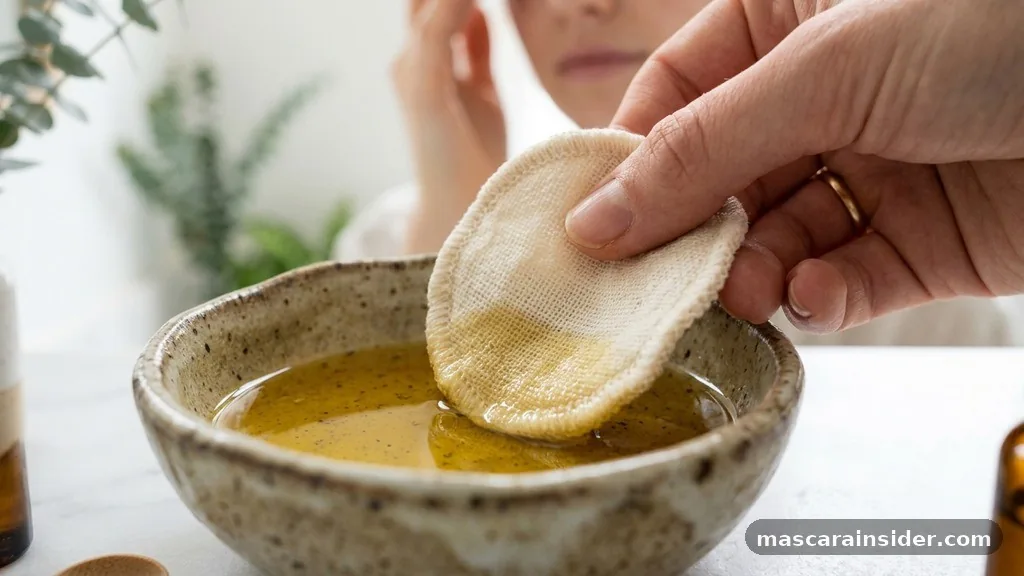
Many people look for household items to remove their makeup when they run out of specialized products. Coconut oil, jojoba oil, and even baby oil are frequently cited as effective solutions because they are naturally lipophilic—meaning they love oil. These natural lipids are excellent at softening the hardened wax found in waterproof mascara, making them a budget-friendly option for many beauty enthusiasts.
However, caution is required when using oils around the eyes. Petroleum jelly is often recommended for its occlusive properties, but it can be quite thick and may leave a cloudy film over your vision if it gets into your eyes. If you choose to use natural oils, ensure they are high-quality and free from additives that could cause stinging. Always follow up with a gentle facial cleanser to ensure no residual oil remains, as trapped oil can sometimes lead to clogged pores or milia around the orbital bone.
Protecting Your Lashes and Preventing Irritation
The most common cause of eye damage during makeup removal is excessive mechanical force. If you find yourself scrubbing, you are likely using the wrong product or not giving the remover enough time to work. Gentle cleansing is the only way to ensure your lashes stay full and healthy over time. If you wear eyelash extensions, you must be extremely careful, as oil-based removers can dissolve the adhesive bond and cause premature shedding.
- Always use a soft, lint-free cotton pad to avoid scratching the eyelid.
- Soak the pad in your chosen remover and hold it against your closed eye for 20 seconds.
- Gently wipe in a downward motion, following the natural direction of the lashes.
- Avoid rubbing side-to-side, which tangles lashes and increases the risk of breakage.
- Check that your skin feels clean and soft, not tight or inflamed.
Addressing Topical Gaps: Why Is My Mascara Stubborn?
If your mascara still refuses to budge, you might be dealing with a “tubing” mascara that has been mislabeled or a formula that is simply too resistant for your current cleanser. Some long-wear mascaras are designed to be removed only with warm water and specific pressure, while others require a dedicated solvent. If you experience persistent residue, verify the ingredients on your mascara label.
If it contains high concentrations of synthetic waxes, an oil-based approach is non-negotiable. Furthermore, ensure your cotton pad is fully saturated; a dry pad will only drag against the lashes, causing more damage than it solves.
How to Safely Remove Waterproof Mascara FAQ
Can I use coconut oil to remove waterproof mascara?
Yes, coconut oil is an effective, natural solvent that breaks down waterproof waxes without harsh chemicals.
Is baby oil safe for the eye area?
It is generally safe, but use sparingly to avoid getting it in your eyes or clogging pores.
Does petroleum jelly work on waterproof mascara?
Petroleum jelly effectively dissolves stubborn polymers, though it may leave a temporary film over your vision.
Why does my mascara not come off with soap?
Waterproof mascara is oil-based; soap is water-based and cannot effectively emulsify the hydrophobic waxes in your makeup.
Can I use micellar water for waterproof makeup?
Standard micellar water often fails, so choose an oil-infused version specifically designed for waterproof formulas.
How do I prevent lash breakage while cleaning?
Always let your remover soak into the lashes for 20 seconds before wiping to prevent unnecessary pulling.
What should I avoid when removing eye makeup?
Avoid harsh rubbing, pulling on the eyelid skin, or using products that contain heavy fragrances or alcohol.
Finding the right method for removing your makeup is a small but vital part of your skincare routine that pays off in the long run. By prioritizing gentle, oil-based solutions that effectively break down waterproof polymers, you safeguard your lashes from damage and keep your eye area healthy. Whether you prefer a specialized biphasic remover or a simple natural oil, the key is patience—letting the product do the heavy lifting allows you to wipe away the day without any trauma to your skin.
If you find your current routine leaves you needing to scrub, it is time to switch to a more efficient formula that respects your delicate eye area. Keep these tips in mind, and you will notice your lashes stay stronger and your skin stays clearer every single day.


