


The persistent urban legend that wonders does mascara have bat poop in it stems from a fundamental misunderstanding of cosmetic chemistry. You have likely heard rumors that your favorite lash-enhancing product contains guano, the scientific term for bat excrement. This myth has circulated for decades, often fueled by internet forums and sensationalized social media posts.
It is time to separate fact from fiction by looking at the actual ingredients found in your makeup bag. Understanding these components reveals that modern beauty products are held to rigorous safety standards that strictly prohibit such unsanitary additives.
The Origin of the Bat Poop Myth
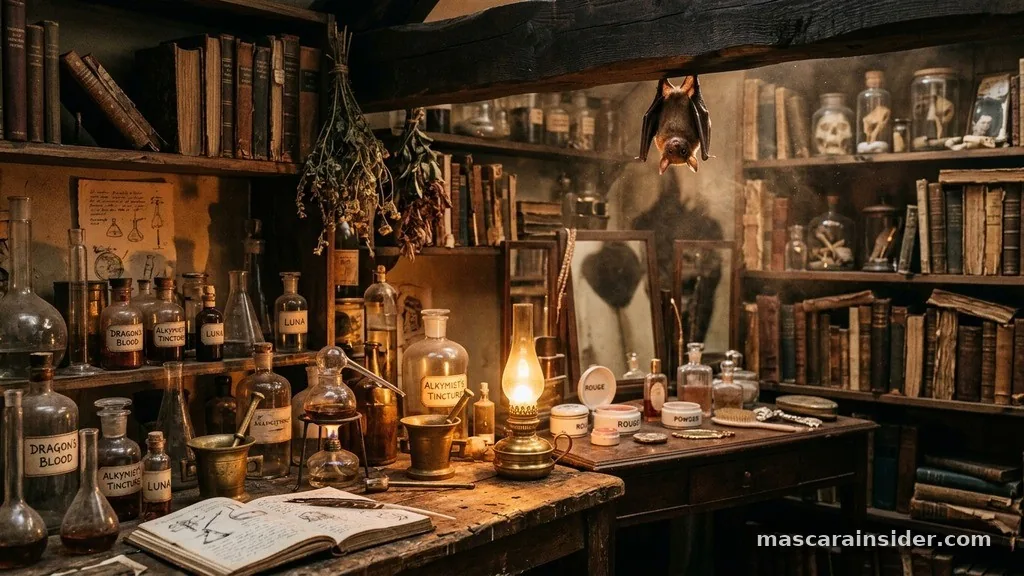
The confusion surrounding whether mascara contains bat excrement largely originates from a phonetic mix-up between two distinct substances. People frequently conflate “guano”—the organic waste produced by bats and seabirds—with “guanine,” a crystalline substance used in the cosmetic industry. Because these words sound remarkably similar, the leap from a legitimate chemical ingredient to a gross, fictional additive happens quite easily in the public imagination.
This misconception is a classic example of an urban legend taking root because it sounds just plausible enough to be shocking. When consumers hear that a product contains a substance with a similar-sounding name to animal waste, they rarely pause to verify the chemical properties.
In reality, the cosmetic industry relies on highly refined, laboratory-tested materials to achieve specific visual effects. There is absolutely no functional reason for a manufacturer to include biological waste in a formula, as it would be chemically unstable, biologically hazardous, and impossible to mass-produce under current FDA regulations.
Understanding Guanine in Cosmetics
Guanine is the actual ingredient that often sparks these rumors, but it has nothing to do with bats. It is a nitrogenous base found in all living organisms as part of their DNA and RNA.
In the context of beauty products, it is valued for its unique crystalline structure, which creates a high-gloss, iridescent finish. This effect is highly sought after for eye shadows, nail polishes, and mascaras that promise a shimmering or pearlescent look.
Historically, this material was derived from fish scales, specifically those of herring or other silvery-skinned fish. The process involves extracting the crystalline guanine from the scales to create what is known as pearl essence. While some high-end luxury brands may still use natural sources, most modern manufacturers have shifted toward synthetic alternatives to ensure consistency and ethical sourcing.
Common Ingredients in Modern Mascara
To understand what is actually in your tube of mascara, it helps to look at the standard mascara formulation. Most products are designed to lengthen, thicken, and darken lashes using a combination of water, oils, waxes, and pigments. These components work together to ensure the product stays on your lashes throughout the day without smudging or flaking.
- Iron Oxides: These mineral-based pigments provide the deep black or brown color found in almost all mascaras.
- Beeswax and Carnauba Wax: These natural waxes help the formula adhere to the lash hair and provide structural hold.
- Polymers: Synthetic film-formers create a flexible coating that keeps the mascara from flaking off.
- Preservatives: Ingredients like phenoxyethanol prevent the growth of bacteria, ensuring the product remains safe for use near the eyes.
- Guanine or Mica: These are used to add shimmer or a pearlescent effect to the finish of the product.
The Role of Fish Scales and Synthetic Alternatives
Many people who ask does mascara have bat poop in it are actually reacting to the older, more common rumor about fish scales. It is true that historically, guanine was extracted from the scales of fish to provide a natural luster. This practice, while effective for achieving a specific aesthetic, has become less common as cosmetic chemistry has advanced.
Today, manufacturers often prefer synthetic pigments and minerals over natural extracts for several reasons. Synthetic alternatives are more cost-effective, easier to standardize across batches, and free from the ethical concerns associated with animal-derived products. If a product does contain guanine, it is almost certainly a purified, lab-processed version rather than raw fish scale extract.
| Ingredient | Purpose | Common Source |
|---|---|---|
| Iron Oxides | Coloration | Mineral Deposits |
| Guanine | Iridescence | Synthetic or Fish Scales |
| Beeswax | Texture/Hold | Bees |
| Carnauba Wax | Thickening | Palm Leaves |
Why FDA Regulations Matter
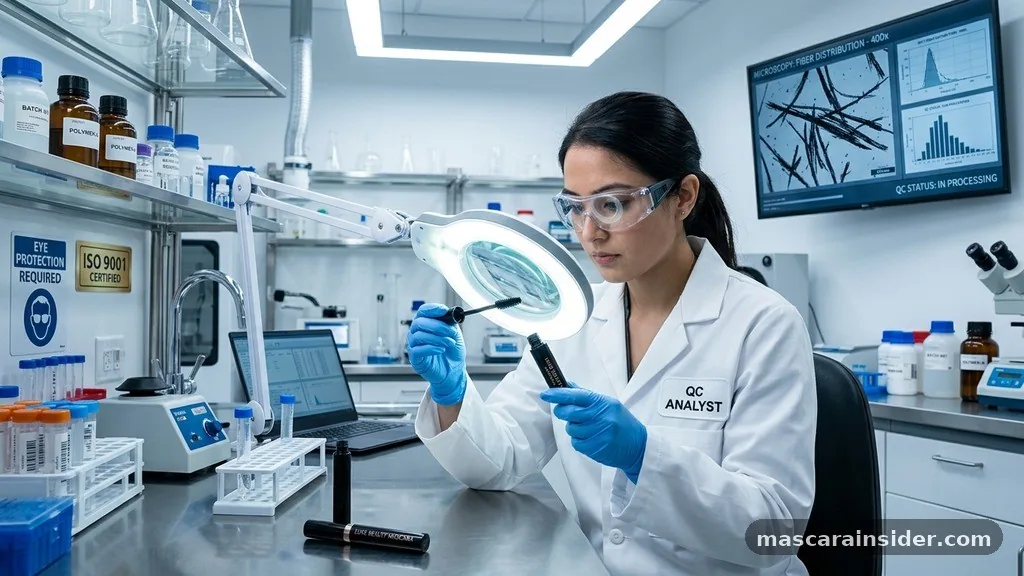
The safety of your beauty routine is protected by strict oversight. The FDA mandates that all cosmetic ingredients must be safe for their intended use.
This means that a company cannot simply add arbitrary substances—let alone something as biologically volatile as bat waste—into a formula. Every ingredient must undergo rigorous safety testing to ensure it does not cause irritation or infection, particularly around the sensitive ocular area.
If a manufacturer were to include something like guano in their products, they would face immediate legal action, massive recalls, and a permanent loss of consumer trust. The industry is highly competitive, and brands invest millions of dollars into R&D to find stable, safe, and effective components. The idea that a major cosmetics company would risk their reputation and legal standing to include an unnecessary, hazardous substance is completely unfounded.
Debunking Myths About Animal Ingredients
There is a long history of bizarre rumors involving the ingredients used in makeup. Beyond the question of does mascara have bat poop in it, you might have heard claims about spider legs, crushed insects, or other disturbing materials. These stories often gain traction because they play on our natural fear of “unnatural” chemicals or “gross” biological additives.
The reality is that while some ingredients are animal-derived—such as beeswax or lanolin—they are highly processed and purified. They are not simply scraped from nature and dumped into a vat.
The cosmetic industry operates in highly controlled environments where purity and stability are the top priorities. When you see a list of ingredients on the back of your mascara, you are looking at carefully selected compounds designed to perform a specific function, not a random assortment of biological waste.
Topical Gaps: What Are People Actually Seeing?
Sometimes, what people perceive as “poop” or “dirt” in their makeup is actually a result of product degradation. If you have ever opened an old tube of mascara and noticed a strange odor or a clumpy, gritty texture, it is likely the result of bacterial contamination or the breakdown of the formula. Once a tube is opened, it is exposed to air and bacteria from your skin or lashes.
Over time, the mascara formulation can lose its moisture, causing the waxes and pigments to clump together. This clumping can look unusual to the naked eye, leading some to speculate that the product is made of something “dirty.”
However, this is simply a sign that the preservative system is no longer effective and the product has expired. You should always replace your mascara every three months to avoid eye infections, regardless of what the ingredients are.
The Importance of Reading Labels
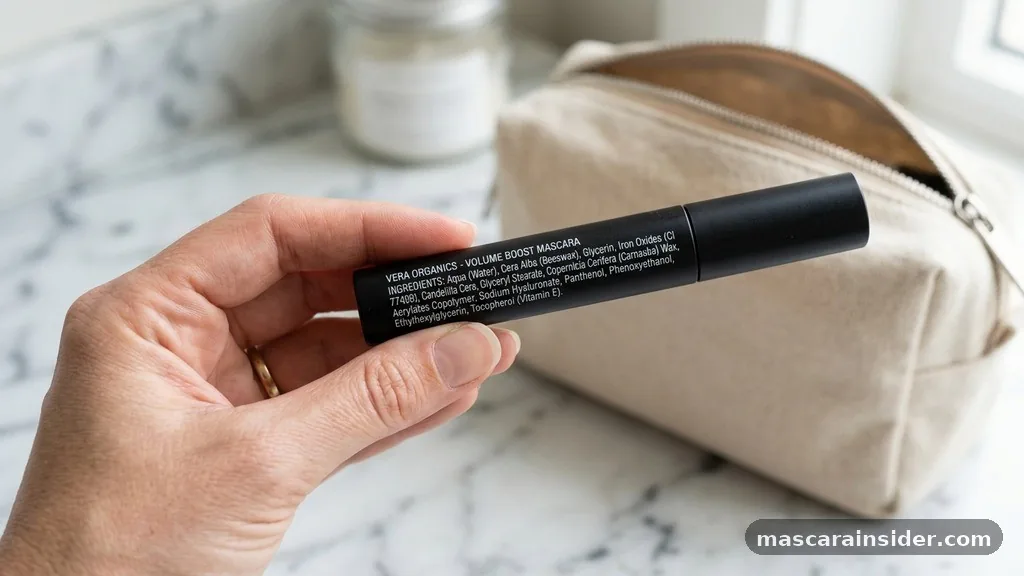
If you are ever concerned about what is inside your makeup, the best practice is to look at the ingredient list. By law, manufacturers must list their ingredients in descending order of concentration.
You will rarely see “guano” listed, because it is not a cosmetic ingredient. Instead, you will see names like “CI 77499” (the code for black iron oxide) or “Cera Alba” (beeswax).
Learning to read these labels empowers you to make informed decisions and ignore sensationalized rumors. If you see a term you do not recognize, a quick search on a reputable cosmetic database will usually clarify its origin and purpose. This transparency is the best defense against the spread of misinformation in the beauty industry.
Understanding the Chemistry of Shimmer
The desire for a shimmering, high-shine finish is what drives the use of ingredients like guanine or mica. Mica is a naturally occurring mineral that is ground into a fine powder to create a sparkle.
It is far more common in modern cosmetics than guanine derived from fish. Mica is stable, inert, and widely available, making it the industry standard for achieving that luminous, pearlescent effect.
Because mica is a mineral, it is naturally occurring and requires processing to remove impurities. This is a far cry from the rumors of animal waste. By focusing on the science of how light reflects off these particles, it becomes clear that cosmetic companies are focused on physics and chemistry, not on utilizing biological waste products.
Maintaining Lash Health and Hygiene
Regardless of the ingredients, the most important aspect of mascara use is hygiene. Even if the product is made with the highest quality, safest components, it can become a vector for bacteria if misused. Never share your mascara with others, and always ensure the wand is clean when you insert it back into the tube.
If you find yourself wondering does mascara have bat poop in it, take a moment to consider the packaging. The rigorous testing, the ingredient labeling requirements, and the consumer protection laws all exist to ensure that your beauty products are safe. Focusing on proper application and timely replacement of your products will do far more for your eye health than worrying about urban legends.
The Truth About Modern Beauty Standards
The beauty industry has evolved significantly over the last few decades. There is a growing demand for “clean beauty,” which emphasizes transparency and the removal of potentially irritating chemicals.
This shift has forced companies to be even more open about their sourcing and manufacturing processes. As a result, the likelihood of a brand using questionable or unsanitary materials is lower today than it has ever been.
When you purchase a product from a reputable brand, you are buying into a system of quality control that spans global supply chains. These companies have a vested interest in the safety of their customers. The next time you hear a wild claim about the contents of your makeup, remember that the reality is almost always rooted in boring, safe, and highly effective chemistry.
FAQ: Common Questions About Mascara Ingredients
No, mascara does not contain bat poop; this is a long-standing urban legend based on a name confusion.
Why do people think mascara contains guano?
The rumor exists because “guano” (bat poop) sounds similar to “guanine,” a common shimmering ingredient in cosmetic chemistry.
What is guanine actually made of?
Guanine is a crystalline substance often synthesized in labs or derived from fish scales for a pearlescent finish.
Is it safe to use mascara with guanine?
Yes, guanine used in cosmetics is highly purified, regulated, and safe for application near the eye area.
Are there animal products in my mascara?
Some mascaras contain beeswax or lanolin, but these are common, safe, and highly processed cosmetic industry ingredients.
How can I verify what is in my makeup?
Check the ingredient list on the packaging, which is legally required to list all contents by concentration.
Why does my mascara smell strange?
An odd smell usually indicates the product has expired or been contaminated with bacteria; you should discard it.
Summary and Next Steps
The persistent inquiry into whether mascara contains bat excrement highlights how easily misinformation can spread in the beauty world. By distinguishing between the chemical term guanine and the biological waste known as guano, it becomes clear that these rumors are entirely groundless. Modern cosmetics are governed by strict safety protocols and rely on scientifically tested, stable ingredients like iron oxides, waxes, and synthetic pigments to deliver the results you expect.
Moving forward, the best approach is to prioritize product hygiene and rely on official ingredient labels rather than internet myths. If you are ever unsure about a specific brand or formula, look for third-party safety databases that provide clear, fact-based information on cosmetic components.
Keeping your makeup kit clean and replacing items every few months will ensure your beauty routine remains safe and effective. Feel free to reach out if you have more questions about the science behind your favorite products.


