

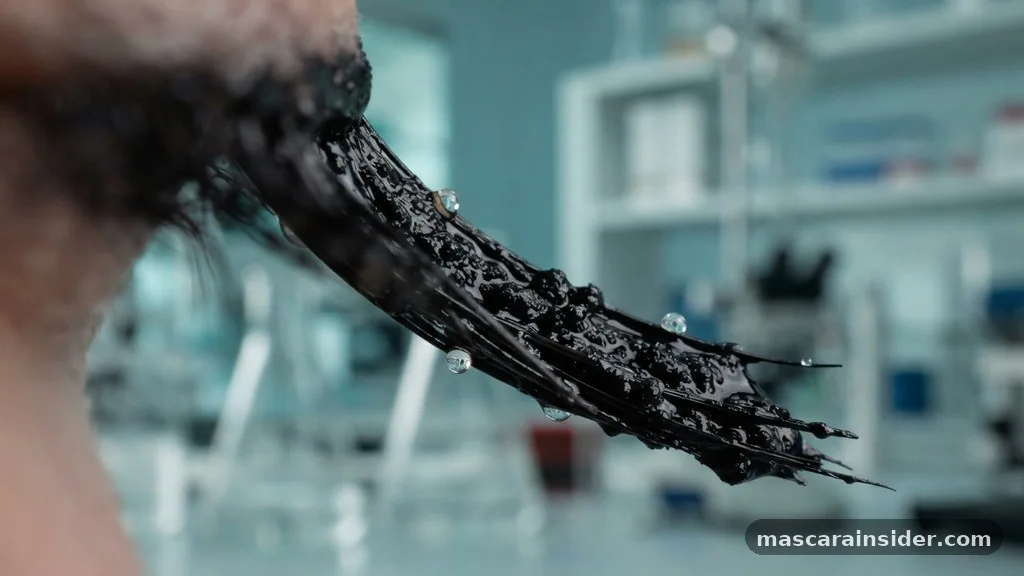
Figuring out how do you remove waterproof mascara without causing irritation or lash damage is a common struggle for anyone who loves long-lasting eye makeup. Because these products are specifically engineered to resist moisture, sweat, and tears, they rely on specialized polymers that don’t simply melt away with regular soap and water.
If you scrub too hard, you risk damaging the delicate skin around your eyes and pulling out your natural lashes. Mastering the right technique involves using the correct solvents to break down those bonds, ensuring your nightly routine leaves your eyes clean, refreshed, and healthy without forcing you to compromise on your favorite high-performance beauty products.
Understanding the Chemistry of Waterproof Formulas
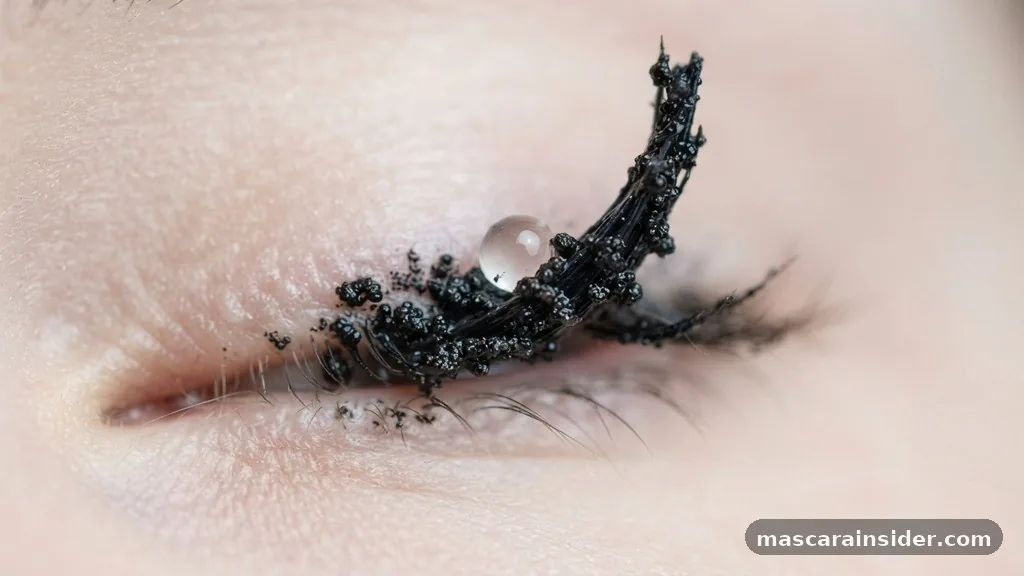
Waterproof mascara stays on your lashes because of its unique chemical composition, which is designed to be oil-soluble rather than water-soluble. Manufacturers use hydrophobic ingredients like waxes and volatile silicones that form a protective shield around each lash.
When you splash water on your face, these ingredients repel the liquid, keeping the pigment locked in place through humidity or rain. Trying to wash this off with a standard foaming cleanser often fails because the water-based surfactants simply can’t penetrate the waxy coating.
To effectively lift this pigment, you need an agent that can dissolve these specific waxes. This is why oil-based substances are the gold standard for removal.
When you introduce an oil-based medium to the surface of the mascara, the hydrophobic polymers begin to break down, allowing the makeup to slide off the lash hair without the need for intense physical friction. Understanding this chemical interaction is the secret to avoiding the “raccoon eyes” that occur when you try to force off stubborn makeup with inadequate tools.
The Efficacy of Biphasic Makeup Removers
A biphasic makeup remover is one of the most reliable tools in your beauty arsenal for tackling stubborn eye makeup. These products consist of two distinct layers: an oil phase that dissolves the waterproof polymers and a water phase that helps wash away the oily residue.
Before you use one, you must shake the bottle vigorously to temporarily blend the two phases into a consistent solution. This ensures that every time you dispense the product onto your cotton pad, you are getting the perfect balance of solvent and cleanser.
Using a biphasic formula is straightforward but requires patience. You shouldn’t just wipe it across your eyes; instead, saturate a cotton pad and press it firmly against your closed eyelid for about thirty seconds. This “soaking” period is crucial because it gives the oil components enough time to chemically break the bonds of the mascara.
Once the time is up, you can gently swipe downwards to remove the dissolved product. This method minimizes lash breakage by ensuring the makeup is already loose before you make any contact with the hair fibers.
Why Micellar Water Needs Specific Formulation
Many people reach for micellar water because of its convenience, but it is important to note that not all versions are created equal. Standard micellar water is primarily water-based and contains small surfactant molecules called micelles that lift dirt and debris.
While these are excellent for daily face cleansing, they often struggle to remove heavy, waterproof formulas. If you want to use micellar water for this task, you must specifically look for a version labeled as “waterproof” or “oil-infused.”
These specialized micellar waters incorporate a small amount of oil into the formula to provide the necessary solvent power. Even with these versions, the process remains the same as with traditional removers: saturation and patience.
If you find your standard micellar water is leaving behind significant residue, it is a sign that the micelles are not effectively grabbing the waxy polymers. In such cases, switching to a dedicated oil-based cleanser or a biphasic product is a much safer bet for your eyelash health than continuing to rub the skin repeatedly.
Using Household Oils for Makeup Removal
If you find yourself without a specialized product, certain household items can act as effective alternatives for removing waterproof mascara. Coconut oil and baby oil are frequently cited as top contenders because their lipid content is highly effective at dissolving stubborn waxes. To use these, take a small amount on your fingertips or a soft cloth, massage it gently into the lash line, and allow it to sit for a minute. The heat from your skin helps the oil penetrate the mascara, making it much easier to wipe away.
However, you must be careful with the type of oil you choose. While petroleum jelly is incredibly effective at breaking down even the most intense waterproof formulas, it is very thick and can be difficult to rinse off completely.
If you have oily or acne-prone skin, heavy residues from these oils can lead to clogged pores or milia around the eye area. Always follow up with a gentle facial cleanser after using these household oils to ensure your skin is completely clean and free of excess grease that could cause irritation overnight.
The Importance of Double Cleansing

The practice of double cleansing is perhaps the most effective way to ensure your eye area is thoroughly cleaned without harsh scrubbing. This method involves two distinct steps: first, using an oil-based cleanser to melt the makeup, and second, using a water-based cleanser to remove any remaining traces. By starting with an oil cleanser, you target the waterproof mascara directly, breaking down the waxes and pigments while keeping the skin hydrated.
Once the makeup is dissolved, the second step—the water-based cleanser—sweeps away the oil, the makeup pigments, and any other impurities sitting on your skin. This approach is superior because it prevents the need to pull at the delicate skin surrounding the eye, which is the thinnest on the body.
By prioritizing gentle cleansing, you preserve the elasticity of your skin and prevent the premature fine lines that often result from aggressive makeup removal habits. It is a ritual that respects your skin barrier while tackling even the most stubborn products.
Comparing Common Removal Methods
Choosing the right method depends on your skin type, the intensity of your mascara, and the products you already have on hand. The following table provides a quick comparison of the most common approaches to help you decide which path is right for your nightly routine.
| Method | Efficiency | Skin Suitability |
|---|---|---|
| Biphasic Remover | High | All skin types |
| Oil-based Cleanser | High | Dry to Normal |
| Waterproof Micellar Water | Medium | Sensitive skin |
| Petroleum Jelly | High | Very dry skin only |
Each of these methods has distinct advantages, but the key is consistency in your technique. Regardless of the product you choose, the goal is always to reduce the amount of physical manipulation required to lift the pigment. If you are using a method that requires you to scrub, you are likely doing more harm than good.
Addressing Topical Gaps: Lash Health and Sensitivity
One common concern for those who frequently use waterproof products is the long-term impact on their lashes. It is a myth that waterproof mascara inherently causes lashes to fall out; rather, it is the removal process that usually causes the damage.
If you are constantly tugging at your lashes to get the product off, you will eventually weaken the hair follicles and cause premature shedding. To protect your eyelash health, always ensure your lashes are properly lubricated with an oil-based product before attempting to remove them.
Another often-overlooked aspect is eye area sensitivity. The skin around your eyes is extremely reactive, and some fragrance-heavy makeup removers can cause redness or contact dermatitis. If you notice your eyes becoming puffy or itchy after cleansing, you should switch to a fragrance-free, ophthalmologist-tested formula.
Avoiding ingredients like alcohol or harsh preservatives is essential for maintaining comfort. If you have extremely sensitive eyes, consider using a specialized cleansing balm that emulsifies with water, as these are often formulated without the harsh surfactants that cause irritation.
Essential Tips for Preventing Residue
Even after a thorough cleanse, many people find they wake up with smudges under their eyes. This leftover residue is often the result of not getting deep enough into the lash roots where the mascara is applied most heavily. To fix this, use a clean, damp cotton swab dipped in your remover.
Gently run the tip along the upper lash line and the underside of the lashes. This precision tool can access the tight spaces that a cotton pad misses, ensuring every last bit of pigment is captured.
Another trick is to focus on the direction of your movement. Always wipe from the root of the lashes toward the tips, and move in a downward motion rather than side-to-side. Wiping side-to-side can tangle the lashes and increase the likelihood of them breaking.
If you find that your lashes feel dry or brittle, consider applying a lash serum or a tiny drop of castor oil after your nightly cleanse. This helps to nourish the lashes and keep them flexible, which makes them less prone to snapping when you apply mascara the next morning.
Integrating Proper Technique into Your Routine
To truly master the removal of long-wear eye makeup, you must treat the process as a separate, deliberate part of your skincare routine. Do not rush this step.
If you are tired, it is tempting to skip a thorough cleansing, but leaving waterproof mascara on overnight can lead to eye infections and brittle lashes. By keeping your remover and cotton pads in a convenient place, you remove the barrier to entry and make the process feel like a natural part of winding down for the evening.
* Always remove your eye makeup before washing the rest of your face.
* Use a dedicated cotton pad for each eye to prevent cross-contamination.
* Let the product sit for at least 30 seconds to break down the polymers.
* Avoid using abrasive cloths or paper towels that can scratch the delicate eye area.
* Rinse with lukewarm water, as extremely hot or cold water can shock the skin.
* Follow up with a hydrating eye cream to replenish lost moisture.
By following these habits, you ensure that your eyes remain bright and healthy, even with daily use of high-performance products. Remember that the goal is always to work with the chemistry of the mascara, not against it. When you use the right solvents and follow a gentle, consistent process, you’ll find that removing even the most stubborn waterproof formulas becomes an effortless part of your day.
Conclusion
Successfully managing your eye makeup removal comes down to understanding the chemical nature of the products you use. By prioritizing oil-based solvents and allowing them sufficient time to work, you can protect your lashes and the delicate skin surrounding your eyes from unnecessary strain. Whether you prefer a biphasic remover, an oil-based cleanser, or a specialized micellar water, the key is to avoid harsh scrubbing and embrace a gentle, methodical approach.
Consistent care is the best way to ensure your lashes remain healthy while enjoying the benefits of long-lasting, waterproof formulas. If you have been struggling with irritation or stubborn leftover makeup, try adjusting your soak time or switching to a more suitable oil-based cleanser. Once you establish this habit, you will find that knowing how do you remove waterproof mascara is a simple, stress-free part of your beauty ritual.
What is the most effective way to dissolve waterproof mascara?
Using an oil-based cleanser or a biphasic makeup remover is the most effective method for dissolving waterproof mascara.
Can I use regular soap to remove waterproof mascara?
No, regular soap is usually not strong enough to break down waterproof polymers and can cause eye irritation.
Does petroleum jelly really help remove waterproof mascara?
Yes, petroleum jelly acts as an effective solvent for waterproof waxes, though it can be difficult to rinse.
How long should I leave makeup remover on my lashes?
You should let the product sit on your closed eyelids for at least 30 seconds to dissolve the mascara.
Is it bad for my lashes to leave mascara on overnight?
Yes, leaving mascara on overnight can cause lashes to become brittle, break, and may lead to eye infections.
How do I prevent residue after cleansing?
Use a cotton swab dipped in your remover to gently clean the lash roots and the lower lash line.
Are there natural alternatives to store-bought removers?
Yes, pure oils like coconut or baby oil are effective, but ensure you cleanse your skin afterwards thoroughly.


