

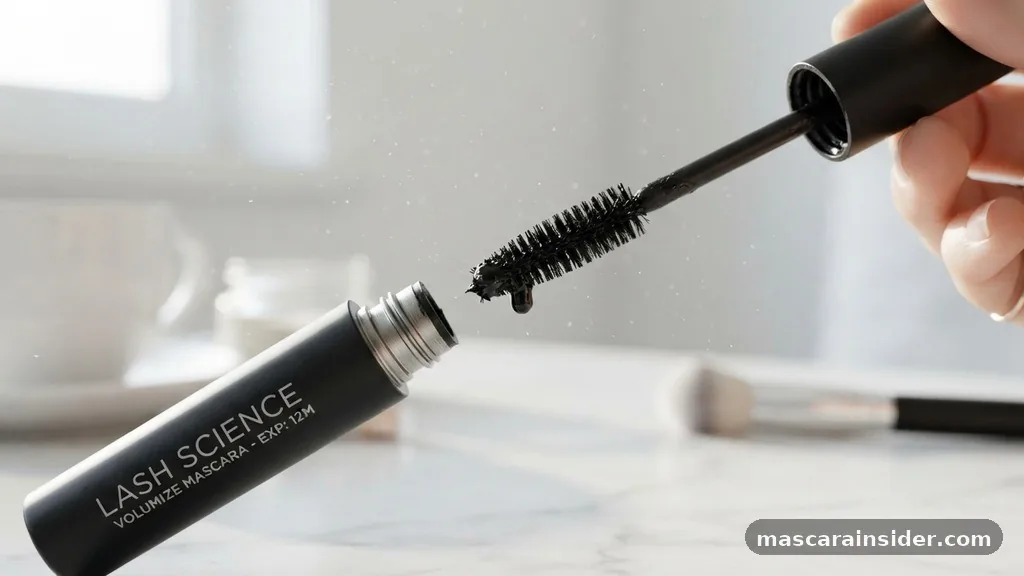
Knowing how often to replace mascara is essential for maintaining healthy eyes and achieving a flawless makeup application. While it is tempting to keep using a favorite tube until the very last drop, the reality is that the dark, damp environment inside the container is a breeding ground for microorganisms. Once you break the seal, the clock starts ticking on your product’s safety.
By understanding the risks associated with expired cosmetics and learning the signs of a product that has gone bad, you can protect your vision while ensuring your lashes look their best. This guide breaks down the science of cosmetic longevity and provides practical tips for keeping your beauty routine safe.
The Science of Product Expiration and Eye Safety
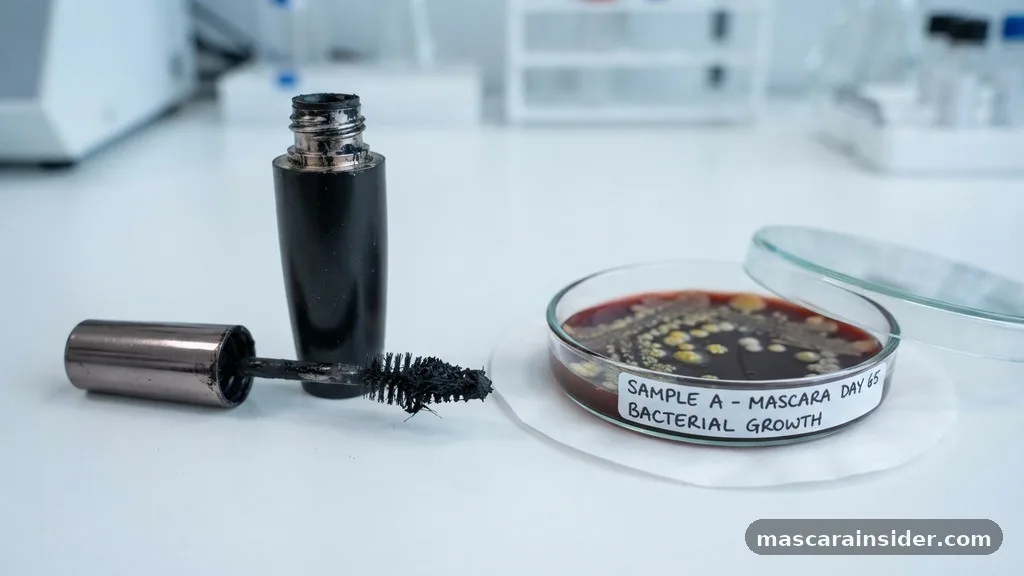
When you consider how often to replace mascara, the primary concern is not just product performance, but your long-term eye health. Cosmetics are formulated with preservatives designed to inhibit the growth of microorganisms, but these chemical barriers lose their efficacy over time.
Every time you remove the mascara wand from the tube and reinsert it, you introduce air, skin cells, and microscopic debris into the formula. This process creates an environment where bacteria can thrive, eventually leading to a contaminated cosmetic that poses a direct threat to your delicate ocular tissues.
The eyes are particularly sensitive to irritation and infection. If you use a product that has surpassed its recommended lifespan, you risk introducing pathogens like Staphylococcus aureus directly to your lash line. These bacteria can cause minor discomfort or more severe conditions, such as conjunctivitis or styes.
Because the eye area lacks the thick skin barrier found elsewhere on the body, it is highly susceptible to inflammation. Maintaining a strict replacement schedule is the most effective way to minimize these risks and keep your eyes clear and comfortable.
Deciphering the PAO Symbol on Your Packaging
To determine exactly when your specific product should be discarded, you should look for the PAO symbol, which stands for period after opening. This is a small icon on your mascara packaging—usually shaped like an open jar with a number and the letter “M” inside, such as “6M” or “3M.”
This symbol indicates the number of months the manufacturer guarantees the product will remain stable and safe for use once the seal is broken. Ignoring this industry standard is a common mistake that often leads to unnecessary risks.
While the shelf life of an unopened product can be several years if stored in a cool, dark place, the clock effectively resets the moment you unscrew the cap. Most eye makeup, particularly liquid formulas like mascara, has a shorter window than powders or lip products.
A “6M” label means you should toss the tube six months after your first use, regardless of how much product remains inside. If you cannot find a PAO symbol, a general rule of thumb is to replace your mascara every three months to ensure maximum safety.
Identifying Signs of Bacterial Growth
Beyond following the manufacturer’s suggested dates, you must pay attention to the physical state of your makeup. If you notice a change in texture, smell, or performance, it is time to discard the tube immediately.
One of the most common signs that a dry formula has been compromised is a clumpy, thick consistency that refuses to apply smoothly to the lashes. If the product develops a strange, sharp, or musty odor, this is a major red flag indicating that the preservatives have broken down and allowed bacterial growth to occur.
Another indicator is persistent eye irritation or redness that coincides with your makeup routine. If your eyes feel itchy, gritty, or watery after application, stop using the product instantly.
It is possible that your mascara has become a breeding ground for bacteria, or that you have developed a sensitivity to the ingredients as they have degraded. Never try to “revive” a dry or clumpy tube by adding water or oil, as this dilutes the preservatives and accelerates the rate at which microorganisms can multiply within the container.
The Role of Makeup Hygiene in Preventing Infection
Proper makeup hygiene goes beyond just knowing how often to replace mascara; it also involves how you handle the product during your daily routine. Many people unknowingly contaminate their cosmetics by sharing them with friends or testers at beauty counters.
You should never let anyone else use your mascara, and you should avoid using store testers directly on your eyes. If you must test a product in a store, always use a disposable, single-use wand and apply it to the back of your hand rather than your lash line.
Consider the following practices to keep your eye makeup safer for longer:
- Always wash your hands before applying any eye makeup to prevent transferring oils and bacteria.
- Avoid “pumping” the wand in and out of the tube, as this forces air inside and dries out the formula.
- Keep your makeup bag clean and store it in a cool, dry place away from direct sunlight.
- Remove all eye makeup thoroughly every night to prevent residue buildup on your lashes.
- Replace your mascara immediately if you have recently recovered from an eye infection.
Comparing Longevity Across Different Eye Products
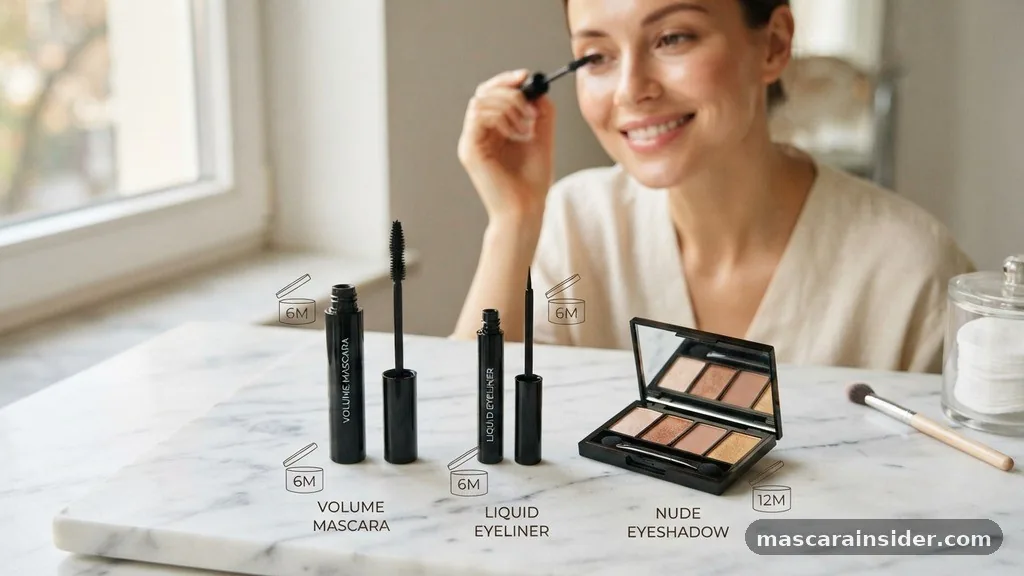
While mascara has one of the shortest lifespans in your makeup bag, other products also have specific expiration timelines. Understanding these differences helps you maintain an organized and safe collection.
Because mascara is a liquid applied to a sensitive area, it requires more frequent replacement than solid or powder-based cosmetics. Products that involve frequent contact with the skin or the eye, such as eyeliners and brow gels, also carry a higher risk of contamination than pressed eyeshadows.
The table below outlines the general replacement guidelines for common eye and facial cosmetics:
| Product Type | Typical Replacement Frequency |
|---|---|
| Mascara | 3 Months |
| Liquid Eyeliner | 3 to 6 Months |
| Cream Eyeshadow | 6 Months |
| Powder Eyeshadow | 1 to 2 Years |
| Brow Gel | 3 to 6 Months |
Addressing Topical Gaps: Why Mascara Expires Faster
A common question is why mascara expires so much faster than other products like lipstick or blush. The answer lies in the combination of the applicator design and the chemical makeup of the product.
Mascara is a water-based emulsion, which is the ideal medium for bacteria to grow. Unlike a lipstick, which you can wipe clean or sharpen, the mascara wand is constantly re-entering the tube, effectively “seeding” the product with whatever bacteria lived on your lashes or in the air.
Furthermore, the narrow neck of the mascara tube does not allow for deep cleaning or sanitizing. Once the interior of the tube is contaminated, there is no way to sterilize it. While some people attempt to boil their mascara or use alcohol, these methods are ineffective and can actually damage the formula.
The beauty product expiration standards exist specifically because liquid products in narrow containers cannot be safely cleaned once opened. Accepting that mascara is a short-term consumable is the best way to maintain your long-term health.
Does Mascara Age You or Impact Lash Health?
There is a misconception that using mascara, or using it too often, can cause premature aging of the eye area. While the product itself does not cause wrinkles, the way you remove it can. If you are aggressive when scrubbing off waterproof formulas, you are pulling and tugging at the thin, delicate skin around the eyes.
Over time, this mechanical stress can contribute to the breakdown of collagen and elastin, leading to fine lines. The key is to use a gentle, oil-based makeup remover that dissolves the product so it slides off without friction.
Regarding lash health, using an old, dried-out mascara can make your lashes brittle and prone to breakage. When the formula loses its moisture, it becomes stiff on the lash, which can lead to snapping when you try to remove it.
Furthermore, if you are experiencing eye irritation from a contaminated tube, you may rub your eyes frequently, which can lead to lash loss. Prioritizing fresh products and gentle removal techniques ensures your lashes stay strong and your eye area remains smooth.
The Environmental Impact of Frequent Replacement
While safety is the priority, the waste generated by frequent makeup replacement is a growing concern for many consumers. Since you are discarding your mascara every three months, you might be looking for ways to reduce your environmental footprint. The best approach is to be a more conscious consumer.
Instead of buying multiple tubes of mascara at once, purchase only what you will realistically use within the three-month window. This prevents you from having to throw away half-used tubes that have expired.
Look for brands that offer recyclable packaging or have take-back programs for used cosmetic containers. While you cannot reuse the wand or the tube for health reasons, many beauty companies are now creating programs where you can send back your empty plastics for proper recycling. By focusing on quality over quantity and choosing brands with sustainable practices, you can balance your commitment to eye health with a sense of environmental responsibility.
Tracking Your Makeup Usage
To stay on top of your routine, consider keeping a simple log of when you open your products. A small sticker on the base of your mascara tube with the date you opened it can serve as a helpful reminder. This removes the guesswork and helps you avoid the “is this still good?” dilemma.
If you have a large collection, you might also use a dedicated app or a simple spreadsheet to track your items. This level of organization ensures that you never accidentally keep a product longer than its recommended shelf life.
If you struggle to remember, try to tie your replacement schedule to a recurring event, such as the start of a new season. Every three months—at the beginning of spring, summer, autumn, and winter—go through your makeup bag and toss anything that has reached its limit.
This habit keeps your routine fresh and ensures you are always using products that are at their best performance level. It also provides a great opportunity to declutter your vanity and keep your space clean.
Conclusion
Prioritizing your ocular health means being diligent about how often to replace mascara. While it might feel wasteful to discard a tube that still contains product, the risks of bacterial infection far outweigh the cost of a new item. By respecting the PAO symbol, practicing good hygiene, and knowing the signs of a compromised product, you can enjoy your beauty routine without compromising your well-being.
Remember that your eyes are irreplaceable, and they deserve the highest standard of care. Taking a few moments every few months to refresh your makeup bag is a small but vital investment in your long-term health. Stay consistent, stay clean, and keep your eyes healthy by making timely replacements a non-negotiable part of your beauty regimen.
Can I use mascara for 2 years?
No, mascara should never be used for two years; it must be replaced every three months maximum.
When should you throw out your mascara?
Throw out your mascara three months after opening, or immediately if the formula changes, smells, or causes irritation.
Does mascara on lower lashes age you?
Applying mascara to lower lashes does not age you, but aggressive removal techniques can cause fine lines.
How long should a mascara last?
Mascara typically lasts three months, as the formula is prone to bacterial growth once the seal breaks.
Can I add water to my mascara to make it last longer?
Never add water or oil to mascara, as this dilutes preservatives and encourages rapid, dangerous bacterial growth.
What is the PAO symbol on my makeup?
The PAO symbol is an open jar icon with a number indicating months of safe product usage.
What happens if I use expired mascara?
Using expired mascara can lead to eye infections, conjunctivitis, styes, and chronic irritation from accumulated bacterial growth.


