

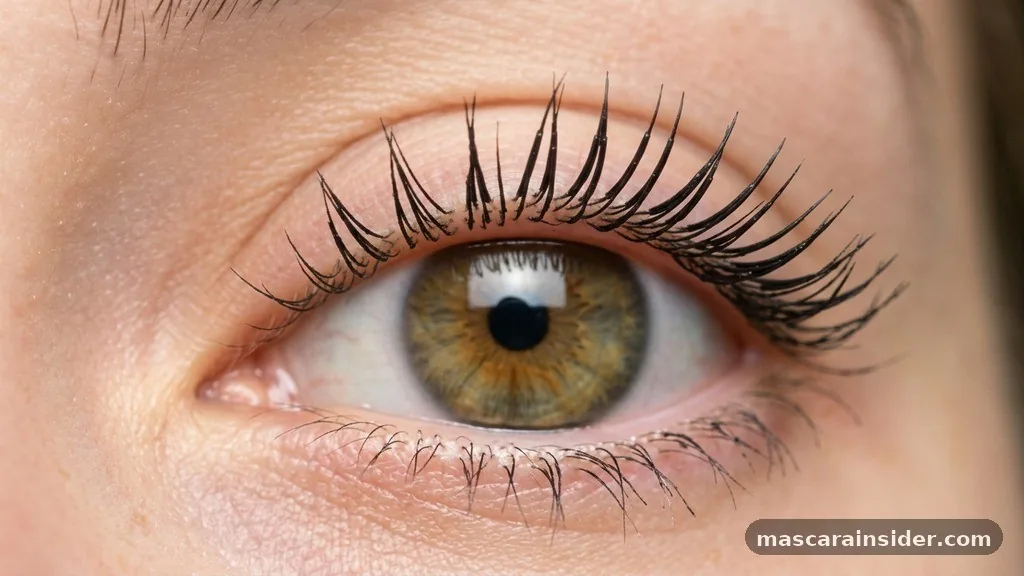
Many beauty enthusiasts often ask if tubing mascara is waterproof because the product behaves so differently from traditional formulas. Understanding the distinction between water-resistant properties and actual waterproof capabilities is essential for choosing the right makeup for your lifestyle. While these products are famous for staying put through long days, their unique removal process often leads to confusion about their durability in wet conditions.
Tubing mascara is not technically waterproof, but it is highly smudge-proof and resistant to many environmental factors. Instead of staining your lashes with pigment, these formulas use film-forming polymers to wrap each individual lash in a tiny, durable sleeve. This tube-like coating stays locked in place until you decide to take it off, making it a favorite for those who struggle with traditional mascara smearing under their eyes.
How Tubing Mascara Differs from Traditional Formulas
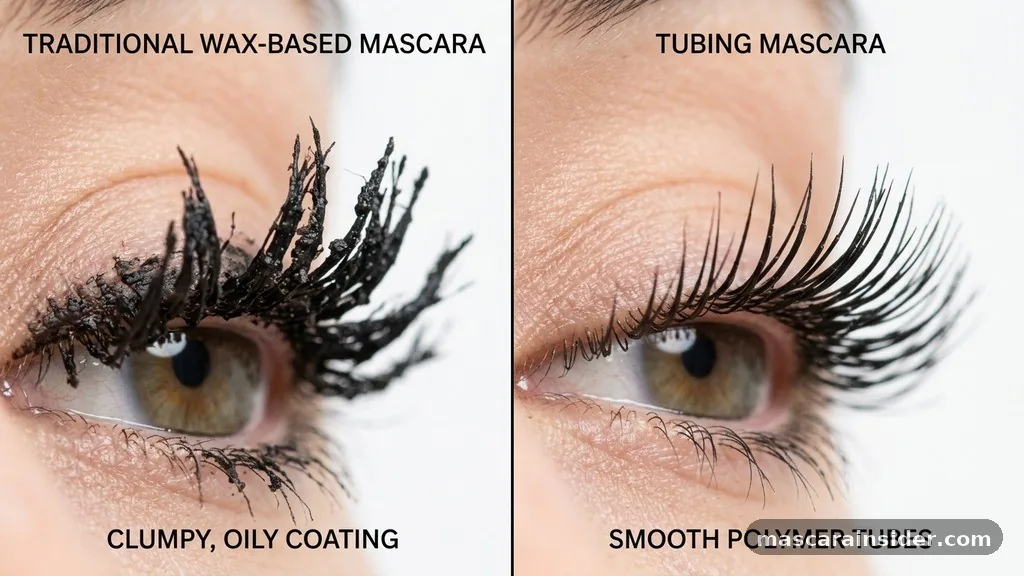
Traditional mascaras are typically oil-based or wax-based, designed to coat the lash and build volume through layers of pigment. Because these traditional formulas often contain waxes that can melt or break down when exposed to natural skin oils, they are prone to smudging throughout the day. When you apply a classic mascara, it adheres to the hair, but it doesn’t create a physical seal that is entirely impervious to moisture or friction.
Tubing mascara, by contrast, relies on polymer technology to create a structural change on the surface of your lashes. Once the product dries, it forms a series of flexible, water-resistant tubes that hug the lash from root to tip.
Because these tubes are physically bonded to the lash rather than just sitting on top as a paste, they are significantly more resistant to the oils produced by your skin. This is why people with oily eyelids often find that this product prevents the dreaded “raccoon eye” effect.
The structural integrity of these polymers means that the mascara won’t flake or smudge, even when you rub your eyes lightly or experience light humidity. However, the chemistry is specifically engineered to release when it encounters a specific set of conditions. Unlike oil-based formulas that require a harsh cleanser to dissolve, these tubes are designed to slide off the lash when they encounter a combination of friction and warm water.
Understanding the Mechanics of Water Resistance
While many users want to know if tubing mascara is waterproof, it is more accurate to describe it as humidity-proof and highly durable against sweat. Because the tubes are effectively non-porous once they set, they won’t run down your face if you get caught in a light drizzle or if you happen to tear up during a movie. The sebum resistance provided by the polymers is a major selling point, as it keeps the product looking fresh from morning until night.
However, the term “waterproof” in the cosmetic industry usually refers to formulas that are completely insoluble in water and require heavy-duty solvents to remove. Tubing mascara does not meet this strict definition.
If you were to submerge your face in a pool or go for a long swim, the water would eventually begin to soften the polymers. Once the integrity of the tube is compromised by prolonged saturation, the entire structure can slide off the lash.
This unique behavior makes it an excellent middle ground for people who need long-wear performance but want to avoid the damage associated with waterproof mascara. Traditional waterproof formulas can be incredibly drying and difficult to remove, often leading to lash breakage during the cleansing process. Tubing mascara offers the longevity of a long-wear product without the need for aggressive rubbing or oil-based removers that can irritate the sensitive eye area.
The Truth About Swimming and Intense Moisture
If you are planning to go swimming, you should be aware that tubing mascara is not the best choice for total submersion. While it can withstand splashes or a quick dip, it is not designed to stay intact under the pressure of water for an extended period. Because the formula is activated by water, a prolonged session in a pool, ocean, or hot tub will likely cause the tubes to detach from your lashes.
Many users find that the product begins to “shed” in the water, which is actually a safer alternative to traditional waterproof mascara that might stay stuck to your lashes and cause irritation. If you are a competitive swimmer or someone who spends hours in the water, you might find that the mascara starts to migrate or come off entirely. For these specific activities, a truly waterproof, oil-based formula is usually more reliable, though it comes with its own set of challenges regarding removal.
For daily life, including gym sessions, humid weather, and rainy commutes, tubing mascara is more than capable of holding its own. It is particularly effective for those who experience “tear-resistant” needs, such as people who wear contacts or have sensitive eyes. Since the tubes don’t flake, you don’t have to worry about tiny particles of pigment falling into your eyes and causing discomfort throughout the day.
Why Removal Method Matters
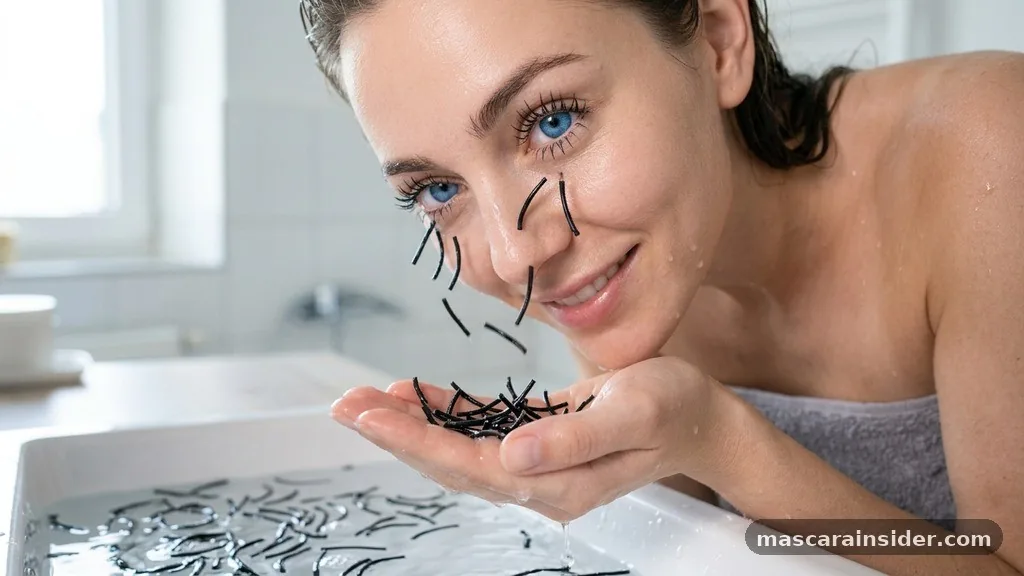
The most defining feature of this product is its warm water removal process. You do not need an oil-based makeup remover or a heavy-duty balm to dissolve the mascara.
Instead, you simply saturate your lashes with warm water and apply gentle pressure with your fingers or a soft cloth. As the water penetrates the polymers, the tubes lose their grip on the lashes and slide off in small, string-like pieces.
This method is incredibly gentle on the delicate skin around the eyes. Because you aren’t scrubbing, you are far less likely to cause premature wrinkles or pull out your natural lashes. Many dermatologists and ophthalmologists recommend these formulas for contact lens wearers or individuals with sensitive skin because the removal process is so clean and requires no harsh chemicals.
It is a common mistake to try and remove tubing mascara with a standard makeup wipe. If you use a wipe without first soaking the lashes in warm water, you will find yourself pulling and tugging at your lashes, which can lead to damage. Always prioritize the warm water step; it is the key to keeping your lashes healthy and ensuring the product comes off easily without leaving a trace of residue behind.
Comparing Tubing Mascara to Other Types
To help you decide if this product fits your routine, it is useful to compare how it stacks up against standard volumizing or lengthening mascaras. The following table highlights the primary differences in performance and maintenance.
| Feature | Traditional Mascara | Tubing Mascara |
|---|---|---|
| Removal | Oil-based cleanser required | Warm water only |
| Smudge Resistance | Moderate to Low | High |
| Waterproof | Often yes | No (Water-resistant) |
| Lash Health | Can be drying | Generally gentle |
| Finish | Builds volume | Lengthens and defines |
As you can see, the choice depends largely on your priority. If you need a product that can withstand a professional swim meet, you should stick with a traditional waterproof formula.
However, if your main concern is daily smudge-proofing, office-friendly wear, and easy, non-damaging removal, the benefits of the tubing variety are hard to ignore. It is a fantastic option for those who want a polished look that stays consistent all day without the fuss of a deep-clean routine every night.
Addressing Common Misconceptions
A persistent myth suggests that because tubing mascara is not waterproof, it will run if you get emotional. This is largely untrue.
Because the formula is moisture-wicking and stable, a few stray tears will not dissolve the tubes instantly. It takes a deliberate, sustained amount of warm water and pressure to break the bond of the polymers.
Another misconception is that these formulas cannot provide volume. While they are best known for their lengthening properties, many modern brands have developed formulas that include lash fibers to add thickness and volume alongside the length.
You can layer these products just like traditional mascara, provided you allow each coat to dry slightly before adding the next. This prevents the tubes from clumping together and keeps your lashes looking separated and fluttery.
Finally, some people worry that since the tubes slide off, they might fall into the eye and cause irritation. In reality, the tubes are quite soft and flexible.
Because they are designed to be removed with water, they don’t have the hard, crusty texture of traditional mascara flakes. They tend to come off in solid, manageable pieces that are easily wiped away from the skin during your evening skincare routine.
Top Benefits for Specific Users
Tubing mascara is widely considered lash extension safe, making it the ideal choice for anyone currently wearing semi-permanent extensions. Because it doesn’t require oil for removal, it won’t break down the adhesive used to attach synthetic lashes. This allows you to add a little extra drama to your lash line without compromising the longevity of your professional set.
For those with hooded eyelids, the struggle of mascara transferring onto the brow bone is a daily battle. Since the formula is so resistant to the oils on your skin, it rarely transfers, even if your lids are naturally oily. This makes it a staple for anyone who has struggled for years to find a product that doesn’t leave them looking like they have dark shadows under their eyebrows by noon.
The weight of the formula is another distinct advantage. Traditional waterproof mascaras can be quite heavy and stiff, which sometimes causes lashes to droop after curling.
Tubing formulas are lightweight and flexible, helping your lashes retain their curl throughout the day. If you have straight lashes that struggle to hold a shape, the combination of a good eyelash curler and a tubing formula can be a game-changer for your eye makeup routine.
Troubleshooting Common Application Issues
Even with the best products, you might encounter issues if your technique isn’t quite right. One common problem is clumping, which happens when you apply too much product or try to add layers too quickly.
Since the formula is designed to form a film, it needs a few seconds to set. If you keep running the wand through wet lashes, you might disrupt the formation of the tubes and cause them to bunch up.
Another issue is the “spider lash” look, which can occur if the brush picks up too much product. To avoid this, always wipe the excess mascara off the wand on the edge of the tube before applying it to your lashes. This gives you more control and ensures that you are coating each lash evenly rather than depositing a thick glob of formula that will eventually dry into a clump.
If you find that the mascara is not coming off as easily as expected, you might not be using enough water or the water might not be warm enough. Cold water will not activate the polymers effectively.
Ensure that the water is comfortably warm—not hot—and let it sit on your lashes for a few seconds before you begin the removal process. This gives the tubes the time they need to soften and release their grip.
Topical Gaps: What You Should Know
There is a significant gap in information regarding whether these formulas are safe for those with specific eye conditions or allergies. Generally, tubing mascaras are considered hypoallergenic, but you should always check the ingredient list for specific sensitivities. Since they don’t contain the waxes and heavy oils found in traditional formulas, they are less likely to clog pores or cause milia around the eye area.
Another frequently overlooked point is the shelf life of these products. Because they rely on water-soluble polymers, they can sometimes dry out faster in the tube if not capped tightly.
It is important to ensure the lid is screwed on securely after every use to maintain the consistency of the formula. If you notice the product becoming thick or stringy, it is a sign that it has reached the end of its lifespan and should be replaced.
Finally, consider the environmental impact of your beauty routine. Many tubing formulas are easier to remove without the need for disposable cotton pads soaked in chemical makeup removers.
By using just water and your fingers, you are not only saving time but also reducing the amount of waste generated by your daily beauty habits. This makes it a more sustainable choice for those looking to simplify their routine while remaining conscious of their environmental footprint.
Frequently Asked Questions
No, it is water-resistant, meaning it stands up to sweat and humidity but dissolves in warm water.
Can you wear tubing mascara while swimming?
It is not recommended for swimming, as prolonged submersion in water will cause the tubes to slide off.
Does tubing mascara smudge if you cry?
It is highly resistant to smudging, so it will typically stay in place even if you get teary.
Is tubing mascara safe for sensitive eyes?
Yes, it is often recommended for sensitive eyes and contact lens wearers because it requires no harsh removers.
How do you remove tubing mascara properly?
You simply saturate your lashes with warm water and gently slide the tubes off with your fingertips.
Can I use an oil-based cleanser to remove it?
You can, but it is unnecessary and may not be as effective as using warm water and friction.
Does tubing mascara cause lash damage?
No, it is generally gentler than traditional mascara because you don’t need to scrub to remove it.
When considering your next mascara purchase, remember that while tubing mascara is not strictly waterproof, its unique formula offers significant advantages for daily wear. By providing a smudge-proof, long-lasting finish that is easy to remove, it addresses many of the common frustrations associated with traditional makeup. Whether you are dealing with oily skin, sensitive eyes, or just a busy schedule, this technology offers a reliable and gentle solution.
If you’re ready to simplify your routine and improve the health of your lashes, try switching to a tubing formula for your next look. You will likely find that the ease of use and the clean removal process make it a permanent fixture in your vanity. Take the time to master the warm water removal technique, and you will enjoy the benefits of a product that truly works with your life, not against it.


