

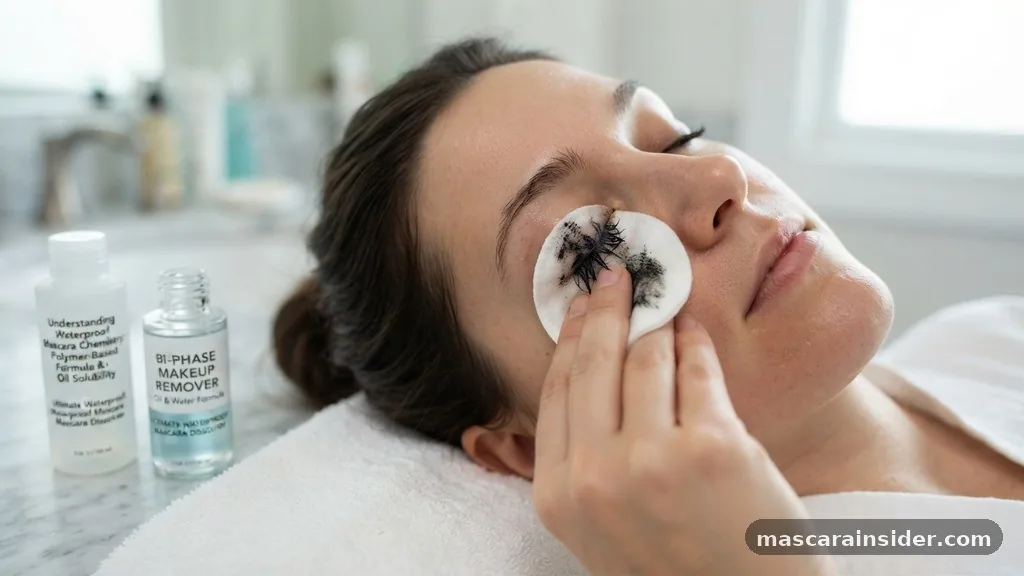
Finding the best thing to remove waterproof mascaras often feels like a battle against your own lashes. These long-wear formulas are designed to resist sweat, tears, and humidity, which makes them notoriously stubborn when it comes time for your evening routine.
Using the wrong technique or harsh rubbing can lead to premature shedding or breakage, ultimately compromising your eyelash health. By choosing the right solvent—whether it’s a specialized formulation or a household staple—you can dissolve these polymers safely without tugging at the delicate skin around your eyes.
Understanding Waterproof Mascara Chemistry
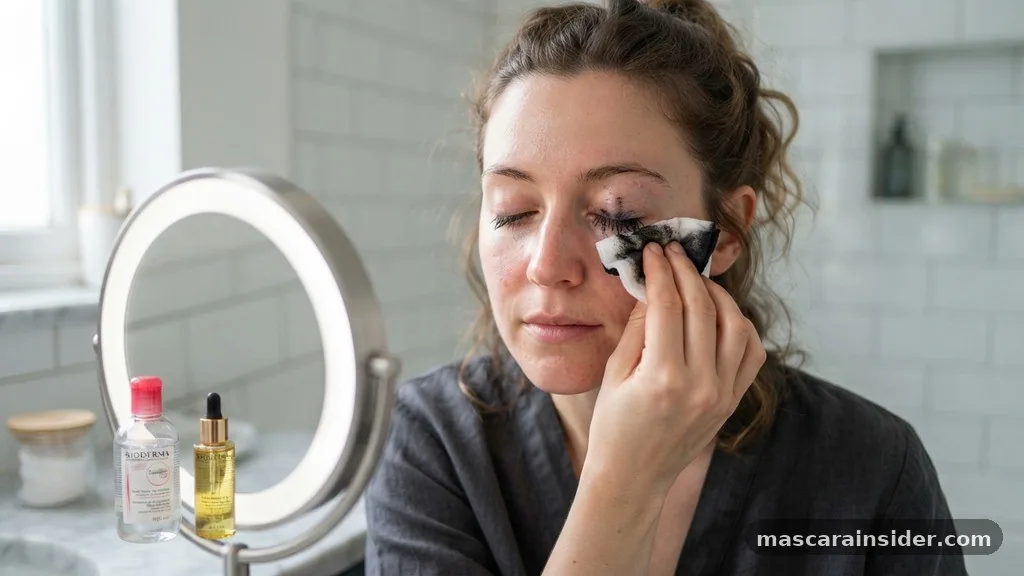
Waterproof mascara relies on synthetic polymers and waxes that create a water-resistant film. Unlike standard formulas that wash away with soap and water, these products require a solvent that can break down lipophilic (oil-loving) ingredients. If you try to remove them with water-based gels, you will likely end up with smudging instead of removal.
The secret to effective cleansing is emulsification. When you apply an oil-based product, the lipids bind to the waxes in the mascara, effectively lifting the pigment away from the hair shaft.
This process allows you to wipe away the product smoothly. Without proper emulsification, you risk leaving residual mascara on your lashes, which can dry out the hair and cause it to become brittle overnight.
The Efficacy of Oil-Based Cleansers
An oil-based cleanser is widely considered the gold standard for dissolving high-performance eye makeup. These products are formulated to be compatible with the oily nature of waterproof formulas, allowing them to penetrate deep into the lash coating. Because they are designed for the face, they generally include surfactants that help rinse the oil away cleanly, leaving no greasy film behind.
When using an oil-based cleanser, apply a small amount to your dry fingertips. Gently massage the product into your lashes using circular motions. This mechanical action helps break the bond between the mascara and the lash.
After about thirty seconds of massaging, add a splash of warm water to the area. This turns the oil into a milky consistency that washes off easily.
Using Cleansing Balms for Tough Formulas
A cleansing balm provides a solid-to-oil texture that offers excellent control during the removal process. Because the balm doesn’t drip like liquid oil, it stays exactly where you put it, minimizing the risk of it running into your eyes and causing ocular irritation. Many beauty experts prefer balms because they often contain nourishing ingredients like vitamin E or plant-based extracts that condition the lashes while they work.
To get the most out of your balm:
- Scoop a pea-sized amount onto dry, clean hands.
- Warm the product between your palms until it melts into a smooth oil.
- Massage the oil directly over closed eyelids, focusing on the lash roots.
- Use a soft cotton pad soaked in warm water to gently wipe away the dissolved pigment.
- Follow up with a second cleanse if you notice any stubborn flakes remaining.
Natural Alternatives: Oils and Petroleum Jelly
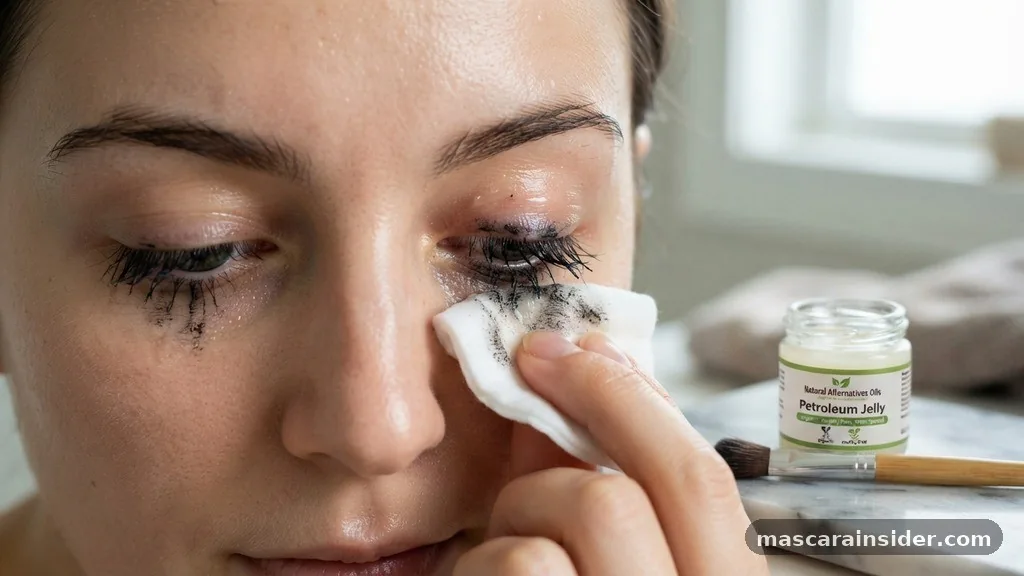
If you find yourself out of specialized products, you can turn to common household items. Jojoba oil, almond oil, and coconut oil are all effective at breaking down the waxes in waterproof mascara. Jojoba oil is particularly popular because its molecular structure closely mimics the natural sebum produced by your skin, making it very gentle and unlikely to clog pores.
Petroleum jelly is another common hack for those looking for the best thing to remove waterproof mascaras on a budget. It is highly effective at coating the lashes and softening the waterproof film. However, you must be careful to remove it thoroughly afterward, as its heavy consistency can be difficult to rinse off and might cause milia or blurred vision if it enters the eye.
| Cleansing Agent | Best For | Ease of Removal |
|---|---|---|
| Biphasic Remover | Heavy-duty waterproof formulas | Very High |
| Cleansing Balm | Sensitive eyes and skin | High |
| Jojoba/Almond Oil | Natural, budget-friendly care | Moderate |
| Petroleum Jelly | Emergency situations | Low (requires thorough rinse) |
The Role of Biphasic Makeup Removers
A biphasic makeup remover consists of two distinct layers—an oil-based phase and a water-based phase—that you must shake together before use. The oil component dissolves the stubborn wax, while the water phase ensures that the area feels refreshed rather than greasy. This combination makes it one of the most efficient tools for rapid makeup removal.
Always use a high-quality, soft cotton pad when applying a biphasic formula. Soak the pad, place it against your closed eyelid, and hold it there for ten to fifteen seconds. This “soaking” step is critical.
It allows the solvent to work without you needing to scrub, which is the number one cause of lash loss. After the soak, a single downward swipe should remove the majority of the product.
Addressing Common Removal Mistakes
Many people struggle with removal because they adopt habits that are counterproductive. One major issue is the use of harsh, dry tissues or rough towels.
These materials create friction, which pulls at the eyelashes and can damage the hair follicles. Always opt for soft, reusable bamboo rounds or gentle cotton pads that won’t leave lint behind.
Another common oversight is failing to cleanse the bottom lash line properly. We often focus on the upper lashes, forgetting that residual mascara left on the lower lashes can lead to morning smudging or even eye infections. Make sure to use a small, pointed cotton swab dipped in your remover to clean the base of the lower lashes carefully.
How to handle sensitivities and ocular irritation
If your eyes are prone to redness or stinging, focus on fragrance-free, ophthalmologist-tested formulations. Some people react poorly to essential oils or preservatives found in standard cleansers. If you notice any burning, rinse immediately with cool water and switch to a pure, cold-pressed oil like jojoba, which is generally hypoallergenic and very soothing for the delicate eyelid skin.
Can I use micellar water for waterproof mascara?
Standard micellar water is typically designed for light makeup or water-soluble formulas. While some newer versions are labeled as “waterproof-friendly,” they often require significantly more rubbing than an oil-based cleanser. If you prefer using micellar water, look for a version that contains an added oil phase specifically formulated for high-resistance makeup.
Why does my mascara leave a black shadow under my eyes?
This “panda eye” effect usually happens when the cleansing product hasn’t fully emulsified the mascara. If you don’t allow the oil to sit and break down the waxes, the pigment simply smears across your skin rather than lifting away. Spend more time massaging the lash roots with your fingertips before using a wipe or pad to remove the excess.
Is it bad to leave waterproof mascara on overnight?
Yes, it is highly discouraged. Leaving mascara on overnight causes the lashes to become stiff and rigid, making them prone to snapping when you toss and turn on your pillow.
Furthermore, the buildup can clog the hair follicles and the meibomian glands, which can lead to styes or persistent eye irritation. Always perform a thorough gentle cleansing routine before bed.
Does the order of cleansing matter?
Yes, the order is important. You should always remove your eye makeup first, ideally using an oil-cleansing method or a dedicated eye makeup remover, before you wash the rest of your face. If you wash your face first, you risk smearing the mascara remnants across your clean skin, which forces you to scrub your eyes harder later on.
What if I wear contact lenses?
If you wear contact lenses, you should remove them before using any oil-based cleansers or balms. Oil can coat the surface of your lenses, causing blurry vision and potentially trapping bacteria. Always remove your contacts, perform your makeup removal, and then wait a few minutes before putting them back in or heading to sleep.
Are there long-term risks to using waterproof mascara?
While waterproof formulas are convenient, the daily need for robust removal can be taxing on your lashes. If you notice your lashes becoming thinner or shorter over time, consider switching to a tubing mascara for daily wear. Tubing mascaras wrap lashes in water-soluble polymers that slide off with only warm water, eliminating the need for harsh oils or friction entirely.
Finding the best thing to remove waterproof mascaras is a personal process that depends on your skin type and how much effort you want to put into your nightly routine. Whether you prefer the simplicity of a balm or the efficiency of a biphasic liquid, the most important rule is to prioritize patience. By allowing your chosen product to dissolve the mascara, you protect your lashes from unnecessary stress and keep your eyes feeling fresh and healthy.
If you’re currently struggling with lash breakage or irritation, try switching to a gentler oil-based method tonight and notice the difference. Consistent, soft care is the most effective way to maintain long-term lash health while still enjoying your favorite high-performance makeup products.


