

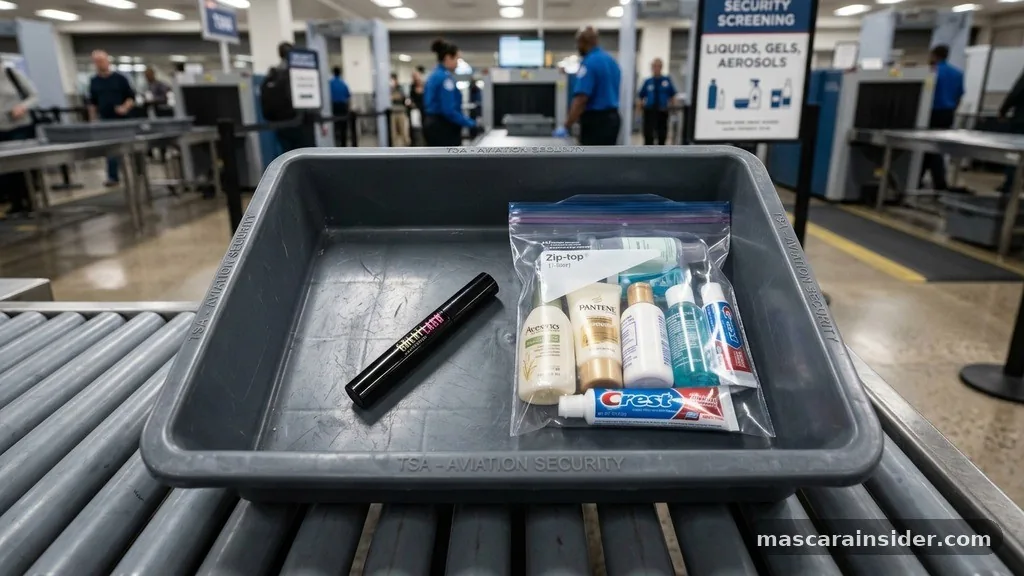
Navigating airport security can feel like a high-stakes game of trivia, especially when you are trying to figure out which of your beauty products belong in your quart-sized bag. Many travelers find themselves standing at the TSA checkpoint wondering if mascara is considered a liquid when flying, leading to last-minute panic as they decide whether to toss a favorite tube or risk a secondary screening.
Understanding how security agents classify your makeup will save you time and stress, ensuring you arrive at your destination with your beauty routine intact. By grasping the nuances of consistency and volume, you can pack with confidence and breeze through the terminal without a second thought.
Defining Liquid Regulations at the TSA Checkpoint
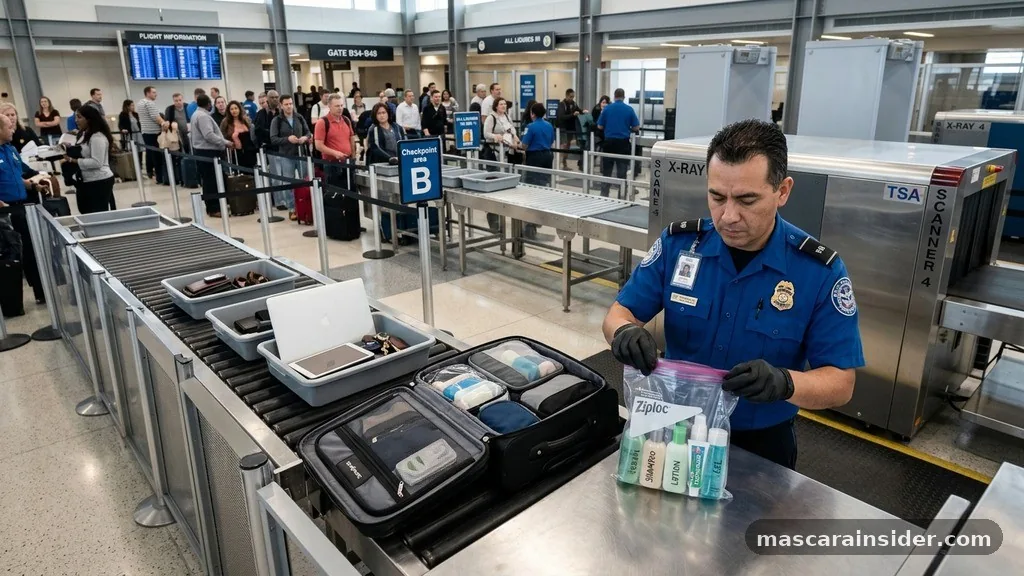
The TSA is famously strict about the 3-1-1 rule, which dictates how you handle items in your carry-on baggage. When asking whether mascara is considered a liquid when flying, the answer is a definitive yes.
The agency classifies almost any substance that can be spread, pumped, squeezed, or poured as a liquid or gel. Because your mascara is a viscous substance designed to be applied with a wand, it falls squarely under the jurisdiction of the liquids rule.
Security officers look at the makeup consistency to determine if an item poses a potential risk. If you can smear it, squirt it, or pour it, you should treat it as a liquid. This includes everything from heavy foundations to clear lip glosses.
While a single tube of mascara is unlikely to exceed the fluid ounces limit on its own, it must still be placed inside your clear, quart-sized bag along with your other toiletries. Failing to do so can lead to a messy inspection where a security agent might ask you to pull it out for a closer look, delaying your passage through the screening area.
Why Viscosity Matters for Airport Security
The core of the issue lies in cosmetic viscosity. Airport security screening technology is designed to detect explosive materials, many of which share a similar molecular structure or density with common household liquids and gels.
Because mascara has a thick, semi-solid texture, it can look suspicious on an X-ray scanner if it is buried deep inside a cluttered bag. By separating these items into a transparent pouch, you help agents verify that your items are standard personal care products rather than anything prohibited.
When you pack your makeup, think about how the product behaves at room temperature. If you left the tube open, would it slowly flow or maintain its shape? Products like mascara, eyeliner gels, and liquid concealers all share this flowable quality.
Even if you consider them “creams” or “pastes,” the TSA classifies them broadly. It is safer to assume that anything with a wet or semi-wet texture needs to follow the same protocols as your shampoo, conditioner, or toothpaste. Staying mindful of this ensures you don’t run into issues when the security line is moving quickly.
Managing Your Toiletry Bag Efficiently
To avoid any friction at the TSA checkpoint, keep your toiletry bag organized and accessible. You should place your mascara inside a clear, sealable plastic bag that is no larger than one quart.
This makes it incredibly easy for officers to scan your belongings without needing to touch your personal items. If you are a frequent traveler, investing in a high-quality, reusable silicone or clear vinyl bag is a great way to keep your essentials contained and easy to reach.
Remember that the limit for individual containers is 3.4 ounces, or 100 milliliters. Since most mascara tubes are significantly smaller than this—usually clocking in at around 0.2 to 0.3 ounces—you are well within the legal limit for volume. The main hurdle isn’t the size of the tube, but the visibility of the item during the screening process.
By grouping all your gel-based makeup and liquid products together, you create a streamlined experience. If you try to hide your mascara in a side pocket of your carry-on, you are much more likely to be pulled aside for a manual bag check, which is exactly what you want to avoid.
Differentiating Between Solids and Liquids
Many travelers struggle to identify where the line is drawn between a solid and a liquid. For example, while mascara is definitely a liquid, what about your favorite powder blush or eyeshadow palette? These are generally considered solids and do not need to go in your quart-sized bag.
However, cream-based products that come in a compact—like a cream highlighter or a pot of gel eyeliner—are treated the same way as your liquid foundation. If you can push your finger into the product and leave a dent that doesn’t immediately bounce back, it is likely a gel or cream.
Common Beauty Products and Their TSA Classification
| Product Category | TSA Classification | Action Required |
|---|---|---|
| Mascara | Liquid/Gel | Must go in quart-sized bag |
| Powder Blush | Solid | No special storage needed |
| Liquid Foundation | Liquid | Must go in quart-sized bag |
| Gel Eyeliner | Gel | Must go in quart-sized bag |
| Lipstick (Solid) | Solid | No special storage needed |
| Lip Gloss | Liquid | Must go in quart-sized bag |
| Pressed Eyeshadow | Solid | No special storage needed |
This table provides a quick reference for common items. If you are ever in doubt about a specific product, the safest bet is always to include it in your liquids bag. There is no penalty for being overly cautious, but there can be a significant headache if you leave a prohibited item in your carry-on and it gets flagged by a security officer.
Addressing Topical Gaps: The Gray Areas of Beauty
A frequent question involves items that sit on the fence, such as stick foundations or solid perfumes. While these are technically solid, if they have a high oil or wax content that softens significantly in the heat, they might be scrutinized. Some travelers wonder about the difference between a lip balm and a lip gloss.
A standard waxy lip balm is usually considered a solid, whereas a squeeze-tube gloss is a liquid. If you have a product that feels like it could melt or spread under pressure, treat it as a liquid to be safe.
Another gap involves the “11 new items” that some travelers hear about regarding airport security. While TSA rules evolve, the core restriction on liquids, aerosols, and gels remains the foundation of their security protocol. There are no secret exemptions for luxury brands or specific types of cosmetics.
Whether you are carrying a budget-friendly drugstore mascara or a high-end designer product, the rules regarding personal care items apply universally. Focus on the physical state of the product rather than the brand or the container type.
The Importance of Travel-Sized Containers
When you are preparing for a long trip, you might be tempted to bring your entire vanity set. However, space in your quart-sized bag is limited. If you have larger bottles of skincare or foundation, consider transferring them into travel-sized containers.
While you likely won’t need to do this for a standard mascara tube, it is a great strategy for other liquid makeup products. By downsizing your containers, you free up physical space in your bag, allowing you to fit more items while remaining compliant with security regulations.
Using smaller containers also helps you stay organized. Labeling your travel bottles can prevent confusion when you are getting ready in a hotel bathroom or a cramped airplane lavatory. If you are worried about leakage, wrap the tops of your containers with a small piece of plastic film before screwing on the lid.
This simple step prevents your liquid makeup from ruining your clothes or other electronics in your carry-on baggage. Even though mascara is leak-resistant by design, keeping it upright in your bag is always a good practice.
How to Handle Secondary Screenings
Even if you follow all the rules, there is always a small chance that your bag will be flagged for a secondary screening. If this happens, don’t panic. It doesn’t necessarily mean you have done anything wrong.
Sometimes a dense cluster of metal in your bag—like a collection of makeup brushes, a heavy mirror, or even a laptop charger—can obscure the view of your liquids. If an officer asks to look inside your bag, simply comply and point them to your quart-sized bag.
Usually, the agent just wants to ensure there isn’t a prohibited item hidden behind your mascara or lip gloss. If you are polite and cooperative, the process is almost always quick and painless.
Avoid getting frustrated or defensive, as this only makes the interaction more difficult. By keeping your prohibited items out of your carry-on entirely and ensuring your liquids are visible, you minimize the likelihood of needing a secondary screening in the first place.
Common Mistakes to Avoid While Packing
One of the biggest mistakes travelers make is leaving their liquids scattered throughout their luggage. If you have a bottle of serum in your checked bag, a mascara in your purse, and a concealer in your laptop bag, you are setting yourself up for trouble. Consolidate everything.
If you don’t use it frequently, consider putting it in your checked luggage. Only keep the essentials in your carry-on to minimize the number of items you have to manage at the security checkpoint.
Another error is using a bag that isn’t transparent. TSA officers need to see exactly what is inside your bag without opening it. If you use a dark or opaque pouch, you will almost certainly be asked to open it or have your items dumped out for inspection.
Always use a clear, quart-sized bag. Also, avoid overstuffing it.
If the bag cannot zip shut, it is technically not compliant, and you might be asked to remove items. Keep it simple, keep it transparent, and keep it organized.
The Future of Airport Security and Beauty
As security technology continues to advance, we may eventually see changes in how liquids are screened. Some airports are already implementing advanced 3D scanners that allow passengers to leave their electronics and liquids inside their bags.
However, until these systems are universal, it is best to stick to the tried-and-true method of separating your liquids. Being proactive about TSA checkpoint regulations is the best way to ensure your travel experience remains stress-free and enjoyable.
Remember that the agents you encounter are simply doing their jobs to keep travel safe for everyone. Understanding the logic behind the rules—even when they seem inconvenient—helps you approach the process with a bit more patience. By treating your mascara and other makeup as the liquid products they are, you stay ahead of the curve and keep your focus on your trip, not on the contents of your toiletry bag.
Conclusion
Ultimately, recognizing that your mascara is classified as a liquid is the first step toward a smoother travel experience. By keeping it tucked away in a clear, quart-sized bag alongside your other gels and creams, you align yourself with standard security expectations and avoid unnecessary delays. While the rules regarding carry-on baggage might feel like a minor hurdle, they exist to keep the skies safe and the security lines moving for everyone involved.
Pack your essentials thoughtfully, double-check your liquids, and you will be ready to head to your gate with total peace of mind. Safe travels on your next journey, and may your beauty routine stay perfectly organized from takeoff to landing. Feel free to reach out if you have more questions about navigating airport security with your favorite beauty products!
Frequently Asked Questions
Yes, mascara is considered a liquid by the TSA and must be packed in your quart-sized bag.
Does lipstick and chapstick count as a liquid?
Solid lipstick and waxy chapstick are typically considered solids and do not need to be in your liquids bag.
What makeup is not considered a liquid?
Powder-based products like blush, bronzer, and eyeshadow palettes are generally classified as solids by security personnel.
Does toothpaste count as a liquid?
Yes, toothpaste has a gel-like consistency and must comply with the 3.4-ounce limit in your liquids bag.
Can I bring mascara in my carry-on?
You can bring mascara in your carry-on as long as it is placed inside your quart-sized liquids bag.
Are cream-based products treated as liquids?
Yes, any cream or gel-based makeup is treated as a liquid and must follow the standard 3-1-1 rules.
Do I need to take my makeup out of my bag?
You must remove your quart-sized bag containing your liquids from your carry-on for separate screening at the checkpoint.


