

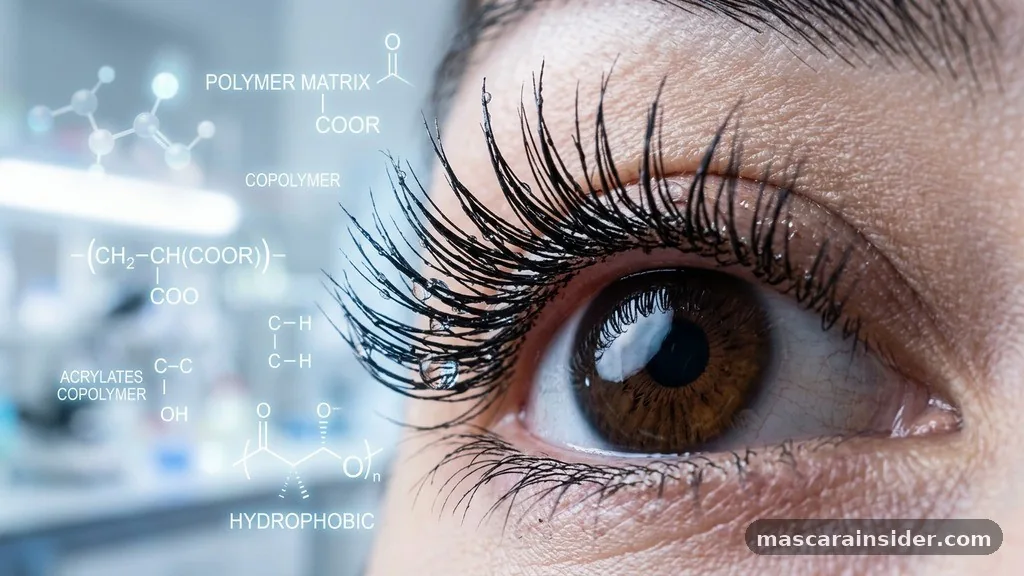
Learning how to get waterproof mascara off effectively is a rite of passage for anyone who loves long-lasting eye makeup. Because these formulas are specifically designed to resist moisture, sweat, and tears, they rely on a waterproof polymer that standard soap simply cannot dissolve. Failing to remove this product properly leads to stiff, brittle lashes that are prone to snapping.
By using the right techniques and ingredients, you can break down even the most stubborn layers without scrubbing or causing unnecessary lash breakage. This process protects the delicate skin around your eyes while ensuring your natural lashes stay healthy and strong through every application.
The Science Behind Waterproof Formulas
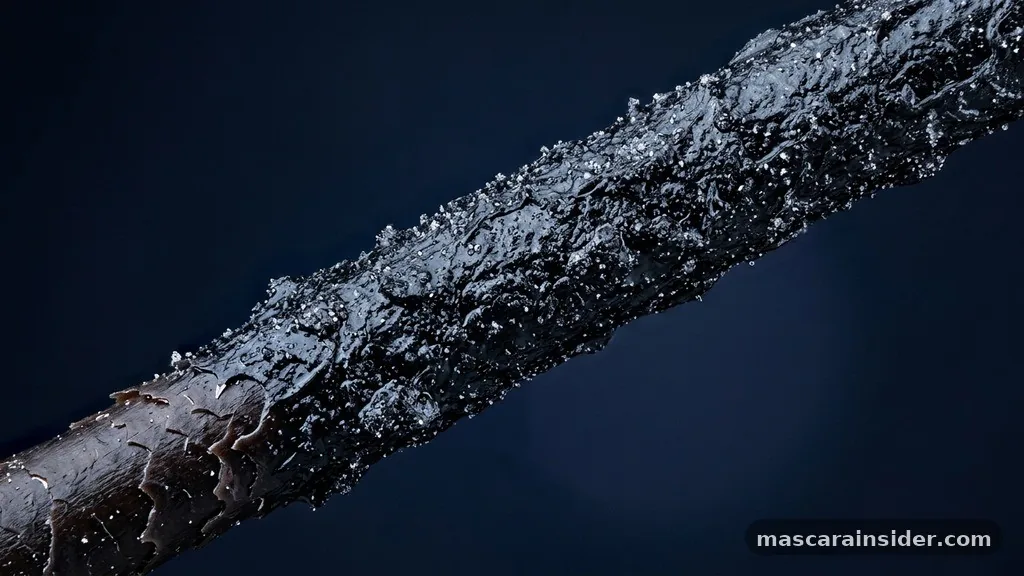
Waterproof mascara stays put because of its unique chemical composition, which creates a hydrophobic barrier on the hair shaft. Unlike regular mascara that dissolves easily in water, these formulas utilize high-molecular-weight resins and waxes.
These components ensure that the pigment remains bonded to your lashes even if you are caught in a rainstorm or swimming. Because they are designed to repel water, you cannot simply splash your face with water to clean them.
The primary goal when you are learning how to get waterproof mascara off is to neutralize the binding agents. You need a solvent that can interact with the oil-soluble nature of the waxes and polymers.
If you attempt to remove these products with water-based cleansers alone, you will likely end up with smudged eyes and sore skin. Understanding that you are essentially working with a “glue” helps you realize why mechanical force, like aggressive scrubbing, is the enemy of your lash health.
Choosing the Right Solvent for Your Eyes
Selecting the correct product is the most critical step in your nightly routine. An oil-based cleanser is generally considered the gold standard for dissolving waterproof makeup.
Oils work by mimicking the natural sebum of your skin, effectively lifting the stubborn wax off your lashes without requiring heavy pressure. Many people find that a dedicated dual-phase makeup remover works even faster, as it combines a water phase to refresh the skin and an oil phase to cut through the polymer.
When choosing a product, consider the sensitivity of your eyes. Ingredients like jojoba oil are fantastic because they are lightweight and closely resemble human skin oils, making them less likely to cause ocular irritation. If you prefer a more solid texture, a cleansing balm is an excellent alternative.
These balms melt into an oil upon contact with your body heat, allowing you to massage the product gently into the lash line. This transition from solid to liquid provides a controlled way to break down makeup without the product running into your eyes.
The Proper Technique for Gentle Removal
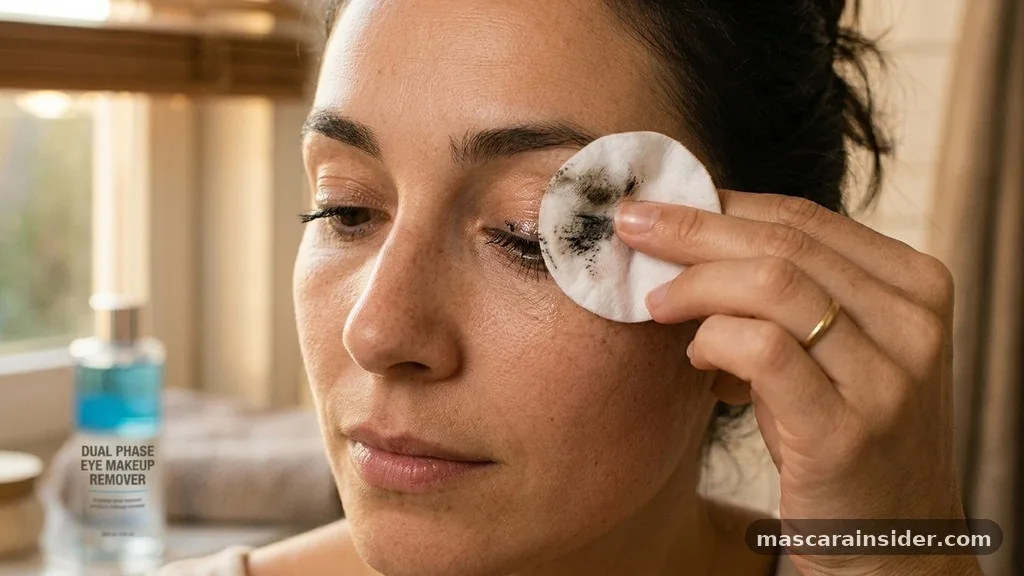
Effective removal requires patience rather than brute force. You should start by soaking a cotton pad in your chosen oil-based product or remover.
Place this pad directly over your closed eyelid and hold it there for at least thirty seconds. This “soaking” period is crucial because it allows the solvent to penetrate the layers of mascara, softening the hard polymers before you even attempt to wipe.
Once the time has passed, use a light downward sweeping motion to remove the softened product. Avoid back-and-forth rubbing, as this is the primary cause of mechanical trauma to the hair follicles.
If you notice any stubborn bits remaining at the roots, use a clean cotton swab dipped in a small amount of oil to target those specific areas. By focusing on the base of the lashes, you prevent residue buildup that can lead to clogged pores or infections over time.
Why Natural Oils Like Coconut Are Effective
If you find yourself without a store-bought remover, natural oils are often effective alternatives. Coconut oil is a popular choice for many because it is highly effective at breaking down fats and waxes. Because it is a solid at room temperature, it is easy to scoop out and warm between your fingers before application. It is a highly efficient solvent that can lift even the most intense waterproof formulas in seconds.
However, you must be careful with how you apply these natural oils. While effective, some oils can be comedogenic, meaning they might clog pores if left on the skin.
Always follow up with a gentle facial cleanser after using coconut oil to ensure no oily film remains around the eyes. If you have extremely sensitive skin, stick to lighter, non-comedogenic oils like jojoba or sweet almond oil to minimize the risk of breakouts or irritation.
Addressing Topical Gaps in Removal Knowledge
Many people struggle with the “why” behind their removal routine. A common issue is that they try to remove makeup while the face is wet.
Because oil and water do not mix, adding water to your lashes before applying your oil-based remover actually creates a barrier that prevents the solvent from reaching the mascara. You must ensure your lashes are completely dry before you apply your cleansing balm or oil.
Another frequent oversight involves the lower lash line. Many individuals focus entirely on the top lashes, leaving a ring of dark pigment under their eyes. This buildup can eventually migrate into the eye, causing discomfort or even mild inflammation.
Ensure you are using the edge of your cotton pad or a dampened cotton swab to carefully trace the lower lash line, ensuring every last bit of pigment is addressed. If you feel like your mascara is “stuck,” it is almost always because the solvent didn’t have enough time to sit and work its magic.
Managing Lash Health and Shedding
It is natural to experience some eyelash shedding during your daily routine. However, if you notice an excessive amount of hair on your cotton pad, your removal process is likely too harsh.
Every lash has a growth cycle, but mechanical stress from pulling or tugging can force them out prematurely. If you treat your lashes with the same care you would use for the skin on your face, you will notice significantly less fallout.
| Method | Best For | Ease of Use |
|---|---|---|
| Cleansing Balm | Full face and eye makeup | High |
| Dual-Phase Remover | Waterproof eye makeup only | Medium |
| Natural Jojoba Oil | Sensitive skin/Minimalist | Medium |
| Micellar Water | Light makeup removal | High |
The Role of Warm Compresses
A warm compress can be a game-changer for someone who wears heavy, layered waterproof makeup. By soaking a soft cloth in warm (not hot) water and holding it against your eyes for a minute, you soften the waxes in the mascara before you even touch it with a cleanser. This simple step makes the entire removal process much faster and requires significantly less friction.
This technique is also beneficial for your overall eye health. It helps to keep the meibomian glands in your eyelids clear, which prevents dry eyes and styes.
Incorporating this into your nightly routine is a great way to practice self-care while ensuring that your makeup removal is as efficient as possible. Just be sure the cloth is clean and the water is at a comfortable temperature to avoid burning the delicate skin of the eyelids.
Avoiding Common Mistakes That Damage Lashes
One of the biggest mistakes people make is using standard makeup wipes for waterproof formulas. These wipes are often dry and require significant gentle friction to remove the pigment, which is essentially like sandpaper on your eyelashes.
You are much better off using a liquid remover or a balm that provides lubrication. If you must use a wipe, look for one specifically labeled as “oil-based” or “for waterproof makeup” and ensure it is saturated enough to do the work for you.
Another mistake is sleeping in makeup. Even if you think you got “most of it” off, that tiny amount of remaining petrolatum or wax can harden overnight.
This makes your lashes stiff, increasing the likelihood that they will break when you rub your eyes in the morning. A consistent routine is the only way to ensure your lashes remain flexible and healthy.
Maintaining Long-Term Lash Integrity
Ultimately, maintaining the health of your natural lashes comes down to consistency. If you love the look of waterproof mascara, you must be prepared to invest the time in proper removal.
If you find your lashes are becoming thin or brittle, consider taking a break from waterproof formulas for a few days to allow your eyes to recover. You might also look into lash conditioners or serums that can help strengthen the hair follicles.
- Always use a dedicated oil-based solvent to break down the waterproof polymer.
- Avoid pulling or rubbing your lashes with dry cotton rounds.
- Apply a warm compress to soften the mascara before cleansing.
- Be thorough when cleaning the base of the lash line to prevent buildup.
- Follow up with a gentle facial cleanser to remove any oily residue.
- If lashes feel brittle, give them a break from heavy waterproof products.
- Check your products for ingredients that might trigger sensitivity or irritation.
Conclusion
Getting waterproof mascara off doesn’t have to be a struggle if you approach the task with the right tools and a gentle touch. By prioritizing oil-based solvents and allowing them the time they need to break down the resilient polymers, you protect your lashes from unnecessary breakage and your skin from irritation. Remember that your eyes are one of the most sensitive parts of your body, so treat them with the care they deserve every single evening.
A few extra seconds spent dissolving the product will pay off in the long run, leaving you with healthy, full, and vibrant lashes that are ready for your next application. If you find your current method is still causing discomfort, try rotating through the oils or balms mentioned here to find the perfect match for your skin type.
Is it safe to use baby oil to remove waterproof mascara?
Yes, it is generally safe, but ensure it is pure mineral oil without added fragrances to avoid irritation.
Why does my mascara still leave a dark ring under my eyes?
You are likely not dissolving the product completely at the root; use a cotton swab for better precision.
Can I use micellar water for waterproof mascara?
Only if the bottle specifically states it is formulated for waterproof makeup, as standard versions lack enough oil.
How often should I give my lashes a break?
If you wear waterproof mascara daily, consider taking one or two days off each week for lash recovery.
What is the best way to prevent lash breakage during removal?
Avoid scrubbing; always use a soaking method to let the oil break down the product before wiping.
Will Vaseline work for waterproof mascara?
Yes, petrolatum is an effective solvent, but it is heavy and can feel greasy, so cleanse well afterwards.
Does waterproof mascara cause more lash shedding?
It can if the removal process is too harsh, leading to mechanical damage rather than natural hair shedding.


