

Many beauty enthusiasts frequently wonder if tubing mascara is bad for your lashes, especially when comparing it to traditional formulas that often require harsh scrubbing. This unique product category has gained massive popularity for its durability and clean removal process, yet concerns about potential damage persist.
By examining the chemical composition and the physical mechanics involved in how it adheres to your hairs, we can determine whether it truly poses a risk to your lash health. Understanding these factors is essential for anyone looking to maintain long, healthy eyelashes while still achieving the desired volume and length that high-quality eye makeup provides.
The Chemical Composition of Tubing Mascara

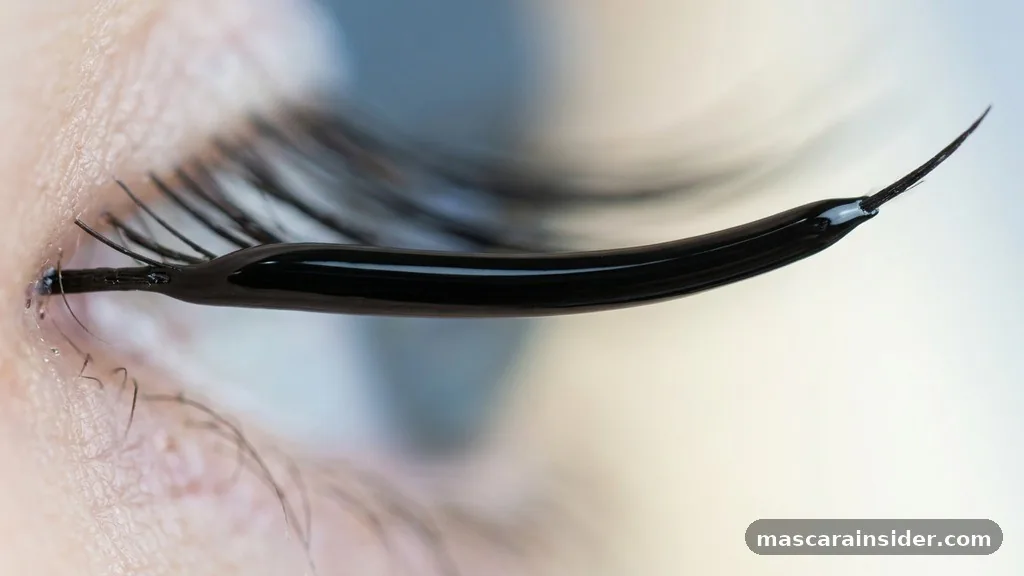
Tubing mascara differs fundamentally from standard formulas because it doesn’t rely on oils or waxes to coat the hair. Instead, it utilizes film-forming agents—specifically polymers—that shrink-wrap each individual lash in a water-resistant tube.
These synthetic polymers create a flexible, sheath-like structure that locks onto the lash shaft rather than just painting it with pigment. Because these tubes are designed to be stable under normal atmospheric humidity, they don’t smudge or run like traditional oil-based waxes might.
The chemistry behind this is quite elegant. When you apply the product, the liquid suspension allows for even distribution along the lash. As the water evaporates, the polymers cross-link to form a cohesive, solid tube.
This structure is inert, meaning it doesn’t dry out the hair or strip it of its natural oils, which is a common complaint with traditional mascaras that use alcohol or heavy solvents. Because the formula is essentially a physical sleeve, it remains intact until it encounters the specific conditions required for breakdown.
Understanding the Removal Process
The primary concern regarding whether it’s bad for your lashes often stems from confusion about how to remove it correctly. Unlike conventional formulas that dissolve into a greasy residue, tubing mascara requires warm water and gentle pressure to slide the tubes off.
When you saturate your lashes with warm water, the polymer bonds soften and loosen their grip on the hair. This allows the tubes to glide off effortlessly without the need for heavy-duty makeup removers or aggressive rubbing.
This mechanism is actually a significant advantage for those with sensitive eyes. Because you aren’t forced to use chemical-heavy removers or cotton pads to scrub away stubborn pigment, you significantly reduce the risk of mechanical trauma to the eyelid margin.
If you follow the instructions, the tubes slide off in one piece, leaving behind a clean lash. The process is designed to be the antithesis of the harsh, friction-filled cleansing rituals that often lead to lash loss.
Mechanical Friction and Lash Breakage Risks
A major factor in lash breakage is the physical force applied during the removal of eye makeup. Traditional waterproof formulas are notorious for their persistence, often requiring repetitive scrubbing with oil-based cleansers or micellar water.
This repetitive friction is one of the leading causes of premature lash shedding. When you pull, tug, or twist your lashes to remove stuck-on pigment, you weaken the follicle and increase the likelihood of breaking the hair shaft.
Tubing mascara mitigates this risk by eliminating the need for friction. Since the tubes are designed to detach when they reach a certain temperature threshold, you are essentially performing a gentle cleansing routine.
If you find yourself pulling at your lashes, you are likely not using enough warm water or allowing enough time for the polymers to soften. When used correctly, the product should feel like it is simply slipping off your lashes, leaving the delicate hair structure completely undisturbed.
Comparing Tubing Formulas to Waterproof Alternatives
When we analyze if tubing mascara is bad for your lashes, it is helpful to contrast it with standard waterproof mascara. Waterproof formulas rely on heavy waxes and volatile solvents to create a hydrophobic barrier.
These ingredients can make your lashes brittle over time, as they often prevent the hair from receiving proper moisture. Furthermore, the removal of these products is notoriously difficult, which almost guarantees some degree of mechanical stress.
| Feature | Tubing Mascara | Waterproof Mascara |
|---|---|---|
| Primary Binding Agent | Synthetic Polymers | Waxes and Oils |
| Removal Method | Warm water slide-off | Oil-based cleanser/friction |
| Lash Health Impact | Low risk of breakage | Potential for brittleness |
| Ease of Cleaning | Very high | Low |
As shown in the table, the structural difference in how these products interact with your lashes is significant. Tubing formulas do not penetrate the hair cuticle in the same way that oil-based mascaras do, which helps preserve the integrity of the keratin proteins. By choosing a product that slides off, you are actively choosing to preserve your natural lash density.
Addressing Concerns for Sensitive Eyes
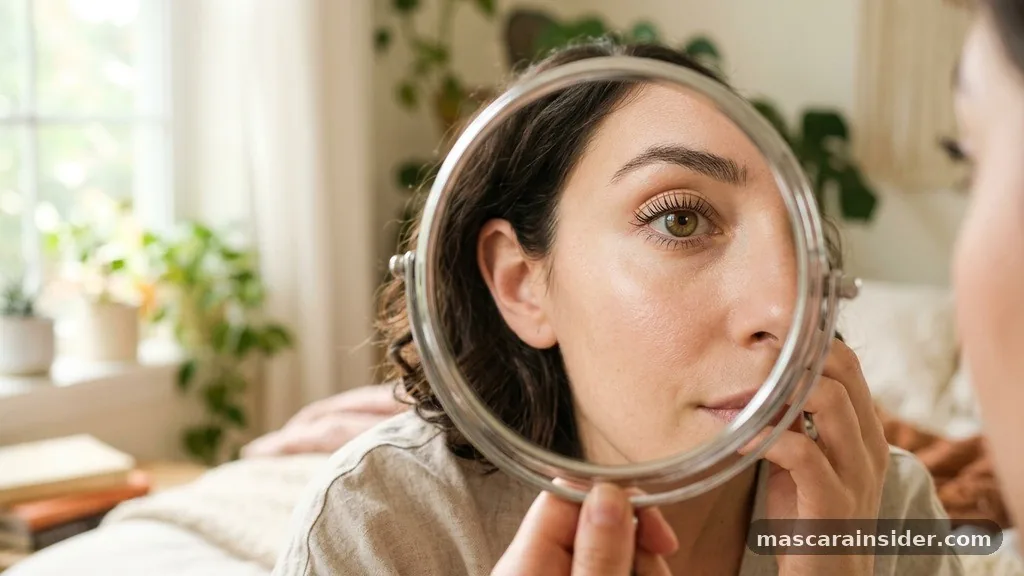
For users with sensitive eyes, finding a product that doesn’t cause irritation is a constant battle. Many traditional mascaras contain fragrances, preservatives, and pigments that can trigger allergic reactions or contact dermatitis.
Because tubing mascaras are often formulated with a simpler list of mascara ingredients, they are frequently a safer bet for those prone to redness or itching. The polymers used are typically inert, meaning they are less likely to cause a chemical reaction on the delicate eyelid skin.
Additionally, because the product doesn’t migrate or smudge throughout the day, there is less risk of small particles falling into the eye. Flaking is a common cause of eye irritation, and since tubing mascara stays firmly wrapped around the lash, it doesn’t crumble into the ocular surface.
If your eyes are easily bothered by makeup, switching to a tubing formula can be a game-changer for your daily comfort. Always look for an ophthalmologist-tested label to ensure the product has been verified for safety around the eye area.
Tubing Mascara and Lash Extensions
Many people ask if they can use these formulas with lash extensions. Generally, it is best to avoid any mascara with extensions, but if you must use one, tubing formulas are the only ones that are remotely compatible. Because they don’t require oil for removal, they won’t dissolve the adhesive used to attach your extensions.
However, you must be extremely careful. The act of applying and removing any product, even a tubing one, can still put stress on the extension bond.
If you choose to wear mascara with extensions, ensure you are using a water-based tubing formula. Avoid any products that contain oils, as even a small amount can cause the extensions to shed prematurely.
The primary risk here isn’t the mascara itself, but the potential for the removal process to snag the base of the extension. Always consult your lash technician before adding any product to your routine, as they are the best judge of your specific lash health and retention needs.
Common Topical Gaps in Lash Care Advice
A common gap in existing content is the lack of focus on the health of the lash follicle itself. While we talk about the hair shaft, we often neglect the eyelid margin. If you leave any residue behind—regardless of whether it’s tubing or traditional mascara—you risk clogging the meibomian glands.
These glands are responsible for producing the oil that keeps your eyes lubricated. Clogged glands can lead to styes, dryness, and general eye discomfort.
Regardless of your mascara choice, a thorough but gentle cleansing routine is mandatory. Even with tubing mascara, you should use a lash-safe cleanser to ensure no residual polymers are left at the base of the lash line. This practice ensures that your follicles remain clear and healthy, promoting optimal lash growth.
Don’t assume that because a product is “easy to remove” that you can skip a proper nightly cleanse. A clean eyelid is the foundation of healthy, long-lasting lashes.
Myths and Realities of Lash Shedding
There is a pervasive myth that tubing mascara causes excessive lash shedding. In reality, your lashes have a natural growth and shedding cycle that occurs regardless of what makeup you wear. You typically lose between one and five lashes per day.
When you use a mascara that creates a visible tube, it is much easier to see these fallen lashes on your cotton pad or in the sink. This creates the illusion of increased shedding.
Because the tubes are dark and solid, a lash that falls out naturally will stay encased in its tube, making it appear much more prominent than a naked lash would. This visual feedback can be alarming if you aren’t expecting it.
However, it is important to distinguish between “mechanical lash loss” caused by aggressive removal and the “natural shedding” that occurs as part of your biological cycle. If you aren’t pulling at your lashes, the product is not causing them to fall out prematurely.
Best Practices for Maintaining Lash Health
To ensure you are getting the most out of your mascara while keeping your lashes healthy, follow these professional tips:
- Always use lukewarm water; avoid scalding hot water, which can irritate the skin around your eyes.
- Allow the water to soak into the lashes for 30 seconds before attempting to slide the tubes off.
- Never pull or tug at the lashes if the tubes don’t slide off easily; apply more water instead.
- Incorporate a lash serum if you feel your lashes need extra hydration or strength.
- Replace your mascara every three months to prevent bacterial growth in the tube.
- Ensure your eye area is completely dry before applying the mascara to prevent clumping.
- Use a clean spoolie brush to comb through your lashes after application for better separation.
By following these simple steps, you can enjoy the aesthetic benefits of tubing mascara without compromising the health of your natural lashes. The key is to treat your eye area with the same level of care you would provide to any other sensitive part of your body. Consistency in your application and removal routine is the best defense against any potential damage.
Conclusion
Evaluating whether tubing mascara is bad for your lashes reveals that, when used properly, it is arguably one of the safest options available. By utilizing polymers that require only water for removal, you eliminate the need for the harsh friction and oil-based solvents that are the true culprits behind lash breakage. While it may seem like you are losing more lashes due to the visibility of the shed hairs, this is simply a visual byproduct of the formula’s design.
If you prioritize gentle removal and maintain a clean lash line, you can safely enjoy the long-lasting, smudge-proof benefits of tubing formulas. If you are ready to switch, start by choosing a high-quality, ophthalmologist-tested option and observe how your lashes respond over a few weeks of consistent use.
Is tubing mascara actually safer for my lashes?
Yes, it is generally safer because it eliminates the need for harsh scrubbing and oil-based makeup removers.
Does tubing mascara cause my eyelashes to fall out?
No, it does not increase shedding; it only makes naturally fallen lashes more visible due to the tube.
Can I use tubing mascara every single day?
Absolutely, as long as you remove it gently with warm water and keep your lash line clean nightly.
Is it difficult to remove tubing mascara?
It is quite easy; simply saturate your lashes with warm water and gently slide the tubes off.
Are there any ingredients in tubing mascara that damage lashes?
Most formulas use inert polymers that are non-damaging, though you should always check labels for personal sensitivities.
Does tubing mascara work for people with sensitive eyes?
Yes, it is often recommended for sensitive eyes because it avoids the need for irritating, chemical-heavy makeup removers.
Should I use a lash serum while wearing tubing mascara?
Yes, using a lash serum is a great way to support lash health regardless of the mascara you choose.


