

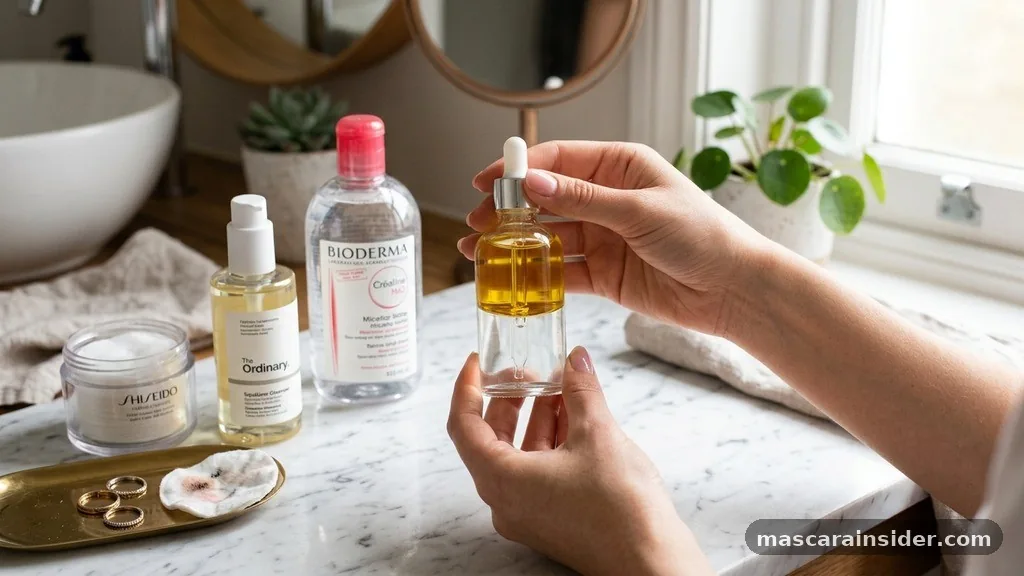
Learning how do you take off waterproof mascara without damaging your delicate lashes is a skill every makeup enthusiast needs. Waterproof formulas are designed to resist moisture, meaning they cling tenaciously to hair fibers through sweat, rain, and tears. While this longevity is a blessing during long days, it often turns into a chore when you finally want to clean your face.
If you pull or tug too hard, you risk losing lashes or irritating your sensitive skin. By choosing the right solvents and techniques, you can melt away even the most stubborn products while keeping your eyes healthy and refreshed.
Selecting the Right Makeup Solvent for Waterproof Formulas
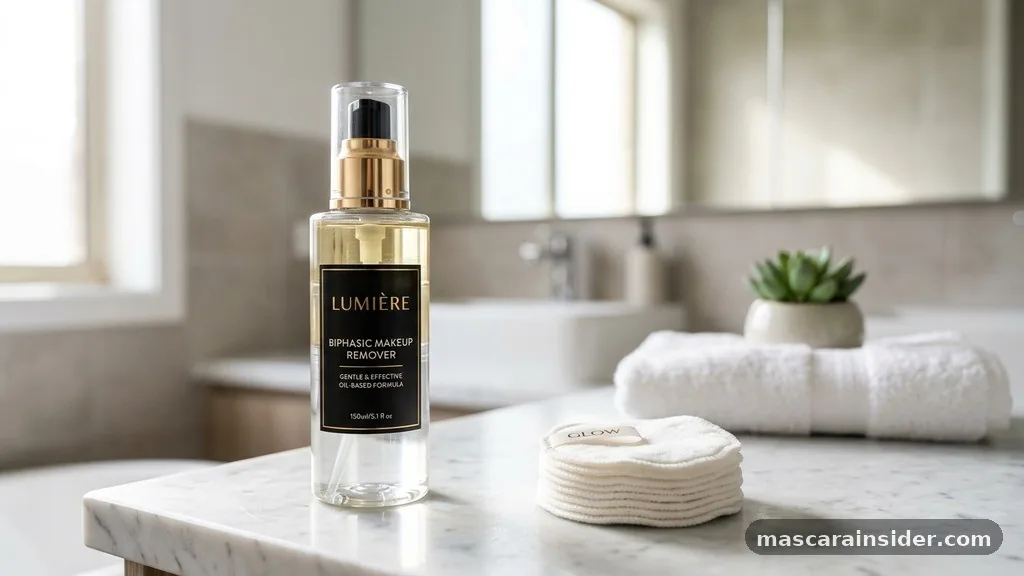
The most effective way to remove long-wearing eye makeup is to use a product specifically formulated to break down polymers and waxes. Because waterproof mascara is designed to be hydrophobic, traditional soap and water will rarely get the job done. Instead, you need a makeup solvent that can dissolve these bonds without requiring excessive friction.
Many people find success with a biphase makeup remover, which consists of an oil layer and a water-based layer that you shake together before application. This combination is particularly potent because the oil component breaks down the mascara, while the water portion helps lift the debris away from your eyelid skin.
If you prefer a more luxurious ritual, a cleansing balm is an excellent alternative. These solid oils melt into a liquid state upon contact with your body heat, allowing you to massage the product directly into your lash line. This method is generally safer for your lashes because it provides “slip,” reducing the need for gentle rubbing that often leads to fallout.
When choosing your remover, look for ingredients that prioritize skin barrier health. If you are prone to breakouts, ensure your oil-based cleanser is non-comedogenic so that it doesn’t clog pores around your eye area while you work to remove the day’s pigment.
The Step-by-Step Removal Process
Once you have selected your preferred product, the technique you use is just as important as the formula itself. Start by saturating a cotton pad with your chosen remover. Place the soaked pad over your closed eye and hold it there for at least thirty seconds.
This patience is key; it gives the ingredients time to penetrate the layers of mascara so you don’t have to scrape at your lashes later. After the wait, gently wipe downward following the natural growth pattern of your lashes. Avoid back-and-forth scrubbing, as this is the primary cause of mechanical lash breakage.
After the initial wipe, you might notice some lingering pigment near the base of the lashes. Take a clean cotton swab dipped in a small amount of your remover to carefully detail the area between the lashes. This step ensures that no residue is left behind to cause irritation or morning puffiness.
Once the mascara is fully dissolved, follow up with a mild, water-based cleanser to remove any oily film left by the solvent. This double-cleansing approach is the industry standard for ensuring your pores remain clear and your eyes stay comfortable.
| Method | Best For | Key Benefit |
|---|---|---|
| Biphase Remover | Heavy waterproof makeup | Rapidly breaks down polymers |
| Cleansing Balm | Sensitive eyes | Reduces friction and tugging |
| Natural Oils | Emergency situations | Hydrates lashes while cleaning |
Using Natural Oils for Stubborn Mascara
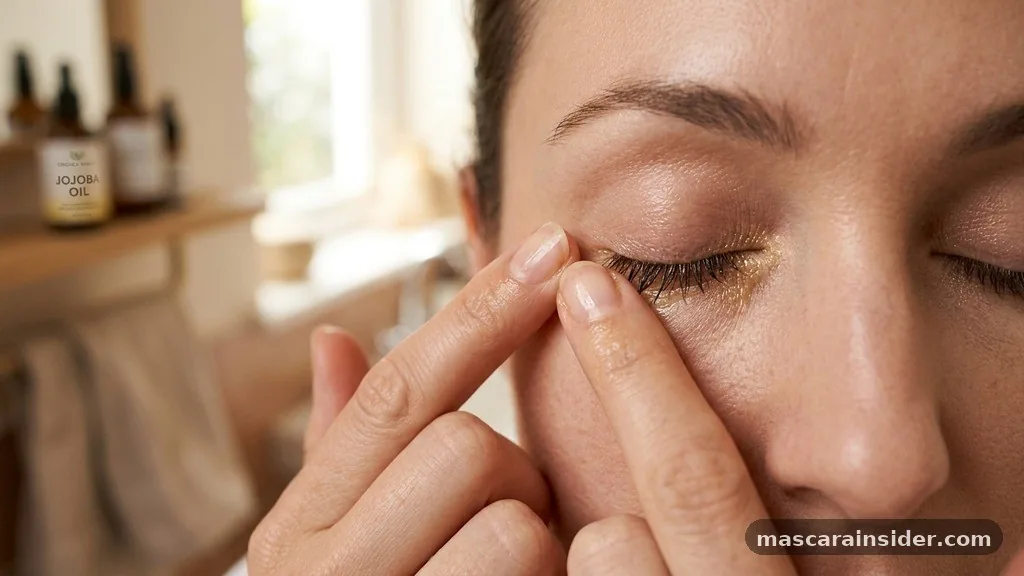
If you find yourself without a specialized remover, you can often turn to household oils to safely dissolve waterproof mascara. Oils like jojoba oil, coconut oil, or almond oil are highly effective because they work on the principle of “like dissolves like.” These oils are lipophilic, meaning they bond with the oils and waxes in the mascara, effectively loosening them from your lashes.
To use this method, apply a small amount of oil to your fingertips and gently massage it into your lashes. The warmth of your skin helps the oil penetrate the mascara effectively, making it easy to wipe away with a damp cloth.
However, there are a few precautions to keep in mind when using natural oils. Coconut oil can be comedogenic for some people, potentially causing milia or small bumps around the eyes if not washed off thoroughly. Furthermore, if you wear eyelash extensions, you should strictly avoid oil-based products.
Oils will dissolve the adhesive used to bond the extensions to your natural lashes, leading to premature shedding. In such cases, always stick to an oil-free cleanser specifically formulated for use with extensions to maintain their longevity and appearance.
Addressing Common Challenges and Topical Gaps
Many people struggle with removal because they try to rush the process or use the wrong tools. A common issue is the “panda eye” effect, where mascara smears across the lower lid rather than lifting off. This usually happens when the cleanser isn’t given enough time to break down the formula.
If you find your mascara isn’t budging, try holding the saturated cotton pad for an additional fifteen seconds. Never attempt to peel or pick at the mascara, as this can easily pull out your natural lashes along with the product.
Another frequent concern involves the safety of the delicate eye area. If you notice redness or stinging, your current remover might be too harsh or contain fragrances that irritate your skin. Switching to a fragrance-free, ophthalmologist-tested formula can make a significant difference.
Additionally, if you have very sensitive eyes, avoid using micellar water that isn’t specifically labeled for waterproof makeup, as standard versions often lack the oil content required to remove heavy-duty formulas without excessive wiping. Prioritizing the health of your lash follicles by minimizing mechanical stress is the most important aspect of any effective removal routine.
- Always use a soft, lint-free cotton pad to prevent fibers from getting into your eyes.
- Avoid pulling on your eyelid skin; move the pad in the direction of lash growth.
- Double-cleanse to ensure no oily residue remains on your skin overnight.
- Check the expiration date of your makeup remover; old products lose their efficacy.
- Consider using a spoolie brush to gently work oil through the lashes if the mascara is very thick.
Conclusion
Mastering how do you take off waterproof mascara is essentially about patience and using the right ingredients to dissolve stubborn waxes. By incorporating a high-quality oil-based cleanser or a reliable biphase remover into your nightly routine, you protect your lashes from unnecessary breakage and keep your eye area healthy. Remember that your eyes are one of the most sensitive parts of your face, so gentle, consistent care will always yield better long-term results than quick, forceful scrubbing.
If you have been struggling with mascara removal, try switching your technique today and notice how much easier it becomes to keep your lashes looking healthy and vibrant. Start small with a quality oil cleanser and see the difference in your nightly routine.
Does Vaseline remove waterproof mascara effectively?
Vaseline can break down waterproof mascara, but it is heavy and may clog pores around the eyes.
Why does my waterproof mascara stay on after washing?
Waterproof formulas contain polymers that require oil-based solvents to dissolve, which water alone cannot effectively break down.
Is it bad to leave mascara on overnight?
Yes, leaving mascara on causes lash brittleness, breakage, and increases the risk of eye infections or irritation.
Can I use soap to get waterproof mascara off?
Soap is generally too harsh for the eye area and often fails to dissolve waterproof, oil-based formulas properly.
How do I remove mascara if I have eyelash extensions?
Only use oil-free, extension-safe cleansers, as oils will dissolve the adhesive and cause your extensions to fall.
What is the gentlest way to remove stubborn mascara?
Using a cleansing balm and your fingers to gently massage the lashes provides the least amount of friction.
Should I use a cotton ball or pad?
A flat cotton pad is superior because it holds more product and provides a larger surface area for cleansing.


