

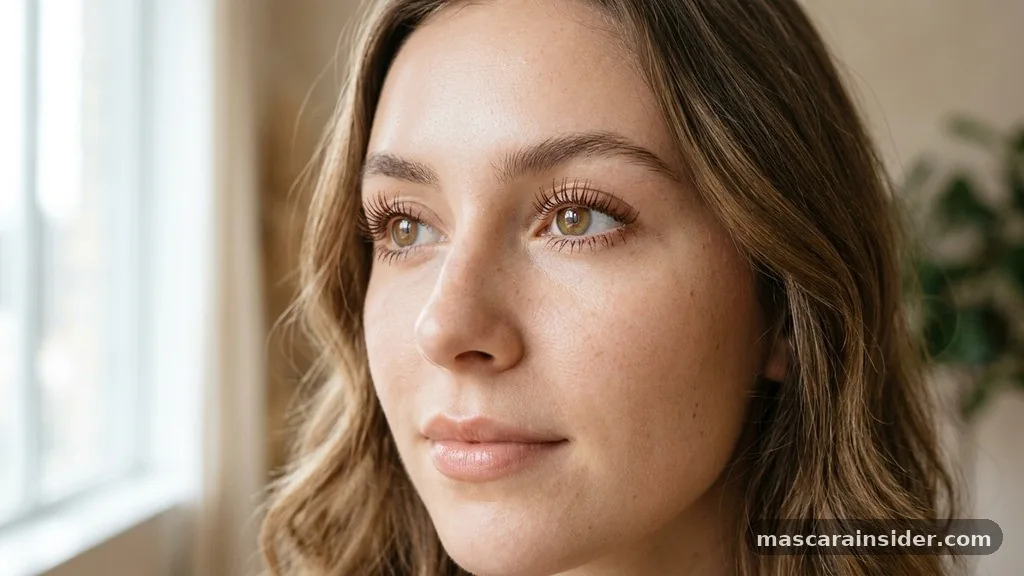
Deciding whether you should wear brown mascara often comes down to your personal style goals and your natural features. While deep black formulas have long dominated the beauty industry, softer brown shades offer a sophisticated alternative that can completely change the way your eyes pop.
If you find that intense black pigment feels too harsh for your daily look, or if you simply want to experiment with a more understated vibe, brown mascara is likely the missing piece in your collection. By understanding how different pigments interact with your complexion and hair color, you can make an informed choice that enhances your face without overpowering your other makeup choices.
The Aesthetic Benefits of Choosing Brown Over Black
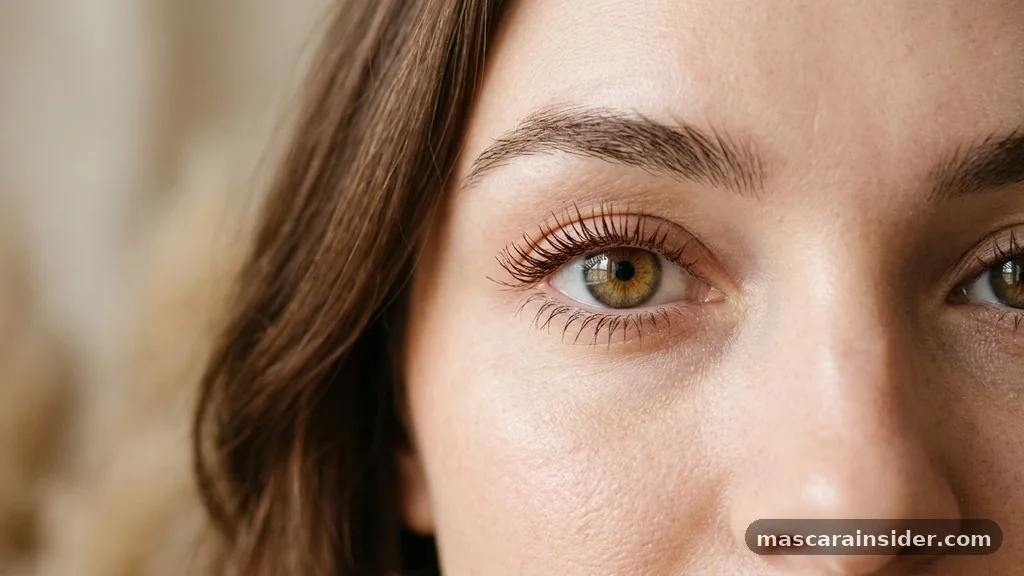
The primary reason to consider a brown formula is the soft definition it provides compared to the stark contrast of carbon black. Black mascara is designed to create maximum drama, often framing the eyes with a heavy, graphic effect that can sometimes look overwhelming during daylight hours.
In contrast, brown mascara mimics the natural color of your lashes, providing depth without the intensity. This makes it an ideal choice for a natural makeup aesthetic, where the goal is to look refreshed and polished rather than heavily made up.
Because brown lacks the deep, ink-like saturation of black, it creates a subtle shadow at the base of the lash line. This shadow defines the eyes in a way that feels organic rather than artificial.
For many, this subtle difference is the key to achieving a “no-makeup” look that still feels intentional. It’s particularly effective if you have fine or thin lashes, as it provides enough color to be visible without the clumpy, heavy buildup that black formulas sometimes cause on smaller lashes.
Matching Mascara to Your Hair Color and Complexion
Your hair color and skin tone act as the primary guides for selecting the most flattering mascara. If you have fair skin and light-colored hair, black mascara can sometimes look like a disconnect on your face, creating a harsh line that draws attention to the product rather than your eyes. Brown mascara, however, harmonizes with your natural coloring, softening your features and creating a balanced, cohesive appearance.
People with red hair often find that brown mascara is significantly more flattering than black. Since red hair often pairs with lighter, auburn-toned lashes, a dark brown or even a reddish-brown mascara complements the warmth of the hair and the skin.
This creates a balanced look that doesn’t clash with the undertones of your complexion. Similarly, if you are a blonde, a dark brown shade adds just enough definition to make your lashes stand out without the “raccoon eye” effect that can occur when light lashes are coated in high-intensity black pigment.
Enhancing Eye Color with Strategic Pigment
Beyond just skin and hair, brown mascara is a powerful tool for eye color enhancement. The warmth found in most brown formulas can pull out the hidden flecks of gold, amber, or copper in your irises, making your eyes appear brighter and more vibrant. This is especially true for those with specific eye colors that benefit from the contrast of warmer tones.
For instance, those with hazel eyes often find that brown mascara makes the green and gold tones in their eyes much more prominent. Similarly, blue eyes can look even more piercing when paired with a softer brown lash, as the lack of harsh black ink allows the clarity of the blue to take center stage. Green eyes also benefit from the warmth of brown, as the earth tones create a beautiful, complementary backdrop that makes the green appear richer and more saturated.
Brown Mascara for Mature Skin and Softened Features
As skin matures, many people find that their makeup preferences shift toward lighter, more brightening products. The skin around the eyes can become more delicate or show fine lines, and heavy black eyeliner or mascara can sometimes accentuate these features by creating too much contrast. Mature skin often looks best with softer, more diffused colors that brighten the area rather than framing it with dark, heavy lines.
Brown mascara serves as an excellent solution for those who want to maintain a youthful, open-eyed look. By opting for a brown shade, you avoid the potential for the eye area to look “closed off” or tired.
It provides enough definition to make the eyes look awake and alert, which is essential for a clean, sophisticated look. It’s a subtle adjustment that makes a significant difference in how your overall makeup profile appears throughout the day.
Integrating Brown Mascara Into Your Daytime Beauty Routine
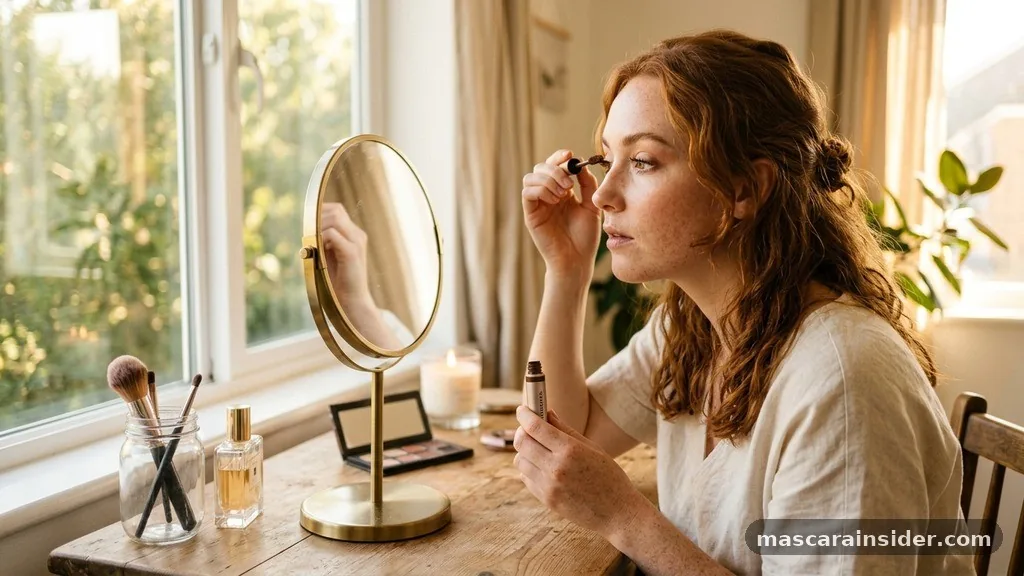
If you are building a daytime beauty routine, versatility is likely your top priority. You want products that perform well in natural light, where every detail is visible.
Brown mascara is a workhorse in this department because it looks just as appropriate in a professional office setting as it does during a weekend brunch. It provides a polished, professional appearance that doesn’t scream for attention.
Many people choose to reserve black mascara for evening events, when artificial lighting and more dramatic makeup styles are the norm. During the day, however, the pigment intensity of black can feel like overkill.
Brown mascara allows you to transition seamlessly from a morning meeting to an afternoon errand without needing to touch up or worry that your makeup looks too heavy. It is the ultimate low-maintenance beauty hack for those who want to look put-together with minimal effort.
Addressing Topical Gaps: Common Misconceptions
There are several myths surrounding brown mascara that often deter people from trying it. One of the most common is the idea that brown mascara won’t show up on dark lashes.
While it is true that a very light, milk-chocolate brown may not provide the same impact as black, modern formulations have evolved significantly. Most high-quality brown mascaras are deep, espresso-toned shades that provide excellent coverage and definition even on dark, coarse lashes.
Another misconception is that brown mascara is “boring” or lacks the ability to create volume. The efficacy of a mascara, whether brown or black, is primarily determined by the brush design and the formula’s texture rather than the color pigment itself.
You can find volumizing, lengthening, and curling mascaras in brown just as easily as in black. The color is simply a design choice, not a limitation on the performance of the product.
Why people choose brown over black
* It provides a more natural look for daytime wear.
* It prevents the harsh contrast that can occur on fair skin.
* It enhances the warmth in hazel and green eyes.
* It is less prone to looking “heavy” on mature skin.
* It offers a softer, more approachable aesthetic.
Comparing Mascara Effects on Your Look
To understand the difference, it helps to visualize the impact of different pigment choices. The following table breaks down how different hair and eye combinations typically respond to brown versus black mascara.
| Feature | Brown Mascara Effect | Black Mascara Effect |
|---|---|---|
| Fair Skin/Blonde Hair | Balanced, soft, natural | High contrast, potentially harsh |
| Hazel Eyes | Highlights gold/green flecks | Neutral, standard definition |
| Mature Skin | Softens, brightens the eye | Can emphasize fine lines |
| Daily Professional Use | Polished and understated | Dramatic and bold |
Lash Length and Texture Considerations
The physical characteristics of your lashes play a role in how a brown formula will look on you. If you have naturally long, dark lashes, you might worry that brown won’t provide enough subtle contrast to be seen.
However, the beauty of brown lies in its ability to catch the light. In direct sunlight, a dark brown mascara will appear slightly softer than black, giving your lashes a multidimensional quality that black can sometimes flatten out.
For those with blonde eyelashes, brown mascara is almost always the better choice. Black mascara on very light, transparent lashes can look like a stark, painted-on effect. Brown, on the other hand, coats the lash in a way that looks like a natural, darker version of your own hair.
It makes the lashes look thicker and more defined without the tell-tale signs of heavy product application. If your lashes are short, look for a brown mascara with a lengthening wand to maximize the impact of the color.
The Future of Brown Mascara in Beauty Trends
The beauty industry is currently shifting toward a more “clean girl” or “minimalist” aesthetic, which has brought brown mascara back into the spotlight. More brands are releasing high-performance brown formulas that rival their black counterparts in terms of longevity and curl-holding power. This trend is likely to continue as more consumers prioritize comfort and natural-looking results in their daily beauty habits.
Choosing to wear brown mascara is essentially a choice to prioritize a softer, more harmonious look. It allows you to play with your features rather than masking them.
As you experiment with different brands and shades, keep in mind that the best color is one that makes you feel confident and comfortable in your own skin. Whether you are aiming for a classic, understated look or simply want to try something different, brown mascara is a timeless addition to any beauty kit.
Frequently Asked Questions
Is brown mascara better for everyday wear?
Yes, it offers a softer, more natural look that is perfect for professional and casual daytime settings.
Does brown mascara show up on dark lashes?
Yes, modern dark brown formulas provide excellent definition and depth, even on naturally dark or coarse lashes.
Can I wear brown mascara if I have black hair?
Absolutely, it creates a subtle, sophisticated effect that can look less harsh than black in bright sunlight.
Does brown mascara make blue eyes pop?
Yes, the warm undertones in brown mascara provide a beautiful contrast that makes blue eyes look brighter.
Is brown mascara recommended for mature skin?
It is often preferred because it avoids the heavy contrast that can sometimes highlight fine lines or fatigue.
Does brown mascara work for a dramatic evening look?
It is more subtle, but you can achieve a dramatic look by layering it or pairing it with liner.
Why is brown mascara less popular than black?
Black has historically been the standard for maximum drama, but brown is gaining popularity for its natural aesthetic.
Final Thoughts on Choosing Your Mascara
Deciding to incorporate brown mascara into your rotation is a simple way to refine your aesthetic and highlight your natural features. By focusing on how the pigment interacts with your skin tone, hair color, and eye shade, you can find a formula that feels like an upgrade to your existing routine. Whether you are a fan of a minimalist look or just want to soften your daily makeup, this switch offers a subtle yet impactful change.
I encourage you to pick up a high-quality brown mascara and experiment with it for a few days; you might find that the softer definition becomes your new favorite way to frame your eyes. Feel free to share your experiences or ask any further questions about finding the perfect shade for your unique look.


