

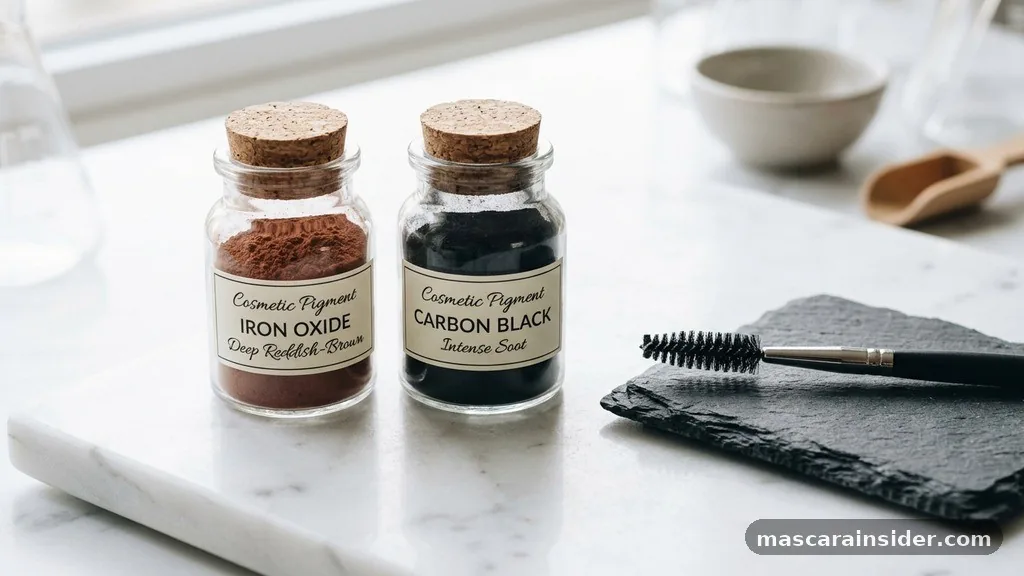
Every time you swipe a wand across your lashes, you are applying a sophisticated chemical emulsion designed to coat, thicken, and darken. Understanding what’s mascara made of reveals a complex balance of chemistry, where pigments, waxes, and conditioning agents work in harmony to achieve a desired look. While myths about exotic ingredients often circulate online, the reality is rooted in industrial chemistry and beauty science.
By exploring the components that make up your favorite tube, you can better identify which formulas align with your eye sensitivity and aesthetic goals. This breakdown peels back the label to explain exactly how these products function on your delicate lash hairs.
The Core Components of Mascara Chemistry
At its most basic level, mascara is a pigmented emulsion. This means it consists of a mixture of oil and water, held together by emulsifiers to ensure the texture remains smooth and consistent. The foundation of any high-quality formula relies on three specific categories: pigments for color, waxes for structure, and polymers for longevity.
Pigments and Colorants
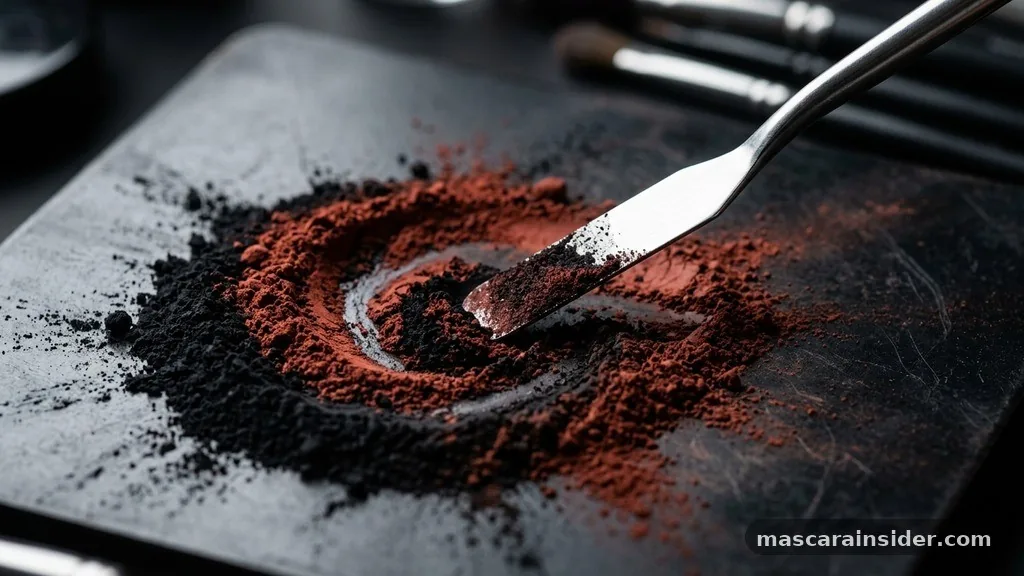
Pigments provide the visual impact of the product. Most dark mascaras derive their deep color from iron oxides, which are mineral-based pigments that offer a safe, stable, and long-lasting hue. For those seeking the darkest, most intense black, manufacturers often include carbon black. This ingredient is a fine, powdered form of carbon that creates a rich, opaque finish. While some concerns exist regarding its purity, modern cosmetic regulations ensure that the carbon black used in eye makeup is highly refined to meet safety standards.
Waxes and Texture
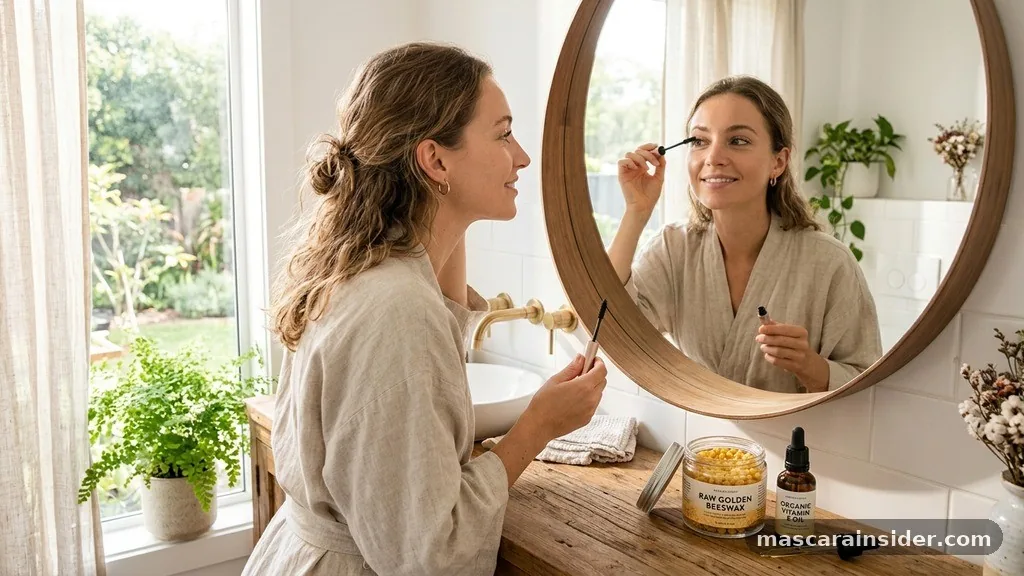
Waxes are responsible for the thickening power of your mascara. They provide the body that allows the formula to grip the lash hair, creating volume and definition. Beeswax is a common natural choice, prized for its ability to adhere to hairs without becoming overly brittle. Carnauba wax, derived from the leaves of a Brazilian palm tree, is often added to increase the melting point of the formula, ensuring your look doesn’t smudge when you step out into the heat. These waxes often work alongside stearic acid, a fatty acid that helps stabilize the emulsion and gives the product its creamy, spreadable consistency.
The Role of Polymers and Film Formers
If you have ever wondered why some formulas stay put through a workout while others flake away, you are looking at the work of polymers. These long-chain molecules act as film formers. Once the water in the emulsion evaporates, these polymers create a flexible, water-resistant sheath around each lash.
This is the primary technology behind tubing mascara. Unlike traditional formulas that coat the lash in layers of pigment and wax, tubing formulas use specific polymers that wrap around the entire circumference of the lash. When you are ready to remove it, the tubes slide off easily with warm water and gentle pressure, preventing the “raccoon eye” effect often caused by oil-based makeup removers.
Addressing Common Myths and Misconceptions
The beauty industry is rife with urban legends, particularly regarding the sourcing of ingredients. One of the most persistent myths is that mascara contains bat guano or spider legs. These claims are entirely false. Cosmetic regulations in the US, EU, and elsewhere strictly prohibit the use of such materials.
Another common point of confusion involves guanine. Historically, this substance—which provides a pearlescent shimmer—was sourced from fish scales.
Today, most mainstream brands use synthetic alternatives to achieve the same reflective quality. If you are concerned about animal-derived components, look for vegan-certified products that explicitly state they use plant-based waxes and synthetic pigments.
Common Ingredients and Their Functions
| Ingredient Category | Primary Function | Common Examples |
|---|---|---|
| Pigments | Coloration and Depth | Iron Oxides, Carbon Black |
| Waxes | Volume and Structure | Beeswax, Carnauba Wax |
| Film Formers | Longevity and Water Resistance | Acrylates Copolymer |
| Conditioning Agents | Lash Health and Softness | Panthenol, Vitamin E |
Lash Conditioning and Safety Standards
Modern formulas do much more than just color; they aim to nourish. Many brands now infuse their products with lash conditioning agents like panthenol, keratin, or various plant oils. These ingredients help prevent the lashes from becoming too dry or brittle, which is especially important if you wear mascara daily.
Safety remains the highest priority for formulators. Because the eye area is incredibly sensitive, all reputable products undergo rigorous ophthalmologist tested protocols. This ensures the formula won’t cause irritation or allergic reactions in the vast majority of users.
Preservatives and Shelf Life
Because mascara is a water-based emulsion, it is a prime environment for bacterial growth. To keep the product safe for the duration of its use, manufacturers include preservatives. While some consumers seek out products free of parabens, it is important to remember that preservatives are essential to prevent the growth of harmful mold or bacteria that could lead to serious eye infections. If you prefer to avoid specific preservatives, be extra diligent about replacing your tube every three months.
Understanding Synthetic Fibers
For those who want dramatic length without the use of lash extensions, many formulas include synthetic fibers. These microscopic strands of nylon or rayon adhere to the natural lash tip, effectively extending the length of the lash. When you apply the mascara, these fibers are suspended in the wax and polymer base. As the product dries, the fibers lock into place, creating the appearance of longer, more voluminous lashes. While highly effective, they can sometimes cause irritation if a stray fiber falls into the eye, so choosing a high-quality formula is vital for comfort.
Topical Gaps: What Really Happens Inside the Tube?
One area that is often overlooked in discussions about mascara is the interaction between the brush and the formula. The “what’s mascara made of” question isn’t just about the liquid; it’s about the delivery system. The shape of the brush, whether it is molded silicone or traditional nylon bristles, determines how the wax and pigment are deposited. A dense, synthetic bristle brush picks up more product, making it ideal for volumizing formulas, while a thin, plastic comb is designed to separate lashes and distribute lengthening polymers evenly.
Furthermore, the “viscosity” of the formula changes over time. When you pull the wand in and out of the tube, you introduce tiny amounts of air.
This process slowly oxidizes the waxes and causes the water to evaporate, which is why your mascara starts to clump or become “thick” as it nears the end of its life. Understanding this cycle helps you recognize when a product has truly expired, regardless of the expiration date on the packaging.
Conclusion
Knowing what’s mascara made of empowers you to be a more informed consumer. By recognizing the roles played by iron oxides, waxes, and advanced polymers, you can move past marketing jargon and choose products that genuinely serve your needs. Whether you prioritize a smudge-proof tubing formula or a nourishing, wax-heavy option for volume, the underlying chemistry provides the performance you expect. Remember that even the highest-quality makeup has a limited lifespan, so keep your routine clean by replacing your tube regularly. If you have questions about specific ingredients or sensitivities, your local ophthalmologist or a dermatologist can provide personalized guidance for your unique skin type.
Frequently Asked Questions
What is the main ingredient in mascara?
The main ingredients are typically water, waxes like beeswax or carnauba, and pigments like iron oxides.
Is mascara safe for your eyes?
Yes, when used correctly and replaced every three months, ophthalmologist-tested mascara is considered safe for daily use.
Can I make my own mascara?
While possible, DIY mascara lacks the professional preservatives needed to prevent dangerous bacterial growth in your eyes.
What is tubing mascara made out of?
Tubing mascara is made with specific polymers that form water-resistant, tube-like sheaths around individual eyelash hairs.
Are there harmful ingredients in mascara?
Most regulated mascaras are safe, though some people may experience sensitivities to certain preservatives or added fragrances.
Is mascara made from animals?
Most modern mascaras are vegan, though some may contain beeswax or other animal-derived waxes in older formulations.
Does mascara contain spider legs or bat poop?
No, these are urban myths; mascara is composed of cosmetic-grade chemicals, minerals, and waxes, not biological waste.


