

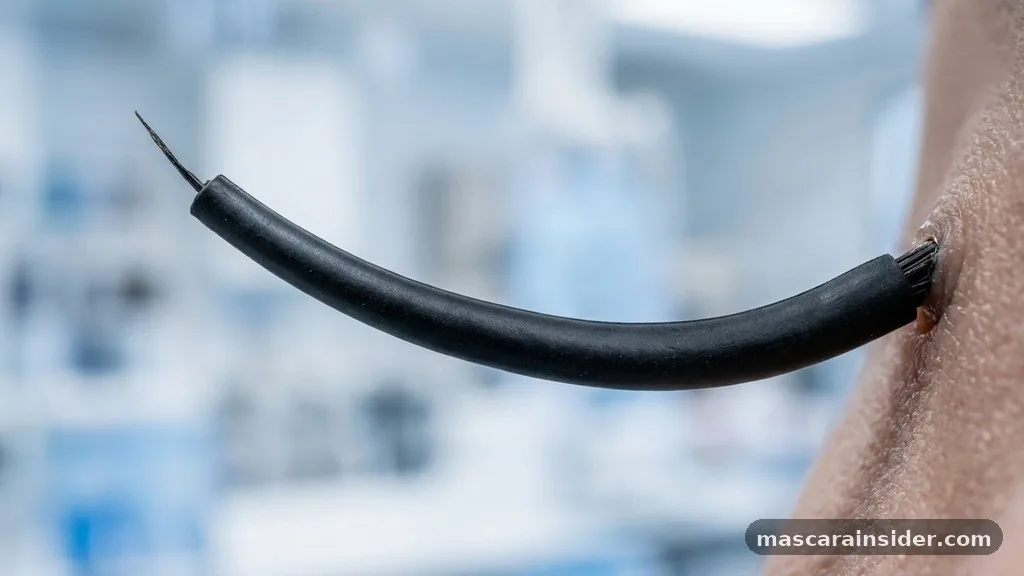
If you have ever dealt with the frustration of end-of-day panda eyes or struggled to scrub off stubborn waterproof makeup, you have likely encountered the buzz surrounding tubing mascara. Unlike standard formulas that simply coat your lashes in thick pigment, these products use advanced chemistry to create tiny, water-resistant sleeves around each individual lash.
Understanding what is tubing mascara requires looking past the marketing hype to see how the unique application of polymer technology changes the game for your daily beauty routine. Whether you are tired of smudging or just want a cleaner way to remove your makeup, this innovative approach to lash enhancement offers a distinct set of benefits for almost every eye shape.
The Science Behind Polymer Technology in Mascara
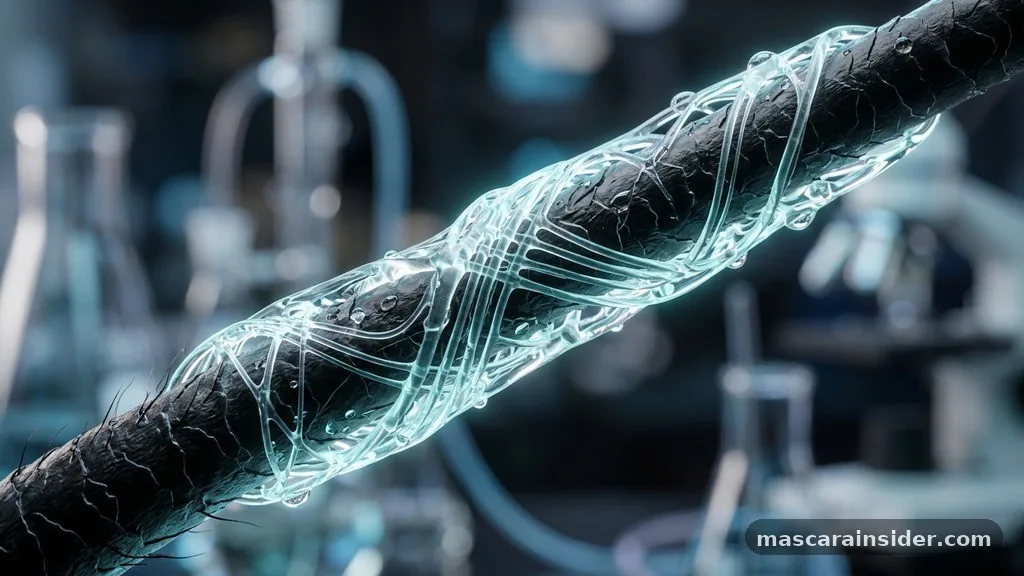
At its core, the primary reason people ask what is tubing mascara is the unique way it adheres to hair. While traditional formulas are essentially pigmented waxes and oils that sit on top of your lashes, these polymers form tiny structures that actually wrap around the lash shaft.
These materials, often consisting of acrylic copolymers, shrink-wrap the hair as they dry. This creates a secure, long-lasting bond that does not melt or migrate even when exposed to natural skin oils or perspiration.
Because the formula relies on these synthetic chains rather than heavy oils, the result is a lightweight finish that resists gravity. You get a clean, defined look that stays exactly where you put it from morning until night.
The chemistry is stable enough to survive a light rain or a humid commute, yet it remains completely inert until you introduce the specific trigger required for removal. This balance of durability and ease of use is what sets this category apart from standard cosmetic shelf staples.
Key Differences from Traditional Mascara
Comparing tubing formulas to standard options reveals significant disparities in both performance and maintenance. Traditional mascaras are composed of waxes, pigments, and oils designed to thicken the lash by layering material on top of itself.
This can lead to heavy, clumpy application and, inevitably, the dreaded “raccoon eye” effect as the wax softens against the warmth of your skin throughout the day. In contrast, tubing technology prioritizes structural integrity over sheer volume.
One of the most noticeable differences is the removal process. Traditional mascara requires an oil-based cleanser or a heavy-duty makeup remover to break down the wax. If you don’t scrub thoroughly, you often leave behind residue that can irritate the delicate skin around your eyes.
Tubing mascara, however, bypasses the need for harsh rubbing entirely. Because the tubes are designed to be water-soluble under specific conditions, they slide off the lashes in one clean piece, leaving no pigment or dark circles behind on your face.
| Feature | Traditional Mascara | Tubing Mascara |
|---|---|---|
| Primary Ingredient | Waxes and Oils | Acrylic Copolymers |
| Removal Method | Oil-based Cleanser | Warm Water + Gentle Pressure |
| Durability | Prone to Smudging | Smudge-proof / Oil-resistant |
| Lash Effect | Dense, Thick Volume | Length, Definition, Separation |
Why Tubing Mascara is a Hero for Hooded Eyelids
For those with hooded eyelids, the struggle with mascara is legendary. When your upper lid rests against your lower lash line or skin, the friction and warmth often cause standard wax-based formulas to transfer, resulting in black smudges on your brow bone or cheek. Because tubing mascara is specifically engineered to be smudge-proof and resistant to the natural oils produced by your skin, it is widely considered the gold standard for anyone with this specific eye shape.
Since the tubes do not soften or melt upon contact with skin oils, they stay locked in place regardless of how much your eyelids fold. You no longer need to worry about checking your reflection every two hours to wipe away stray marks.
This reliability provides a level of confidence that is often missing from other formulas. By creating a physical barrier that stays dry and firm, the product ensures that your mascara stays on your lashes where it belongs, rather than migrating to the surrounding skin.
The Truth About Removal and Warm Water
The most distinctive feature of this product is its reliance on warm water removal. While it may sound counterintuitive that a product can be resistant to sweat and humidity yet vanish with a splash of water, it is all about the temperature and physical agitation.
The polymers used in these formulas have a specific thermal threshold. When you saturate your lashes with warm water—ideally around body temperature or slightly higher—the bond between the tube and the lash begins to soften and release.
To remove it correctly, you should soak a cotton pad or your fingertips in warm water and hold it against your closed eyes for about thirty seconds. This softens the tubes, allowing you to gently slide them off with a light tug. It can be a startling experience the first time you do it, as the tubes often come off in little black “worms” that look like your lashes are falling out.
Rest assured, this is simply the product coming off, not your natural hair. This method is incredibly gentle, as it eliminates the need for aggressive scrubbing that can lead to premature lash breakage or irritation.
Achieving a Lash Extension Effect
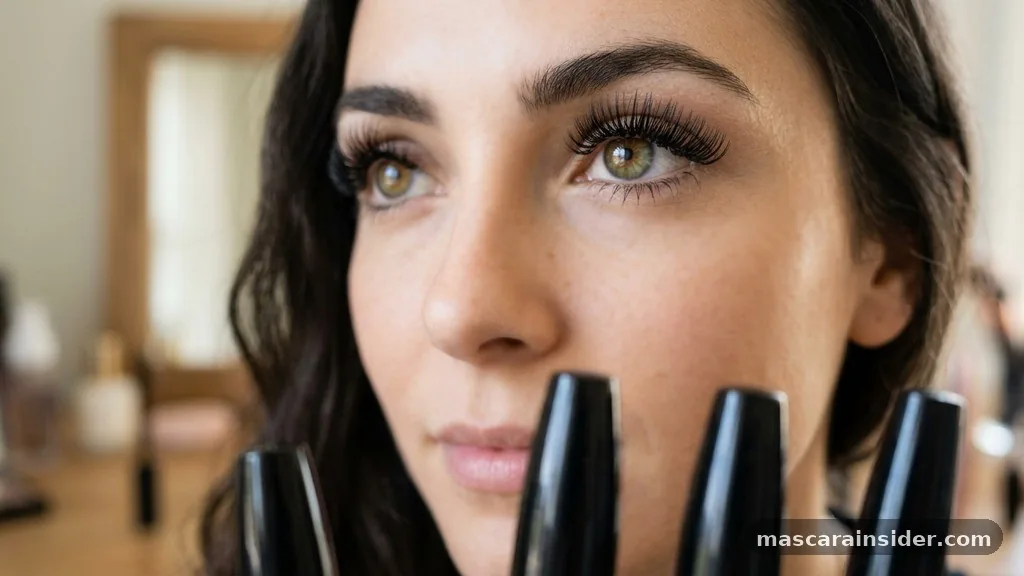
Many users are drawn to tubing formulas because they offer a clean, lengthened look that mimics the appearance of professional lash extensions. Because the tubes extend beyond the natural tip of your lash, you can achieve significant length that is difficult to replicate with standard mascara. This lash extension effect is perfect for those who want a wide-awake, fanned-out look without the cost or maintenance associated with professional salon procedures.
While you might sacrifice those seeking a very thick or clumpy, dramatic appearance, you gain precision and separation. The formula coats each hair individually, preventing the “spider leg” look that often comes with layering multiple coats of traditional mascara.
If you prefer a natural, fluttery aesthetic, tubing mascara is an ideal choice. You can layer it while it is still wet to build length, but once it dries, it is best to leave it alone to ensure the integrity of the tubes remains intact throughout the day.
Potential Drawbacks to Consider
Despite the many advantages, there are potential drawbacks to consider before switching exclusively to tubing formulas. The most common complaint is the lack of volume.
Because the technology is focused on creating a sleek, extended sleeve, it does not offer the same heavy, dramatic weight as a volumizing wax-based mascara. If your goal is to make your lashes look as thick as possible, you might find the finish too thin or “wispy” for your taste.
Another factor is the drying time. Because these formulas are water-based and rely on polymers, they can sometimes take a few seconds longer to set than quick-dry waxes. If you are prone to blinking immediately after application, you might end up with small dots on your eyelid.
Additionally, because the formula is designed to be removed with water, it is not truly “waterproof” in the traditional sense. While it is water-resistant against tears and humidity, a heavy downpour or a vigorous swim could potentially cause the tubes to soften and slide off.
Who Should Use Tubing Mascara
Determining who should use tubing mascara comes down to your personal lifestyle and the specific concerns you have with your current makeup routine. If you work long hours, have oily skin, or live in a humid climate, this product is likely to outperform almost anything else in your makeup bag. It is also an excellent choice for contact lens wearers, as the tubes do not flake into the eye throughout the day, preventing the irritation and redness that often accompany traditional mascara debris.
Furthermore, if you have sensitive eyes or find that traditional makeup removers cause stinging and inflammation, the warm water removal method is a game-changer. It is a minimalist approach that requires no additional chemical cleansers.
However, if you are someone who loves the look of extremely thick, bold, and dramatic lashes, you may find that you need to supplement your routine. Many people find success by using a lash primer first to add bulk, followed by a tubing mascara to lock the look in place and prevent smudging.
Addressing Common Topical Gaps
There is often confusion regarding whether you can layer tubing mascara with other products. A frequent question is whether you can use a regular mascara as a base.
The answer is yes, but with a caveat: if you apply a traditional wax-based mascara underneath, you lose the primary benefit of the clean, easy removal. When you go to wash your face, the warm water will slide the tubing layer off, but the underlying wax will remain stuck to your lashes, requiring you to use an oil cleanser anyway.
Another gap in common knowledge is the issue of flaking. While tubing mascara is famous for not smudging, some cheaper or older formulations can be prone to flaking if they are applied too thinly or if the product has started to dry out in the tube.
If you notice tiny black specks under your eyes, it is usually a sign that the tubes have dried out and are cracking. Ensure you are storing your mascara in a cool, dry place and replacing it every three months to keep the formula fresh and flexible.
Tips for Flawless Application
Achieving the best results with tubing mascara requires a slight shift in technique compared to standard mascara. Because the product is essentially forming a sleeve, you want to ensure you get full coverage from the root to the tip in a single, fluid motion.
Start at the base of your lashes and wiggle the wand slightly to deposit product, then pull it through to the ends. Avoid going back over the lashes multiple times once the product has started to set, as this can cause the tubes to clump or tear.
If you want more fluffy volume, try applying one coat, letting it dry for thirty seconds, and then applying a second coat. The second layer will adhere to the first, adding length and a bit more body without the weight of traditional oils.
Always use a clean lash comb immediately after application if you notice any sticking. By treating your lashes with a bit of patience during the application phase, you will be rewarded with a look that stays pristine until you decide to wash it away.
Conclusion
Understanding what is tubing mascara is about recognizing the shift from wax-based layering to polymer-based encapsulation. By creating durable, water-resistant sleeves, these formulas solve the most annoying problems associated with traditional makeup, such as smudging, flaking, and difficult removal. While they may not provide the extreme, heavy volume of traditional mascaras, their ability to provide a long-lasting, clean, and defined lash look makes them a staple for many people.
If you are tired of end-of-day touch-ups and want a simpler way to maintain your look, incorporating a tubing formula into your collection is a practical step forward. Experiment with different brands to find the balance of length and volume that works for your unique lash type and enjoy the freedom of a smudge-proof finish.
Is tubing mascara actually waterproof?
It is water-resistant against sweat and tears but will slide off easily when exposed to warm water.
Can I use an eyelash curler with tubing mascara?
Yes, always curl your lashes before applying mascara to prevent the tubes from cracking or breaking apart.
Why does my tubing mascara look like it’s falling out during removal?
That is normal; those tiny black pieces are the polymer tubes sliding off, not your natural lashes.
Does tubing mascara work on short lashes?
It is excellent for short lashes because it extends past the tip of the hair, creating significant length.
Should I use a primer with tubing mascara?
You can, but it may make the removal process more difficult as the primer is not water-soluble.
Is tubing mascara better for sensitive eyes?
Yes, because it removes with warm water, eliminating the need for potentially irritating chemical makeup removers.
How long does a tube of tubing mascara last?
Like all mascaras, you should replace it every three months to prevent bacteria growth and formula drying.


