

Most beauty enthusiasts have a tube of mascara rattling around the bottom of their makeup bag, but knowing exactly how long does mascara last is a critical part of maintaining your eye health. While we often focus on the finish and volume of our favorite products, the reality of makeup hygiene is that mascara has a surprisingly short lifespan.
Once you break that factory seal, you are effectively introducing air and skin-borne microbes into a dark, moist environment. Understanding the timeline for safe usage ensures your lashes stay fluttery without inviting unwanted irritation or serious infections that could sideline your beauty routine entirely.
Understanding the Real Lifespan of Mascara
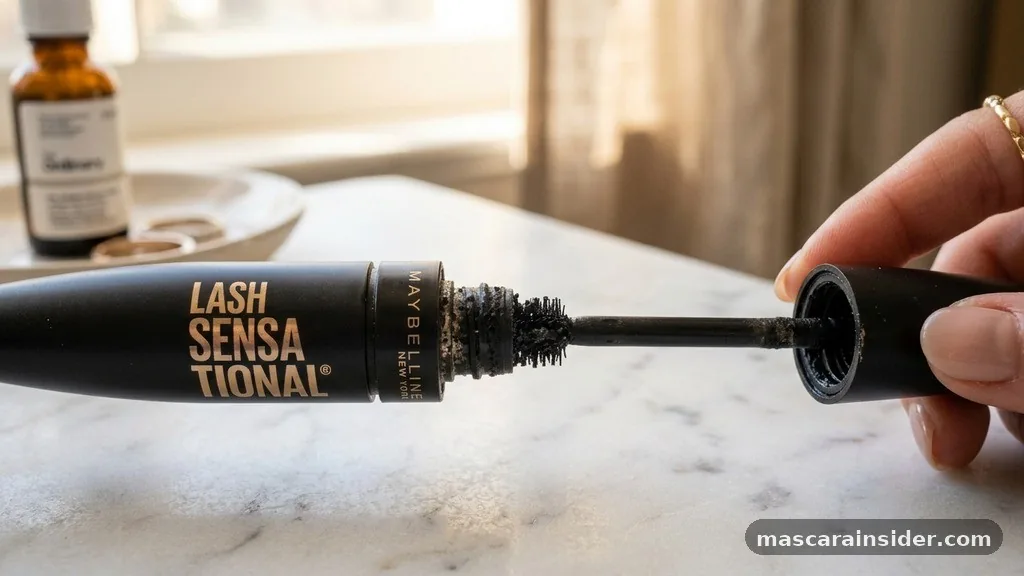
Mascara generally stays safe and effective for three months after you first open the tube. While some luxury brands might promise a slightly longer performance, the consensus among dermatologists and makeup professionals remains firm on the three-month rule. This window exists because mascara is a liquid-based product kept in a warm, dark container, which creates an ideal breeding ground for microorganisms.
Every time you pull the mascara wand out and push it back in, you are pumping air—and potentially bacteria—into the formula. Over time, the preservatives that keep the product stable begin to break down, leaving the formula vulnerable to contamination. Ignoring this timeline isn’t just about the product performing poorly; it’s about protecting the delicate skin and tissues around your eyes from potential harm.
The PAO Symbol and Product Packaging
If you look closely at the packaging of your cosmetics, you will often find a small icon that looks like an open jar with a number and a letter inside, such as “6M” or “3M.” This is the PAO symbol, which stands for period after opening. This symbol is your best friend when determining the longevity of your beauty products.
For mascara, you will almost always see a “3M” or “6M” designation, indicating that the manufacturer expects the formula to remain stable for three to six months. However, because the eye area is so sensitive, many experts suggest defaulting to three months regardless of what the label says. Relying solely on the expiration date printed on the box is a mistake if you have already opened the product months ago, as the clock on your specific tube starts the moment the seal is broken.
The Hidden Risks of Bacterial Contamination
The primary concern regarding old mascara is the rapid growth of bacterial contamination. Your eyes are home to a natural microbiome, but introducing foreign pathogens through a contaminated applicator can easily lead to an eye infection. One of the most common culprits found in old makeup is Staphylococcus aureus, a bacterium that can thrive in the nutrient-rich, moist environment of a mascara tube.
When you apply mascara, you are touching the wand to your lashes and then re-inserting it, effectively creating a feedback loop of contamination. If your eyes are already slightly irritated, an old mascara formula acts as a delivery system for these bacteria, significantly increasing your risk of developing conjunctivitis or other painful ocular conditions that require medical intervention.
Signs Your Mascara Has Gone Bad
Knowing the signs of a degraded formula is essential for those moments when you might lose track of exactly when you bought your tube. Beyond the calendar, your senses are the best tools for identifying when it’s time to discard your product. A dried out formula is one of the most obvious indicators that the ingredients have lost their integrity.
If the mascara feels stiff, applies unevenly, or creates excessive clumping that you didn’t notice when the tube was new, it is time to switch it out. Additionally, pay close attention to the smell. A fresh tube should have a subtle, chemical scent or be essentially odorless; if you notice a sharp, vinegary, or “off” smell, the chemical balance has likely shifted, and the product is no longer safe to use near your eyes.
Establishing a Consistent Replacement Schedule
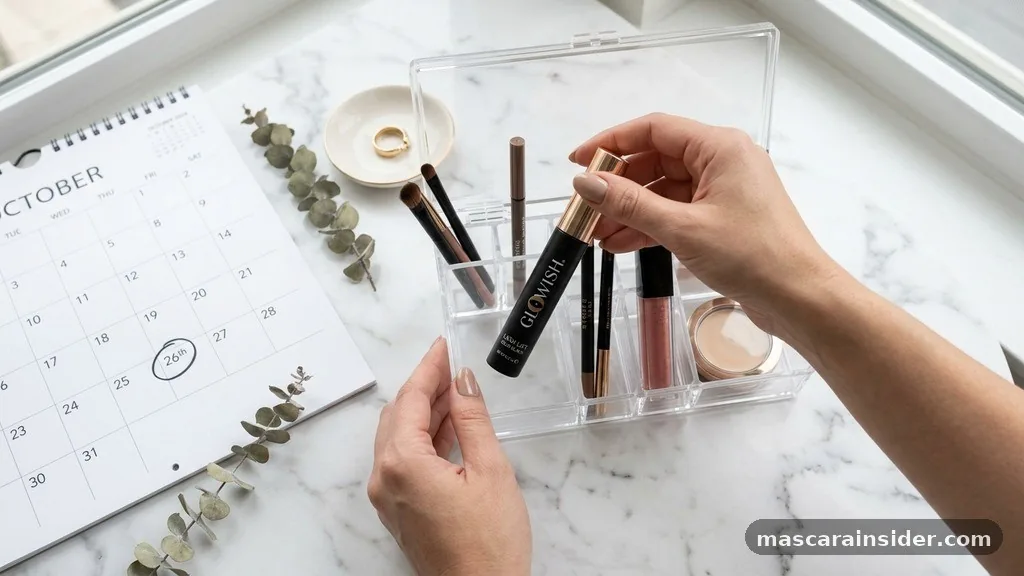
Creating a replacement schedule is the most effective way to prevent the buildup of bacteria in your makeup kit. Because most people own more than one tube of mascara, keeping track of every single purchase date can be difficult. A simple trick is to write the date you opened the tube on the bottom of the container using a permanent marker or a small piece of tape.
By standardizing your routine to replace your mascara every three months, you remove the guesswork and ensure you are always using a fresh, safe product. If you are a heavy makeup user, you might find that you finish a tube well before the three-month mark, which is the safest scenario. If you use mascara only occasionally, it is still better to toss it after three months to avoid the risks associated with long-term storage of open liquid makeup.
Topical Gaps: Addressing Common Myths
There is a significant amount of misinformation regarding how to “revive” old mascara, and it is important to clear these up to protect your health. One common myth is that adding water, contact lens solution, or oil to a dried-out tube will make it as good as new. In reality, adding any foreign substance to your mascara significantly dilutes the preservatives, which are specifically formulated to prevent bacterial growth.
By adding water or other liquids, you are creating a more hospitable environment for microbes to multiply, effectively accelerating the spoilage process. Another myth suggests that you can “sanitize” your mascara wand with alcohol. While this might clean the bristles, it does nothing to address the bacteria already living deep inside the tube, making it a futile effort that provides a false sense of security.
Makeup Hygiene Practices for Longer Lasting Lashes
How you handle your mascara during daily use influences how long the formula stays viable. While you cannot stop the clock on the three-month rule, you can prevent premature degradation by practicing good makeup hygiene. Always ensure you are not “pumping” the wand into the tube, as this forces excess air into the chamber and speeds up the drying process.
Instead, use a gentle swirling motion to coat the brush. Furthermore, never share your mascara with friends, as this is the fastest way to transfer bacteria between different individuals and trigger an infection.
Finally, store your makeup in a cool, dry place away from direct sunlight. High temperatures can break down the chemical bonds in the formula, causing the mascara to separate and become unusable long before its time.
| Indicator | What It Means | Action Required |
|---|---|---|
| Expired Date | Product has exceeded its stability limit. | Discard immediately. |
| Odd Smell | Bacterial or chemical breakdown. | Discard immediately. |
| Dried Texture | Solvents have evaporated. | Discard or replace. |
| Eye Irritation | Potential contamination. | Stop use and consult doctor. |
How Different Formulas Affect Longevity
Not all mascaras are created equal, and the specific formula can influence how it behaves over time. Waterproof formulas, for instance, tend to contain different solvents that may dry out faster than traditional water-based options. Conversely, natural or “clean” beauty mascaras often rely on fewer or milder preservatives, which can make them even more susceptible to bacterial contamination.
If you choose to use natural beauty products, be hyper-vigilant about the three-month timeline, as these formulas lack the heavy-duty stabilizers found in conventional cosmetics. Regardless of the formula type, the golden rule remains that the risk of eye health complications outweighs the cost of replacing the product. If you find yourself needing to replace your mascara constantly, consider opting for smaller “mini” or travel-sized tubes, which are often finished well before they have a chance to expire.
The Importance of Proper Removal
Maintaining the health of your eyes involves more than just how you apply mascara; it also depends on how you remove it at the end of the day. Leaving mascara on overnight can lead to flaking, which increases the chance of particles entering your eye and causing irritation. Use a gentle, oil-based makeup remover or a dedicated eye makeup cleanser to ensure every trace of product is gone before you sleep.
Rubbing your eyes aggressively can damage the delicate skin and potentially cause lashes to fall out, so take your time and be gentle. By keeping your lashes clean and free from old, crusty residue, you maintain a better environment for your next application. This simple nightly habit prevents the buildup of old product, which in turn reduces the likelihood of transferring debris back into your fresh tube of mascara the next morning.
- Mark the opening date on the tube with a permanent marker.
- Avoid pumping the wand to prevent unnecessary air exposure.
- Never share your eye makeup with others to prevent cross-contamination.
- Store your cosmetics in a cool, dry environment away from heat.
- Use travel-sized tubes if you don’t wear makeup daily.
- Discard any mascara that smells unusual or has changed texture.
- Clean your eyelid area thoroughly every night before bed.
Frequently Asked Questions
Can I use 1 year old mascara?
No, you should never use one-year-old mascara because the preservatives have failed, leading to significant bacterial growth.
How often should I replace my mascara?
You should replace your mascara every three months to ensure the formula remains safe and free from contamination.
When should you throw away mascara?
Throw it away after three months of use, or sooner if it becomes dry, clumpy, or smells bad.
Is it safe to use 20 year old makeup?
It is absolutely unsafe to use 20-year-old makeup; it will be heavily contaminated with bacteria and chemical degradation.
Why does my mascara get clumpy so fast?
Clumping often happens due to air exposure from pumping the wand or because the product has already expired.
Can old mascara cause pink eye?
Yes, using old, contaminated mascara is a leading cause of eye infections, including conjunctivitis or “pink eye.”
Does waterproof mascara last longer?
Waterproof mascara does not last longer; it is still subject to the same three-month safety limit as others.
The reality of how long does mascara last is a matter of both performance and personal safety. By sticking to the three-month guideline and practicing consistent hygiene, you protect your eyes from unnecessary irritation and infection. While it might feel wasteful to discard a tube that still has product inside, the health of your eyes is far more valuable than the cost of a replacement.
Keep your routine simple, track your opening dates, and always listen to what your senses tell you about the state of your products. If you have been holding onto that tube for a little too long, it is the perfect time to treat yourself to a fresh, clean replacement that will keep your lashes looking their best. Feel free to reach out if you have more questions about managing your beauty collection safely.


