

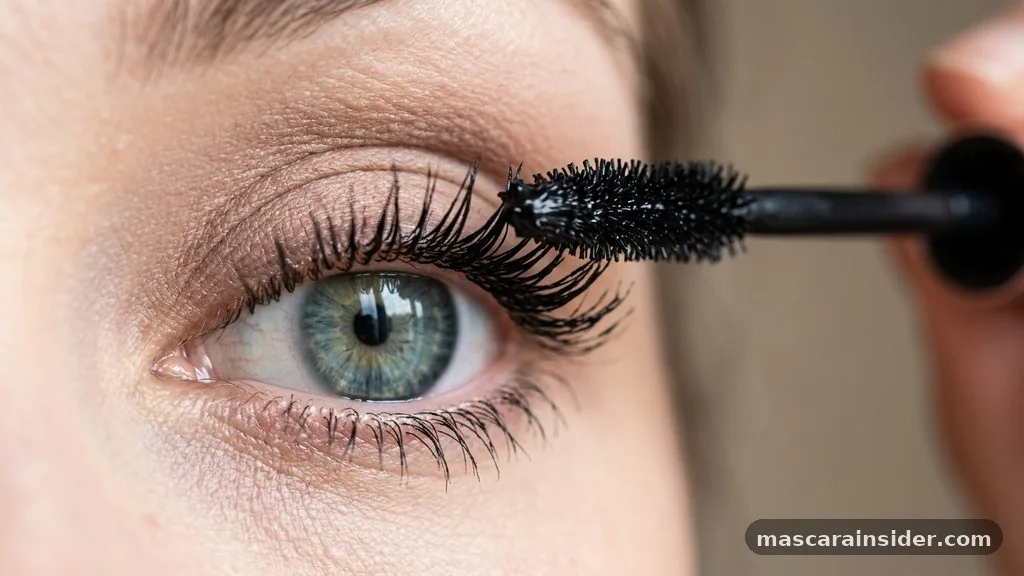
Understanding what mascara is used for helps you maximize your eye makeup routine. This essential cosmetic product serves as the finishing touch for many, providing the dramatic impact needed to frame the face and emphasize the eyes. By coating individual hairs with pigment, it transforms thin or light lashes into a bold focal point.
Whether you are aiming for a subtle, professional look or a high-glamour aesthetic, knowing how these formulas work allows you to choose the right tool for your specific eye shape and lash texture. We will explore the functional benefits, chemical components, and proper application techniques that make this product a staple in beauty kits worldwide.
The Primary Purpose of Mascara
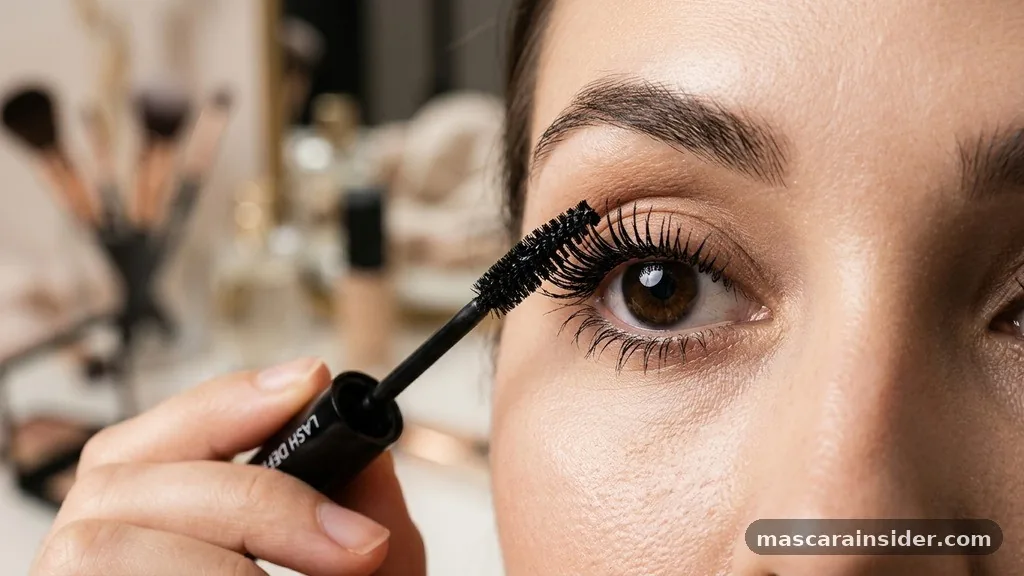
Mascara is primarily used to darken, thicken, lengthen, and define the eyelashes. By applying a cosmetic pigment suspended in a base of waxes and oils, users can instantly change the appearance of their lash line. This simple step creates the illusion of fuller, more prominent lashes, which in turn makes the eyes appear larger and more alert.
Beyond simple darkening, the product serves as a foundational element of any eye makeup routine. It acts as a bridge between a clean face and a polished look.
When you apply it correctly, it lifts the lashes away from the eyelid, creating a natural lash curling effect that opens up the eye area. This functional enhancement is why so many people consider it an indispensable part of their daily grooming.
Key Components and Their Functions
Modern formulas are sophisticated mixtures designed to hold shape and resist environmental factors. A typical volumizing formula often contains a blend of synthetic waxes, such as carnauba or beeswax, which provide structure and thickness. These waxes allow the product to build layers on the hair shaft without becoming brittle or flaky.
To achieve specific aesthetic goals, manufacturers incorporate various functional ingredients. The following table breaks down common additives and their roles in your beauty regimen:
| Ingredient Type | Primary Function |
|---|---|
| Polymers | Provide flexibility and hold to ensure lash separation. |
| Iron Oxides | Deliver the intense pigment for darkened eyelash definition. |
| Conditioning Agents | Prevent breakage by keeping the lash hair soft and hydrated. |
| Water-resistant resins | Lock the formula in place to prevent smudging throughout the day. |
Achieving Lash Enhancement and Definition
The physical application process is just as important as the formula itself. Using the wand applicator, you can distribute product from the root to the tip of every lash. This action is crucial for eyelash enhancement, as it coats the base of the hair to provide a dense, lined look, while the tips receive a lighter application to avoid clumping.
Technique plays a massive role in the final result. Most professionals recommend wiggling the wand at the base before pulling it through to the ends.
This technique ensures that the lengthening polymers have a solid anchor, which prevents the lashes from drooping. Proper separation is the secret to a high-end look, keeping lashes from sticking together and creating a messy appearance.
Addressing Topical Gaps in Lash Care
There is often confusion regarding the versatility of mascara, particularly regarding its use outside of the upper lash line. Many users wonder if the product can serve dual purposes or if it poses risks to ocular health.
Can you use mascara on your eyebrows?
While some people use clear or tinted brow gels, traditional mascara is generally too heavy and pigmented for eyebrows. The formulas are designed to adhere to the fine, long hairs of the eyelids, which have a different texture than brow hair. Using a heavy, volumizing product on your brows can lead to an unnatural, stiff appearance and may cause the delicate skin around the brow bone to feel weighed down.
Is it safe for contact lens wearers?
Yes, provided you choose an ophthalmologist-tested product. Contact lens wearers are more susceptible to irritation, so it is vital to select formulas that are labeled as non-flaking and safe for sensitive eyes. Always apply your lenses before starting your makeup to avoid trapping any fibers or product particles behind the lens.
How often should you replace your tube?
You should replace your tube every three months. Because it is a liquid product used near the eyes, it can become a breeding ground for bacteria over time. Even if the product hasn’t dried out, discarding it after a quarter ensures you maintain proper ocular safety.
Different Types of Formulas
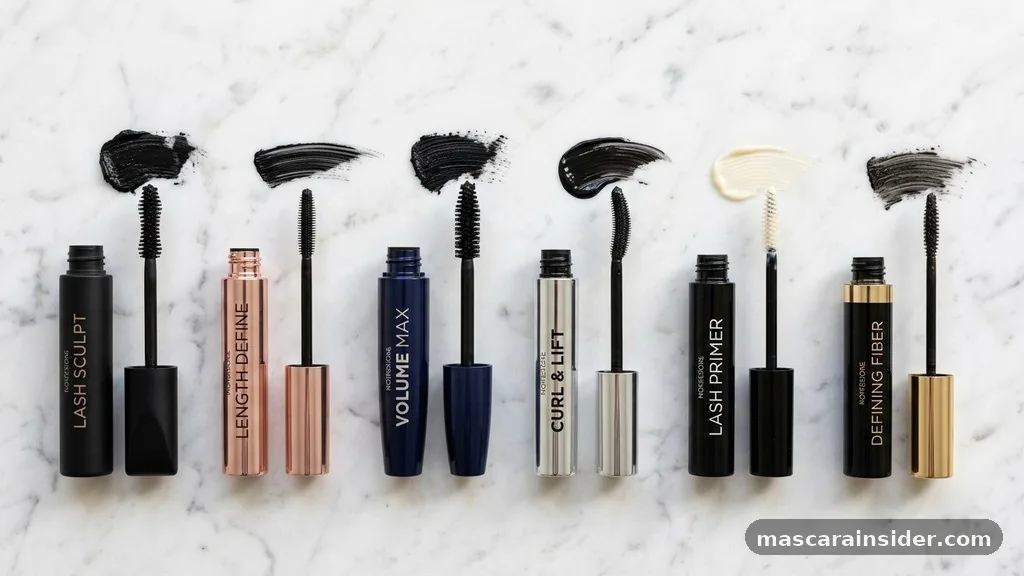
Not all tubes are created equal. The market is segmented based on the desired outcome, ranging from dramatic volume to natural elongation. Choosing the right one depends on your natural lash length and your lifestyle.
- Volumizing: Features a thicker formula and a large, dense brush to deposit more product, making lashes look fuller.
- Lengthening: Contains fibers or specific polymers that stretch the appearance of the lash, perfect for those with short, sparse hair.
- Water-resistant: Uses specialized films to withstand humidity, sweat, or tears without smudging or running.
- Tubing: Creates small, water-soluble “tubes” around each lash that won’t smudge, but slide off easily with warm water.
- Curling: Contains ingredients that help the lash hold a lifted shape, acting like a hairspray for your eyes.
The Importance of Ocular Safety
When considering what mascara is used for, it is impossible to ignore the health implications. The eye area is incredibly sensitive, and the products we apply there interact with our tear film and skin barrier daily. Always look for products that have undergone rigorous testing to ensure they do not cause allergic reactions or infections.
If you experience redness, itching, or swelling after application, discontinue use immediately. These symptoms can indicate a sensitivity to a preservative or a specific pigment.
Furthermore, never share your makeup with others. Sharing wands is the fastest way to transmit bacteria, which can lead to conjunctivitis or other uncomfortable eye conditions.
Optimizing Your Daily Routine
Integrating this product into your day doesn’t have to be a chore. Start by ensuring your lashes are clean and free of leftover oil from your skincare routine. Excess oil can cause even the best smudge-proof formula to break down prematurely.
If you find that your lashes tend to lose their curl throughout the day, consider using an eyelash curler before applying your pigment. The mechanical lift provided by the tool, combined with the structural hold of the wax, creates a lasting effect that stays put from morning until evening. For those who want a truly professional finish, a metal lash comb can be used immediately after application to remove any clumps and ensure perfect separation.
Understanding the Evolution of Formulas
The history of this product is as fascinating as its function. Early versions were made from simple ingredients like coal dust and petroleum jelly.
Today, chemistry has transformed these items into high-performance tools that can withstand extreme conditions. We have moved from simple darkening to sophisticated formulations that include vitamins, peptides, and specialized waxes.
This evolution means that you can now find products that don’t just sit on top of your lashes, but actively nourish them. Many modern brands include keratin or panthenol, which help maintain the health of the hair follicle. As you evaluate what mascara is used for, remember that it is now a hybrid of aesthetics and maintenance.
Conclusion
Ultimately, knowing what mascara is used for empowers you to make smarter choices about your beauty routine. By understanding the role of pigments, polymers, and specialized wands, you can achieve everything from a natural, wide-eyed look to a bold, high-impact finish. The key lies in selecting the right formula for your needs, maintaining strict hygiene to protect your eyes, and applying the product with a technique that favors separation and lift.
Whether you prefer a quick swipe for daily errands or a layered approach for special events, this versatile tool remains the most effective way to frame your eyes and emphasize your features. Take a moment to assess your current collection, check those expiration dates, and enjoy the transformative power of a fresh coat of color.
What is the main purpose of mascara?
It is used to darken, lengthen, thicken, and define eyelashes, making the eyes appear more prominent.
Can mascara be used for eyebrows?
It is generally discouraged because the formula is too heavy and stiff for delicate eyebrow hair.
How often should you replace your mascara?
You should replace your tube every three months to prevent bacterial growth and ensure ocular safety.
Does mascara really make a difference?
Yes, it provides immediate contrast and definition, which helps to frame the face and brighten eyes.
What is the best way to prevent clumping?
Use a lash comb after application and ensure you are not applying too many layers while wet.
Why is ocular safety important with mascara?
The eye area is sensitive, and contaminated products can cause infections, irritation, or allergic reactions.
Is it necessary to wear mascara every day?
No, it is a personal choice, but it is an effective tool for enhancing your overall appearance.


