

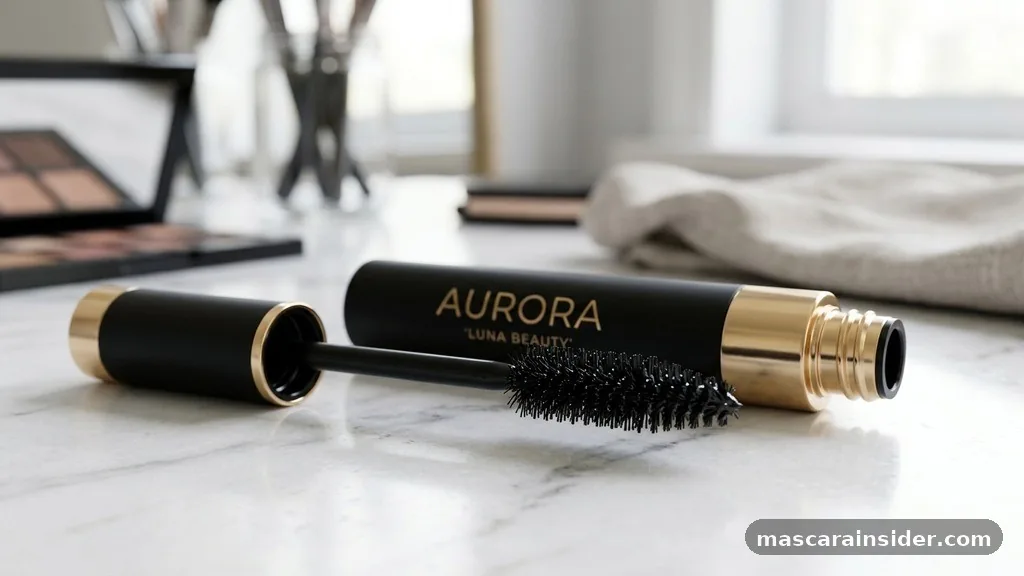
Many people wonder if is mascara makeup truly essential for a polished look, or if it is merely a secondary accessory in the vast world of cosmetics. At its core, this product serves as a foundational element of eye enhancement, functioning as a pigmented coating designed to define, darken, and thicken the natural lashes.
Whether you are aiming for a subtle daytime appearance or a dramatic evening effect, the way you use this tool can completely transform your facial aesthetic. By understanding the science behind the tube, you can better appreciate how it interacts with your delicate eye area while providing the dramatic results that have made it a staple in beauty routines for over a century.
The Fundamental Definition of Mascara
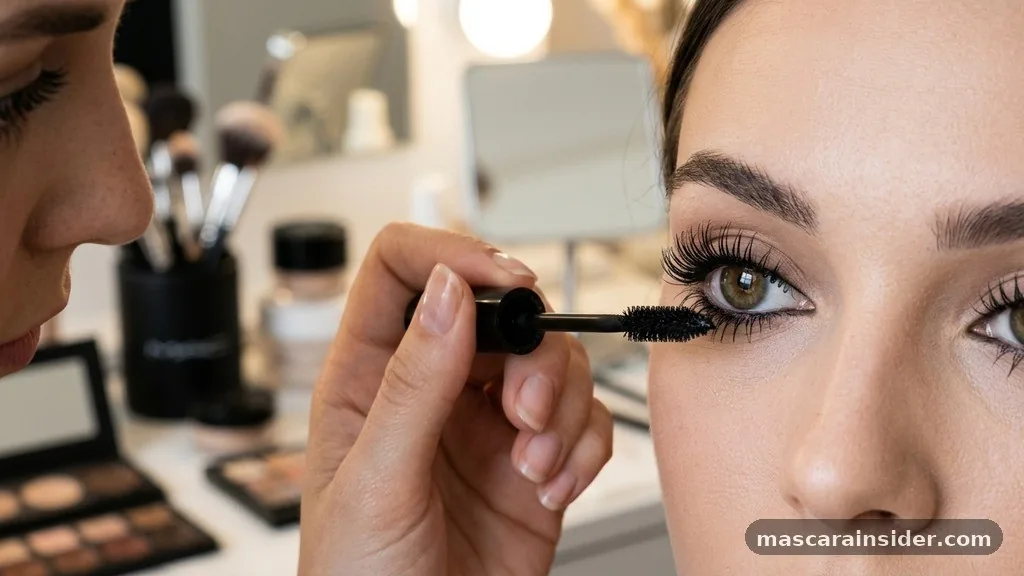
When asking if is mascara makeup, the answer is a definitive yes; it is a cosmetic preparation specifically formulated for the eyelashes. Its primary purpose involves lengthening, thickening, and curling the lashes to create an illusion of greater volume and intensity.
The product generally comes in a liquid, cake, or cream form, housed in a cylindrical tube with an integrated applicator brush. This brush is not just for show; it is engineered to distribute the formula evenly, separating individual strands to prevent the dreaded “spider leg” clumped appearance.
Beyond mere aesthetics, this cosmetic tool helps frame the eyes, which are often cited as the most expressive feature of the human face. By darkening the lash line, it creates a visual contrast against the sclera, or the white of the eye, making the eyes appear brighter and more alert.
This simple act of tinting lashes has been a part of human grooming rituals since the days of ancient Egypt, where materials like kohl were used for similar purposes. Today, the technology has evolved, but the fundamental goal—enhancing the eye’s natural frame—remains unchanged.
Anatomy of the Formula: Key Ingredients
To understand the substance inside your tube, we must look at the Key Ingredients and Formulation Types that make these products effective. Most formulas are a complex blend of pigments, oils, waxes, and preservatives designed to adhere to hair follicles without causing irritation.
The pigment, usually iron oxide, provides that deep black or brown color, while the other components ensure the product stays put throughout the day. Without this carefully balanced chemistry, the product would either dry out in the tube or run off your face at the first sign of humidity.
The texture is largely determined by the specific ratio of these ingredients. A thicker formula will provide more volume, while a thinner, more liquid consistency is often better for definition and separation.
Manufacturers also incorporate conditioning agents like panthenol or vitamin E to keep the lashes healthy and prevent them from becoming brittle. Understanding these components helps you choose the right product for your specific lash type, whether you have straight, thin, or sparse lashes that require extra support.
The Role of Waxes in Mascara Performance
If you have ever wondered why some formulas glide on smoothly while others feel heavy, the secret lies in the Waxes: Ingredients like beeswax, carnauba wax, prevent flaking, and offer water-resistant properties. These substances are the backbone of any reliable product. Carnauba wax is particularly prized because of its high melting point, which keeps the product from smelling or melting when your face gets warm. It also provides a structural rigidity that helps hold a curl, ensuring that your lashes stay lifted long after you have applied the product.
Beeswax, on the other hand, adds a flexible, emollient quality to the mix. It keeps the lash coating from becoming overly brittle, which is the primary reason for flaking or fallout throughout the day.
By balancing these waxes, chemists can create a formula that is both durable and comfortable to wear. This blend is crucial because it allows the lashes to remain soft to the touch while still being coated in a protective, darkening layer that defines the eye shape effectively.
Common Varieties and Their Functions
There is a wide spectrum of Common Varieties and Their Functions available in the beauty market today. Some products are specifically designed to add length, using fibers that attach to the tips of your natural lashes.
Others focus on volume, utilizing a thicker base to coat the entire strand from root to tip. There are even formulas designed for curling, which often feature curved wands to help lift the hair as you apply, and tubing formulas that wrap each lash in a polymer sleeve for a smudge-proof finish.
Choosing the right type depends entirely on your natural lashes and the look you want to achieve. For instance, if your lashes are naturally straight, a formula with a lighter, quick-drying wax base will hold a curl much better than a heavy, oil-based cream.
Those with sensitive eyes might gravitate toward hypoallergenic options that omit certain volatile ingredients. Table 1 below breaks down the common categories of these eye-enhancing products to help you differentiate between them.
| Mascara Type | Primary Function | Best For |
|---|---|---|
| Volumizing | Adds density and thickness | Thin or sparse lashes |
| Lengthening | Extends the appearance of tips | Short lashes |
| Curling | Lifts and holds shape | Straight or downward lashes |
| Tubing | Forms water-resistant sleeves | Oily eyelids or smudge-prone skin |
Waterproof Versus Washable Formulas
Deciding between Waterproof Versus Washable Formulas is a common dilemma for makeup enthusiasts. Waterproof options are essential when you need your look to survive high humidity, rainy days, or emotional moments.
These formulas rely on specific polymers and synthetic waxes that are making it resistant to moisture, sweat, and tears. Because they are designed to repel water, they do not dissolve with simple soap and water, which is a double-edged sword; they are incredibly durable but can be challenging to remove without an oil-based cleanser.
Washable formulas, or non-waterproof options, are generally easier on the lashes. They are designed to be removed with warm water or standard facial cleansers, reducing the amount of tugging and pulling required during your nightly routine.
While they may smudge if you get caught in a downpour or have very oily skin, they are often preferred for daily use to maintain lash health. Many people keep both types in their collection, switching to the waterproof version only when the occasion demands extra longevity.
Addressing Topical Gaps: Safety and Eye Health
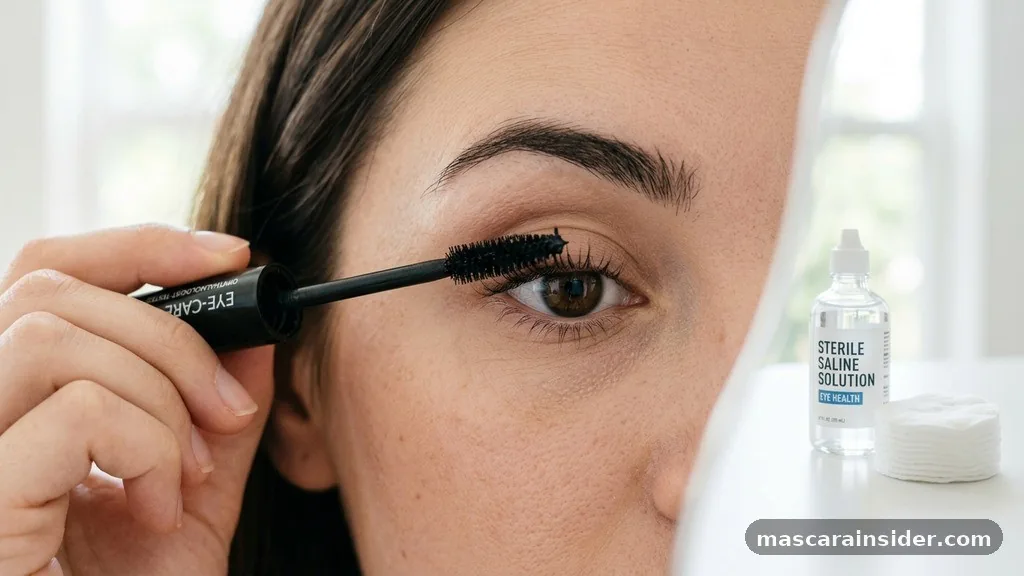
A common concern involves the health implications of wearing eye makeup daily. Many people ask if the chemicals in these products cause long-term damage. While most modern cosmetics are rigorously tested, safety comes down to proper hygiene and ingredient awareness.
You should always replace your tube every three months to prevent bacterial buildup. If you notice any redness, itching, or swelling, discontinue use immediately, as these are common signs of an allergic reaction to specific preservatives or pigments.
Another gap in common knowledge is the difference between “natural” and synthetic ingredients. While natural waxes like carnauba are great, some “natural” mascaras struggle with longevity or performance. Conversely, synthetic polymers—often misunderstood as “harsh”—are actually the safest way to ensure a product does not flake into the eye.
Always check the ingredient list for common irritants like parabens or synthetic fragrances if you have historically sensitive skin. Investing in ophthalmologist-tested formulas is a smart move for anyone prone to eye irritation.
The Role of Polymers in Modern Makeup
Beyond waxes, synthetic polymers play a massive role in the performance of modern formulations. These microscopic film-formers are what allow a formula to be both flexible and smudge-resistant.
When you apply the product, the polymers dry into a thin, cohesive film that anchors the pigment to the lash shaft. This film acts as a barrier, preventing the product from transferring onto your eyelid or under-eye area, which is a common complaint with older, wax-only formulas.
These polymers are also the secret behind the “tubing” phenomenon. In these specific products, the polymer creates a physical tube around the lash that does not dissolve when wet.
Instead, these tubes slide off only when exposed to warm water and gentle pressure. This technology has revolutionized the industry by providing a long-wear solution that is significantly easier to remove than traditional waterproof makeup, effectively bridging the gap between durability and convenience.
Proper Application Techniques for Maximum Effect
Even the most expensive product will fail if the application technique is poor. To get the best results, start at the very base of your lashes, wiggling the wand back and forth as you pull it toward the tips.
This “wiggling” motion is critical because it deposits the majority of the formula at the root, which provides the structural support needed to keep the lashes upright. If you only coat the tips, the weight of the product will cause the lashes to droop immediately.
Do not be afraid to layer, but do so while the product is still slightly tacky. If you wait until it is completely dry, adding a second coat will likely result in clumping or flaking.
If you find that your lashes are sticking together, use a clean spoolie brush or a metal lash comb to separate them immediately after application. Consistent, light strokes are always better than one heavy-handed application, as they allow for better control and a more natural, fanned-out effect.
- Always curl your lashes before applying the product to maximize the open-eye effect.
- Avoid pumping the wand in and out of the tube, as this introduces air and dries out the formula prematurely.
- Clean the rim of the tube regularly to prevent dried product from flaking into your fresh application.
- Store your makeup in a cool, dry place to maintain the integrity of the oils and waxes.
- Layering a volumizing formula over a lengthening one can create a custom, dramatic look.
The Evolution of Mascara Culture
The cultural significance of this product is undeniable. For decades, it has served as a symbol of femininity and grooming, appearing in everything from high-fashion runway shows to everyday office routines.
In recent years, the industry has seen a massive shift toward “clean beauty,” with more consumers demanding transparent ingredient lists and cruelty-free certifications. This change has pushed brands to innovate, replacing older, potentially irritating preservatives with plant-based alternatives that perform just as well.
Furthermore, the rise of social media has changed how we view lash trends. We have moved from simple black tints to colored formulas, magnetic fibers, and extreme volume trends that mimic the look of professional extensions. Despite these shifts, the core question remains: is mascara makeup a necessary step?
For most, it is the one item they would never leave the house without. It is a simple, effective way to polish an entire look in under a minute, proving that even with the advent of more permanent solutions like lash lifts and extensions, the humble tube remains an essential tool.
Understanding the Impact of Mascara on Lash Health
While this cosmetic is generally safe, it is important to acknowledge that the way you remove it is just as important as how you apply it. Many people cause unnecessary breakage by scrubbing their eyes too hard at the end of the day.
Using a dedicated eye makeup remover or a gentle micellar water is crucial for breaking down the stubborn waxes and polymers without damaging the delicate hair follicles. If you consistently find lashes on your cotton pad, it is time to reassess your removal technique.
Always aim to be as gentle as possible, holding a saturated pad against your closed eyelid for ten to fifteen seconds before wiping. This allows the solvent to break down the formula, making it slide off effortlessly.
Additionally, consider taking a break from waterproof varieties on your days off to give your lashes a chance to breathe and recover. Incorporating a lash serum into your nighttime routine can also help strengthen the hair, ensuring that your lashes stay thick and healthy regardless of how much makeup you use.
Frequently Asked Questions
Is mascara makeup considered an essential part of a daily beauty routine?
For most, it is a primary item that defines the eyes and completes a polished, put-together appearance.
What is the main function of mascara when applied to the lashes?
It works by lengthening, thickening, and darkening the lashes to create a more prominent, expressive eye frame.
Why do some formulas contain beeswax and carnauba wax?
These waxes provide structure, hold a curl, and offer water-resistant properties that prevent the formula from flaking.
How do synthetic polymers improve the performance of modern mascara?
They create a flexible, smudge-resistant film that anchors the pigment to the lash for longer, cleaner wear.
Is it better to use waterproof or washable mascara?
Waterproof is best for long-wear and moisture resistance, while washable is gentler for daily use and removal.
How often should you replace your mascara tube to maintain hygiene?
You should replace your tube every three months to prevent bacterial growth and potential eye infections or irritation.
What is the most effective way to remove long-wear mascara?
Use an oil-based cleanser or makeup remover and hold it against the lashes to dissolve the product gently.
In summary, it is clear that mascara is makeup of the most functional and transformative variety, serving as a cornerstone of modern beauty. By understanding the blend of waxes, oils, and polymers that define these products, you can make smarter choices about which formulas best suit your lifestyle and lash health. Remember that the secret to a great look lies not just in the product itself, but in the care you take during application and removal.
Whether you prefer a natural, fluttery look or a bold, voluminous effect, mastering your technique will ensure you get the most out of every tube. If you have any favorite tips for lash application or specific product preferences, please feel free to share your thoughts and join the conversation.


