

Knowing how often should you change your mascara is essential for protecting your vision and keeping your eye makeup game strong. While it might be tempting to hold onto a favorite tube until the very last drop, doing so increases your exposure to harmful pathogens.
Most beauty experts and eye care professionals agree that limiting the lifespan of this specific product is a non-negotiable rule for good hygiene. By understanding the risks associated with daily use and the signs of degradation, you can maintain a healthier beauty routine while ensuring your lashes look their best without compromising your long-term eye health.
The Recommended Timeline for Mascara Replacement
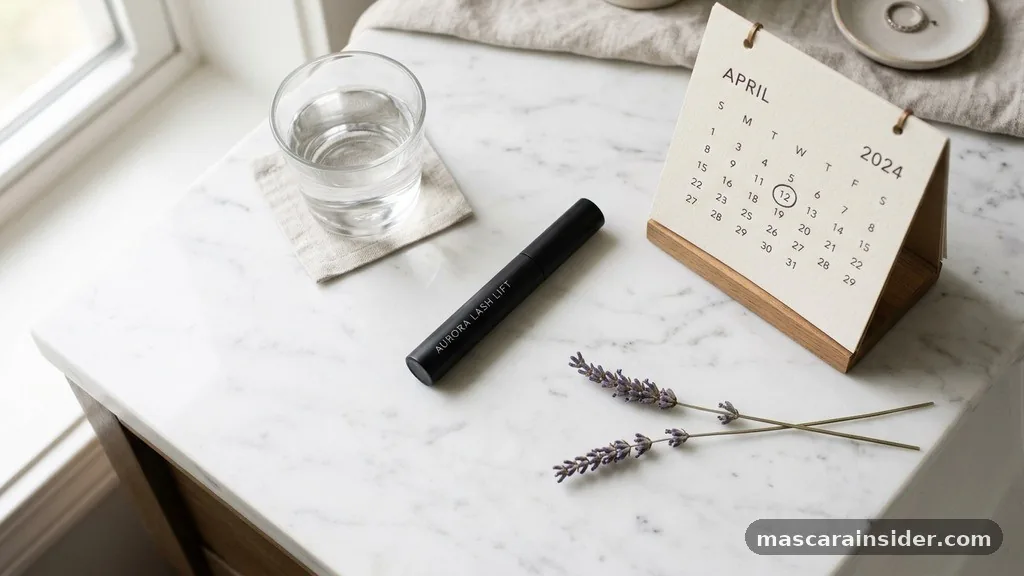
You should replace your mascara every three months to prevent the accumulation of harmful bacteria. While some product labels might suggest a longer duration, the reality of daily application creates an environment where microorganisms thrive.
Every time you pull the wand out and push it back in, you introduce air and skin cells into the tube. This process fosters a perfect breeding ground for microbes that can lead to significant discomfort or clinical infections.
Most makeup professionals recommend marking your calendar the day you open a new tube. If you find yourself struggling to remember when you started using a product, check the PAO symbol—the little jar icon on the back of the packaging—which indicates how many months the product remains safe after opening.
If the number is 3M or 6M, treat that as a firm deadline. Stretching the usage beyond this window isn’t just a matter of cosmetic performance; it is a direct risk to your ocular health that isn’t worth taking for the sake of saving a few dollars.
Why Bacterial Contamination Is a Serious Concern
The primary reason for strict replacement cycles is the risk of bacterial contamination. Your eyes are incredibly sensitive, and they lack the natural defense barriers found on the surface of your skin.
When you use an old mascara tube, you are essentially applying a concentrated colony of bacteria directly to your lash line. Common pathogens like Staphylococcus aureus have been found in tubes that have been used past their prime, creating a high risk for those who apply makeup daily.
Once bacteria enter the tube, they multiply rapidly in the warm, dark, and moist environment. When you apply the product, these bacteria transfer to your lashes and eventually migrate into your tear film. This can lead to conjunctivitis, commonly known as pink eye, which is characterized by redness, itching, and discharge.
An ophthalmologist would likely tell you that the cost of treating an eye infection far outweighs the price of a fresh tube of mascara. Prioritizing makeup hygiene is the most effective way to prevent these preventable health issues.
Identifying the Signs of Expired Cosmetics
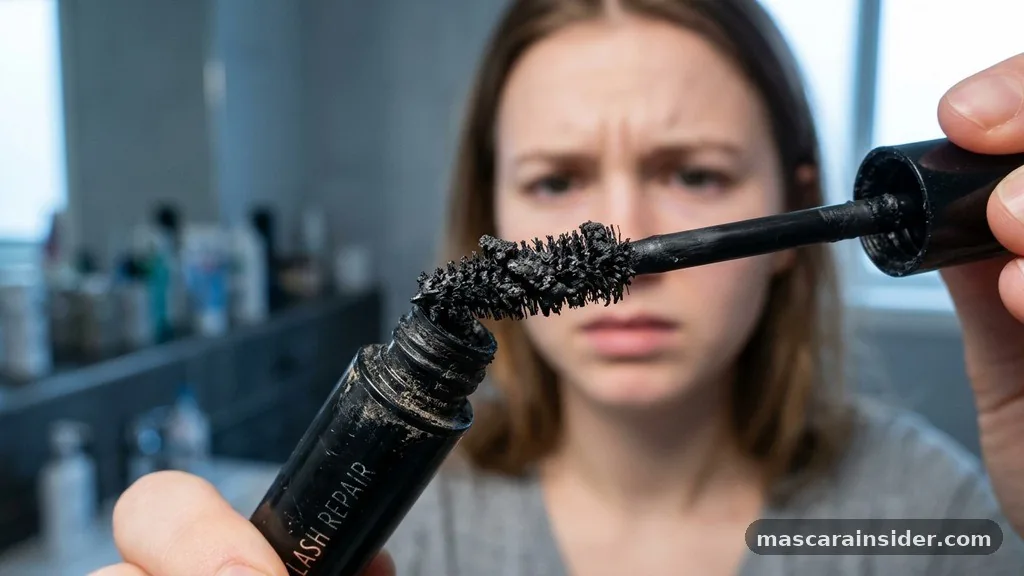
Beyond the three-month rule, you should be vigilant about how your product behaves. Expired cosmetics often undergo chemical changes that are easy to spot if you pay attention. If your mascara starts to smell slightly sour or metallic, toss it immediately. That scent is a telltale sign that the preservatives in the formula have broken down and are no longer inhibiting bacterial growth.
Another clear indicator is the consistency of the product. Dried out mascara that flakes off throughout the day or clumps excessively is not just annoying; it is a sign that the formula’s integrity has been compromised. If you notice the product separating or if it feels gritty when you apply it, the chemical stabilizers have likely failed. Never attempt to “revive” an old tube by adding water or oil, as this dilutes the preservatives and creates an even more hospitable environment for bacteria.
Understanding the Role of Preservatives
Preservatives are the unsung heroes of your makeup bag. They are specifically engineered to prevent the growth of mold, yeast, and bacteria within the tube. However, these compounds are not permanent.
Over time, exposure to oxygen and contaminants from your lashes causes them to degrade. Once the preservatives are gone, there is nothing standing between your eyes and a potential infection. Relying on the product’s original label after months of use is a dangerous gamble, as the effectiveness of these ingredients drops significantly with every passing week.
Best Practices for Maintaining Eye Health
Maintaining a healthy routine requires more than just replacing your products on time. It involves how you handle your tools and how you approach your daily application. Your mascara wand is a vector for contamination, so you must never share it with others.
Even if a friend asks to borrow your makeup for a quick touch-up, politely decline. Sharing eye makeup is the fastest way to transmit infections from one person to another.
In addition to timing, how you store your products matters. Avoid keeping your makeup in the bathroom, where humidity levels are high. Humidity encourages the growth of bacteria and accelerates the breakdown of product formulas.
Instead, store your cosmetics in a cool, dry place away from direct sunlight. Below is a quick comparison of behaviors that impact the lifespan and safety of your eye makeup:
| Action | Impact on Safety | Recommendation |
|---|---|---|
| Sharing mascara | High Risk | Never share with anyone |
| Bathroom storage | Moderate Risk | Store in a cool, dry area |
| Pumping the wand | High Risk | Swirl gently to pick up product |
| Adding water to dry product | Extreme Risk | Discard immediately |
Addressing Common Topical Gaps
Many users wonder if “natural” or “organic” mascaras last longer or shorter than traditional formulas. Because these products often contain fewer synthetic preservatives, they tend to have a shorter shelf life and require even stricter adherence to replacement schedules. Another common gap is the use of waterproof formulas.
While waterproof mascara may seem more durable, it still harbors bacteria after three months. Furthermore, removing waterproof formulas often requires more aggressive rubbing, which can cause micro-tears in the delicate eyelid skin, making it easier for bacteria to penetrate.
* Always wash your hands before applying eye makeup.
* Remove all traces of mascara before going to bed to prevent lash breakage.
* Clean your lash line gently using a dedicated, oil-free makeup remover.
* Avoid applying makeup while in a moving vehicle to prevent accidental eye injury.
* Replace any eye makeup immediately if you develop an eye infection.
Conclusion
Adhering to a strict replacement schedule is the most effective way to maintain your ocular health while enjoying your favorite beauty products. Knowing how often should you change your mascara serves as your primary defense against unwanted irritation and serious infections. By setting a three-month limit, storing your items in a cool environment, and never sharing your wands, you ensure that your makeup routine remains a source of confidence rather than a health hazard.
Remember that beauty should never come at the expense of your vision. If you suspect your current tube has been open too long or shows signs of degradation, don’t hesitate to discard it and start fresh. Your eyes will certainly thank you for the extra care and attention you provide them every single day.
Can I use mascara for 2 years?
No, you should never use mascara for two years; it must be discarded after three months of use.
What mascara is healthiest for your eyelashes?
The healthiest mascara is one that is fresh, fragrance-free, and removed thoroughly every night to prevent lash damage.
What is the no mascara trick?
The no mascara trick typically refers to using a lash tint or a clear conditioning serum for a natural look.
Does mascara on lower lashes age you?
Applying heavy mascara to lower lashes can highlight dark circles or fine lines, potentially making the eyes look aged.
How often should you change your eyeliner?
Liquid eyeliner should be replaced every three months, similar to mascara, to prevent bacterial growth and eye infections.
Is it safe to use dried out mascara?
No, dried out mascara is a sign that preservatives have failed and the product may be contaminated with bacteria.
What happens if you use old mascara?
Using old mascara significantly increases your risk of developing eye irritation, conjunctivitis, and other serious ocular bacterial infections.


