

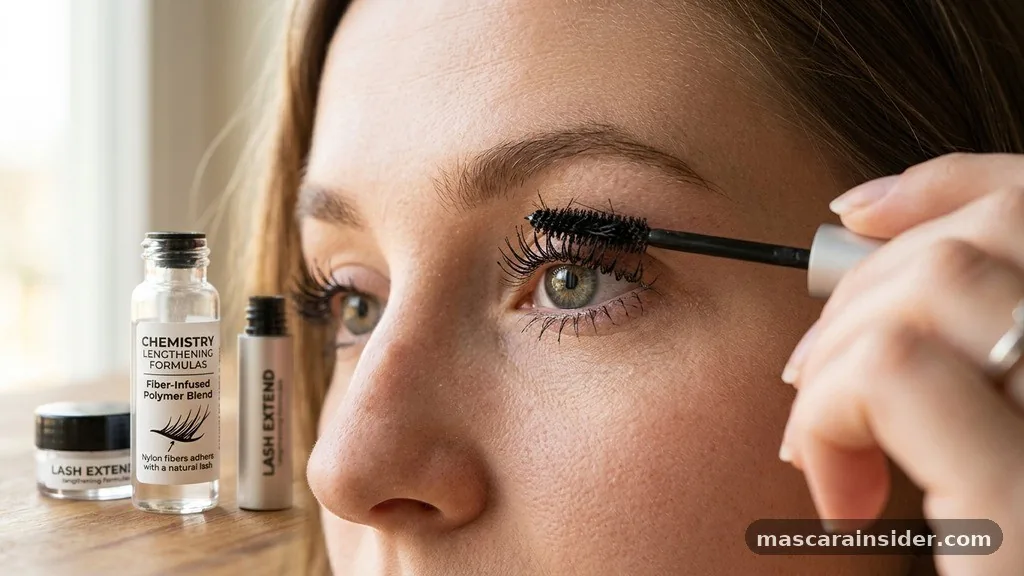
Understanding how does mascara make your eyelashes longer requires looking past the marketing claims and into the specific chemistry of cosmetic formulations. While many people assume these products contain growth-stimulating chemicals, the reality is far more mechanical.
Mascara creates an optical illusion by coating each hair with specialized pigments and structural agents that extend the perceived length of the fringe. By grasping the interaction between the brush architecture and the chemical composition of the formula, you can better select products that deliver the dramatic, elongated look you want without damaging your delicate lash hairs.
The Chemistry of Lengthening Formulas
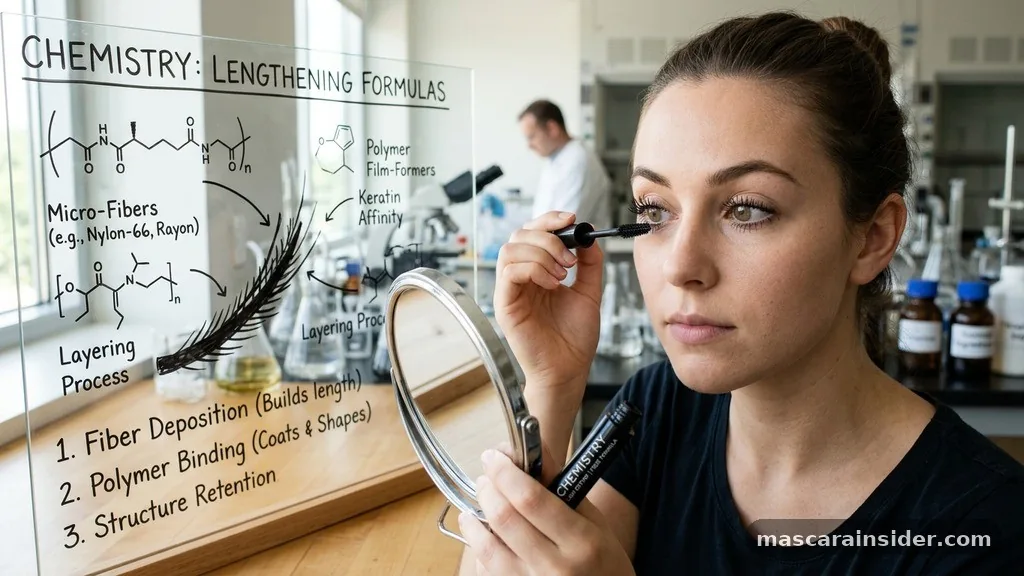
When you apply a lengthening formula, you aren’t actually growing your hair; you are building a physical extension. The core secret lies in polymer film formers, which act as a flexible adhesive that dries to create a structural bridge between your natural lash and the tip. These polymers allow the product to stretch slightly beyond the edge of your lash, effectively increasing its visible reach.
Beyond the polymers, manufacturers incorporate synthetic waxes to provide the necessary body and shape retention. These waxes, such as carnauba wax, ensure that the pigment stays in place throughout the day without drooping. When you layer these ingredients properly, you create a stiff yet flexible scaffold that holds the curl and maintains the illusion of added length from root to tip.
The Role of Fiber Technology
Many modern formulas take the concept of elongation further by including lash fibers. These are tiny synthetic threads, often made of rayon or nylon, that cling to your natural lashes like microscopic shingles. As you pull the wand through your lashes, these fibers settle on the ends, providing a physical extension that creates an instant lash extension effect.
How Fibers Bind to Lashes
The application technique is vital when using fiber-infused products. You must apply the mascara while it is still wet, allowing the fibers to integrate with the sticky base layer. If you wait too long for the first coat to dry, the fibers won’t adhere properly and may fall onto your cheeks. A clump-free application depends entirely on the spacing of the mascara wand bristles, which comb through the lashes to separate them while distributing the fibers evenly.
The Mechanics of Wand Design
The applicator is just as important as the liquid inside the tube. You might have noticed that lengthening wands look different from volumizing ones; they are usually thinner and feature shorter, tighter bristles. This design is intentional, as it allows the brush to reach the very base of the lash line and deposit product precisely where it provides the most structural support.
Brush Geometry and Length
The specific arrangement of bristles helps lift the lash from the root. By pushing the lashes upward during application, you change the angle of the hair, which makes the entire lash appear longer. A wand with a tapered tip is especially effective for reaching the tiny, often ignored hairs at the inner and outer corners of the eye, ensuring a consistent, fanned-out appearance across the entire eyelid.
Comparing Lengthening vs. Volumizing Mascara
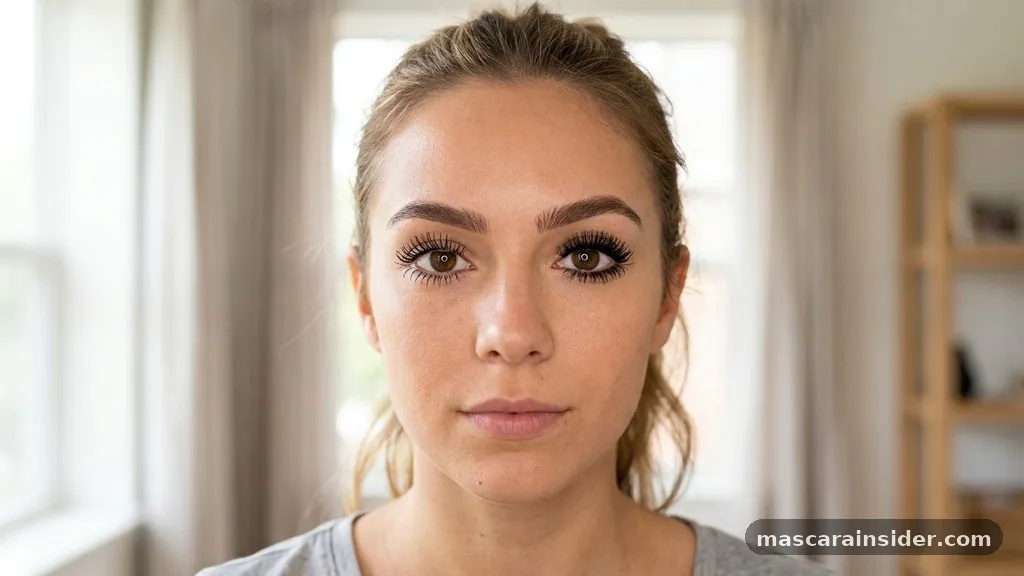
It is helpful to distinguish between different types of mascara to understand why some make lashes look longer while others make them look thicker. While they share some ingredients, the ratios differ significantly.
| Feature | Lengthening Mascara | Volumizing Mascara |
|---|---|---|
| Primary Ingredient | Polymer film formers | High wax/oil content |
| Wand Shape | Thin, comb-like bristles | Large, dense, fluffy brush |
| Desired Result | Extension and separation | Thickness and density |
| Visual Effect | Long, defined lashes | Full, dramatic, dark lashes |
Addressing Common Misconceptions About Lash Health
A frequent concern is whether these products cause damage. While the ingredients themselves are generally safe, improper removal is the leading cause of eyelash breakage prevention failure. If you scrub your eyes aggressively or leave mascara on overnight, the hardened polymers and waxes can become brittle, causing the natural hair to snap.
Always look for ophthalmologist-tested formulas if you have sensitive eyes or wear contact lenses. Furthermore, many modern formulas now include conditioning agents to offset the drying effects of waxes. Ingredients like panthenol, biotin, and keratin proteins are frequently added to help maintain the structural integrity of the eyelash cuticle, ensuring your lashes remain supple even with daily use.
Topical Gaps: Do Mascaras Actually Stimulate Growth?
There is a significant distinction between temporary cosmetic lengthening and true biological growth. Consumers often confuse the two because of marketing jargon. Mascara does not trigger the follicular cycle or increase the rate of hair growth, as it is a topical coating applied to dead keratinized tissue.
If you are looking for actual growth, you need to use a dedicated lash serum containing active peptides or prostaglandin analogs. These products work at the follicle level to extend the anagen (growth) phase of the eyelash.
Mascara is purely for the aesthetic result. Using a serum in conjunction with a high-quality mascara is the most effective way to combine long-term growth with immediate visual lengthening.
Best Practices for Maximum Length
To get the most out of your product, follow these steps to ensure you are maximizing the potential of your mascara:
- Use an eyelash curler before application to create an upward lift, making lashes look longer.
- Apply a primer first to smooth the surface of the lashes and give the mascara something to grip.
- Wiggle the wand at the roots to deposit the most product there, which prevents the tips from getting weighed down.
- Apply thin, multiple coats rather than one thick, heavy layer to avoid the spider-leg effect.
- Use a clean spoolie brush to comb through lashes immediately after application to ensure separation.
FAQ Section
Does mascara actually lengthen lashes?
Mascara provides an optical illusion of length using polymers and fibers, but it does not grow natural hair.
Can wearing mascara cause your eyelashes to fall out?
Not if used correctly; improper removal or pulling on dry, brittle lashes is what causes hair loss.
Should I use a lash primer for better length?
Yes, a primer creates a smooth, uniform base that helps lengthening fibers adhere more effectively to the lashes.
Are fiber mascaras safe for sensitive eyes?
It depends on the formula; always choose ophthalmologist-tested products and ensure fibers are properly sealed with mascara.
Does waterproof mascara make lashes look longer?
Waterproof formulas often hold a curl better, which helps create the appearance of longer, more lifted lashes.
How often should I replace my mascara?
You should replace your mascara every three months to prevent bacterial growth and ensure the formula remains effective.
Can I mix lengthening and volumizing mascaras?
Yes, layering a volumizing formula at the base and a lengthening one at the tips creates a balanced look.
Final Thoughts on Lash Enhancement
Achieving a longer-looking lash line is a blend of clever cosmetic engineering and proper application technique. By understanding that mascara works through physical coating and structural support, you can stop searching for miracle growth ingredients in your makeup tube and start focusing on the formulas that offer the best adhesion and fiber technology. Whether you prioritize a natural, defined look or a dramatic, fiber-heavy finish, the right combination of wand geometry and quality ingredients will provide the desired results.
Remember to prioritize the health of your lash cuticle by removing products gently each night. If you have any favorite techniques for getting that extra bit of length, feel free to share your routine or reach out for more beauty tips.


