

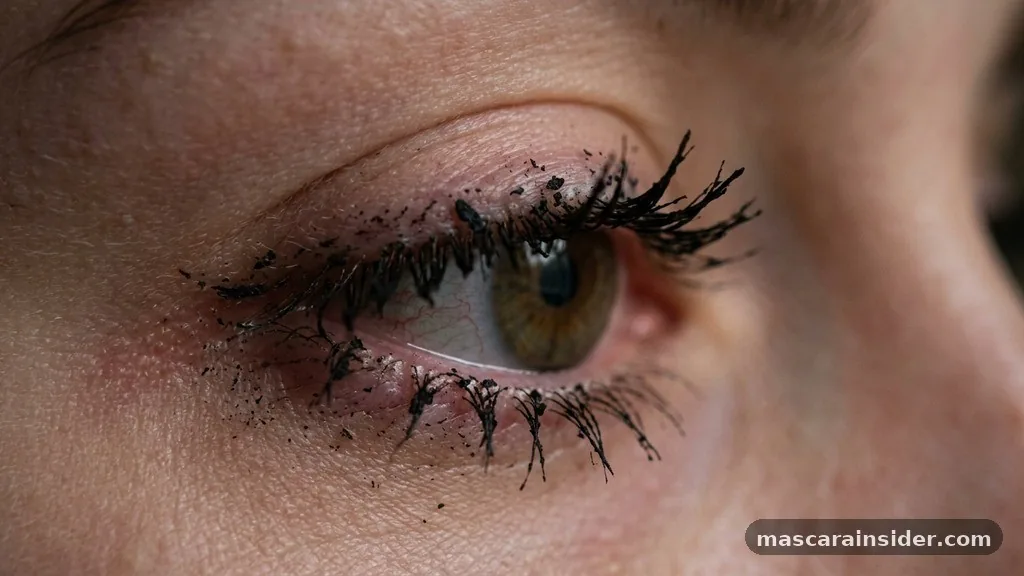
We have all been there—the exhaustion of a long night makes the simple task of washing your face feel like a monumental chore. While skipping your skincare routine once might seem harmless, understanding exactly what happens if u sleep with mascara is vital for maintaining long-term eye health.
Leaving cosmetic pigments on your lashes overnight is more than just a recipe for messy pillowcases; it creates an environment where bacteria thrive. By exploring the biological impact of trapped debris on your delicate eyelid skin and ocular surface, you can better appreciate why a quick cleanse is non-negotiable for anyone who values their vision and lash longevity.
The Biological Impact of Trapped Pigment
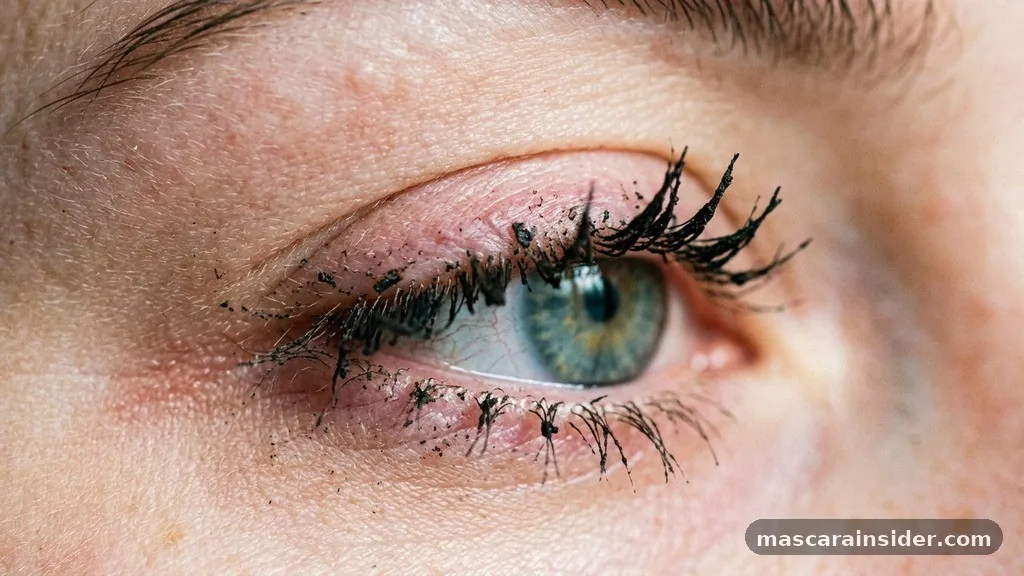
When you leave mascara on overnight, you aren’t just leaving color on your lashes; you are trapping environmental pollutants and bacteria against your skin. The skin around your eyes is the thinnest on your body, making it incredibly susceptible to dermatological reaction.
As the mascara dries and hardens, it loses its flexibility, turning your soft lashes into brittle structures. This leads to eyelash breakage because the weight and stiffness of the product cause the hairs to snap during the natural friction of tossing and turning against a pillow.
Beyond the physical damage to the lashes themselves, the product residue can migrate into the eye. This often results in ocular irritation, characterized by redness, stinging, or a gritty sensation upon waking.
Because the eye is a highly sensitive mucous membrane, the introduction of foreign chemical compounds—even those labeled as hypoallergenic—can trigger inflammation. If this becomes a nightly habit, the cumulative effect can compromise the protective barrier of the eyelid, leaving you vulnerable to more severe issues that require medical intervention.
Risk Factors for Infection and Follicle Blockage
The most significant danger associated with sleeping in eye makeup involves the obstruction of the meibomian glands. These tiny glands line the edge of your eyelids and secrete the oils necessary to keep your eyes lubricated and healthy.
When mascara residue clogs these openings, it leads to follicle blockage, which is a primary precursor to the development of styes. A stye is a painful, red bump that forms near the edge of the eyelid, often caused by trapped bacteria multiplying within the blocked gland.
Furthermore, the environment created by dried mascara is an ideal breeding ground for bacterial growth. As you sleep, your body temperature fluctuates, and the moisture near the eye surface provides a stable climate for microorganisms to flourish. If you wear contact lenses, the risk is magnified significantly.
Sleeping in lenses is already discouraged by optometrists; adding a layer of makeup debris increases the likelihood of trapped particles scratching the cornea. This creates a high risk for conjunctivitis, a common but irritating infection that causes discharge, itching, and significant discomfort.
Addressing the Risks of Chronic Neglect
Many people wonder if they can get away with skipping removal occasionally. While the body is resilient, chronic neglect of your lash hygiene leads to long-term structural changes.
When the follicles remain congested for extended periods, the hair growth cycle can be disrupted, resulting in thinner, weaker lashes over time. Additionally, the constant state of low-grade inflammation can contribute to blepharitis, a chronic condition involving swollen, crusty eyelids that is notoriously difficult to treat once established.
Proper Removal Techniques to Protect Your Eyes
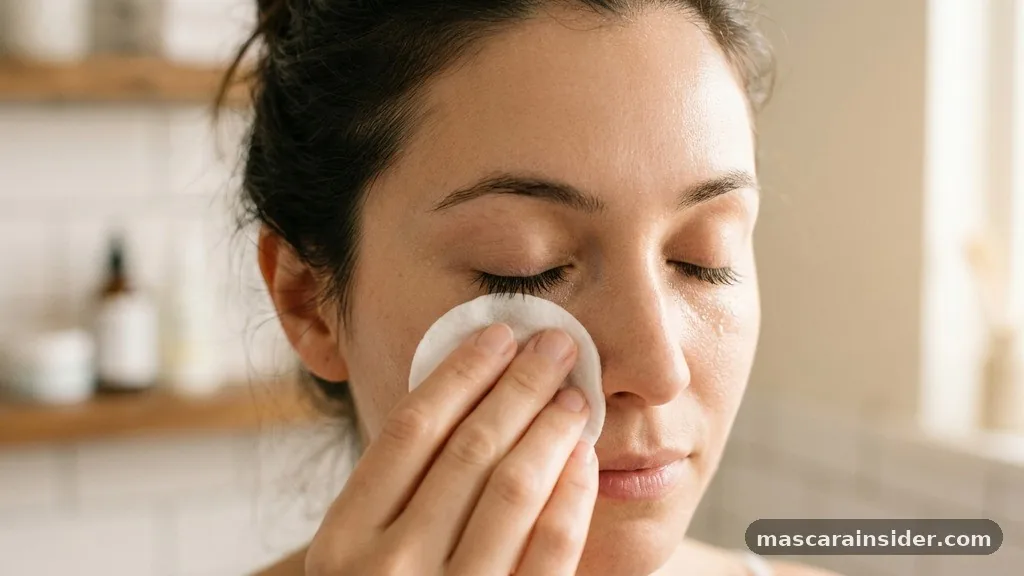
Effective removal is the only way to mitigate these risks. Using the right tools makes the process faster and less damaging.
An oil-based cleanser is generally the gold standard for breaking down waterproof formulas, as it dissolves the waxes and polymers in the mascara without requiring harsh scrubbing. If you prefer a lighter touch, micellar water is an excellent alternative, provided you use a high-quality cotton pad and allow the liquid to sit on the lashes for a few seconds to loosen the pigment before gently wiping.
It is essential to avoid aggressive rubbing. The goal is to lift the product away from the lash line, not to grind it into the skin.
If you use lash extensions, the stakes are even higher, as improper removal can dissolve the adhesive bond and pull out your natural lashes along with the extensions. Always use oil-free formulas if you have extensions, and be diligent about clearing the base of the lash line where buildup usually accumulates.
| Cleansing Method | Best For | Key Benefit |
|---|---|---|
| Oil-based Cleanser | Waterproof Mascara | Dissolves stubborn polymers |
| Micellar Water | Sensitive Skin | Gentle, no-rinse formula |
| Dual-Phase Remover | Heavy Makeup | Balances oil and water |
What Happens If U Sleep With Mascara: Identifying Complications
Understanding the warning signs that you have been sleeping in makeup is key to preventing long-term damage. If you wake up with a feeling of heaviness on your eyelids, persistent redness, or a crusty residue, your eyes are signaling that the environment is compromised.
A corneal abrasion is a rare but serious possibility if a stray piece of hardened mascara gets trapped under your eyelid and scratches the surface of the eye during the night. If you experience sharp, localized pain or extreme light sensitivity, you should seek professional care immediately.
To maintain optimal eye health, adhere to a strict cleansing protocol:
- Always remove eye makeup before entering your sleep cycle.
- Replace your mascara tube every three months to prevent bacterial buildup.
- Use a fresh, clean cotton pad for each eye to avoid cross-contamination.
- Avoid sharing eye cosmetics with others to prevent the spread of infections.
- Keep an oil-free cleanser by your bedside for those nights when the bathroom feels too far away.
Conclusion
Taking care of your eyes is a fundamental part of any wellness routine. While it might seem like a minor oversight, what happens if u sleep with mascara is a series of small, avoidable physiological stresses that can lead to infections, gland blockages, and permanent damage to your lash health. By prioritizing a thorough cleaning ritual using an appropriate makeup remover, you protect the delicate tissues of your eyelids and ensure your eyes remain clear and comfortable.
Investing a few minutes each night is a simple, effective way to prevent the complications associated with sleeping in cosmetics. If you find yourself frequently too tired to wash your face, consider keeping gentle wipes on your nightstand to ensure you never go to sleep with product-laden lashes again.
Is it ever safe to sleep with mascara on?
No, it is never recommended because it traps bacteria and causes potential follicle blockage and irritation.
Can sleeping in mascara cause permanent lash loss?
Yes, chronic breakage and follicle inflammation can lead to thinning lashes and disrupted natural growth cycles.
What is the fastest way to remove mascara if I’m tired?
Use a high-quality oil-based cleanser or micellar water, which dissolves pigment quickly without needing heavy scrubbing.
How does mascara cause a stye?
Mascara residue can block your meibomian glands, trapping bacteria that lead to painful, infected eyelid bumps.
Are waterproof mascaras worse for sleeping?
Yes, they contain stronger polymers that are harder to remove and more likely to cause mechanical damage to lashes.
What should I do if I wake up with eye pain from makeup?
Rinse your eye with sterile saline, avoid further makeup use, and consult an eye doctor if pain persists.
Can I use makeup wipes instead of liquid cleansers?
Wipes are acceptable in a pinch, but they often require more rubbing, which can irritate the delicate eye area.


