

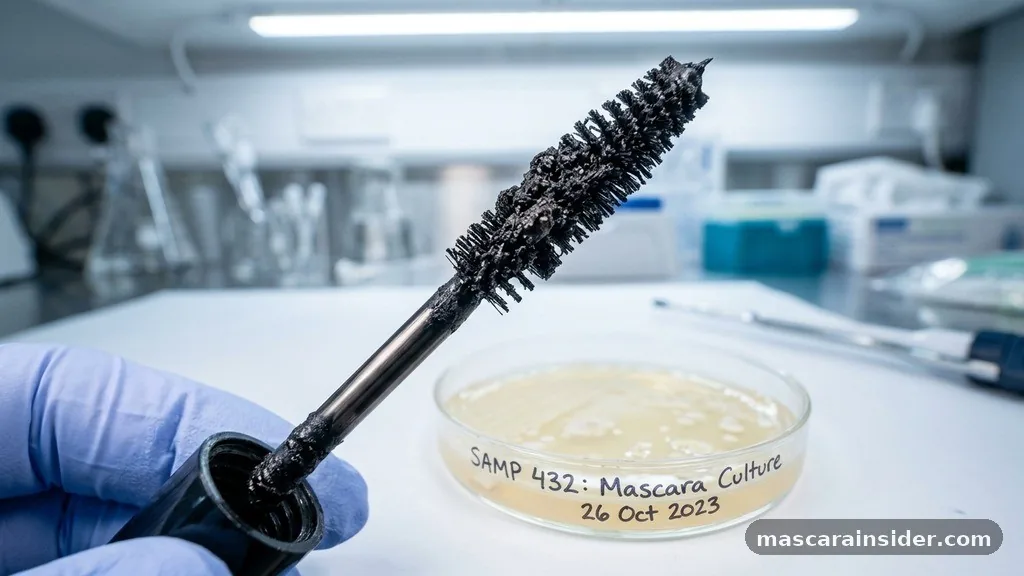
Many of us have a favorite tube of mascara lingering in our makeup bag long after we’ve forgotten exactly when we bought it. Because we apply this product so close to our eyes, understanding the reality of whether or not mascara expires is a matter of basic health.
While it might still look and smell fine, the internal environment of a mascara tube is a breeding ground for microorganisms that can compromise your vision. Learning the specific signs of degradation and the science behind these timelines ensures you can keep your lashes looking bold without risking a painful or costly eye infection.
The Science of Shelf Life and Bacterial Growth
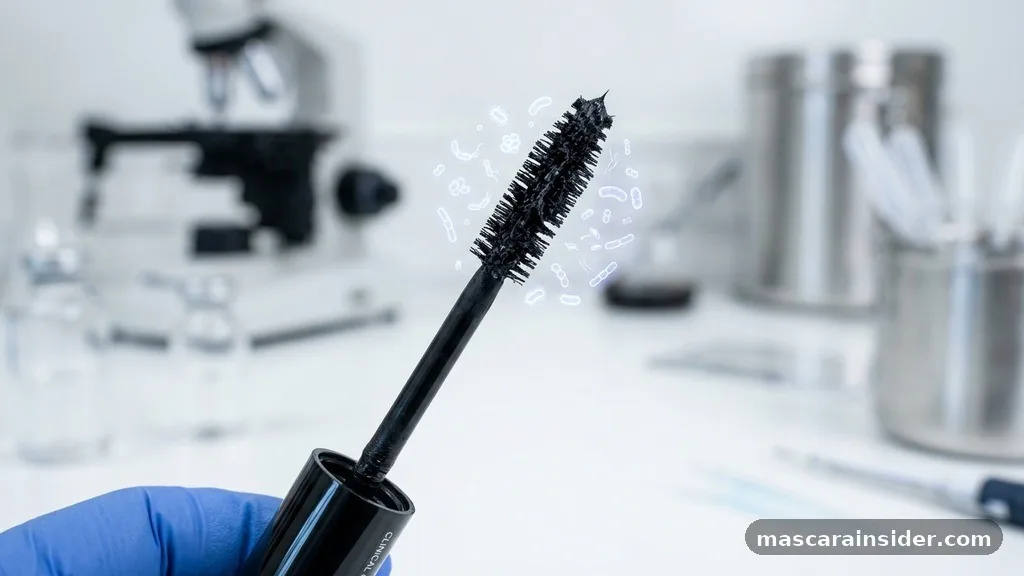
The primary reason why mascara has a significantly shorter lifespan than other cosmetics, like powder eyeshadows or blushes, is its chemical composition. Most formulas are water-based, which provides an ideal, moist environment for bacteria to flourish.
Every time you pull the mascara wand out and push it back in, you are effectively pumping air, dust, and microscopic debris into the tube. This process introduces foreign contaminants that the preservatives inside the formula can only fight for a limited time.
Once these preservatives begin to break down, they lose their ability to neutralize the bacterial load. If you use a product that has passed its safety threshold, you are essentially applying a concentrated culture of microbes directly to your lash line.
This is why eye health experts consistently warn against extending the use of liquid eye products. The shelf life of mascara is rarely about the pigment drying out; it is almost always about the accumulation of pathogens that your body’s natural defenses may not be able to handle.
Decoding the PAO Symbol on Your Packaging
Manufacturers include specific indicators on their packaging to help consumers track usage. The PAO symbol, or Period After Opening icon, is a small graphic that looks like an open jar with a number and a letter inside, such as “6M” or “3M.”
This symbol explicitly tells you how many months the product remains safe to use once the seal is broken. For most mascaras, this number is typically three to six months.
Ignoring this symbol is a common mistake that often leads to unnecessary eye irritation. While a product might technically remain “usable” in terms of consistency for longer, the stability of the formula is compromised the moment oxygen hits it.
By checking the container for this mark, you gain a clear, manufacturer-backed guideline for when it is time to discard your tube. It is a simple, standardized way to ensure you aren’t guessing when your beauty products have reached their limit.
Recognizing the Signs of Product Degradation
Even if you haven’t kept track of the exact date you opened your mascara, your senses can often tell you when it is time for a replacement. Product degradation manifests in several distinct ways that are hard to ignore once you know what to look for. The most common sign is a change in the texture or consistency of the formula. If the liquid has become clumpy, thick, or stringy, it is no longer performing as intended.
Another major red flag is the smell. Fresh mascara usually has a mild, chemical, or slightly waxy scent. If your tube starts emitting an off-putting, sour, or chemically sharp odor, it is a clear indicator that the chemical composition has changed.
Furthermore, if you notice the product flaking off significantly more than it did when it was new, the binding agents have likely broken down. Never try to “revive” old, dried-out mascara with water or oil, as this further dilutes the preservatives and invites even faster microbial growth.
The Risks of Using Expired Eye Makeup
The consequences of using expired beauty products go far beyond a simple smudge or poor application. Because the eye area is incredibly sensitive and lacks the protective barrier of thicker skin, it is highly susceptible to bacterial contamination.
Using a contaminated mascara tube can lead to several uncomfortable and potentially serious conditions. One of the most common issues is conjunctivitis, or pink eye, which causes redness, itching, and discharge.
A stye is another frequent result of poor makeup sanitation. This occurs when a hair follicle or oil gland at the base of the eyelash becomes infected, often due to bacteria transferred from an old wand.
In severe cases, an eye infection can lead to corneal ulcers or inflammation that requires professional medical intervention. If you experience persistent redness, pain, or swelling after applying mascara, stop using it immediately and consult an ophthalmologist to rule out a more significant health issue.
How to Extend the Life of Your Mascara
While you should never exceed the recommended expiration, there are steps you can take to ensure your mascara reaches its full potential. The way you handle the mascara wand is the most important factor in preventing premature spoilage.
Many people have a habit of “pumping” the wand in and out of the tube to get more product on the brush. This action forces air into the container, which accelerates the oxidation and drying process while introducing more airborne contaminants.
Instead of pumping, gently swirl the wand against the inner walls of the tube to pick up the desired amount of product. Additionally, always ensure the cap is screwed on tightly after every use to prevent the formula from drying out.
Store your makeup in a cool, dry place, away from direct sunlight or the humidity of a bathroom, as heat can break down the preservatives faster. Keeping your makeup bag clean and organized also prevents cross-contamination between your brushes and your mascara.
Addressing Topical Gaps in Mascara Safety
There is often confusion regarding whether unopened mascara is truly safe indefinitely. Many consumers wonder if they can stock up on their favorite brands during sales. While unopened mascara does not have the same immediate bacterial risk as an opened one, it still possesses a shelf life.
Ingredients like waxes, pigments, and binders can separate or degrade over long periods, even in a sealed environment. Generally, unopened mascara is safe for about two to three years if stored properly, but you should always check the batch code if you are unsure.
Another gap in common knowledge involves the use of “travel-size” mascaras. People often assume these smaller tubes last for the same duration as full-sized versions.
In reality, the smaller volume of product often means the preservatives are exposed to air more frequently relative to the total amount of mascara, potentially shortening their lifespan. Treat travel-sized products with the same vigilance as full-sized ones, and prioritize replacing them after three months of consistent use.
Comparing Mascara Types and Longevity
| Mascara Type | Typical Longevity | Risk Profile |
|---|---|---|
| Water-Based | 3 Months | High (Bacterial growth) |
| Waterproof | 3-4 Months | Moderate (Dries out fast) |
| Tubing Mascara | 3 Months | Moderate |
| Organic/Natural | 1-2 Months | Very High (Fewer preservatives) |
The Importance of Makeup Sanitation Practices
Maintaining high standards of beauty product safety requires more than just replacing your mascara on time. It involves a commitment to keeping your tools and your face clean.
Always remove your eye makeup thoroughly before going to sleep using a gentle cleanser. Leaving mascara on overnight can cause the product to flake into your eyes, leading to mechanical irritation and potential infection.
Never share your mascara with anyone else, even if you are just trying out a friend’s product. Sharing makeup is the fastest way to transmit bacteria from one person to another.
If you have recently had an eye infection, you must discard any eye makeup you were using during that time, regardless of how new it is. The bacteria from the infection will have colonized the wand and the tube, meaning you will simply re-infect yourself every time you apply it.
Expert Tips from Ophthalmologists
When it comes to eye health, professionals are unanimous: the eyes are not a place to take risks. Most eye doctors recommend replacing mascara every three months without exception. If you have sensitive eyes or wear contact lenses, you should be even more diligent, perhaps opting for hypoallergenic or ophthalmologist-tested formulas that are less likely to cause irritation.
If you find that your mascara is consistently irritating your eyes, it may be the formula itself, not the expiration date. Some people have sensitivities to specific preservatives or pigments used in standard mascaras.
In such cases, look for products labeled as “paraben-free” or specifically formulated for sensitive eyes. Always prioritize the health of your vision over the aesthetic appeal of a specific brand or product, as no makeup look is worth the discomfort of a chronic or acute eye condition.
Conclusion
Navigating the rules of cosmetic shelf life is a simple but essential part of a healthy beauty routine. By acknowledging that your mascara is a perishable item, you protect yourself from common infections and ensure the best possible performance from your products. Remember to check the PAO symbol on your packaging, avoid the temptation to pump your wand, and never hesitate to toss a tube that smells off or has changed in texture.
Making these small adjustments will keep your eyes bright, healthy, and irritation-free. Start today by auditing your makeup bag and discarding any items that have overstayed their welcome. Your eyes will thank you for the extra care and attention you provide them every single day.
FAQ
Yes, unopened mascara typically expires after two to three years due to the degradation of chemical ingredients.
Can I use mascara after 6 months?
Most experts advise against this, as the preservatives usually fail, increasing the risk of bacterial eye infections.
What happens if I use expired mascara?
You risk developing eye infections like conjunctivitis or styes due to the buildup of harmful bacteria inside.
How do I know if my mascara is bad?
Look for a sour smell, clumpy texture, or if the product causes redness or itching upon application.
Should I store mascara in the fridge?
No, storing mascara in the fridge can cause the formula to separate and does not prevent bacterial growth.
Is it safe to share mascara?
Never share mascara, as this transfers bacteria and pathogens between users, leading to potential eye infections.
How long does waterproof mascara last?
Waterproof mascara also lasts about three months, as the wand still introduces bacteria every time it is used.


