

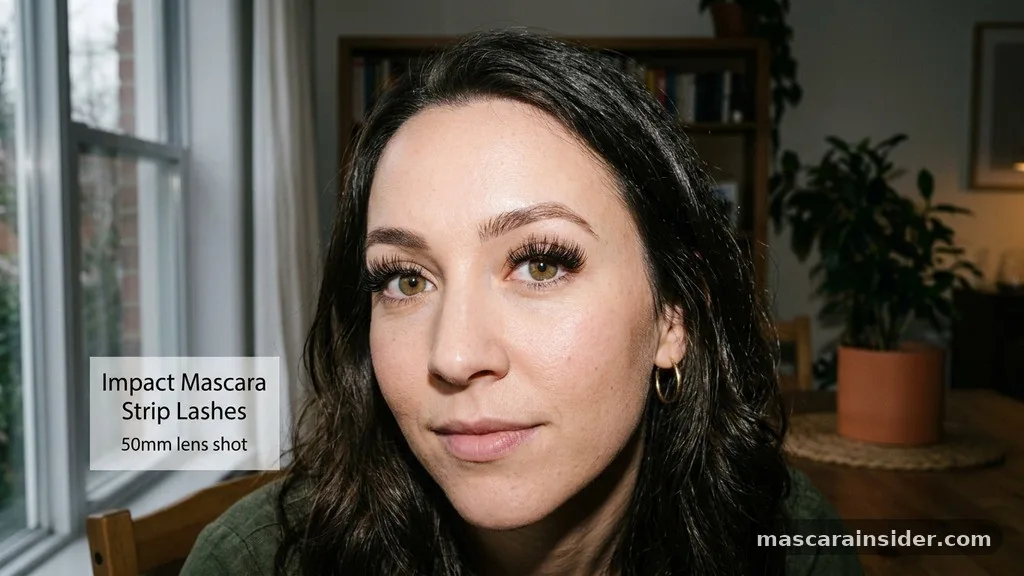
Deciding whether you should apply cosmetic pigment to your falsies is a common dilemma for beauty enthusiasts. Many people wonder if they should use mascara on false eyelashes to achieve a more cohesive look, yet they worry about damaging the delicate fibers.
Mastering the balance between your natural hairs and synthetic additions depends largely on the type of lash you choose and the specific effect you want to achieve. By understanding the proper makeup application order, you can enhance your eye look without sacrificing the longevity of your favorite beauty tools.
The Impact of Mascara on Strip Lashes
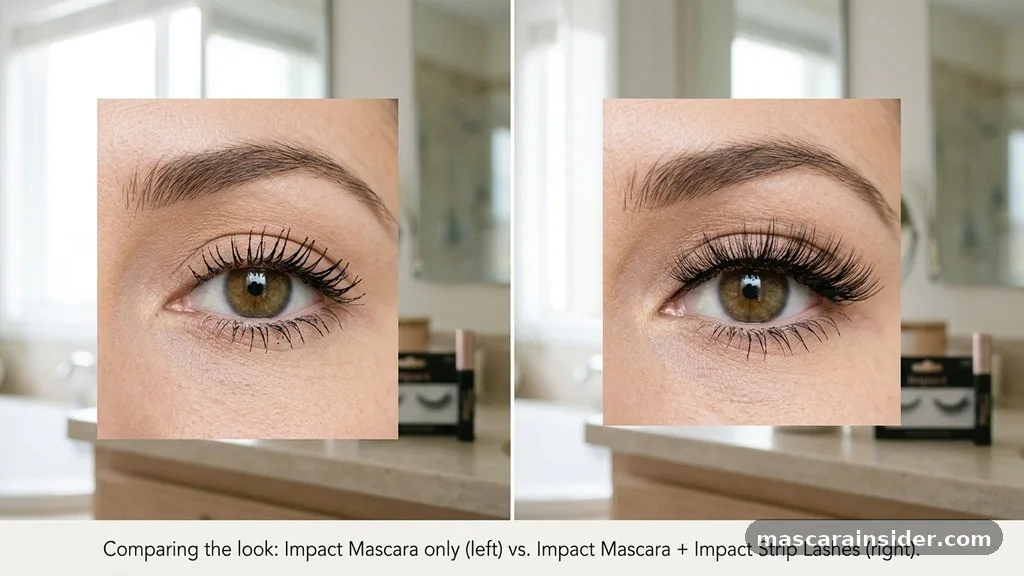
Applying mascara to strip lashes is generally discouraged if you want to reuse them multiple times. Most strip lashes are designed to hold a specific shape and curl, and adding a heavy layer of product can weigh down the synthetic fibers, causing them to lose their bounce. When you coat the hairs in pigment, you often create a stiff texture that looks unnatural compared to the soft, wispy appearance they had out of the box.
If you are wearing a high-quality pair of faux mink lashes, you should avoid using mascara entirely. The delicate, tapered ends of these premium fibers are meant to mimic the look of real hair, and the thickening effect of a mascara wand will likely ruin that illusion.
Instead of coating the falsies, focus on applying a light layer of mascara to your natural lashes before you apply the strip. This creates a sturdy base for the lash band to rest on and ensures your natural lashes are thoroughly blended with the synthetic ones.
Blending Techniques for a Seamless Look
The primary reason people reach for their mascara after applying falsies is to blend their own hair with the extensions. If you find a visible gap between your natural lashes and the faux ones, the best approach is to use a gentle touch with a lash curler. By gently squeezing your natural lashes and the strip lashes together, you encourage them to sit in the same direction, which is often enough to hide the seam without needing extra product.
If you absolutely must use mascara to fill a visible gap, use a very light hand and focus only on the roots. Using the tip of the mascara wand, gently press the pigment into the area where the lash band meets your eyelid.
This technique minimizes the amount of product that touches the synthetic fibers, preserving their shape while darkening the skin or the base of the lashes to hide the adhesive residue. Always choose a formula that is easy to remove to prevent long-term damage to the lash material.
Material Considerations: Synthetic Fibers vs. Silk
Not all false lashes respond the same way to cosmetic products. Synthetic fibers, which are often stiffer, might hold up to a light coating of mascara better than delicate silk or faux mink options. However, these synthetic materials are also more prone to clumping when wet, which can result in a spider-leg appearance that distracts from your overall eye makeup.
Silk lashes are incredibly lightweight and flexible, making them a popular choice for daily wear. Because they are so soft, they are highly sensitive to the weight of liquid products.
Applying a thick volume mascara to silk lashes will almost certainly cause them to droop, effectively closing off your eye and ruining the “lifted” effect you intended. If you are using luxury, high-end lashes, treat them with care and avoid applying anything that might alter their texture or structural integrity.
The Correct Makeup Application Order
Establishing the right sequence for your routine is vital for achieving a professional finish. Many beginners make the mistake of applying their strip lashes first and then attempting to fix the blending with layers of mascara. This is almost always counterproductive because it makes the falsies harder to clean and shortens their lifespan significantly.
| Step | Action | Purpose |
|---|---|---|
| 1 | Curl natural lashes | Creates a foundation for the lash band. |
| 2 | Apply eyeliner | Hides the lash band and adhesive. |
| 3 | Apply lash glue | Ensures secure attachment to the lid. |
| 4 | Attach falsies | Adds volume and length to the eyes. |
| 5 | Final blending | Use a gentle squeeze to marry the layers. |
By following this order, you ensure that your natural lashes are prepped and ready to support the weight of the falsies. If you apply your eye makeup correctly, you will rarely find yourself asking if you need to use mascara on false eyelashes, as the transition will already look natural. The goal is to make the additions look like an extension of your own features, not a separate, heavy layer sitting on top of them.
Managing Adhesive Residue and Long-Term Care
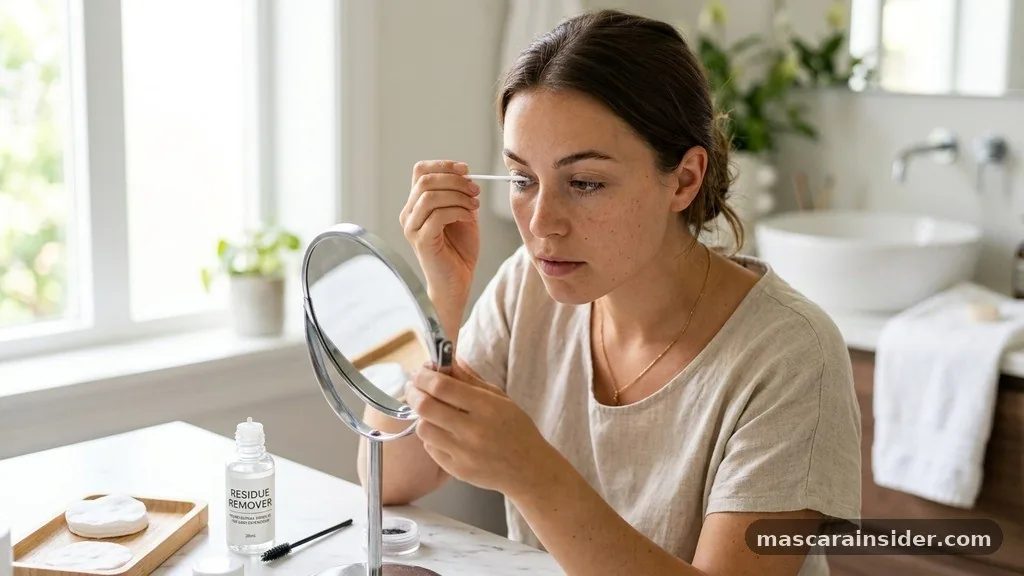
One of the biggest issues with using mascara on false lashes is the difficulty of cleaning them afterward. When you mix mascara with lash glue, you create a stubborn, gummy residue that adheres to the base of the lash band. This makes the removal process much more aggressive, often leading to the accidental ripping of fibers when you try to scrape the gunk away.
Proper eye makeup removal requires specific tools to keep your lashes in good condition. If you have accidentally applied mascara, you must use an oil-based makeup remover specifically formulated for eyes to break down the wax and pigments.
However, be aware that oil-based cleaners can weaken the lash glue if you reuse your lashes frequently. If you want your investment to last for dozens of wears, keep the mascara off the fibers and focus your cleaning efforts solely on the band.
Addressing Topical Gaps: Lash Clusters and DIY Extensions
There is a significant difference between strip lashes and individual lash clusters or DIY lash extension kits. Many people ask, “Can you put mascara on lash clusters?” and the answer is slightly more nuanced than with strip lashes. Because lash clusters are often intended to be worn for several days at a time, they are frequently made of different materials that may withstand a light coat of mascara better than traditional strips.
However, even with clusters, applying mascara can lead to premature shedding. If you use a heavy volume mascara on your clusters, the weight can pull on your natural lashes, potentially causing damage to your real hair follicles.
If you want a fuller look with clusters, it is better to stack them or choose a volume-style cluster pack from the start rather than trying to build volume with mascara. Always consult the specific instructions provided by the manufacturer of your DIY lash kit, as they have tested their products to determine what materials are compatible with their adhesive systems.
The Role of Mascara Wands in Application
The tool you use matters just as much as the product itself. If you find that you absolutely must darken your lash line, avoid using the large, bulky wand that comes with your tube of mascara. These brushes are designed to coat thousands of individual natural hairs at once and are far too imprecise for the delicate structure of false lashes.
Instead, invest in a pack of disposable spoolies. A clean, thin spoolie allows for targeted application. You can dip the tip into your mascara and gently brush only the very roots of the lashes.
This prevents the “clumping” effect and gives you much more control over how much pigment is deposited. If you make a mistake, a tiny spoolie is much easier to wipe clean with a bit of micellar water than a standard wand.
Common Mistakes That Ruin Your Falsies
Many beauty lovers accidentally shorten the lifespan of their lashes through simple, avoidable errors. Using waterproof mascara on false lashes is one of the most common mistakes.
Waterproof formulas are designed to stay on until they are dissolved by heavy-duty solvents, which are often too harsh for synthetic lash fibers. Once waterproof mascara is on your falsies, it is nearly impossible to remove without destroying the shape of the fibers.
Another frequent error is applying mascara while the lash glue is still tacky. If your glue hasn’t fully set, the mascara can mix with the adhesive and create a messy, sticky trap for dust and debris.
Always wait at least ten minutes after applying your lashes before considering any final touches. This allows the glue to cure, ensuring that your lashes are locked firmly in place and won’t shift or sag when you manipulate them with a wand.
Maintaining a Natural Aesthetic
The ultimate goal of using false lashes is to achieve a look that feels authentic to your personal style. When you over-apply mascara, you risk moving from a “glamorous” look to a “heavy” look that can make your eyes appear smaller rather than more open. Synthetic lashes are already designed to provide a specific level of drama, and adding extra product often interferes with the intentional design of the lash style.
If you feel your lashes look too thin, consider switching to a different style rather than trying to salvage a pair with mascara. From wispy, natural-looking options to bold, full-volume strips, there is a design for every preference.
By selecting the right pair initially, you eliminate the need for extra cosmetic layers, saving time in your morning routine and ensuring your favorite pair of lashes stays pristine for as long as possible. Embracing the design of the lashes themselves is the best way to ensure your makeup looks clean, polished, and intentional.
Conclusion
Deciding whether to use mascara on false eyelashes is a choice that balances personal preference with the need to maintain your beauty tools. While a light touch at the roots can help blend your natural hairs with the synthetic band, applying mascara across the entire length of the lash is generally counterproductive. It adds unnecessary weight, ruins the intended curl, and makes the cleaning process significantly more difficult.
By focusing on the correct makeup application order and choosing the right lash style for your desired look, you can achieve a flawless appearance without compromising your falsies. With the right techniques, your lashes will remain a reliable part of your beauty kit for many applications to come. If you have questions about specific brands or adhesive types, feel free to reach out and share your favorite lash tips.
FAQ
Can I use waterproof mascara on my false eyelashes?
No, waterproof mascara is too harsh and will permanently damage the delicate synthetic fibers of the lashes.
Should I apply mascara before or after putting on my falsies?
Apply a light layer to your natural lashes before applying the falsies to create a sturdy, blended base.
Does mascara ruin the shape of faux mink lashes?
Yes, the weight and texture of mascara will cause high-quality faux mink fibers to clump and lose shape.
How do I safely remove mascara from my false eyelashes?
Use a gentle, oil-free makeup remover on a cotton swab to clean the band without damaging the fibers.
Can I use mascara on individual lash clusters?
It is generally discouraged, as the added weight can stress your natural lashes and cause premature shedding.
What is the best way to blend my natural lashes with falsies?
Use a lash curler to gently squeeze your natural lashes and the strip lashes together after the glue sets.
How often should I replace my false eyelashes?
With proper care and minimal product buildup, high-quality strip lashes can be reused for up to 15-20 wears.


