

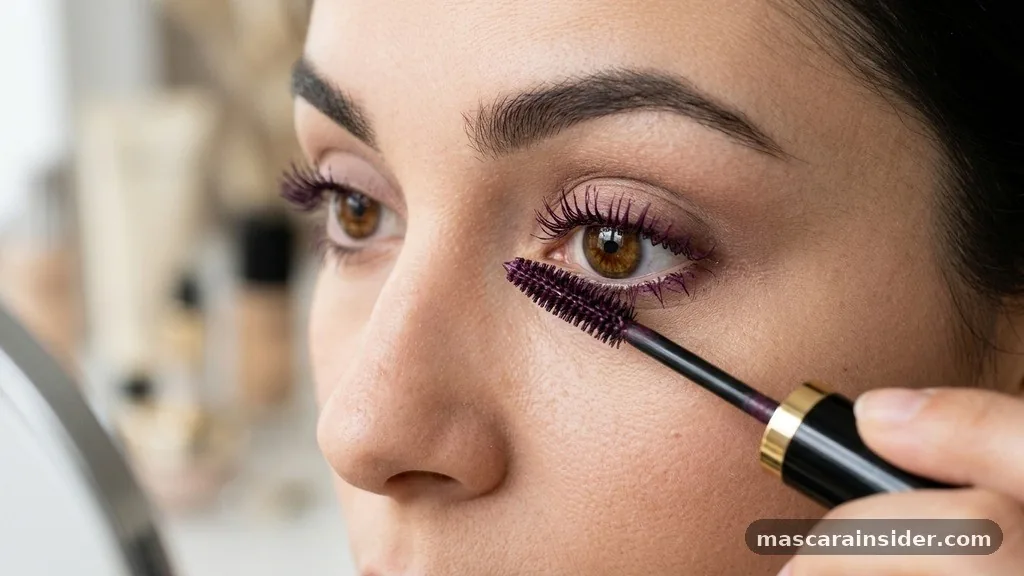
Choosing the right shade of lash tint can shift your entire aesthetic, and finding the perfect what color mascara for brown eyes combination is simpler than you might think. While black is the standard, branching out into colored formulas allows you to play with iris pigmentation to make your gaze appear more vibrant and intentional.
By understanding basic color theory, you can select tones that either harmonize with your natural warmth or create a striking, high-fashion contrast. This exploration of pigment science and cosmetic application will show you how to move beyond basic black and truly highlight the depth of your eyes.
Applying Color Theory to Your Lash Routine
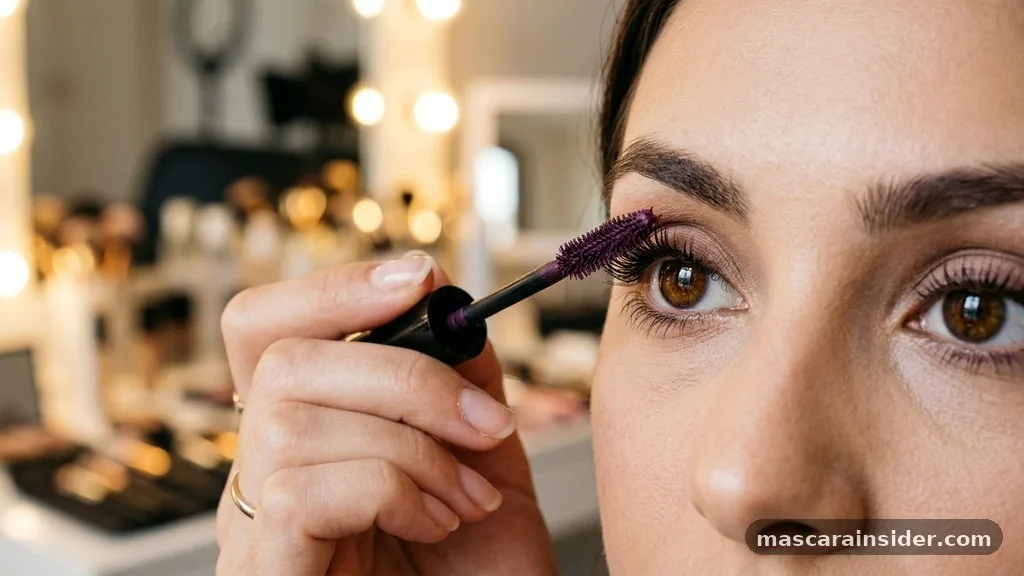
The secret to choosing the right hue lies in the science of the color wheel. Because brown is a neutral shade, it acts as a versatile canvas that reacts differently to various pigments.
When you select a shade that sits opposite or adjacent to your specific shade of brown on the wheel, you create a natural brightening effect that draws immediate attention to the eyes. Most people with brown irises have subtle flecks of gold, amber, or even green, which can be amplified by specific undertones in your makeup.
Understanding your own warm undertones or cool undertones is the first step in this process. If your skin has a golden or olive glow, you might find that earthy, rich tones complement your complexion while simultaneously making your eyes look clearer.
Conversely, those with cooler skin tones might prefer shades that offer a crisp, clean contrast. By focusing on the complementary colors that interact with your iris, you can turn a simple swipe of mascara into a deliberate styling choice that feels both sophisticated and fresh.
The Brightening Power of Navy Blue Mascara
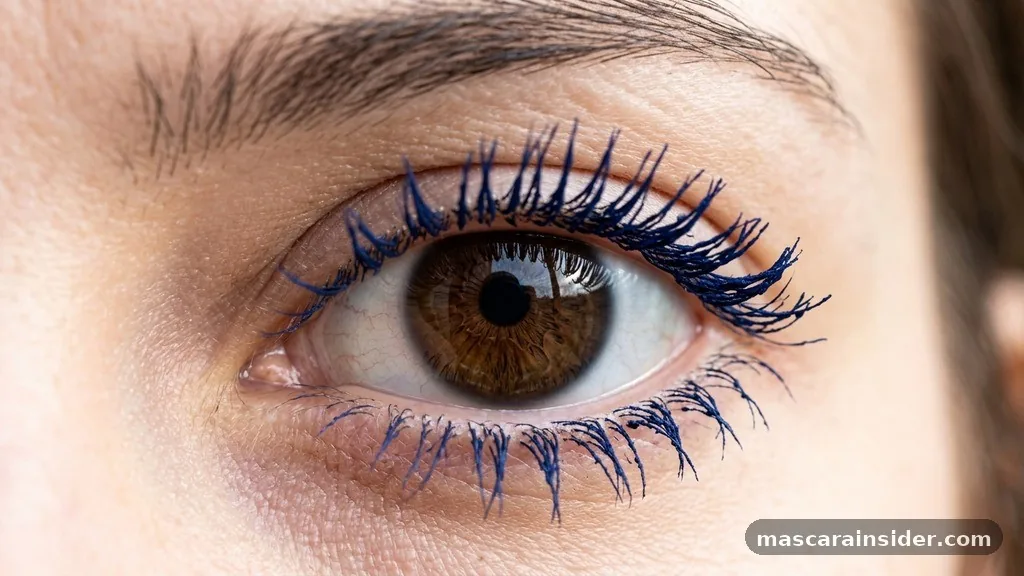
Many makeup artists suggest navy blue mascara as a surprising but highly effective alternative to black. The deep blue pigment works by counteracting any yellow or dullness in the whites of your eyes, effectively making them appear brighter and more alert.
This is particularly useful for those who spend long hours at a screen or want to look more awake during early mornings. The dark blue tone is subtle enough to pass for black in dim lighting, yet it provides a distinct, cool-toned pop when the light hits your lashes directly.
Because navy is a dark, saturated color, it provides excellent lash definition without looking as harsh or heavy as traditional jet-black formulas. It creates a subtle, sophisticated contrast against the richness of dark brown eyes, acting as a framing device that draws the viewer inward.
If you are hesitant to try bright or neon colors, navy serves as the perfect entry point into the world of colored makeup. It offers a professional, polished finish that maintains a sense of elegance while adding a unique, modern twist to your everyday beauty regimen.
Deepening Your Look with Plum and Burgundy
If you want to emphasize the warmth and reddish-brown flecks often found in brown irises, plum mascara or burgundy mascara are your best allies. These warmer, berry-toned shades create a beautiful harmony with the natural pigments in your eyes. By choosing a deep purple or wine-colored formula, you are essentially mimicking the natural shadows around the eye, which creates a soft, romantic, and inviting aesthetic that is far less aggressive than a stark black line.
These colors are particularly flattering because they create a gentle eye makeup contrast that feels intentional rather than theatrical. Burgundy, in particular, has a way of making the eyes look larger and more expressive by adding a hint of warmth to the lash line.
This is an excellent choice for daytime wear or professional settings where you want to experiment with color without drawing too much attention. The result is a subtle, multi-dimensional look that enhances the natural golden or amber highlights within your iris, making them appear more prominent and luminous.
Choosing Emerald Green for Added Depth
While it might sound bold, emerald green mascara is a fantastic choice for those with deep, chocolate-colored eyes. Green sits on the opposite side of the spectrum from red-brown tones, meaning it provides a sharp, vibrant contrast that makes the eyes pop instantly. This shade works exceptionally well if you have subtle olive or hazel flecks in your irises, as it pulls those hidden colors forward and makes them the focal point of your face.
To wear emerald green effectively, consider the density of the formula. A highly pigmented, deep forest green can look quite elegant and understated, whereas a brighter, more vibrant shade offers a playful, high-fashion vibe.
You don’t have to coat your lashes entirely if you feel uncomfortable; many people choose to apply a black base coat first and then add a light layer of green only to the tips of their lashes. This creates a subtle gradient effect that catches the light and reveals a flash of color only upon closer inspection, keeping your look grounded yet intriguing.
The Role of Pigmentation in Lash Definition
The physical composition of mascara pigments plays a significant role in how the final color appears on your lashes. High-quality colored mascaras are formulated with denser pigments that ensure the color is visible even over the darkest lash hairs.
When shopping for these products, look for formulas that offer a “buildable” texture, as this allows you to control the intensity of the color. If you have very dark lashes, you may need a formula that is specifically designed to coat and tint without flaking or losing its vibrancy throughout the day.
Consistency also matters when considering how a product will perform on your specific lash type. Some colored mascaras are thinner than traditional black formulas, which can sometimes lead to clumping or a lack of volume.
It is often helpful to use an eyelash curler before application to ensure the lashes are lifted and separated, which allows the pigment to coat each hair evenly. By prioritizing products that offer both color payoff and structural support, you ensure that your lashes remain defined and curled while showcasing the chosen shade.
Answering Common Topical Gaps
There are several specific nuances that often go unaddressed in standard beauty advice, particularly regarding how to combine shades or handle specific eye conditions. One common question is whether you can mix colors to create a custom look; the answer is yes, layering a colored mascara over a black primer can provide the best of both worlds. Another gap involves the transition from day to night.
Many users wonder if they need to change their mascara entirely for evening events. You can easily transition by adding a metallic or glitter-infused topcoat to your daytime colored lashes, which adds a festive, light-reflecting quality that works beautifully under artificial evening lighting.
Furthermore, people often worry about whether colored mascara will look “too much” on mature eyes or in conservative environments. The trick is to focus on the undertone rather than the brightness.
A muted, desaturated shade like a dusty plum or a charcoal-navy is almost always appropriate for any setting. The following table provides a quick reference for matching specific eye highlights to the best mascara shades for a harmonious or contrasting effect.
| Iris Characteristic | Recommended Mascara Shade | Visual Effect |
|---|---|---|
| Golden/Amber Flecks | Burgundy or Plum | Enhances warmth and glow |
| Dark, Solid Brown | Navy Blue | Brightens the sclera |
| Olive/Hazel Tones | Emerald Green | Highlights hidden green undertones |
| Light Brown/Tan | Deep Bronze or Brown | Creates a soft, monochromatic look |
Techniques for Subtle vs. Bold Application
How you apply your mascara can change the entire impact of the color. If you are going for a professional or “no-makeup” look, focus the colored mascara only on the outer corners of your lashes.
This creates an elongated, cat-eye effect that draws the eye outward and makes your gaze appear more lifted. By keeping the inner lashes closer to a neutral black or dark brown, you maintain a grounded appearance while still enjoying the benefits of a subtle pop of color.
For a bolder, more editorial look, you might choose to coat your entire lash line, including the lower lashes. Applying color to the bottom lashes can be very effective for those with brown eyes, as it brings the pigment into closer proximity with the iris, further amplifying the brightening effect.
If you choose to go this route, ensure your skin tone is balanced with a clean under-eye area, as colored mascara on the lower lashes can sometimes emphasize dark circles if the area isn’t properly concealed. Experimentation is key; try different application techniques on the weekend to see what feels most comfortable for your personal style.
Selecting Formulas for Different Lash Types
Not all mascaras are created equal, and the formula you choose should depend on your specific lash needs. If you have thin or sparse lashes, look for a volumizing formula in your chosen color.
These products contain thicker waxes and fibers that build bulk, ensuring the color is distributed across a larger surface area. If your lashes are naturally long but straight, a curling or “lifting” formula is essential to ensure the color is visible from the front.
It is also important to consider the finish of the mascara. Matte finishes tend to look more natural and sophisticated, making them ideal for everyday office wear. Conversely, metallic or high-gloss finishes can be a fun way to experiment with light and texture, particularly if you are attending a special event.
When choosing a colored mascara, check the ingredient list for conditioning agents like panthenol or vitamin E. Since colored formulas can sometimes be slightly more drying than traditional black, these added conditioners help keep your lashes healthy, flexible, and resistant to breakage over time.
Maintenance and Removal Best Practices
Because colored mascaras often contain different dye concentrations than standard black, they can sometimes be slightly more stubborn to remove. To protect the delicate skin around your eyes and the health of your lashes, always use an oil-based makeup remover or a dedicated micellar water designed for waterproof makeup.
Gently soak a cotton pad and hold it against your closed eyelid for ten to fifteen seconds before wiping downward. This softens the pigment and prevents the need for harsh rubbing, which is the primary cause of lash loss.
Regular maintenance also involves keeping your mascara tube clean and replacing it every three months. Even if the color still looks vibrant, the formula can harbor bacteria over time, which is a risk you don’t want to take with your eyes.
If you find that a particular shade is not showing up as well as you’d like, try priming your lashes with a white or clear lash primer first. This provides a neutral base that makes the colored pigment stand out significantly more, allowing you to achieve a vivid, professional-looking result with just one or two swipes.
Frequently Asked Questions
Does navy blue mascara really make brown eyes look brighter?
Yes, the cool tones in navy blue contrast with the warmth in brown eyes, making whites appear brighter.
Can I wear colored mascara if I have a professional job?
Absolutely, opt for deep, muted shades like navy or plum that appear subtle indoors but catch the light.
What is the best way to make colored mascara stand out more?
Apply a coat of white lash primer first to create a neutral base for the colored pigment’s opacity.
Should I match my mascara to my eyeshadow color?
You don’t have to match them exactly, but choosing complementary tones creates a more cohesive, polished makeup look.
Is it okay to mix two different colors of mascara?
Yes, applying a black base and a colored topcoat creates depth and a unique, custom-tinted lash effect.
How do I remove stubborn colored mascara without damaging lashes?
Use an oil-based makeup remover or cleansing balm, holding it on your lashes to dissolve the pigment gently.
Which mascara color is best for dark brown eyes?
Deep plum or navy blue are excellent, as they provide enough contrast to stand out against dark irises.
Finding the right shade of mascara for your brown eyes is a simple way to elevate your daily routine and highlight the natural beauty of your iris. By experimenting with shades like navy, plum, or emerald, you can subtly shift your look from everyday neutral to something uniquely personal and vibrant. Remember that the best approach is to start with a shade that feels comfortable and build up your confidence as you see how these colors brighten and define your gaze.
Whether you prefer a subtle hint of color on the tips of your lashes or a full, bold look, the possibilities for enhancing your natural features are endless. Keep playing with these tones, and don’t be afraid to step outside of the traditional black mascara box to discover what works best for you.


