

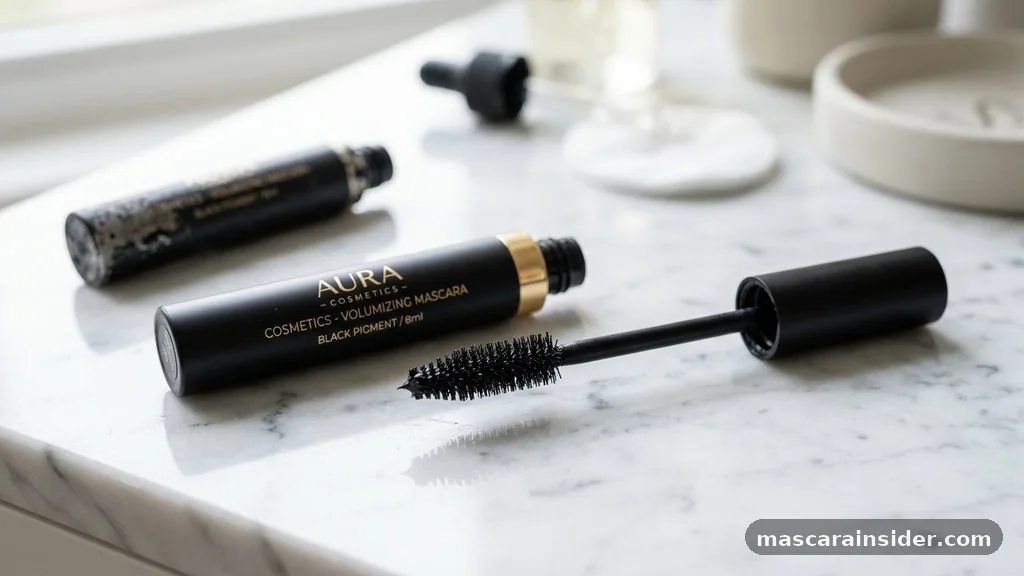
Knowing how often should you replace your mascara is essential for maintaining healthy eyes and achieving the best possible cosmetic results. Many makeup users keep their favorite tubes far longer than recommended, often unaware that these products become breeding grounds for microorganisms the moment they are opened.
By understanding the science behind product degradation and the risks of bacterial growth, you can protect your vision and avoid common irritations. This article breaks down the expert-recommended timelines, the indicators that your product has expired, and the best practices for keeping your eye makeup safe for as long as possible.
Understanding the Shelf Life of Eye Makeup
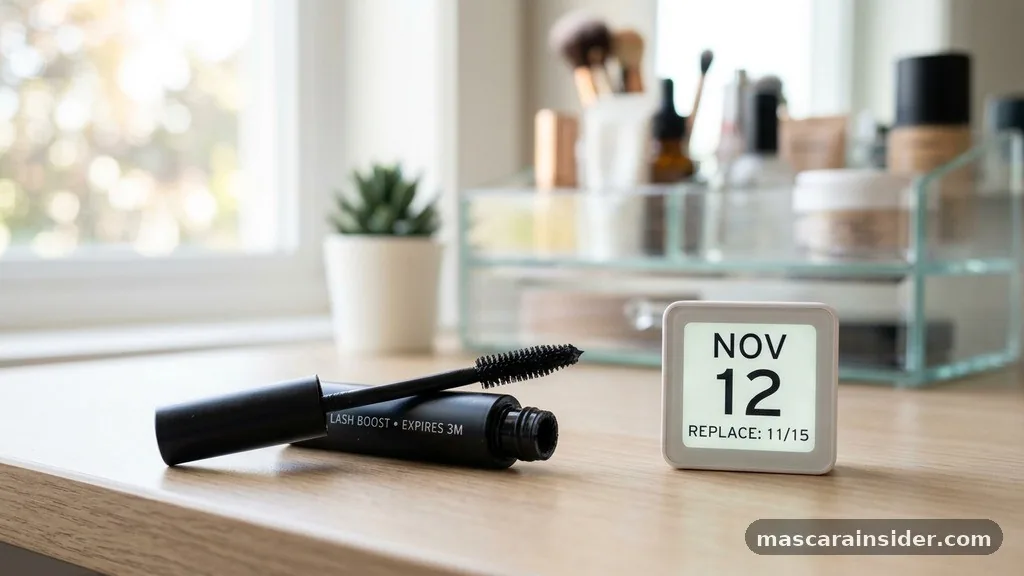
The primary rule for eye products is strict: three months is the industry standard for replacement. While some people attempt to stretch a tube to six months or longer, the chemical stability and biological safety of the product decline rapidly after the initial use.
Once you pull the wand out of the tube for the first time, you introduce oxygen and environmental contaminants into the formula. This process initiates a countdown that even the most advanced preservatives cannot indefinitely stall.
Manufacturers design these products with a specific shelf life in mind, assuming a standard rate of daily usage. When you exceed the three-month window, the protective barrier provided by the chemical formulation begins to break down.
You might notice the texture changing, but the most dangerous changes—the microscopic ones—remain invisible to the naked eye. Relying on your tube past this timeframe increases the likelihood of introducing pathogens directly onto your delicate ocular tissues.
The Role of the PAO Symbol
If you look closely at the packaging of your cosmetics, you will find a small icon representing an open jar with a number and the letter “M.” This is the PAO symbol, which stands for period after opening.
This symbol is your most reliable guide for determining the lifespan of any beauty product. For most mascaras, this symbol will display “3M,” explicitly signaling that the product should be discarded three months after it is unsealed.
Ignoring this symbol is a common mistake that leads to unnecessary health risks. The PAO is not merely a suggestion from a marketing department; it is a regulatory-backed estimate based on the degradation rate of the product’s active ingredients.
When the synthetic polymers and waxes that provide your lashes with volume and length begin to oxidize, the product loses its efficacy. Sticking to the timeline suggested by the manufacturer ensures you are getting the performance you paid for while staying within the safety margins tested by the brand.
Risks of Bacterial Contamination
The area around your eyes is incredibly sensitive, making it a prime target for bacterial contamination. Every time you pump the wand in and out of the tube, you push air—and potentially airborne dust or bacteria—into the formula.
Over several weeks, the mascara tube becomes a warm, dark, and damp environment, which is the perfect incubator for pathogens like staph or other common skin bacteria. These organisms thrive in the nutrient-rich environment of your makeup, rapidly multiplying with every use.
When you apply contaminated product to your eyelashes, you are essentially painting bacteria directly onto your lash line. This can lead to minor issues like redness or itching, but it can also escalate into more severe conditions such as conjunctivitis or styes.
Because these infections can cause long-term discomfort and even impact your vision, it is safer to be conservative with your replacement schedule. If you have recently recovered from an eye infection, you should discard all eye makeup immediately, regardless of how new the products are.
Recognizing Signs of an Expired Product
While the calendar is your best tool, your senses can also provide clues that it is time to toss your mascara. A clumped formula is often the first physical sign that the ingredients are separating or drying out.
If the texture has become thick, stringy, or difficult to apply smoothly, the chemical balance has likely shifted. Trying to “revive” old mascara by adding water or oil is a dangerous practice, as it further dilutes the preservatives and creates a more hospitable environment for bacteria.
Another red flag is a noticeable change in scent. Fresh mascara usually has a mild, chemical, or waxy smell. If you detect a sharp, sour, or “off” odor, the product has definitely degraded.
Furthermore, if you experience any stinging, burning, or watering eyes during or after application, stop using that product immediately. These physical reactions are your body’s way of warning you that the chemical composition has changed or that the product is harboring irritants that your eyes simply cannot tolerate.
The Mechanics of Wand Contamination
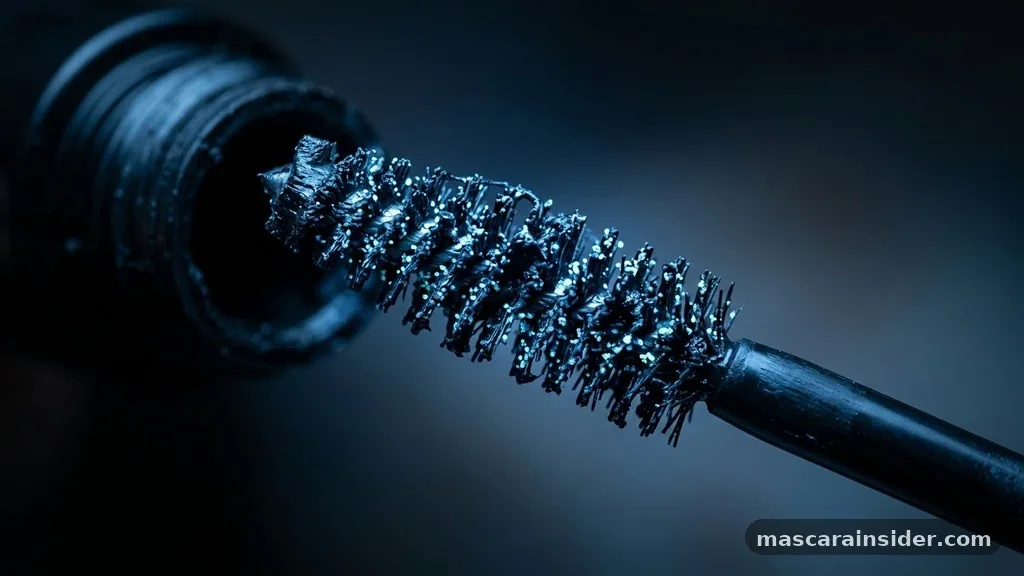
The applicator wand is a major vector for introducing unwanted debris into your tube. Wand contamination occurs when the brush picks up oils, dead skin cells, or makeup residue from your lashes and deposits them back into the reservoir. This is why you should never share your mascara with friends or family, even if you are just trying to help them touch up their look. You are sharing your personal microbiome, which can lead to the transmission of bacteria that another person’s eyes may not be accustomed to.
To minimize the impact of this process, try to keep your application technique clean. Avoid pumping the wand aggressively, as this forces air into the tube and speeds up the drying process. Instead, gently swirl the wand inside the tube to pick up the formula.
If you notice that your wand is collecting an excessive amount of debris, it may be a sign that your eyelash hygiene needs improvement. Regularly cleaning your lashes before application can help keep the mascara tube cleaner for longer.
Comparison of Eye Makeup Lifespans
Different types of eye makeup have different expiration profiles based on their formulation and how they are applied. While mascara is the most high-risk item due to its liquid, tube-based nature, other products also require regular attention. The table below outlines the general recommended replacement windows for common eye products to help you manage your beauty kit effectively.
| Product Type | Typical Lifespan | Primary Risk Factor |
|---|---|---|
| Mascara | 3 Months | Bacterial growth in tube |
| Liquid Eyeliner | 3-6 Months | Wand contact with mucosa |
| Pencil Eyeliner | 6-12 Months | Surface contamination |
| Eyeshadow (Powder) | 1-2 Years | Low moisture, slow decay |
| Cream Eyeshadow | 6 Months | High moisture content |
Addressing Common Topical Gaps
Many users wonder if “waterproof” or “natural” formulas change the rules regarding replacement. The truth is that makeup expiration dates are relatively universal regardless of the specific formula. Natural or organic mascaras, which often lack harsh synthetic preservatives, may actually degrade even faster than traditional options.
If a product contains fewer preservatives, it is inherently more susceptible to mold and bacterial growth. You should be even more vigilant with these products, perhaps replacing them closer to the two-month mark if you notice any change in smell or performance.
Another common question involves the use of lower lash mascara. Some worry that applying product to the lower lashes increases the risk of infection. While it is true that mascara on the lower lashes is closer to the tear duct and can cause more irritation, the primary risk remains the quality of the product itself.
If the mascara is fresh and the formula is clean, the application area is less of a concern than the age of the tube. Always prioritize the three-month rule over any specific application technique or style preference.
Best Practices for Eyelash Hygiene
Maintaining your eye health requires more than just replacing your makeup on time; it involves consistent eye makeup removal and general cleanliness. Never sleep with mascara on, as this traps bacteria against your eyes and can lead to clogged follicles or even corneal abrasions.
Use a gentle, oil-based or micellar cleanser to ensure every trace of pigment is removed before you head to bed. If you leave residue behind, it can flake into your eyes overnight, causing irritation.
* Always wash your hands before touching your eye area.
* Avoid applying makeup in a moving vehicle to prevent accidental injury.
* Keep your makeup storage cool and dry, away from direct sunlight.
* Discard any product that has been dropped on the floor or contaminated with dirt.
* Replace your eyelash curler pads regularly to prevent bacterial buildup.
* If you wear contact lenses, be extra cautious with flake-prone formulas.
Following these steps will not only keep your eyes safer but will also improve the longevity and quality of the makeup you use. When you treat your tools and products with care, you reduce the likelihood of having to throw away a half-used tube prematurely.
The Importance of Consistent Replacement
Replacing your mascara every three months is the most effective way to prevent ocular health issues. While it might feel wasteful to discard a product that still has plenty of formula left, the cost of a new tube is far lower than the cost of treating an infection.
By treating your cosmetics as shelf-stable items with a definite endpoint, you take control of your health. Your eyes are irreplaceable, and they deserve the protection that comes from following established safety guidelines.
Consistency is key to forming these healthy habits. Consider marking the date you open a new tube on the bottom of the container with a permanent marker.
This simple act removes the guesswork and ensures you aren’t relying on memory to track how old your makeup is. Once you make this a part of your standard beauty routine, you will find that it becomes second nature.
Conclusion
Knowing how often should you replace your mascara is about balancing beauty goals with fundamental hygiene. By adhering to the three-month rule and paying attention to the signs of degradation, you can enjoy your favorite beauty looks without compromising your eye health. Remember that even the highest-quality formulas are not immune to the passage of time or the risks of bacterial contamination.
If you have been keeping your tubes for too long, consider this your sign to refresh your makeup bag today. Taking these small steps will ensure your eyes remain bright, clear, and irritation-free for years to come. If you have questions about your specific products or notice any unusual symptoms, always consult with a professional.
Is it okay to use mascara for longer than three months?
No, it is not recommended, as the risk of bacterial contamination increases significantly after three months of use.
Can I use mascara that has dried out?
You should avoid using dried-out mascara, as adding water or oil can introduce bacteria and ruin the product’s safety.
Does waterproof mascara last longer than regular mascara?
No, the expiration timeline remains the same regardless of the formula, as the preservatives still degrade over time.
What should I do if my eyes feel irritated?
Stop using your mascara immediately, clean your eye area, and monitor for persistent redness or discharge from your eyes.
Why does my mascara smell strange?
A sour or unusual odor indicates that the chemical preservatives have broken down, making the product unsafe for use.
Should I replace my mascara after an eye infection?
Yes, you must discard all eye makeup used during an infection to prevent re-infecting yourself with lingering bacteria.
How can I remember when to replace my mascara?
Write the date of first use on the bottom of the tube with a permanent marker to track its age.


