

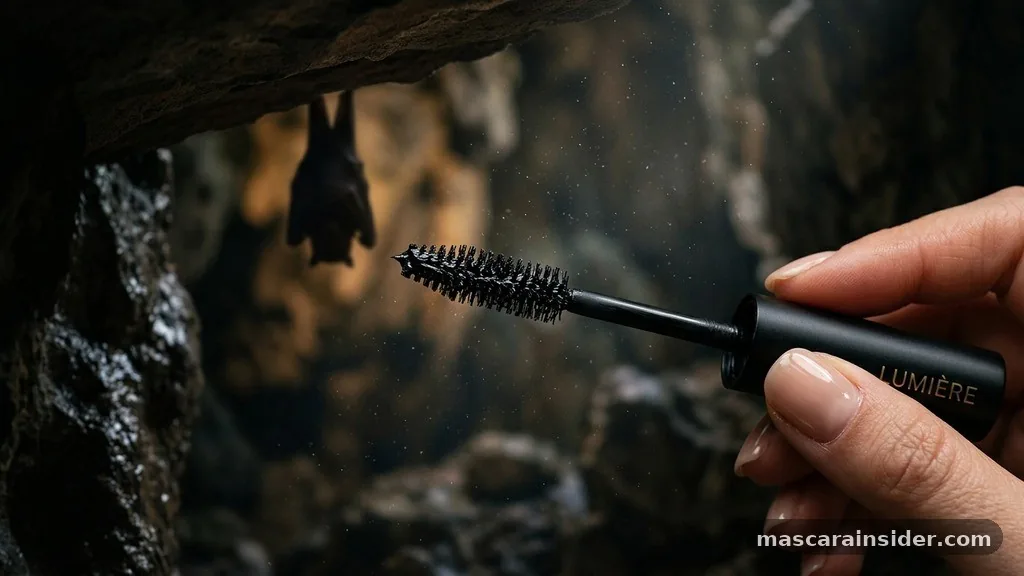
Many beauty enthusiasts often wonder about the origin of their favorite cosmetic products, specifically asking what animal is mascara made of when they read through complex ingredient labels. While the industry has shifted toward cleaner, more transparent standards, historical formulations and certain modern additives still rely on animal-derived substances. Understanding these components helps you make informed choices that align with your ethical values and skin sensitivities.
From ancient beauty rituals to modern laboratory science, the composition of lash-enhancing products is a fascinating blend of biology and chemistry. By exploring these ingredients, you will gain clarity on whether your makeup bag contains hidden animal byproducts or if you are already using plant-based alternatives.
Unmasking the Myth of Bat Guano
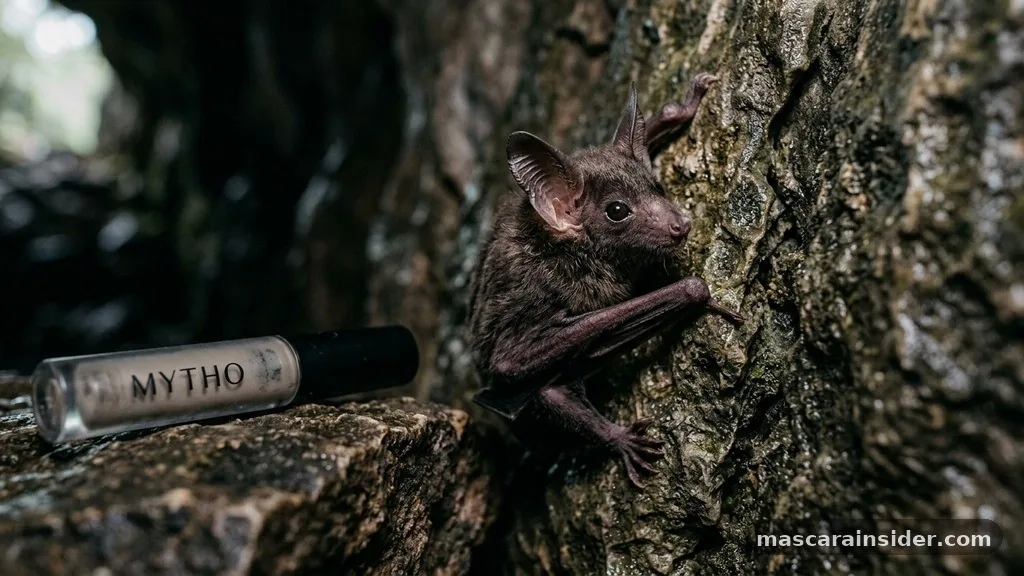
A persistent urban legend suggests that mascara is manufactured using bat droppings, or guano. This rumor has circulated for decades, likely stemming from a misunderstanding of the chemical components found in some cosmetic products. To set the record straight, no reputable cosmetic company uses actual bat waste in their mascara formulations.
The confusion likely arises from the presence of guanine, a crystalline material that provides a shimmering or pearlescent effect in many beauty products. While guanine is indeed a nitrogenous base found in high concentrations in bird and bat excrement, the version used in the cosmetics industry is processed and purified to meet strict safety standards.
In modern manufacturing, the guanine used for that sought-after sparkle is almost exclusively harvested from fish scales. Specifically, manufacturers source these scales from herring and other oily fish as a byproduct of the food industry. This substance, often referred to as “pearl essence,” is carefully extracted and cleaned to ensure it is free from biological contaminants.
If you are concerned about animal welfare, it is important to distinguish between the myth of waste-based ingredients and the reality of the supply chain. You are not putting bat poop on your lashes; you are likely using a highly refined, industry-standard pigment derived from marine sources.
Common Animal-Derived Ingredients in Beauty
While the bat guano theory is false, it is true that several other animal-derived ingredients remain common in traditional cosmetics. When you investigate what animal is mascara made of, you will frequently encounter substances like beeswax, lanolin, and carmine. These materials are valued for their specific textures, binding properties, and color payoff.
Beeswax, for instance, is a staple in many lash products because it helps the formula adhere to the hair shaft while providing a smooth, water-resistant application. It is a natural secretion from honeybees and is generally considered a byproduct of beekeeping.
Lanolin is another frequent guest in the makeup world, derived from the wool of sheep. It acts as an emollient, keeping the lash formula from drying out too quickly inside the tube. Perhaps the most controversial animal-based ingredient is carmine, which is used to create deep red or pink pigments.
Carmine is harvested from the crushed bodies of cochineal insects, which are tiny scale insects that live on cacti. Because these ingredients are not plant-based, they are excluded from strictly vegan product lines. If you are aiming for a strictly ethical beauty routine, checking for these specific names on the back of your mascara tube is the best way to verify if the product aligns with your lifestyle.
The Rise of Synthetic and Vegan Alternatives
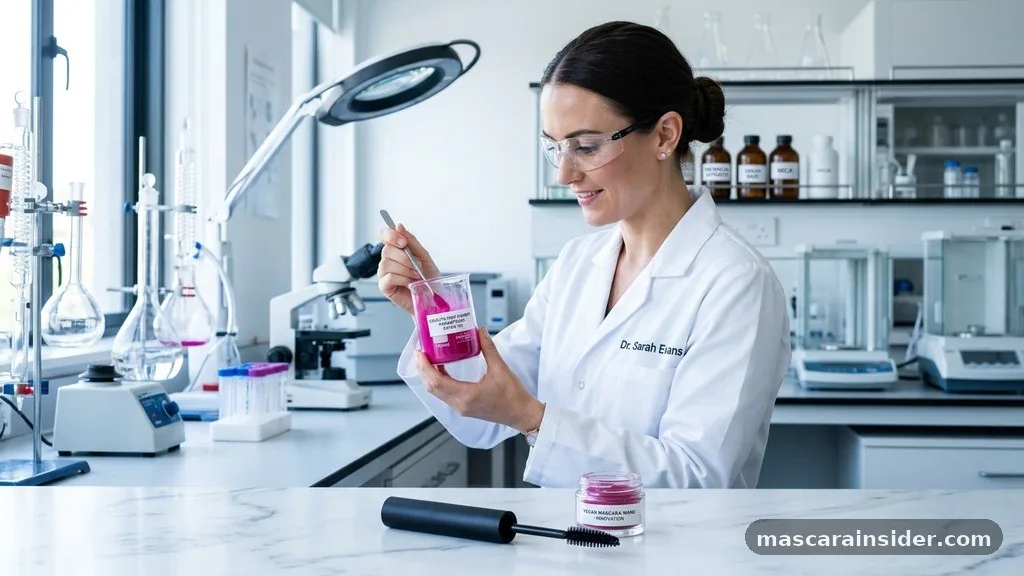
The beauty industry is currently undergoing a massive transformation toward cruelty-free and vegan cosmetics. As consumer demand for ethical products grows, brands are rapidly replacing animal-derived ingredients with synthetic pigments and plant-derived waxes.
Instead of using beeswax, many companies now rely on carnauba wax, candelilla wax, or synthetic alternatives that provide the same structural integrity without involving bees. These plant-based waxes are often more sustainable and can be easier to formulate for long-wear performance.
Iron oxides have become the gold standard for creating the deep, rich black color that defines modern mascara. These are minerals that provide intense pigmentation without the need for animal-based dyes like carmine. Additionally, advanced polymer technology allows formulators to create lengthening and volumizing effects that were once only possible with animal-derived proteins like keratin.
Since keratin is a structural protein found in animal hair and hooves, its synthetic replacement is a major win for those seeking to avoid animal products entirely. The following table highlights the transition from traditional animal ingredients to their modern replacements.
| Traditional Ingredient | Common Source | Modern Vegan Alternative |
|---|---|---|
| Beeswax | Honeybees | Candelilla or Carnauba Wax |
| Carmine | Cochineal Insects | Synthetic Iron Oxides |
| Lanolin | Sheep’s Wool | Plant-based Triglycerides |
| Guanine | Fish Scales | Synthetic Mica |
Addressing Topical Gaps in Ingredient Transparency
There is often confusion regarding whether “natural” always means “animal-free.” Many consumers assume that if a product is labeled as natural, it must be vegan, but this is a significant misconception. Natural ingredients can still be animal-sourced, such as honey, beeswax, or silk proteins.
To ensure you are buying the right products, you should look for specific certifications. A “cruelty-free” label indicates that the product was not tested on animals, but it does not necessarily mean the formula is free from animal-derived ingredients. Only a “vegan” certification guarantees that the product contains no animal byproducts whatsoever.
Another gap in knowledge involves the impact of mascara formulations on those with sensitive eyes. People sometimes worry that animal-derived ingredients are the primary cause of irritation. However, preservatives and fragrances are far more common culprits for allergic reactions than the waxes or pigments themselves.
If you experience stinging or redness, look for “ophthalmologist-tested” and “hypoallergenic” labels rather than just focusing on the animal-origin of the ingredients. Transparency in labeling is improving, but as a consumer, you should always cross-reference the ingredient list with your own ethical requirements or allergy needs to ensure you are getting exactly what you expect.
- Always check the ingredient list for hidden animal derivatives like gelatin or shellac.
- Look for the Leaping Bunny logo to confirm the brand maintains a strict cruelty-free policy.
- Understand that synthetic alternatives are often safer for those with specific animal-based allergies.
- Research the brand’s parent company, as some small brands are vegan while their owners may not be.
- Prioritize products that clearly state “vegan” on the packaging to avoid ambiguity.
Understanding Your Cosmetic Choices
Navigating the world of beauty products often feels like deciphering a secret code, especially when you are curious about what animal is mascara made of. By recognizing that common myths like bat guano are unfounded, you can focus on the real, measurable ingredients that affect your health and your ethical footprint. Whether you choose traditional formulas that utilize beeswax and lanolin or modern vegan options that rely on synthetic polymers and plant waxes, the power is in your hands to select products that resonate with your personal values.
Staying informed about these components ensures that your beauty routine remains both beautiful and responsible. If you have any remaining questions about specific brands or ingredients, don’t hesitate to reach out to manufacturers directly for more information.
Is mascara made out of bat poop?
No, mascara is not made from bat droppings; this is a persistent myth and is completely false.
Are animal products common in mascara?
Yes, ingredients like beeswax, lanolin, and carmine are frequently used in non-vegan, traditional lash cosmetic formulas.
What provides the shimmer in mascara?
Guanine, which is a crystalline material derived from processed fish scales, provides the shimmer in many cosmetics.
Is carmine vegan?
No, carmine is a red pigment extracted from crushed cochineal insects and is not considered a vegan ingredient.
How can I find vegan mascara?
Look for the “vegan” label or certification, and check the ingredient list for plant-based waxes like carnauba.
Does cruelty-free mean vegan?
Not necessarily; cruelty-free means no animal testing, while vegan means no animal-derived ingredients are in the product.
Are iron oxides safe for eyes?
Yes, synthetic iron oxides are widely used, stable, and considered safe for use in eye makeup formulations globally.


