

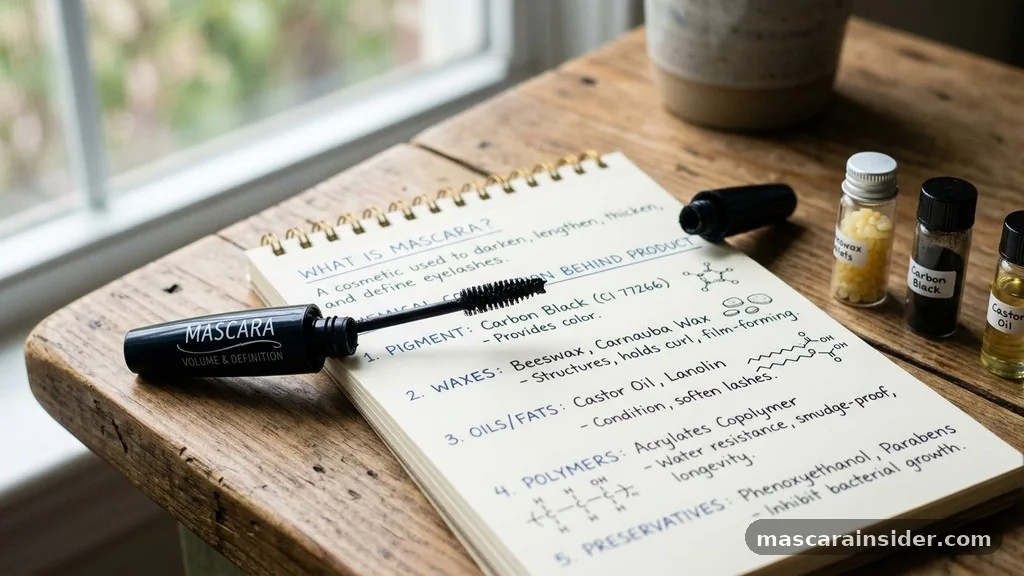
Understanding what is a mascara helps you navigate the beauty aisle with confidence rather than confusion. At its core, this cosmetic staple is designed for eyelash enhancement, serving as a tool to darken, thicken, lengthen, and define the eyelashes. Whether you want to achieve a subtle, natural look or a dramatic, bold appearance, the right product changes your entire facial expression.
It is one of the most frequently purchased makeup items globally, yet many users overlook the intricate science that makes these formulas effective. By exploring the components and application techniques, you can better appreciate why this liquid pigment is a fundamental part of most daily beauty routines.
The Chemical Composition Behind the Product
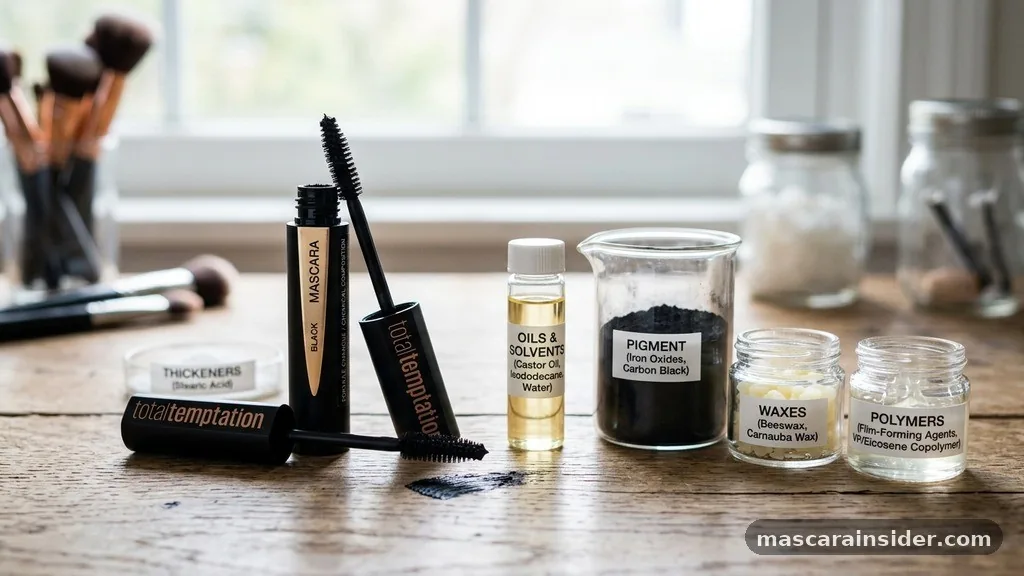
A mascara is essentially a complex emulsion of pigments, waxes, and oils suspended in a liquid base. Manufacturers use specific ingredients to ensure the product stays on your lashes while remaining easy to apply. The primary colorant is usually carbon black or iron oxides, which provide that deep, rich pigment necessary for definition.
These pigments must undergo precise pigment dispersion during manufacturing to ensure the color remains consistent and clump-free throughout the life of the tube. Without proper dispersion, the texture would be gritty and uneven, making smooth application nearly impossible.
Beyond the color, cosmetic polymers play a vital role in the performance of the formula. These film-forming agents allow the product to coat the lash shaft evenly, drying down to a flexible finish that resists flaking. Many modern formulas also incorporate waxes like carnauba or beeswax to build volume and provide structural support to the hair.
The balance of these ingredients dictates whether a product feels heavy or lightweight on the eyes. When you see labels describing a smudge-proof formula, it often indicates that the chemists have selected specific polymers that are resistant to natural skin oils and moisture throughout the day.
Differentiating Between Common Mascara Types
Selecting the right brush and formula depends entirely on your desired outcome and natural lash type. Because not all lashes are the same, brands create distinct categories to address specific needs. If you have short or thin lashes, you might prioritize a lengthening mascara that contains fibers or specialized polymers designed to extend the reach of each individual hair.
Conversely, those with sparse lashes often look for a volumizing mascara to create a fuller, more dense appearance. These volumizing versions usually feature a thicker, creamier consistency that deposits more product on every swipe.
The following table summarizes the most common types of mascara and their primary functions for the average user:
| Mascara Type | Primary Benefit | Best For |
|---|---|---|
| Volumizing | Adds thickness and density | Sparse or thin lashes |
| Lengthening | Extends lash tips | Short lashes |
| Waterproof | Resists moisture and tears | High-humidity environments |
| Curling | Provides structural lift | Straight or downward-pointing lashes |
The Role of the Mascara Wand Applicator
The delivery system is just as critical as the formula itself when defining what is a mascara experience. The mascara wand applicator acts as the primary tool for shaping and depositing the pigment exactly where it needs to go. Brushes come in various shapes, from classic spiral bristles to molded silicone combs, each serving a unique mechanical purpose.
A dense, fluffy brush head typically picks up more product, which is ideal for building volume. In contrast, a thin, tapered silicone wand allows for precise separation and reaching the tiny, hard-to-reach lashes at the inner corners of the eye.
How you manipulate the wand during application significantly alters the final look. Many makeup artists recommend a “wiggle and pull” technique, starting at the very root of the lash and moving toward the tip. This method ensures that the base of the lash receives the most volume, which helps hold the curl effectively.
If you rush the process, you risk clumping or uneven distribution. Taking a few extra seconds to clean excess product off the brush tip before applying can also prevent a messy application that weighs down the lashes and causes premature flaking.
Addressing Common Concerns and Topical Gaps
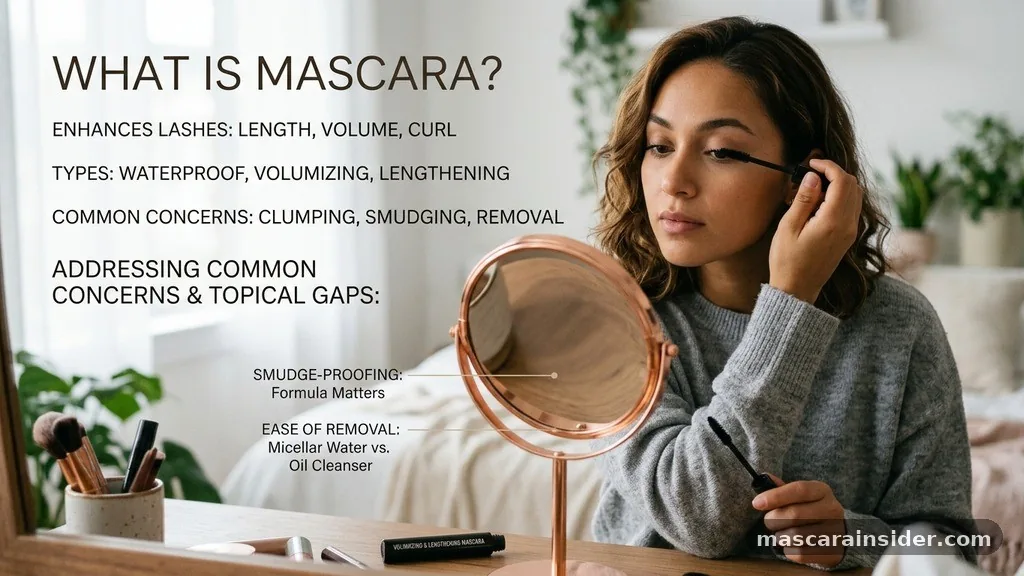
One frequent question involves the necessity of using an eyelash primer before applying color. A primer acts as a base coat, often white or clear, which smooths out the lash cuticle and provides a more uniform surface for the mascara to grip. This can improve the longevity of your look, especially if you have oily eyelids that cause makeup to migrate.
It essentially acts like a foundation for your lashes, filling in gaps and adding extra bulk before the final layer of pigment is applied. For those struggling with lashes that refuse to hold a curl, a primer can be a significant upgrade.
Another important consideration is the safety of the product, particularly for those with sensitive eyes or those who wear contact lenses. You should always look for products that are ophthalmologist-tested, which ensures that the formula has been evaluated for eye safety. For individuals prone to allergic reactions, choosing a product with hypoallergenic ingredients can reduce the risk of irritation or redness.
It is also important to remember that shelf life is limited; most experts suggest replacing your tube every three months to prevent bacterial growth inside the container. Using old product is a leading cause of eye infections and styes.
Finally, the process of makeup removal is often misunderstood. Many people scrub their eyes aggressively, which can lead to lash breakage and irritation of the delicate skin surrounding the eyes. Using an oil-based cleanser or a dedicated bi-phase remover helps break down the waxes and polymers without requiring excessive rubbing.
If you wear a waterproof mascara, this step is even more critical because the formula is specifically designed to resist water-based cleansers. Being gentle during removal preserves the health of your natural lashes, ensuring they remain strong and full over the long term.
Why Trends Shift and Evolving Preferences
Beauty trends constantly fluctuate, influencing how people choose to use mascara. While heavy, dramatic lashes were the standard for many years, recent shifts have moved toward more natural, “clean” beauty aesthetics. This has led to the rise of tubing formulas, which create tiny water-resistant cylinders around each lash rather than painting them with traditional pigment.
These are often easier to remove with just warm water, making them a popular choice for those who want a long-lasting look that doesn’t require harsh rubbing. Some demographics, such as members of Gen Z, have occasionally experimented with “no-mascara” looks, choosing to focus instead on lash health or tinting, yet the category remains a massive part of the global cosmetic market.
The cultural perception of mascara has also widened, becoming more inclusive over time. While traditionally marketed toward women, modern beauty standards are increasingly gender-neutral. It is now common to see individuals of all genders using subtle, dark-pigmented formulas to frame the eyes or enhance their natural features.
This evolution proves that a mascara is not just about glamour; it is a versatile tool for personal expression. Whether you are aiming for a classic professional look or something more avant-garde, understanding the properties of the product allows you to manipulate your appearance with precision and safety.
Frequently Asked Questions
What is a mascara primarily used for in makeup routines?
It is used to darken, lengthen, thicken, and define eyelashes, making the eyes appear more prominent.
Is it necessary to remove mascara every single night?
Yes, failing to remove it can lead to eye irritation, clogged follicles, and brittle, breaking lashes.
What makes a formula waterproof?
Waterproof formulas contain specific polymers and waxes that repel water and prevent the makeup from smudging.
How often should you replace your mascara tube?
You should replace your tube every three months to prevent bacterial accumulation and potential eye infections.
What is a mascara wand made of?
Wands are typically made from molded plastic, silicone, or wire cores with natural or synthetic fiber bristles.
Can wearing mascara damage my natural lashes?
It generally doesn’t, provided you remove it gently and avoid tugging or pulling on your eyelashes daily.
What is the difference between lengthening and volumizing products?
Lengthening formulas focus on extending the tips, while volumizing formulas add density and thickness to lashes.
Refining Your Approach
Mastering the use of this cosmetic requires both the right product choice and the correct technique. By understanding that a mascara is a sophisticated blend of polymers, waxes, and high-quality pigments, you can make better decisions for your specific lash type. Remember that the health of your eyes should always come first, so prioritize ophthalmologist-tested formulas and never share your applicators with others to avoid cross-contamination.
Investing in a quality remover and being gentle during your nightly routine will keep your natural lashes healthy, allowing you to enjoy your favorite makeup look without consequence. If you have questions about specific ingredients or application methods, keep experimenting until you find the perfect match for your needs and personal style.


