

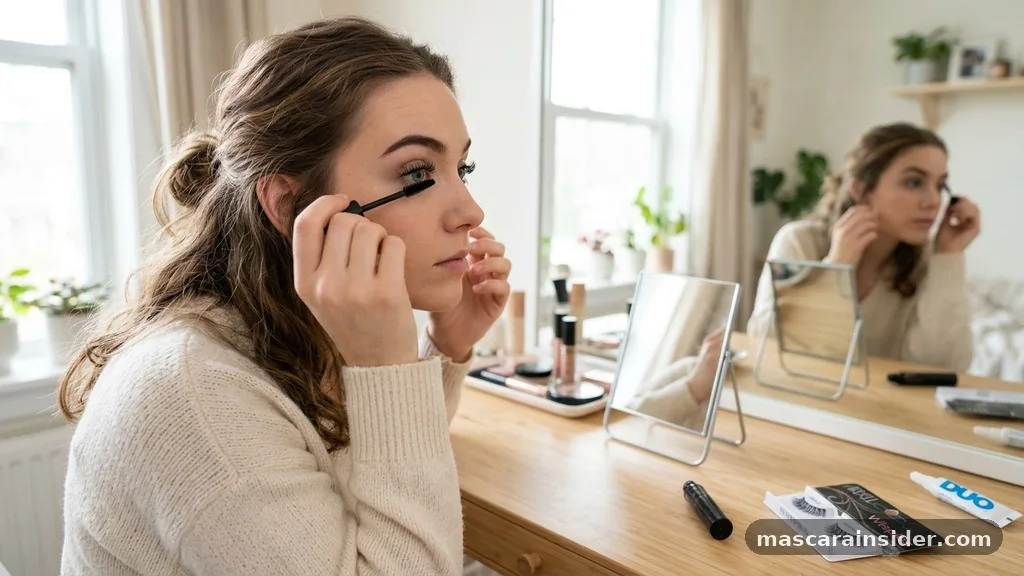
Deciding whether you need mascara with false eyelashes often comes down to the specific look you are trying to achieve and the type of product you have selected. Many makeup enthusiasts find themselves debating this step because applying too much product can sometimes compromise the integrity of the lash band or lead to an unnatural appearance.
However, integrating a bit of pigment can be the secret to a seamless transition between your natural hairs and the synthetic fibers. Understanding how to balance these elements will help you maintain a polished aesthetic without damaging your falsies or causing unnecessary buildup.
Understanding the Role of Mascara in Your Lash Routine
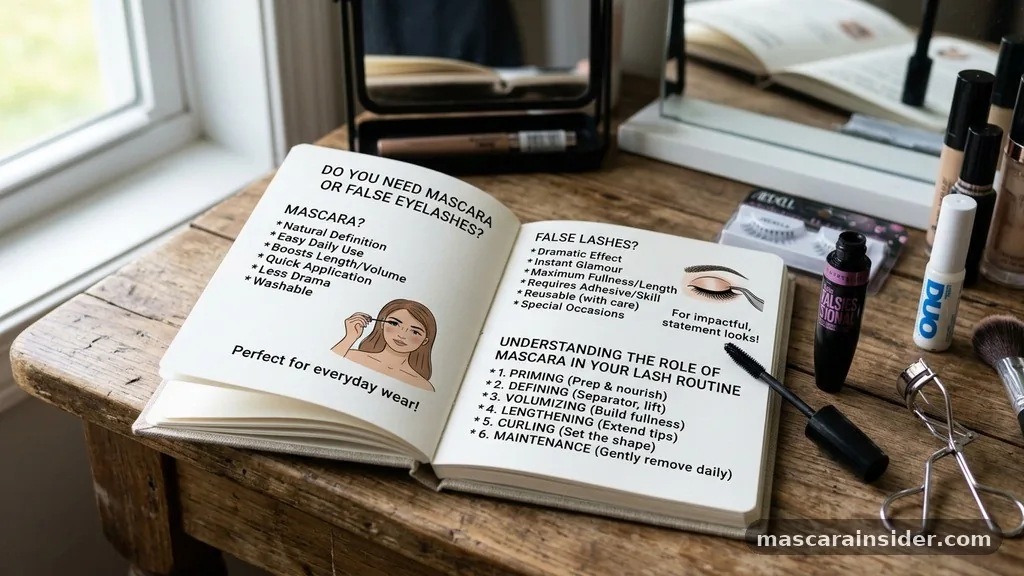
You technically do not need mascara to wear false eyelashes, but it often serves as the bridge that makes the final result look cohesive. When you place a set of strip lashes or lash clusters onto your lash line, there is frequently a visible gap or a slight color discrepancy between your own dark roots and the faux additions.
A light coat of product helps to tint your real hair so it matches the intensity of the false set. This is particularly important if you have blonde or light brown hair, as those lighter tones can stand out against a dark lash band.
Beyond blending, the product adds grip. When your natural hair is freshly curled and lightly coated with a volume mascara, it provides a sturdy shelf for the false lashes to sit upon. This structural support is especially helpful for beginners who struggle with the weight of heavier, more dramatic styles.
By creating a physical connection between your own hair and the strip, you reduce the risk of the falsies drooping or lifting as the day progresses. It effectively “sandwiches” the natural hair, locking the look in place.
Timing Your Application for the Best Results
The debate over whether to apply product before or after the application of falsies is common. Most professionals recommend applying a thin layer of mascara to your natural lashes before you secure the strip.
This ensures that your own lashes are prepped, curled, and ready to blend with the synthetic fibers. If you wait until after the strips are applied, you risk getting adhesive residue on the brush, which can ruin your mascara wand and make the falsies look clumpy or stiff.
If you feel you must add more definition after the application, keep it to the very roots. Use a clean, disposable spoolie to gently sweep a tiny amount of product onto the base where the lash bands meet your skin. This acts as a final touch to camouflage any lingering glue or gaps.
Never apply a thick, wet layer to the tips of the synthetic lashes themselves, as this will weigh them down and shorten their lifespan significantly. Maintaining the integrity of the curls and fibers is essential if you want to reuse your favorite pairs.
When Mascara Can Actually Hurt Your Lash Longevity
It is vital to acknowledge that adding too much product can negatively impact lash longevity. Faux mink lashes and other delicate synthetic styles are designed to hold a specific shape and texture.
When you coat them in heavy formulas, you break down the fibers and lose that airy, fluttery quality that makes them attractive. Once you have applied a thick layer of liquid to a pair of expensive lashes, they are often difficult to clean, leading to a permanent loss of their original form.
Furthermore, excessive application can lead to a heavy, drooping sensation on the eyelids. If you find your eyes feeling tired or strained by the end of the day, check the amount of product you are using.
The weight of the formula, combined with the weight of the lashes, can be too much for your natural lash line to support comfortably. If you want a more dramatic effect, it is far better to invest in a higher-quality, fuller set of lashes rather than trying to build volume with layers of cosmetic products that were never meant to be used on synthetic material.
Techniques for Blending Strips and Clusters
Achieving a natural-looking finish requires more than just picking the right pair of lashes. Blending is an art form that relies on precise movement and the right tools. When you are working with lash clusters, for instance, they tend to sit individually, meaning you have to work harder to make them look like a single unit.
Use an eyelash curler gently after your natural hair is dry, then apply the clusters underneath your lash line. A very light touch of product at the very base can help marry the two layers without creating a heavy, unnatural look.
For strip lashes, the goal is to hide the band completely. Once the glue has become tacky and the strip is secured, wait at least three minutes before doing anything else. If you decide you need a touch of pigment to blend the colors, focus exclusively on the inner and outer corners where the strip might lift slightly.
Using a fine-tipped mascara wand or an angled liner brush allows you to deposit color exactly where you need it without making a mess. Avoid the temptation to pull the wand through the entire length of the lash, as this is unnecessary and counterproductive.
Comparing Application Methods
Choosing the right approach depends on your specific goals for your makeup routine. The following table outlines how different methods affect your final look and the long-term health of your lashes.
| Method | Best For | Pros | Cons |
|---|---|---|---|
| Mascara Before Application | Beginners | Provides a stable base; improves blending. | Risk of clumping if formula is too wet. |
| Mascara After Application | Pro Makeup Artists | Refines the final look; fills gaps. | Risk of damaging lash fibers/longevity. |
| No Mascara | Daily/Natural Looks | Maximum lash longevity; feels lightweight. | Potential for visible band or color mismatch. |
Addressing Common Concerns About False Eyelash Care
Many users worry that using products near the eye will cause premature decay of their synthetic fibers. This is a valid concern, particularly with high-end faux mink products. The ingredients in many volumizing formulas contain oils and waxes that break down the adhesive bond.
If you frequently use heavy, oil-based formulas, you will find that your lashes start to lift at the corners much sooner than they would otherwise. This is why many people choose to avoid applying anything to the lashes themselves, opting instead to focus only on the natural hair at the base.
Cleaning your lashes after each use is the only way to counteract the build-up of oils and pigments. If you have used any product, you must use an oil-free makeup remover and a cotton swab to gently wipe away the residue from the band.
Never soak your lashes in water, as this can destroy the band’s shape and make them impossible to reapply comfortably. Treating your lashes with care is a significant part of the cost-benefit analysis—the more you maintain them, the more uses you get out of a single pair.
The Impact of Lash Glue Selection
The type of lash glue you choose is just as important as the mascara debate. If you use a high-quality, long-wear adhesive, you often won’t need the extra structural support that mascara provides.
A strong, clear-drying adhesive keeps the strip flush against your skin, which naturally hides the transition between your real hair and the falsies. If you are struggling with your lashes lifting, consider switching your glue before you try to “fix” the issue by adding more product.
Some glues are specifically formulated to be water-resistant, which is helpful if you live in a humid climate. However, these glues can be tougher to remove. Using an oil-based cleanser is usually necessary to break them down, which reinforces the need to keep the mascara away from the synthetic fibers.
If you accidentally get oil-based mascara on your glue-heavy application, the entire bond may weaken prematurely. Stick to a simple, effective routine: clear glue, precise placement, and minimal product intervention.
Adapting Your Routine for Different Lash Styles
Not all lashes are created equal, and your approach should vary based on what you are wearing. For example, dramatic, full-volume lashes often look best without any added product, as they are already thick enough to mask your natural hair.
Adding more volume to these styles can make them look “spidery” or messy, which detracts from the glamour of the look. Conversely, wispy or natural-style lashes often benefit from a tiny bit of help to ensure the color matches your own hair perfectly.
If you are using lash clusters, you have a bit more freedom. Because these are applied in sections, you can carefully coat your natural hair in the gaps between the clusters to create a uniform, dense lash line. This is a common technique for a “lash extension” look.
In this specific scenario, applying the product after the clusters are in place is actually a key step to making them look like a professional set. Always ensure your natural hair is dry before you start, as wet, heavy lashes are prone to tangling with the clusters.
Topical Gaps: Addressing Specific User Needs
A recurring question for many people is whether specific age groups or eye shapes should change their approach to lash application. There is a misconception that older women should avoid falsies, but the truth is that they can provide a beautiful, lifting effect for the eyes. When working with more mature eyelids, the key is to avoid heavy, clumpy application.
A light, wispy set of lashes often looks more youthful than a heavy, overly thick pair. In these cases, skipping the mascara entirely is often the best choice to keep the eyes looking open and clear.
Another gap in common advice is how to handle sensitive eyes. If you are prone to irritation, adding extra layers of cosmetic products is a recipe for disaster. The more product you have near your lash line, the higher the likelihood of it flaking into your eyes.
If you have sensitive skin, focus on finding a pair of high-quality, lightweight lashes that don’t require any extra blending. By choosing a style that matches your natural hair density, you can bypass the need for additional makeup entirely, keeping your eyes comfortable and healthy throughout the day.
- Always curl your natural hair before placing the strip to create a foundation.
- Use tweezers for precise placement to avoid getting glue on your fingers or surrounding skin.
- Wait for the adhesive to become tacky for at least 30 seconds before applying.
- Opt for clear-drying adhesive if you are a beginner to hide any application errors.
- Store your lashes in their original tray to maintain their curve and shape.
- Avoid pulling on your natural hair when removing the lashes to prevent damage.
Ensuring a Flawless Finish Every Time
Ultimately, deciding if you need mascara with false eyelashes is a matter of personal preference and the specific look you are cultivating. While it is not a strictly necessary step, it can be a powerful tool for blending, adding intensity, and creating a seamless transition from your natural hair to the synthetic fibers. The most important takeaway is to prioritize the health and longevity of your lashes by using minimal product and cleaning them thoroughly after every use.
When you learn to work with your natural features rather than fighting them with excess product, you will find that your lash application becomes much faster and more reliable. Whether you choose to skip the product or use a light touch at the base, the goal remains the same: a comfortable, beautiful look that enhances your features.
Experiment with different techniques, keep your tools clean, and you will soon find the perfect balance that works for your unique style. If you have questions about specific types of adhesive or lash maintenance, feel free to reach out and explore more tips on perfecting your eye makeup routine.


