

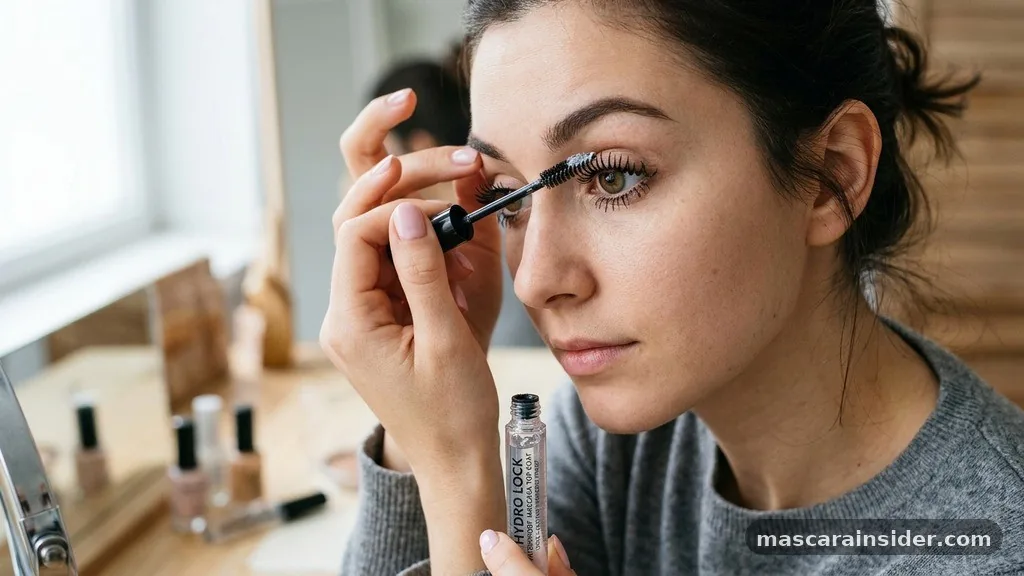
Finding the perfect formula that stays put through sweat, tears, or a sudden downpour is a common beauty challenge. If you have a favorite tube that isn’t inherently weather-resistant, you might be curious about how to make mascara waterproof without sacrificing the length or volume you love. Achieving a smudge-proof finish doesn’t always require buying a brand-new product.
By utilizing specific layering techniques and specialized sealing products, you can transform your regular makeup routine into a durable, long-lasting look that holds up under pressure. Understanding the chemistry behind these products helps you lock in your lash look effectively while protecting your eyes from irritation.
Using a Dedicated Mascara Top Coat
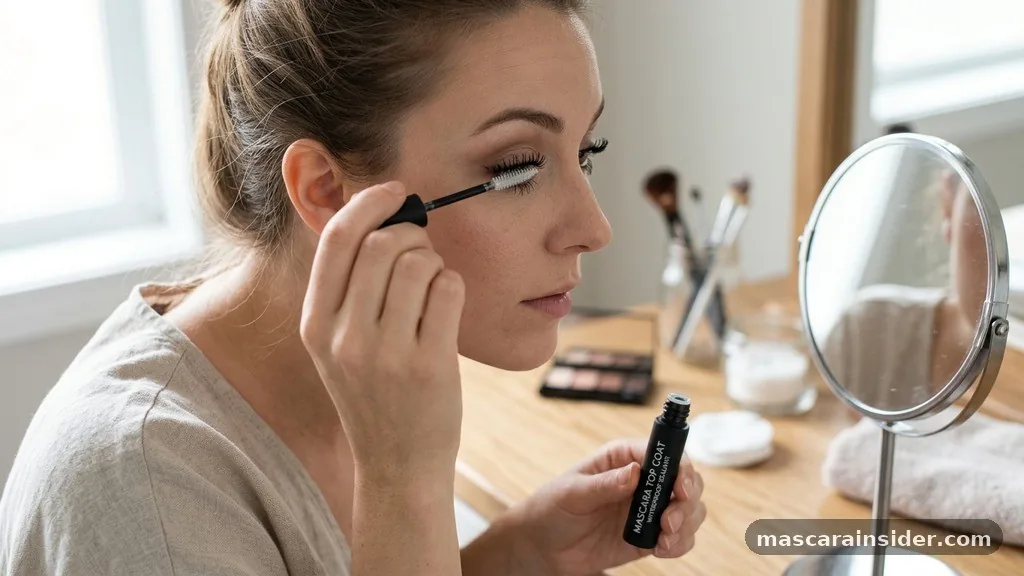
The most effective way to modify your existing routine is by using a mascara top coat. This is a clear, liquid formula designed to be applied over your regular pigmented product to create a protective barrier. When you apply this waterproof sealant, it forms a barrier that prevents the underlying formula from breaking down when exposed to moisture.
Unlike traditional waterproof formulas that can be difficult to remove, a top coat allows you to use your favorite lengthening or volumizing mascara as the base. You simply apply your desired number of coats, wait for them to dry completely, and then swipe the sealing gel over the top. This technique effectively traps the pigment, ensuring that your long-wear cosmetic formulas stay exactly where you applied them.
The Science of Polymer Film Formers
Most effective water-resistant products rely on polymer film formers to create a shield against external elements. These polymers are microscopic chains that link together once the liquid solvent evaporates, creating a flexible, water-resistant mesh around each lash. When you look at how to make mascara waterproof effectively, you are essentially trying to replicate this chemical structure.
Some DIY methods, such as applying clear mascara, offer a mild barrier, but they lack the heavy-duty polymers found in professional-grade sealants. Because these polymers are designed to adhere tightly to the lash shaft, they require careful attention during the eye makeup removal process. If you don’t use the right solvent, you risk tugging on your lashes and causing breakage, which compromises your overall lash health.
Common Myths About Waterproofing
There is a significant amount of misinformation circulating on social media regarding household items. Many people wonder if they can use hairspray or petroleum jelly to seal their lashes.
You should avoid these hacks at all costs. Hairspray contains alcohol, which causes severe eye irritation and can dry out your lashes, leading to brittleness over time.
Similarly, applying heavy oils or balms can cause the mascara to slide off rather than stay on. These substances act as solvents, effectively dissolving the waxes used in most standard mascaras.
Relying on products not formulated for the delicate eye area is a recipe for blurred vision, stinging, and potential infection. Always stick to products specifically designed for use near the eyes to keep your vision clear and your lashes healthy.
Optimizing Your Application Technique
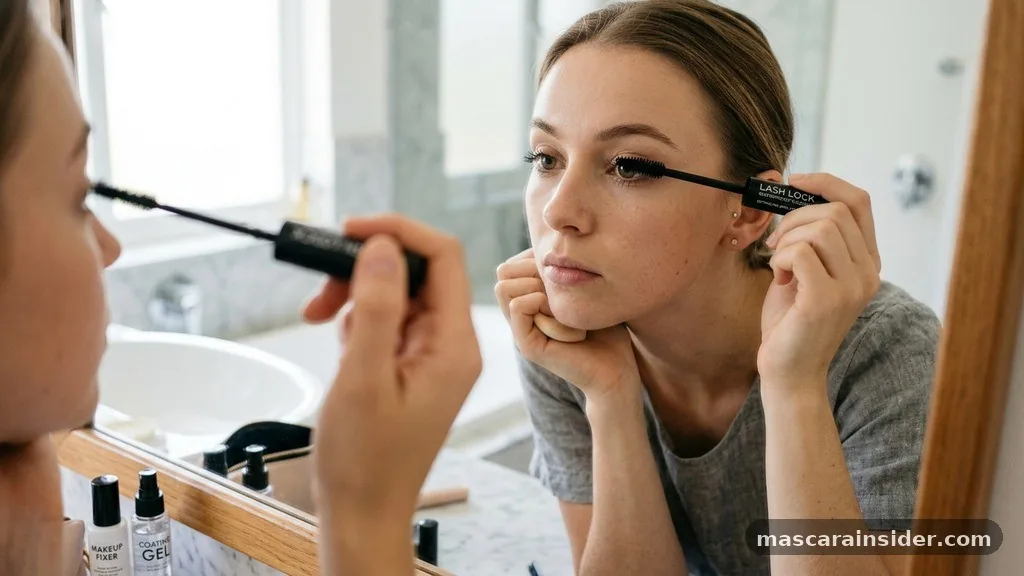
Your makeup setting technique plays a massive role in how well your lashes hold up. Even the best waterproof sealant won’t work if the base layer is applied incorrectly or if your eyelids are naturally oily. To ensure the best results, start with a clean, dry canvas.
| Method | Effectiveness | Ease of Removal |
|---|---|---|
| Clear Waterproof Top Coat | High | Moderate |
| Waterproof Lash Primer | Medium | Easy |
| Setting Spray (Mist) | Low | Very Easy |
You can improve your results by following these preparation steps:
- Use an oil-free cleanser to remove all traces of sebum from your eyelids before applying makeup.
- Apply a dedicated lash primer to create an even, adhesive surface for your mascara to grip.
- Avoid applying heavy eye creams right up to the lash line, as the oils will migrate and break down your mascara.
- Ensure your mascara is completely dry before applying any top-coat or sealant, or you may end up with a clumpy mess.
Addressing Topical Gaps in Lash Waterproofing
Many users struggle with “raccoon eyes” even when they try to seal their lashes. This usually happens because the mascara is breaking down from the bottom up due to oil production on the skin. While learning how to make mascara waterproof, you must address the surrounding skin.
Applying a light dusting of translucent setting powder under the eyes can absorb excess oils that would otherwise dissolve your mascara. Additionally, ensuring your cosmetic shelf life is respected is vital.
Old mascara becomes flaky and loses its structural integrity, making it much more likely to smudge regardless of how much sealant you apply. If your mascara is more than three months old, it is time to replace it to prevent bacterial growth and ensure consistent performance.
Removing Waterproof Formulas Safely
Once you have successfully sealed your lashes, the removal process becomes the most critical step for maintaining your long-term eye health. Because these sealants are designed to resist water, splashing your face with a standard cleanser will not be enough. You must use an oil-based cleanser or a dual-phase makeup remover specifically formulated for long-wear products.
The oil in the cleanser breaks down the polymers that keep your mascara waterproof. Soak a cotton pad in your remover and hold it against your closed eyelid for thirty seconds.
This allows the oil to soften the product before you gently wipe it away. Never scrub your eyes, as this is the fastest way to lose lashes and cause damage to the sensitive skin around the eyes.
Conclusion
Transforming your daily mascara into a durable, water-resistant version is entirely possible with the right approach. By focusing on using a dedicated top coat and preparing your skin to minimize oil production, you can enjoy a smudge-proof look that lasts throughout the day. Remember that the chemistry of these products is designed to be tough, so your removal routine must be equally effective and gentle to protect your natural lashes.
Experimenting with different sealants and refining your application technique will help you find the perfect balance between longevity and comfort. If you have any favorite brands or techniques that have helped you master the art of making mascara waterproof, feel free to share your experiences with others.
FAQ
Can I use setting spray to make my mascara waterproof?
No, setting spray is designed for skin and may cause eye irritation or ruin your mascara’s texture.
Does clear mascara make regular mascara waterproof?
It provides a light barrier but lacks the polymers needed for true water resistance in heavy conditions.
Is it safe to use hairspray on lashes?
Never use hairspray near your eyes; it contains alcohol that causes stinging, redness, and long-term lash damage.
What is the best way to remove waterproof mascara?
Use an oil-based cleanser or a dual-phase makeup remover to dissolve the polymers without pulling your lashes.
Can I apply a top coat over any mascara?
Yes, most clear top coats are compatible with standard formulas, but ensure the base layer is completely dry.
How often should I replace my mascara?
You should replace your mascara every three months to prevent bacterial growth and ensure the formula performs correctly.
Does waterproof mascara cause more lash breakage?
It can if you use harsh removal techniques; always soak the lashes to break the seal before wiping.


