

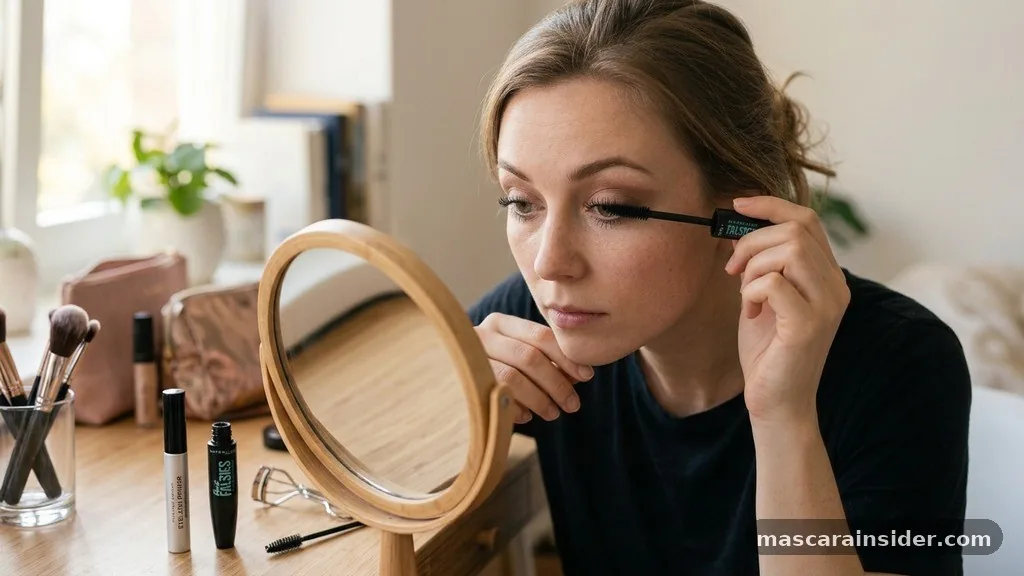
Achieving a professional-looking gaze starts with understanding how to properly apply mascara to enhance your natural eye shape. Many people struggle with smudges, clumping, or uneven coverage, but these common frustrations usually stem from technique rather than the product itself. By mastering the right movements and selecting tools that suit your specific lash type, you can create a wide-awake, defined look that lasts all day.
This process involves more than just a quick swipe; it requires attention to detail, from the base of your lashes to the very tips. Learning these nuances ensures your eyes appear vibrant and your makeup routine remains efficient and stress-free.
Preparing Your Lashes for Maximum Impact

To achieve the best results, start with a clean canvas. Any residual oils or leftover makeup can prevent the formula from adhering correctly, leading to premature flaking. If you want to take your look a step further, using an eyelash primer can provide a smoother base, helping to separate lashes and add volume before the pigment even touches them.
Using an eyelash curler is the most effective way to open up your eyes. Position the curler at the very base of your upper lashes, gently squeeze, and hold for about ten seconds.
This simple act creates a dramatic lift that makes the entire application process much more effective. Without this lift, even the best products might weigh your lashes down, causing them to point straight out rather than upward.
Mastering the Application Technique
The secret to a clump-free finish lies in how you handle the mascara wand. When you pull the wand out of the tube, avoid pumping it in and out, as this pushes air into the container and dries out the formula. Instead, gently swirl the wand inside to coat the bristles evenly.
Apply the product using a zig-zag motion starting at the lash root. This technique deposits the majority of the pigment at the base, creating a subtle eyeliner effect while ensuring the tips remain lighter and more natural. As you move the wand toward the ends, pull it through slowly to ensure full lash definition.
Refining Your Technique for Different Lash Types
Not all lashes require the same approach. Those with shorter or straighter lashes might benefit from extra time spent wiggling the brush at the roots. If you are prone to transfer, consider using a waterproof formula or a tubing mascara, which forms small polymers around each hair to prevent smudging.
| Lash Goal | Recommended Tool/Method |
|---|---|
| Maximum Volume | Use a thicker, voluminizing brush |
| Precise Definition | Use a spoolie brush to separate |
| Long-Lasting Wear | Opt for a smudge-proof or tubing formula |
| Dramatic Length | Apply a fiber mascara with lash-extending particles |
Addressing Common Application Challenges
Even experienced makeup lovers face occasional mishaps, such as smudges on the eyelid or clumps on the lashes. If you accidentally get formula on your skin, do not rush to wipe it away immediately. Wait for the product to dry completely; once it is set, you can gently flick it off with a dry spoolie brush or a clean cotton swab without ruining your eyeshadow.
For those who want to avoid the “spider lash” look, use a clean metal lash comb or a dry spoolie between coats. Working while the product is still wet is generally best, but if you notice clumps forming, combing through them immediately can save the look. Remember that applying too many layers can become heavy, so stick to two thin coats rather than one thick, clumpy one.
Handling the Lower Lash Line
Applying product to your bottom lashes requires a steady hand and a lighter touch. Because this area is prone to smudging throughout the day, keep the application minimal.
You can hold the wand vertically and use just the very tip to lightly tint the hairs. This prevents the lashes from looking too heavy, which can inadvertently draw attention to dark circles or shadows under the eyes.
If you find that your lower lashes always smudge, try applying a light dusting of translucent powder under your eyes before you start your makeup. This creates a barrier that helps keep the area dry. Alternatively, you can use a waterproof formula specifically for the lower lashes to ensure they stay put regardless of humidity or natural oils.
Cleaning and Maintenance
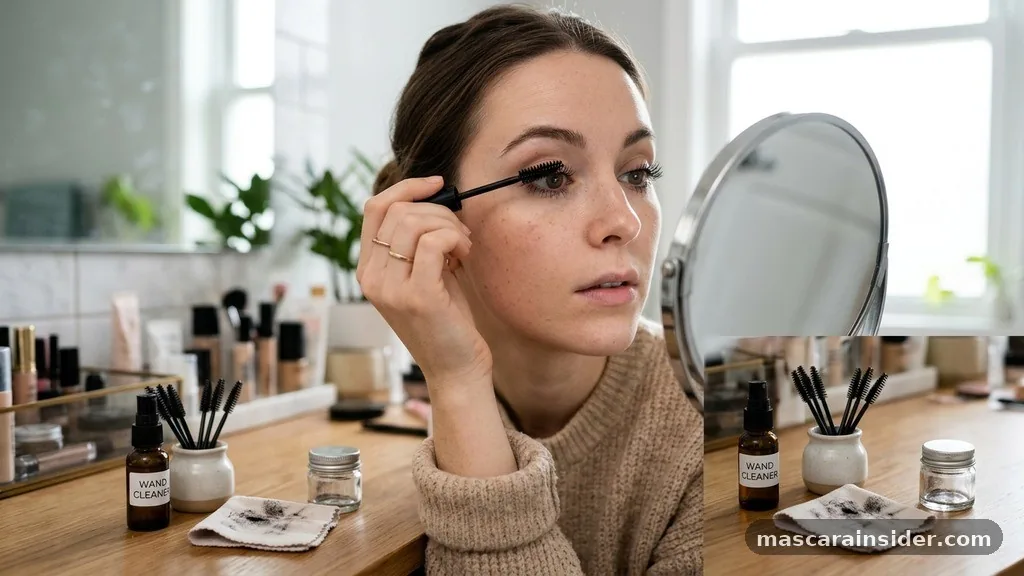
Properly caring for your lashes is just as important as the application itself. Because the eye area is delicate, you must remove all product at the end of the day. Using an oil-based cleanser is the most effective way to break down stubborn, long-wear formulas without tugging or pulling on the sensitive skin around your eyes.
Regularly cleaning your applicator tools is also vital for hygiene. If you use a separate spoolie or lash comb, wash it with gentle soap and warm water once a week to prevent the buildup of bacteria. Keeping your tools clean ensures that every time you sit down to apply your makeup, you are working with optimal equipment that won’t compromise your eye health.
Essential Makeup Artist Techniques
Professional makeup artist techniques often involve layering different types of products to achieve a custom look. For example, you might use a volumizing formula on the roots for density and a lengthening formula on the tips for height. This multi-layered approach provides the benefits of both types of products without the bulk.
Another pro tip is to look downward into a mirror while applying. This stretches the eyelid slightly, giving you easier access to the roots of your lashes and reducing the chance of hitting your eyelid with the wand. If you struggle with shaky hands, resting your elbow on a stable surface—like a vanity or a countertop—can provide the necessary support to keep your movements controlled and precise.
Solving Topical Gaps
A common concern involves how to handle lashes that refuse to hold a curl. Many people find that their lashes fall flat within minutes of application.
This often happens because the formula itself is too heavy or contains too much moisture. If this happens to you, look for a “dryer” formula, which tends to be lighter and holds a curl more effectively.
Another gap in knowledge is how to revive a nearly empty tube. While you should never add water, as it introduces bacteria, you can place the closed tube in a cup of warm water for a few minutes.
This softens the formula, making it easier to pick up on the bristles for a few extra days of use. Never use this trick indefinitely, as mascara should typically be replaced every three months to ensure safety.
FAQ: Common Questions on Mascara Application
How can I stop my mascara from clumping?
Use a clean spoolie brush to comb through your lashes immediately after applying each coat of mascara.
Should I apply mascara to my bottom lashes?
Yes, but use a light hand or a waterproof formula to prevent smudging throughout the day.
Is it better to use an eyelash curler before or after mascara?
Always curl your lashes before applying mascara to prevent breakage and avoid getting product on the curler.
How often should I replace my mascara tube?
You should replace your tube every three months to prevent bacterial growth and ensure the formula performs well.
Can I use an oil-based cleanser on waterproof mascara?
Yes, oil-based cleansers are the most effective way to dissolve waterproof formulas without damaging your natural lashes.
What is the best way to remove smudges on the eyelid?
Wait for the mascara to dry completely, then gently flick the smudge off with a clean spoolie brush.
Does using an eyelash primer really make a difference?
Yes, primer provides a smooth base that separates lashes and helps the mascara adhere for longer wear.
Closing Thoughts
Taking the time to learn how to properly apply mascara changes the way your entire makeup look comes together. By focusing on root application, using the right tools, and maintaining a consistent cleaning routine, you can achieve professional results every morning. Remember that practice is key; don’t be discouraged if your technique needs a little refinement at first.
Once you identify the tools and formulas that work best for your unique lash structure, the process will become second nature. Experiment with these methods, observe how your lashes react, and enjoy the confidence that comes with a perfectly defined, wide-awake gaze. We would love to hear which of these tips worked best for your routine, so feel free to share your experiences in the comments below.


