

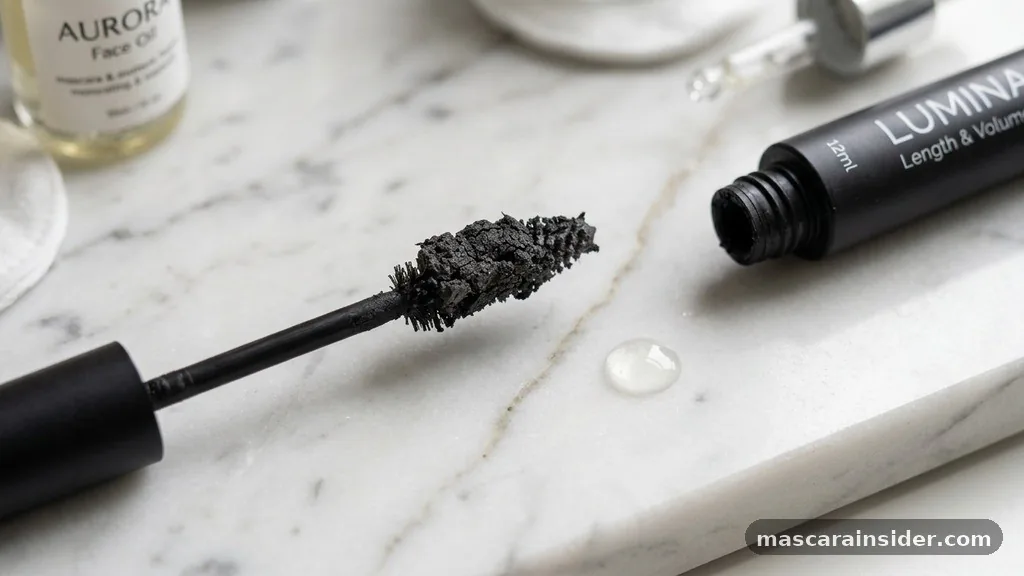
Finding that your favorite tube of mascara has turned into a thick, gloopy mess is a universal frustration for anyone who wears eye makeup. When your lashes start looking clumpy instead of defined, the natural instinct is to toss the product, but you can often save it with a few simple techniques.
Learning how to thin mascara effectively can save you money and keep your beauty routine running smoothly. Whether you are dealing with a formula that dried out prematurely or just need to extend the life of a nearly empty tube, these methods restore the smooth, fluid consistency you expect from your cosmetics.
Understanding Why Mascara Dries Out
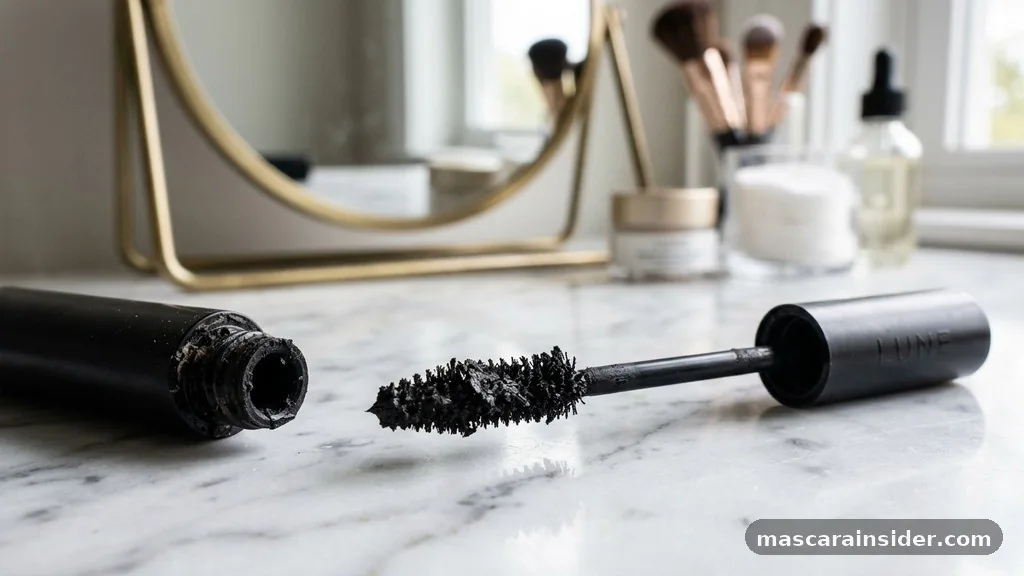
Mascara formulas are carefully balanced mixtures of waxes, pigments, and water or oil. Over time, air exposure causes the volatile components to evaporate, leaving behind a thick, tacky residue that is difficult to apply evenly. Every time you pull the mascara wand out of the tube, you introduce a small amount of air, which slowly degrades the product quality.
Most products have a limited cosmetic shelf life, typically ranging from three to six months after opening. If your mascara is older than this, thinning it might not be the safest choice.
Bacteria can accumulate inside the tube, and using expired products near your eyes increases the risk of infections. Always check the period-after-opening symbol on the packaging to ensure you are still within a safe usage window.
Safe Methods for Thinning Mascara
When you decide to revive your makeup, you should prioritize ingredients that won’t compromise the formula or irritate your eyes. Adding the wrong substances can break down the stability of the product, leading to smudging or flaking throughout the day.
Using Saline Solution or Contact Lens Solution
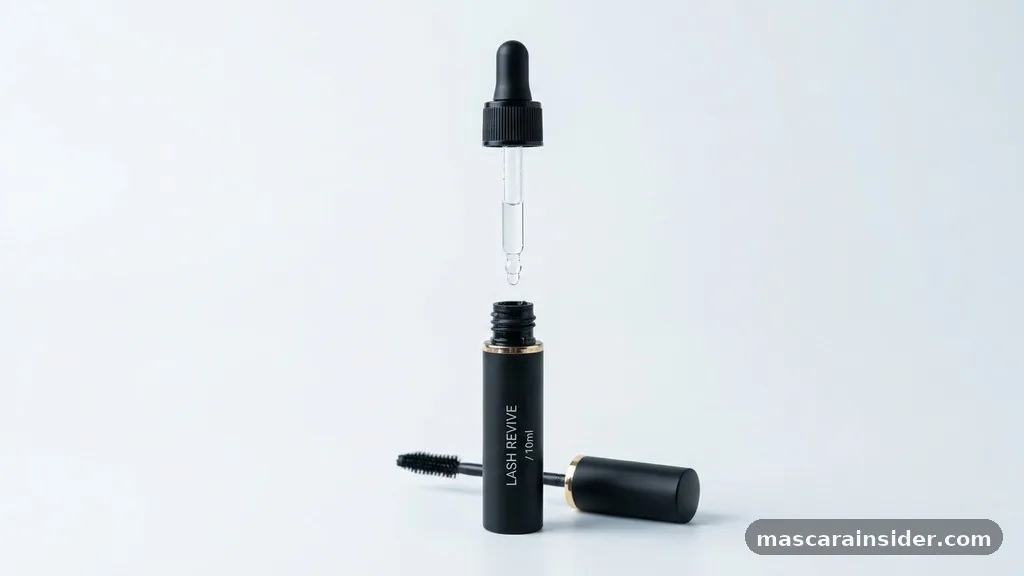
One of the most popular ways to restore consistency is using saline solution or contact lens solution. These liquids are sterile and designed for use near the eyes, making them a relatively safe choice for refreshing a dry formula.
* Add two to three drops of sterile saline into the mascara tube.
* Insert the wand and swirl it around, being careful not to pump the wand up and down.
* Pumping air into the tube will only accelerate the drying process.
* Once the solution is incorporated, test the texture on your hand before applying it to your lashes.
The Role of Duraline and Professional Diluents
If you want a more professional result, consider using a specialized product like duraline. This is a mixing medium designed specifically for cosmetics, and it works exceptionally well to restore the original texture of clumpy mascara.
Because it is highly concentrated, you only need one single drop to see a significant difference in the fluidity of the product. It is particularly effective because it doesn’t dilute the pigment intensity as much as water-based solutions might.
Comparing Common Thinning Agents
Not all liquids are created equal when it comes to reviving dried makeup. While some household items seem like quick fixes, they can actually cause more harm than good by disrupting the chemical balance of the formula.
| Method | Effectiveness | Safety Level |
|---|---|---|
| Saline Solution | High for water-based | High |
| Duraline | Excellent | High |
| Hot Water Bath | Moderate | High |
| Tap Water | Low | Low (Bacterial Risk) |
Avoid using tap water, as it is not sterile and can introduce unwanted bacteria into your product. If you must use a liquid, ensure it is purified or specifically formulated for contact with the ocular area to maintain strict hygiene standards.
Addressing Topical Gaps: Waterproof and Oil-Based Formulas
A common point of confusion involves the difference between water-based mascara and oil-based mascara or waterproof varieties. Most people assume that adding any liquid will work, but the chemical composition of your product dictates what you can use to thin it.
Waterproof formulas rely on waxes and volatile solvents that are resistant to moisture. If you add saline to a waterproof formula, it will likely separate and become a clumpy, unusable mess.
If your waterproof mascara is dried out, it is often better to use a tiny drop of baby oil or a dedicated oil-based makeup thinner. However, keep in mind that adding oil will change the wear time and may increase the likelihood of smudging on your eyelids.
The Hot Water Trick
If you are hesitant to add any foreign substances into your tube, the hot water method is your safest bet. This technique relies on heat to soften the waxes inside the formula, temporarily restoring a more liquid state without altering the chemical composition.
1. Fill a mug with hot, but not boiling, water.
2. Place the sealed mascara tube into the water for three to five minutes.
3.
The heat helps melt the dried-out waxes clinging to the sides of the container.
4. Remove the tube, wipe it dry, and roll it between your palms to distribute the warmth evenly.
This method is perfect for when you are in a rush and need a quick fix before heading out the door. It doesn’t require opening the seal, which helps preserve the integrity of the product and reduces the risk of introducing contaminants.
Maintaining Hygiene Standards
Even when you successfully master the art of how to thin mascara, you must remain vigilant about the health of your eyes. Dried out makeup often acts as a breeding ground for bacteria if it has been sitting in the tube for a long time.
If you notice a strange odor, a change in color, or if the product causes any irritation, stop using it immediately. No amount of money saved is worth a potential eye infection.
Always replace your mascara every three months, regardless of whether you have used these thinning techniques to keep it usable. Clean your mascara wand periodically with a gentle makeup brush cleanser to prevent the buildup of old, crusty formula that can harbor microbes.
Troubleshooting Clumpy Application
Sometimes, the issue isn’t that the mascara is dry, but that the brush has become coated in old, hardened residue. If your lashes look spidery or clumpy, try cleaning the wand itself. You can soak the brush in warm water or a gentle makeup remover to strip away the buildup.
You should also check how you store your makeup. Keeping your cosmetics in a cool, dry place away from direct sunlight will slow down the evaporation process.
Avoid keeping your makeup in the bathroom, where humidity and temperature fluctuations can degrade the formula faster than in a bedroom drawer. Taking care of your products from the start is the best way to avoid having to fix them later.
Frequently Asked Questions
Is it safe to add water to my mascara?
It is generally unsafe because tap water introduces bacteria, which can lead to serious eye infections.
Can I use eye drops to thin my mascara?
Yes, lubricating eye drops or saline solution are safe options that effectively restore a smooth, fluid texture.
How often should I replace my mascara?
You should replace your mascara every three months to maintain hygiene and prevent the growth of bacteria.
Does thinning mascara make it prone to smudging?
Adding too much liquid can weaken the formula’s hold, potentially leading to increased smudging or flaking throughout.
What is the best way to fix waterproof mascara?
Waterproof formulas are difficult to thin; using a tiny amount of oil-based thinner is usually the best approach.
Should I pump the wand to pick up more product?
No, pumping the wand pushes air into the tube, which accelerates the drying process and ruins the formula.
Can a hot water bath really fix dried mascara?
It softens the waxes temporarily, making the product easier to apply without needing to add any extra liquids.
Final Thoughts on Reviving Your Makeup
Successfully managing your beauty products means knowing when to restore them and when to let them go. While learning how to thin mascara provides a helpful solution for those days when your product feels a bit too thick, it is not a permanent fix. Use these methods to get the most out of your purchase, but always prioritize the health of your eyes.
By keeping your tubes tightly sealed, storing them correctly, and replacing them regularly, you can maintain a flawless lash look without unnecessary waste. If you found these tips helpful, try them out next time your makeup starts to feel a little stubborn—your lashes will definitely thank you.


