

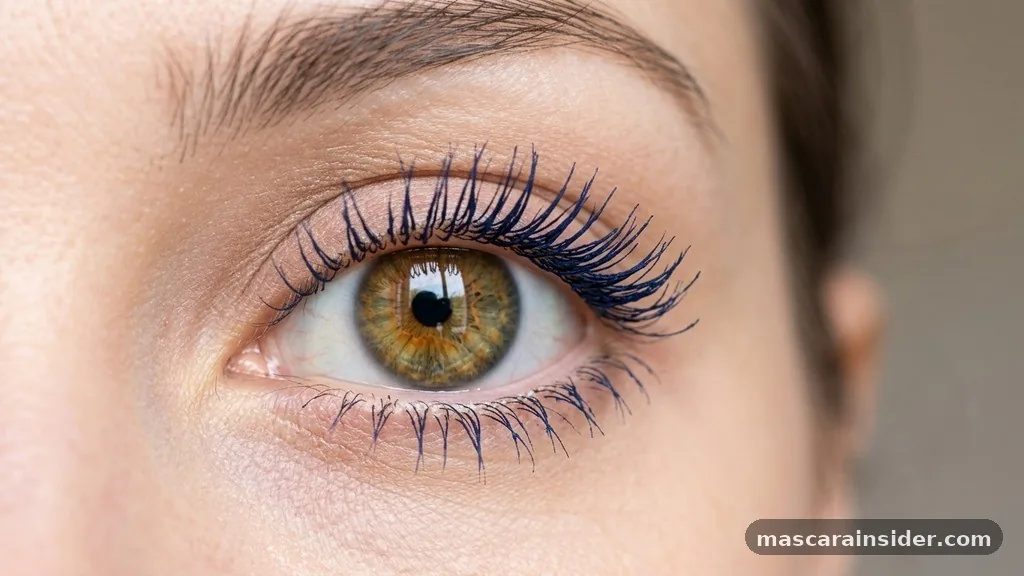
Deciding what color mascara should I use often feels like a secondary thought compared to picking the perfect foundation or lipstick. However, your choice of lash pigment drastically alters how your iris pigmentation is perceived by others. While black is the industry standard for high-impact drama, it isn’t always the most flattering option for every individual.
By shifting your focus toward hues that complement your unique features, you can achieve a more harmonious and intentional aesthetic. Whether you want to soften your gaze or make your natural eye color pop, understanding the interplay between color theory and makeup artistry is your first step toward a more sophisticated beauty routine.
The Role of Contrast in Eye Makeup

The primary function of mascara is to provide lash definition, but the secondary effect is the creation of contrast. When you apply a dark pigment to your lashes, you are essentially framing the window to your soul.
If the contrast is too harsh, it can wash out lighter skin tones or make the eyes appear smaller. If the contrast is too subtle, the eyes may lack the necessary depth to stand out in a crowd.
Color theory dictates that colors opposite each other on the color wheel create the most visual excitement. If you have blue eyes, for instance, warm-toned pigments will make them look more vibrant. If you have brown eyes, you have more flexibility, but certain shades will pull out hidden gold or green flecks in your iris that black mascara might otherwise mute.
Understanding Your Skin Undertone
Before you commit to a specific shade, you must identify your skin undertone. This factor is just as important as your eye color because the mascara sits directly against the skin of your eyelids and lash line.
Identifying Cool vs. Warm Undertones
You likely fall into one of two major categories. If you have cool-toned skin, your veins often appear blue or purple, and you likely look better in silver jewelry. Those with warm-toned skin tend to have veins that look greenish, and they often find that gold jewelry complements their complexion more effectively.
If you are cool-toned, you can lean into deep, cool-toned mascaras like navy or plum. If you are warm-toned, you might find that brown or burgundy mascaras look more natural and less “forced” on your face. This doesn’t mean you can’t wear black, but it does mean that a softer, colored alternative might harmonize better with your natural coloring.
When to Choose Brown Mascara
Brown mascara is the secret weapon of the “no-makeup” makeup look. Many people assume they need the darkest pigment available to make their lashes visible, but for those with blonde, red, or light brown hair, black can look overly aggressive. Brown provides the necessary definition without the harsh, artificial edge that can sometimes make the eyes look tired or heavy.
It is particularly effective for daytime wear or professional environments where you want to look polished but not overly made up. If you have very pale skin, a medium-to-dark brown will offer enough depth to frame the eye without creating a stark, unnatural line.
The Impact of Navy and Blue Mascara
Navy mascara is a classic makeup artist trick that is often overlooked by the average consumer. Because blue is the direct opposite of the yellowish tones found in the whites of our eyes, wearing navy can actually make the whites of your eyes appear brighter and clearer. It acts as a subtle color corrector.
Blue mascara, on the other hand, is a bolder fashion statement. While navy is a sophisticated neutral that works in almost any setting, bright cobalt or electric blue is best reserved for creative looks or evening events. If you want to experiment with color but feel intimidated, start with a deep, blackened-navy formula.
Why Burgundy Mascara Works for Everyone
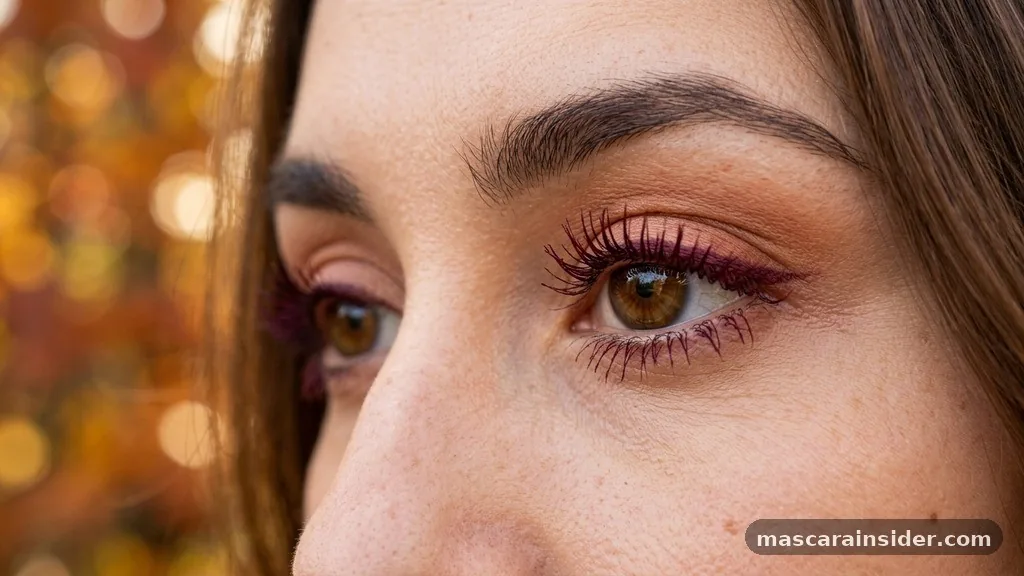
Burgundy mascara is arguably the most versatile “non-black” option on the market. The red and purple undertones in burgundy provide a stunning contrast against green, hazel, and brown eyes. It brings out the warmth in the iris, making the eyes look brighter and more awake.
Even if you have blue eyes, a deep, wine-colored mascara can create a sophisticated look that is less jarring than black. It is a subtle way to incorporate color into your routine without looking like you are wearing a costume. It is a favorite among professionals because it adds a touch of editorial flair to an otherwise standard look.
Comparing Common Mascara Hues
The following table provides a quick reference for which pigments typically pair best with different eye colors to help you decide what color mascara should I use.
| Eye Color | Recommended Mascara Color | Effect |
|---|---|---|
| Blue | Navy or Brown | Enhances depth and brightness |
| Green | Burgundy or Plum | Makes the green pop |
| Hazel | Brown or Green | Highlights gold/green flecks |
| Brown | Black, Navy, or Burgundy | Adds intensity and warmth |
Addressing Common Topical Gaps
There are several nuances to selecting mascara that are rarely discussed in beauty tutorials. One major gap is the performance of colored mascaras on different lash textures.
If you have thin, sparse lashes, lighter colors like brown or plum might not provide enough volume to make your lashes look thick. In these cases, you might consider a “layered” approach.
Apply a black primer or a coat of black mascara at the roots, and then finish the tips with your colored mascara. This provides the structural support and volume of black, while the colored tips catch the light and add that desired pop of color. Another gap involves the aging process.
As we age, our natural hair color often lightens, and the skin around the eyes loses elasticity. Moving away from jet-black mascara can prevent the “closed-in” look that heavy black makeup can sometimes create, helping the eyes appear more open and youthful.
Tips for a Natural Look
If your goal is a natural look, the secret is in the application rather than just the pigment. Regardless of the color you choose, avoid clumpy, spider-leg lashes by using a spoolie to comb through your lashes after the first coat.
* Start with a lash curler to open the eye area before applying any pigment.
* Wiggle the wand at the base of the lashes to deposit the most product where it matters.
* Use a clean brush to remove excess product from the wand before application.
* Consider using a tinted primer if your natural lashes are very light or translucent.
* Match your mascara to your eyebrow pencil if you want a cohesive, monochromatic appearance.
When to Stick with Classic Black
While exploring new colors is fun, black mascara remains the gold standard for a reason. It provides the highest level of contrast, which is essential if you are going for a dramatic smoky eye or a bold lip. There are times when color can distract from a complex eye shadow application.
If you have already put a lot of work into a multi-colored lid look, black mascara serves as a grounding element that keeps the focus on the artistry of your lids. Don’t feel like you have to abandon black entirely; think of it as a tool in your kit, much like a pair of classic pumps or a crisp white shirt.
FAQ
How do I know what color mascara to get?
Choose based on your eye color and desired intensity; use brown for softness or navy for brightness.
Should brown eyes wear black or brown mascara?
Brown eyes are versatile, but black provides intensity while brown offers a softer, more natural daily appearance.
What color mascara should an older woman wear?
Soft browns or deep plums are often more flattering, as they don’t emphasize fine lines like black.
What is the most versatile mascara color?
Black is the most versatile, but deep, blackened-navy is widely considered the best alternative for all eyes.
Does colored mascara look professional?
Yes, if you stick to deep, muted tones like navy, burgundy, or dark brown for office environments.
Can I mix different mascara colors?
Absolutely, you can layer black at the roots for volume and a colored shade on the tips.
Does mascara color affect lash length appearance?
Lighter colors can make lashes appear slightly shorter, while black provides the most defined, long-lashed look.
Refining Your Lash Routine
Finding the right pigment for your lashes is a personal journey that depends on your skin tone, your eye color, and the specific vibe you want to project. Once you move past the default assumption that black is the only option, you open up a world of possibilities that can make your eyes look brighter, more defined, and more harmonious with your overall look. Start by experimenting with a deep brown or a subtle navy; you might be surprised at how much of a difference a simple switch in pigment can make.
Your eyes are your most expressive feature, so don’t be afraid to use color to highlight them in new and interesting ways. Experimenting with different shades is a low-stakes way to refresh your makeup bag and discover what truly makes your features shine.


