

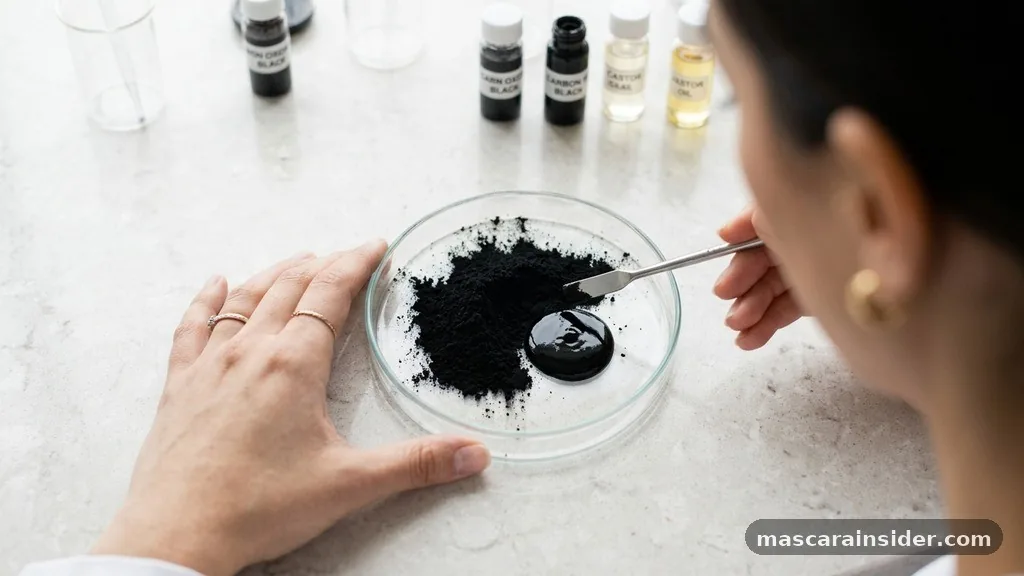
Knowing exactly what is in mascara helps you make better choices for your daily beauty routine. While many of us apply these dark, lengthening formulas without a second thought, the chemistry behind them is surprisingly sophisticated.
Most tubes contain a specific blend of pigments, waxes, and polymers designed to coat your lashes while keeping them flexible and smudge-free. By understanding these components, you can better identify which products align with your skin sensitivities and personal preferences.
The Core Chemistry of Mascara
At its most basic level, mascara is a stable emulsion of pigments, waxes, and oils. Manufacturers combine these elements to ensure the product stays on your lashes all day without flaking or running. While the exact recipe varies by brand, the fundamental structure remains consistent across the industry.
Pigments and Colorants
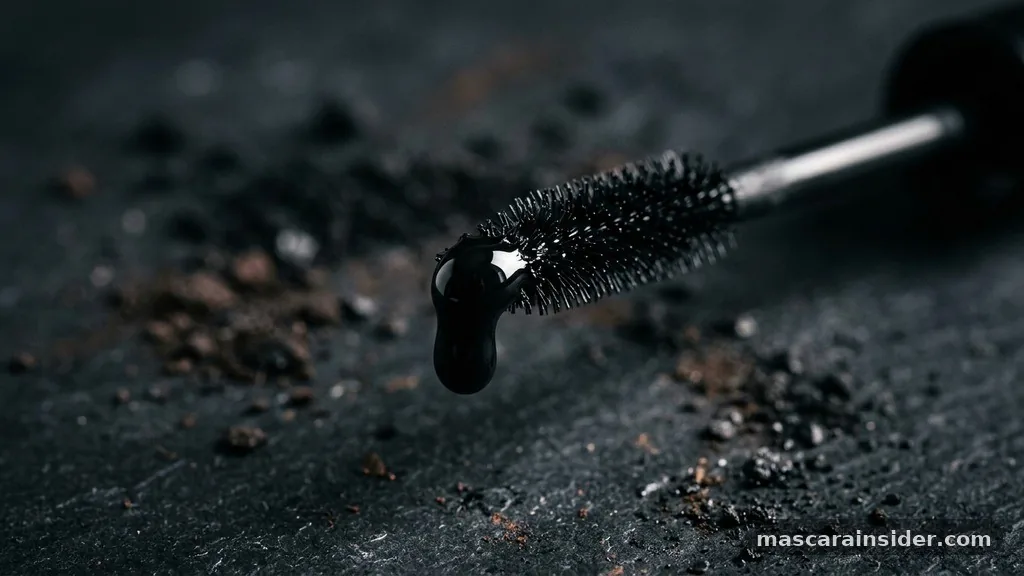
The dark, dramatic payoff you expect from your makeup comes primarily from mineral-based pigments. Iron oxides are the most common agents used to achieve black or brown shades, providing a safe and reliable color profile. For an even deeper, more intense black, some brands incorporate carbon black, which offers a highly saturated, light-absorbing finish.
Waxes and Texture

Waxes are responsible for the thickness and volume of your lashes. They provide the structure that allows the formula to build up without clumping. Common ingredients include: * Beeswax: A natural choice that provides a smooth, buildable texture. * Carnauba wax: Derived from palm leaves, this adds a high-gloss finish and helps the product resist melting from body heat. * Paraffin or ozokerite: Often used in combination with natural waxes to control the melting point and viscosity.
Film Formers and Polymers
To ensure your look doesn’t end up on your cheeks by noon, chemists add polymers and synthetic film formers. These ingredients create a thin, flexible coating around each individual lash. They essentially “lock” the pigments in place, preventing the formula from crumbling as you blink. These components are vital for “tubing” mascaras, which form tiny water-resistant cylinders around the lashes that slide off easily with warm water.
Preservative Systems and Safety
Because mascara is a liquid product used near the eyes, preventing bacterial growth is non-negotiable. Manufacturers use robust preservative systems to keep the formula sterile for several months. While some older formulas relied on parabens, many modern brands have shifted toward alternatives like phenoxyethanol. Always check the label if you have known sensitivities to specific chemical preservatives.
| Ingredient Category | Primary Function | Common Examples |
|---|---|---|
| Pigments | Provides color and depth | Iron Oxides, Carbon Black |
| Waxes | Adds volume and structure | Beeswax, Carnauba Wax |
| Polymers | Ensures long-wear and flexibility | Acrylates, PVP |
| Conditioners | Supports lash health | Panthenol, Vitamin E |
Common Additives and Enhancements
Beyond the base structure, many formulas include specialized additives to improve performance or aesthetics. If you notice a subtle shimmer in your product, it is likely due to mica or, in rare, high-end cases, guanine—a crystalline substance derived from fish scales that creates a pearlescent effect.
Lash Conditioning Agents
Modern mascara is often marketed as a hybrid between makeup and skincare. Many brands now include lash conditioning agents such as panthenol, keratin, or various plant-based oils. These additions aim to nourish the hair cuticle, preventing the brittleness that can sometimes occur with long-term daily wear.
Addressing Topical Gaps: Myths and Reality
There is a lot of misinformation circulating about the ingredients found in eye makeup. It is important to separate internet rumors from actual chemical facts.
One frequent myth involves the use of animal byproducts. While some older formulas used guanine from fish, the vast majority of modern mascaras are entirely synthetic or plant-derived.
You will rarely find “bat poop” or similar urban legends in your tube; these stories are simply myths that gained traction due to a misunderstanding of historical ingredients. Furthermore, the concern over “spider legs” refers to the clumping effect of the product, not the inclusion of actual spider parts.
Prioritizing Eyelash Health
Choosing the right product is about more than just volume; it is about protecting your eyelash health. If you have sensitive eyes or wear contacts, you should look for labels that explicitly state the product is ophthalmologist-tested. This certification ensures that the formula has been evaluated for contact lens safety, reducing the likelihood of irritation from stray particles or chemical vapors.
If you find that standard formulas cause redness or itching, consider switching to a hypoallergenic or mineral-based version. These often omit synthetic fragrances and aggressive preservatives, focusing instead on gentle ingredients that respect the delicate skin of the eyelid.
FAQ About Mascara Ingredients
What is the main ingredient in mascara?
The main ingredient is usually water, which acts as a solvent to create a smooth, spreadable emulsion.
Is mascara made out of bat poop?
No, this is a persistent myth. Mascara contains synthetic pigments, waxes, and polymers, never animal waste products.
What are the safest ingredients for lash health?
Look for hydrating additives like panthenol, castor oil, and vitamin E, which support and nourish your lashes.
Are parabens harmful in mascara?
Parabens are controversial preservatives; many modern brands avoid them in favor of gentler, alternative preservative systems today.
What is a natural alternative to mascara?
Natural alternatives include tinted lash serums or oils that darken lashes without the heavy waxes and polymers.
How do I know if my mascara is safe for contact lenses?
Check the packaging for an “ophthalmologist-tested” seal, which confirms the product is safe for contact lens wearers.
Do all mascaras contain carbon black?
Not all do; many brands use iron oxides as a safer, more stable alternative for achieving dark colors.
Final Thoughts on Ingredient Awareness
Being informed about what is in mascara allows you to prioritize both your aesthetic goals and your physical well-being. By focusing on products that feature quality waxes, stable pigments, and transparent preservative systems, you ensure that your makeup enhances your appearance without compromising the health of your eyes. Always prioritize products that have undergone rigorous testing, especially if you have sensitive skin or wear contact lenses. If you find a formula that works well for your specific needs, stick with it, but don’t hesitate to inspect the ingredient list if you suspect a reaction. Your eyes are delicate, so choosing high-quality, reputable products is the simplest way to enjoy your beauty routine with complete peace of mind.


