

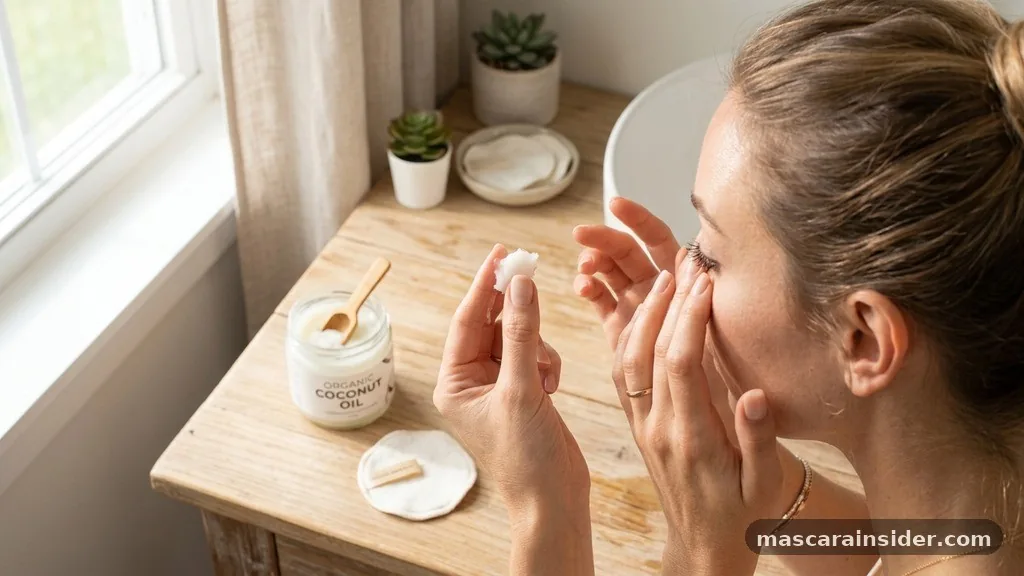
Finding yourself without a dedicated cleanser when you need to remove stubborn, long-wear eye products is a common frustration. Knowing how to take off waterproof mascara without makeup remover effectively protects your lashes from damage while keeping your skincare routine simple. Many people assume they need harsh chemicals to break down these formulas, but common household items often perform the job just as well.
By using the right techniques and gentle substances, you can dissolve persistent pigments without tugging at your skin. This approach saves time and prevents the irritation that often comes from using improper, overly abrasive cleansing methods on your eyes.
Understanding Waterproof Formulas
Waterproof mascara is designed to resist water, sweat, and humidity, which means it contains polymers and waxes that repel standard moisture. These ingredients create a shield around each lash, making them difficult to wash away with simple soap or plain water.
Because these products are built to stay put, they require a solvent—specifically something that can interact with the oil-based binders in the formula—to release their grip. If you try to scrub them off forcefully, you risk eyelash breakage and irritation of the delicate eye area.
Effective Oils for Dissolving Mascara
Oil is the most effective substance for breaking down the hydrophobic polymers found in waterproof makeup. Because oil dissolves oil, these natural fats work by softening the mascara, allowing it to slide off the lash without requiring intense rubbing.
Coconut Oil
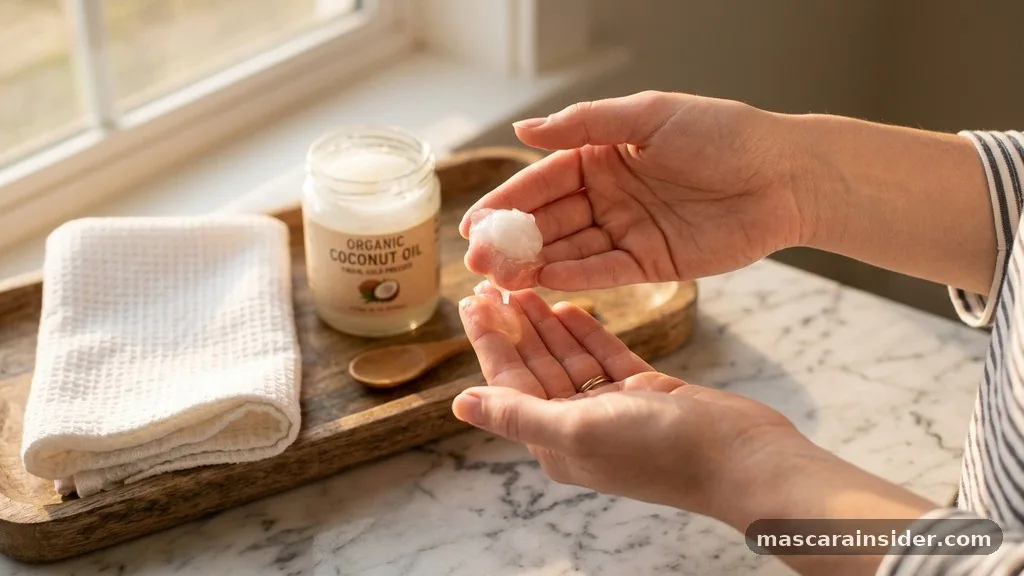
Coconut oil is a popular choice for many because it acts as a natural cleansing balm. To use it, take a small amount and warm it between your fingertips until it turns into a liquid. Gently massage it onto your lashes, let it sit for about thirty seconds to emulsify the product, and then wipe it away with a damp cloth or a soft cotton pad.
Olive Oil and Jojoba Oil
If you don’t have coconut oil, olive oil or jojoba oil are excellent alternatives. Olive oil is often found in the kitchen, while jojoba oil closely mimics the natural sebum produced by your skin.
Both are highly effective at loosening makeup residue. Apply a tiny drop to a clean finger, lightly coat your lashes, and wait for the mascara to soften before rinsing with warm water.
Using Petroleum Jelly as a Solvent
Petroleum jelly is a household staple that works wonders on stubborn eye makeup. It creates a barrier that softens the waxy coating on your lashes, making even the most stubborn waterproof formulas easy to remove.
To apply this, use a clean spoolie brush or your fingertip to distribute a thin layer over your lashes. Avoid getting the jelly directly inside your eye, as it can cause temporary blurriness.
Let it sit for a minute, then use a soft, damp cloth to wipe the product away. The gentle friction of the cloth will lift the mascara off without stressing the hair follicles.
The Role of Micellar Water and Alternatives
While many people consider micellar water a dedicated makeup remover, it is actually a surfactant-based solution that can be used independently. If you have a bottle of micellar water, you don’t necessarily need a secondary oil-based cleanser. However, if you are completely out of products, you can replicate the effect by using a very mild, non-irritating facial cleanser.
When you lack professional solutions, look for products that contain fatty acids. These help maintain the lipid barrier of your skin while lifting away dirt. Avoid using harsh soaps or alcohol-based toners, as these will dry out your eyelids and cause significant discomfort.
Addressing Topical Gaps: Why Traditional Soap Fails
Many people wonder why simple soap and water often fail to remove waterproof mascara. Standard soap is designed to remove dirt and surface oil, but it cannot dissolve the synthetic waxes and waterproof polymers that define high-performance mascara.
Why Soap Isn’t Enough
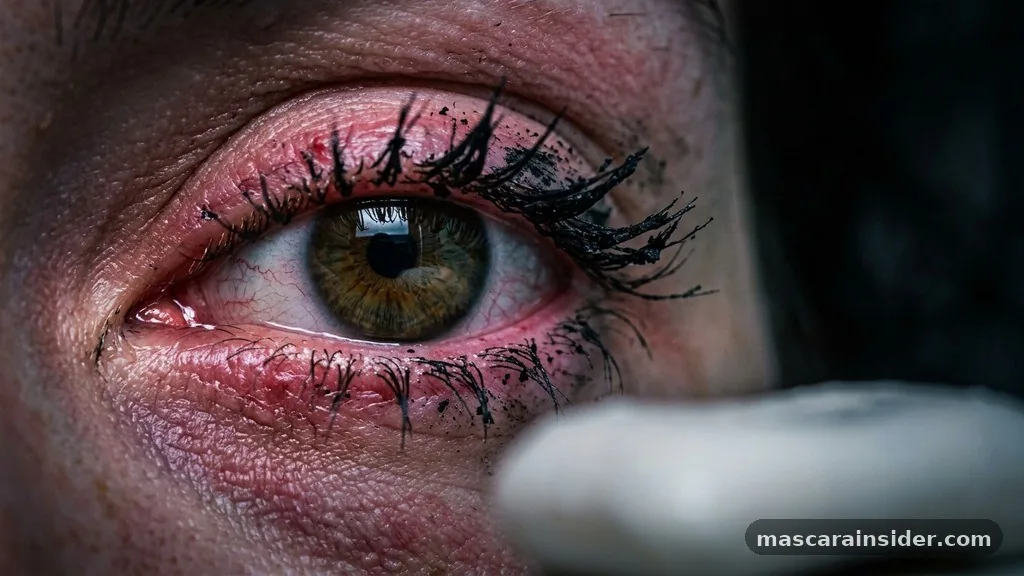
- Soap surfactants are not strong enough to break the chemical bonds of waterproof polymers.
- The high pH of many soaps can irritate the sensitive mucous membranes of the eyes.
- Rubbing with soap causes excessive pulling, which leads to premature lash shedding.
- Water-based soaps often smear the product across the eyelid rather than lifting it away.
Comparing Removal Methods
The following table provides a quick reference for which household items to use when your standard remover is unavailable.
| Substance | Best For | Key Benefit |
|---|---|---|
| Coconut Oil | Thick, clumpy mascara | Deeply conditions lashes |
| Petroleum Jelly | Very stubborn, long-wear formulas | High adherence to wax |
| Olive Oil | General makeup removal | Readily available in kitchens |
| Baby Shampoo | Removing final traces | Tear-free and mild |
Technique Matters: Preventing Lash Damage
The most common mistake when trying to remove makeup without specialized products is applying too much pressure. Your lashes are fragile, and the skin around your eyes is the thinnest on your body.
Always start by saturating your lashes with your chosen oil or jelly. Give the product at least sixty seconds to do the work. If you find yourself scrubbing, stop immediately and apply more oil.
Patience allows the solvent to do the heavy lifting, ensuring that you don’t lose lashes in the process. Once the mascara has softened, use a downward motion to gently sweep the product off, following the natural direction of the lash growth.
Post-Removal Skincare
After you successfully clear the mascara, your skin and lashes may still have a slight oily residue. This is perfectly normal and even beneficial, as it provides extra hydration. However, you should follow up with a gentle facial wash to ensure that no debris or dissolved pigment remains trapped in your pores.
Using a soft, damp washcloth, wipe the area clean. If you feel any lingering stickiness, a second, very light cleanse with a mild soap will clear it up. Finally, apply your regular moisturizer, being careful to avoid the lash line if you have sensitive eyes, to keep the skin supple and hydrated.
Common Questions About Makeup Removal
Can I use baby oil to remove mascara?
Yes, baby oil is a mineral oil that effectively breaks down waterproof pigments without causing significant irritation.
Will Vaseline damage my eyelashes?
No, using a thin layer of petroleum jelly is generally safe and can actually help condition dry lashes.
Is it safe to use olive oil near my eyes?
Olive oil is safe for most people, but if you have acne-prone skin, use it sparingly near eyes.
What if I get oil inside my eye?
It may cause temporary blurry vision, but it is not harmful; simply blink or rinse with water.
Can I use makeup wipes instead of oil?
Makeup wipes are often ineffective against waterproof formulas and can cause damage through aggressive, repetitive physical rubbing.
How do I know if the mascara is fully removed?
Check your lashes in a mirror; if they look clumped or feel stiff, you still have some residue.
Does water alone remove waterproof mascara?
No, waterproof mascara is specifically formulated to be resistant to water, so you must use an oil-based agent.
Final Thoughts on Lash Health
Mastering the art of removing waterproof mascara without specialized products is a practical skill that preserves your lashes and your skin’s integrity. By relying on oils or gentle emollients, you avoid the common pitfalls of scrubbing and pulling. Always prioritize the health of your delicate eye area by being patient and allowing the cleanser to break down the product naturally.
If you have recurring issues with waterproof formulas, consider switching to a tubing mascara, which is designed to slide off with just warm water. For now, keep your favorite natural oil on hand, and you will never be caught off guard again. If you have questions about which oils work best for your skin type, feel free to reach out and share your experience.


