

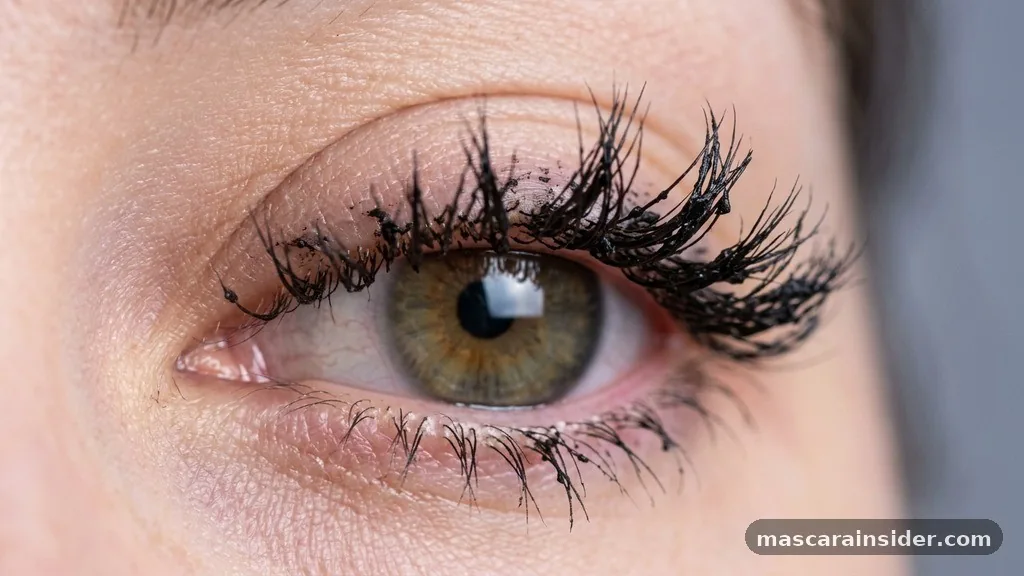
Deciding whether you can put mascara on lash extensions is a common dilemma for anyone looking to boost their volume after a few weeks of wear. While the primary goal of professional extensions is to eliminate the need for daily makeup, many people find themselves reaching for a wand as their set begins to look sparse.
Understanding the chemistry behind your lash adhesive and the structural integrity of synthetic lashes is essential before you apply any product. Making the wrong choice can lead to significant damage, but knowing the right techniques allows you to extend the life of your look without sacrificing your natural lash health.
Why Most Professionals Advise Against Mascara
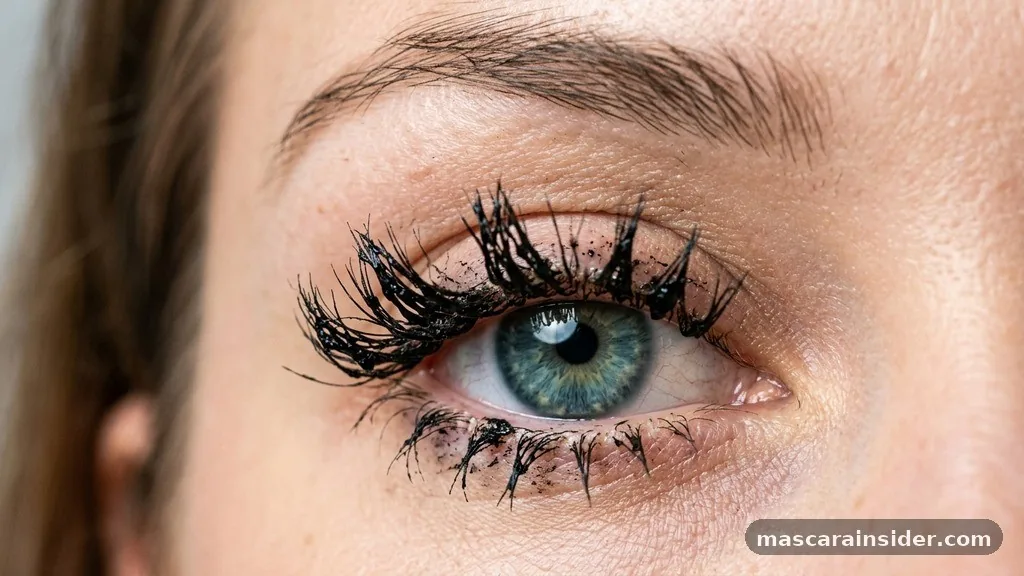
The short answer to whether you can put mascara on lash extensions is generally no, though there are specific exceptions. Most lash technicians advise against it because traditional formulas are designed to grip onto natural hairs, which often results in friction and buildup.
When you apply standard makeup to extensions, you create a heavy coating that the lash adhesive simply wasn’t built to support. This extra weight pulls on the natural hair follicle, leading to premature shedding and potentially permanent damage to your lash line.
Furthermore, the process of removing stubborn pigment is where the most harm occurs. To get a standard product off, you typically need to rub your eyes or use heavy-duty cleansers. This physical manipulation is the enemy of eyelash extension maintenance.
Every time you tug at your lids, you risk snapping the extensions or pulling out your natural lashes prematurely. Keeping your extensions clean and free of debris is the single most effective way to ensure they stay fluffy and aligned for the duration of your fill cycle.
The Risks of Using Incorrect Formulas
Using the wrong type of product on your eyes can compromise the bond of the adhesive instantly. Many common formulas contain oils, waxes, or polymers that act as solvents, effectively dissolving the glue that holds your extensions in place.
When you use oil-based products, the adhesive softens, causing the extensions to slide, twist, or fall off entirely. Even if the product doesn’t cause immediate shedding, the residue can build up at the base of the lash, creating a breeding ground for bacteria.
How Ingredients Impact Retention
The chemical composition of your makeup matters just as much as the application method. If you are determined to use a product, you must verify the label for specific ingredients that are safe for use with synthetic fibers.
| Ingredient Type | Effect on Extensions | Safety Level |
|---|---|---|
| Mineral Oils | Dissolves adhesive bond | High Risk |
| Glycols | Softens synthetic fibers | Moderate Risk |
| Water-based polymers | Safe for bond | Low Risk |
| Waxes/Beeswax | Causes clumping and weight | High Risk |
Choosing a Safe Alternative
If you absolutely feel the need to enhance your look, you must use a specifically formulated oil-free mascara. These products are designed to be water-soluble, meaning they won’t break down the cyanoacrylate-based glue used by your technician.
A water-based formula is the only safe option, as it washes away easily with gentle cleansers like micellar water. You should never use waterproof formulas, as they require oil-based cleansers for removal, which is a guaranteed way to ruin your set.
When applying an approved product, focus only on the tips of the extensions rather than the base. Applying makeup from the root upward will inevitably lead to clump-free application issues and make it impossible to clean the lash line properly.
By limiting the product to the outer third of the lashes, you minimize the weight and keep the base clean. Always use a clean spoolie brush after application to ensure the lashes remain separated and free of tangles.
Maintenance and Cleaning Protocols
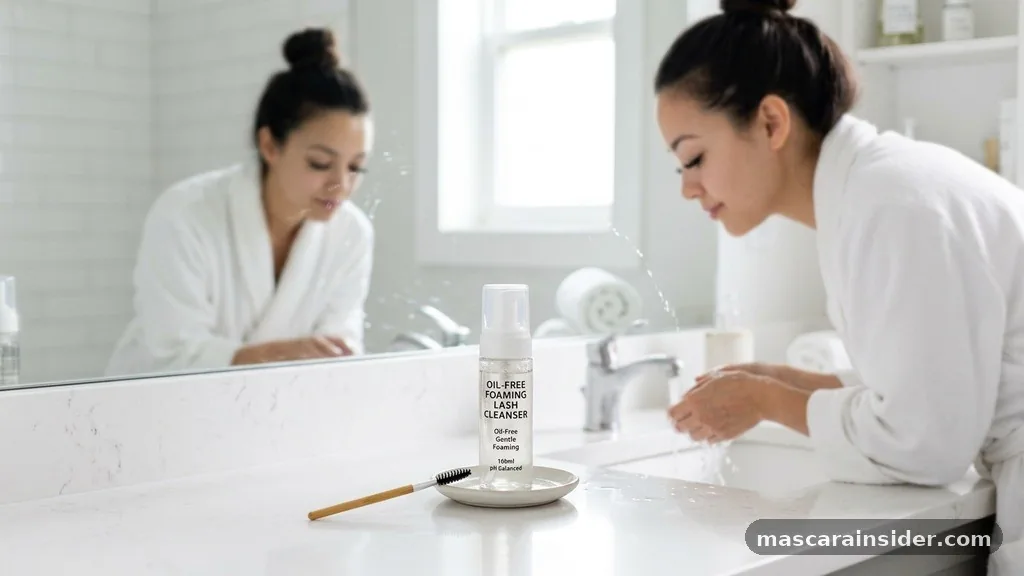
Proper cleaning is the secret to long-lasting extensions, especially if you have experimented with makeup. A daily routine using a specialized lash cleanser or a gentle, oil-free foaming wash is mandatory.
Avoid using cotton rounds or pads, as the fibers can catch on the extensions and pull them out. Instead, use a soft, lint-free brush or your fingertips to gently massage the cleanser into the lash line, then rinse thoroughly with cool water.
- Use only oil-free cleansers to protect the adhesive bond.
- Brush your lashes daily with a clean spoolie to prevent tangling.
- Pat your lashes dry gently rather than rubbing them with a towel.
- Schedule regular infills every 2-3 weeks to maintain a full look.
- Avoid heat sources like hair dryers or ovens near your face.
- Never pull or tug at loose extensions; let them shed naturally.
- Consult your technician before trying new eye products.
Addressing Common Topical Gaps
A common question that often goes unanswered is whether you can apply makeup to specific types of extensions, such as hybrids or volume fans. Because volume fans consist of multiple thin fibers attached to a single natural lash, they are significantly more delicate than classic sets.
Adding any product to these fans creates a heavy, uneven look that defeats the purpose of the volume technique. The weight of the mascara can cause the fans to collapse, turning a fluffy, dark look into a spiky, messy one that is difficult to fix without a professional removal.
Another gap in common advice is the timing of application relative to your last appointment. You should never apply any product within the first 24 to 48 hours after a fresh set or a fill. The lash adhesive requires this time to cure completely.
Introducing moisture or chemicals too early will cause the glue to bloom, turning it white and brittle, which significantly shortens the lifespan of your extensions. If you feel like your lashes look thin, the best solution is to talk to your artist about switching to a fuller volume set rather than relying on mascara to fill the gaps.
The Relationship Between Makeup and Lash Health
Your natural lash health should always take precedence over temporary aesthetic improvements. Frequent use of heavy makeup products can block the hair follicles, potentially leading to irritation or localized infections like blepharitis.
When you consistently layer products on top of extensions, you prevent the natural shedding process, which is necessary for the health of your eyelids. If you notice redness, itching, or swelling, discontinue the use of all eye makeup immediately and allow your lashes to breathe.
If you find that you are constantly needing mascara, it is a clear indicator that your current set is not meeting your expectations. Rather than forcing a product to work, consider adjusting your service. You might benefit from a different curl pattern, a longer length, or a higher density of lashes.
A professional technician can tailor the design to give you that “mascara look” naturally, which is safer and more convenient than daily application. Remember that the goal of extensions is to simplify your routine, not to add more steps to it.
Optimising Your Lash Routine
To keep your extensions looking their best, simplify your beauty cabinet. Eliminate any products that contain oils near the eye area, including heavy eye creams and waterproof eyeliners.
Replace these with lightweight, gel-based alternatives that are compatible with your extensions. By creating a clean, oil-free environment around your eyes, you provide the perfect conditions for the adhesive to maintain its strength.
Consistent maintenance is the best investment you can make. While it might be tempting to use a quick coat of mascara to bridge the gap between appointments, the long-term cost to your natural lashes and the integrity of your extensions is not worth it.
If you are struggling with retention, look at your sleep habits, your cleansing routine, and the type of pillowcase you are using. Often, small adjustments in these areas yield better results than adding more products to your eyes.
Conclusion
While you technically can apply specific types of makeup to your extensions, it is rarely recommended by professionals due to the risks of clumping, premature shedding, and adhesive degradation. If you choose to proceed, stick strictly to oil-free, water-based formulas and apply them only to the tips to avoid damaging the base. Prioritizing gentle cleaning and proper daily maintenance will keep your lashes looking fuller for longer, eventually removing the need for extra makeup entirely.
If you feel your set isn’t providing the look you want, discuss your preferences with your lash artist to adjust your volume or style during your next appointment. Taking care of your extensions now ensures your natural lashes remain strong and healthy for future sets.
Can I use waterproof mascara on my lash extensions?
No, never use waterproof mascara as it requires oil-based removers that dissolve your lash adhesive instantly.
What is the best way to clean my lashes if I wear makeup?
Use an oil-free lash cleanser and a soft brush to gently remove makeup every single night.
Will mascara cause my lash extensions to fall out faster?
Yes, the weight and the process of removing mascara create friction that leads to premature shedding.
Can I use a spoolie brush to remove mascara clumps?
Yes, use a clean, dry spoolie to gently brush through your lashes to remove any buildup.
Is it safe to use mascara on the day of my lash fill?
No, come to your appointment with completely clean, makeup-free lashes to ensure the best possible bond.
What ingredients should I avoid in mascara if I have extensions?
Avoid oils, waxes, and glycol-based ingredients, as these break down the bond of the lash adhesive.
How do I know if my mascara is oil-free?
Check the ingredient list on the packaging for terms like “oil-free” or “water-based” and avoid beeswax.


